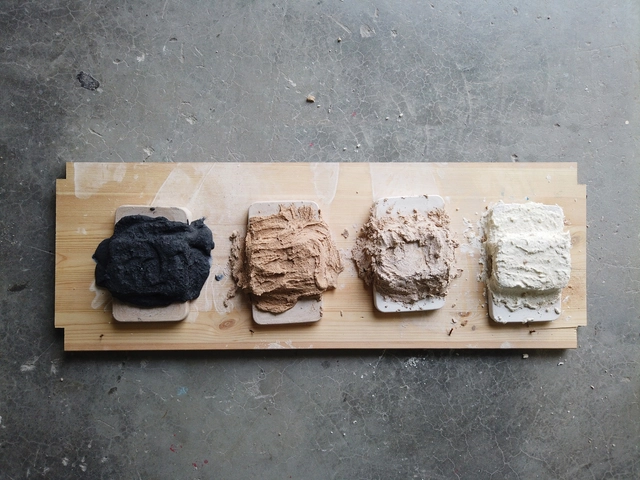
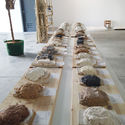
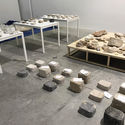
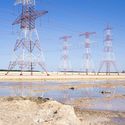
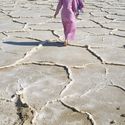
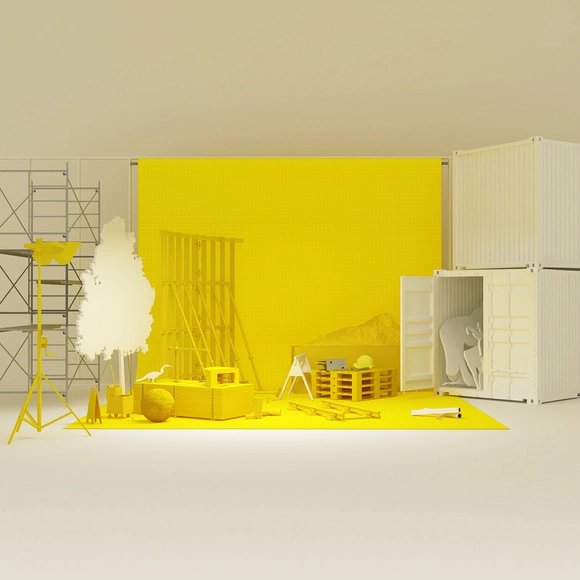
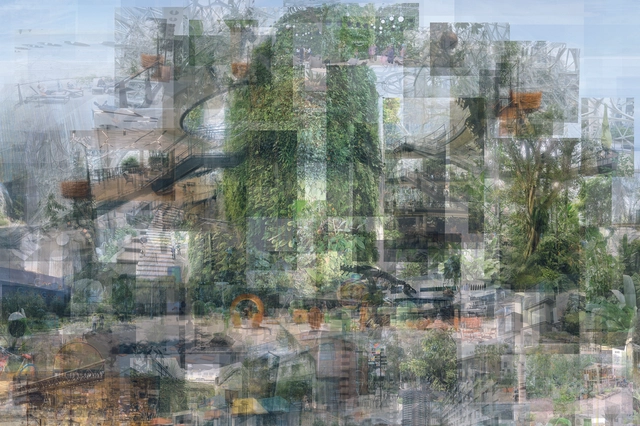
Wael Al Awar and Kenichi Teramoto, both principals of Dubai-based Waiwai design, have been appointed as the curators for the National Pavilion of the UAE at the 2021 Venice Biennale. Entitled Wetland, the exhibition presents an experimental solution to the critical environmental impact of the construction industry. The intervention will present a large-scale prototype structure created from an innovative, environmentally friendly cement made of recycled industrial waste brine. The exhibitionwill open to the public at the 17th International Architecture Exhibition of the Venice Biennale from Saturday, May 22nd to Sunday, November 21st, 2021.
Titled "Architecture as Measure", the Turkish pavilion at the 17th International Architecture Exhibition – La Biennale di Venezia, seeks to explore what and how architecture can contribute to the environment in the light of the current climate crisis, beyond technological dependence. Curated by Neyran Turan, the pavilion will be on display at the country's long-term venue, the Sale d’Armi, Arsenale from May 22nd to November 21st, 2021.
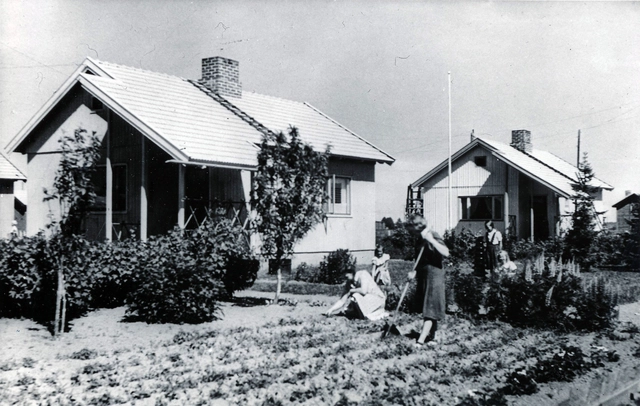
For the 17th International Architecture Exhibition of La Biennale di Venezia, Finland's Pavilion revisits a moment in local history when a refugee crisis led to new ways of building and a reconfiguration of domestic space, which ended up influencing different places around the world. Titled New Standards, the exhibition curated by Laura Berger, Philip Tidwell and Kristo Vesikansa presents the story of Puutalo Oy, an industrial enterprise specialized in prefabricated wooden buildings that set new standards for residential design in the 20th century and created Finland's most widespread architectural export.
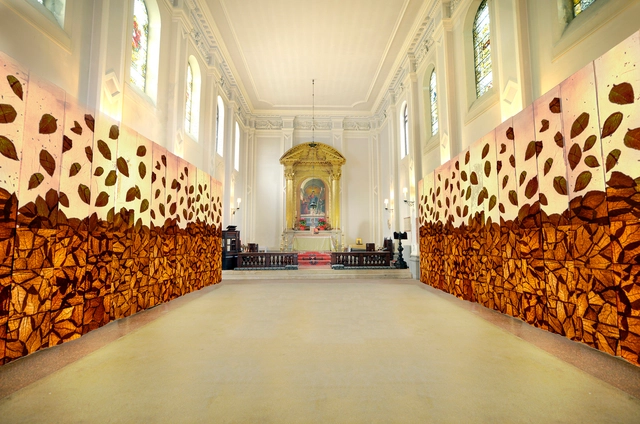
Conexión by Lidia León Cabral. Image Courtesy of Dominican Republic Pavilion
For the 17th Venice Architecture Biennale, the Dominican Republic presents the exhibition CONEXIÓN by artist and architect LiLeón (Lidia León Cabral) and art critic Roberta Semeraro. Hosted at Venice's Anglican Church, the project lies at the intersection of art and interior architecture, and is inspired by "the bond between the Dominican Republic and Mother Earth".
For the 17th international architecture exhibition – la biennale di Venezia 2021, Austria is creating a platform of debate around how we envision the architecture of the future. In fact, the Austrian contribution, entitled “Platform Austria”, curated by Peter Mörtenböck and Helge Mooshammer, seeks to articulate the profound changes established by the development of digital platforms in our built environment.
The Estonian Centre for Architecture is presenting the exhibition “Square! Positively shrinking” curated by Jiří Tintěra, Garri Raagmaa, Kalle Vellevoog, Martin Pedanik, and Paulina Pähn, in the Pavilion of Estonia at the 17th International Architecture Exhibition of La Biennale di Venezia. Hosted in the Arsenale complex, the project will “explore the role of high-quality urban space in enhancing the future development of small towns that are in jeopardy of depopulation, […] sparking a debate on the lesser-known facet of urbanization”.
Mahalla: Urban Rural Living. Image Courtesy of Christ & Gantenbein
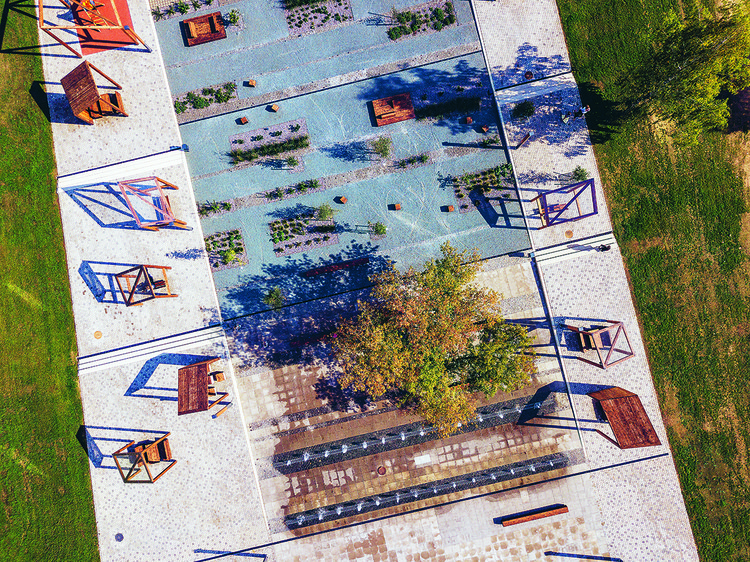
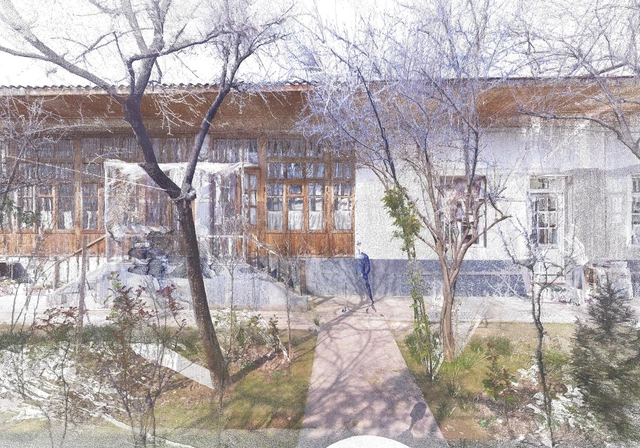
“Mahalla: Urban Rural Living” is the first participation of the Republic of Uzbekistan at the 17th International Architecture Exhibition – La Biennale di Venezia. Open to the public from May 22 to November 21, 2021, at Quarta Tesa, Arsenale, the exhibition is curated by Emanuel Christ and Christoph Gantenbein, professors of architecture and design at ETH Zurich, and founding partners of Christ & Gantenbein.
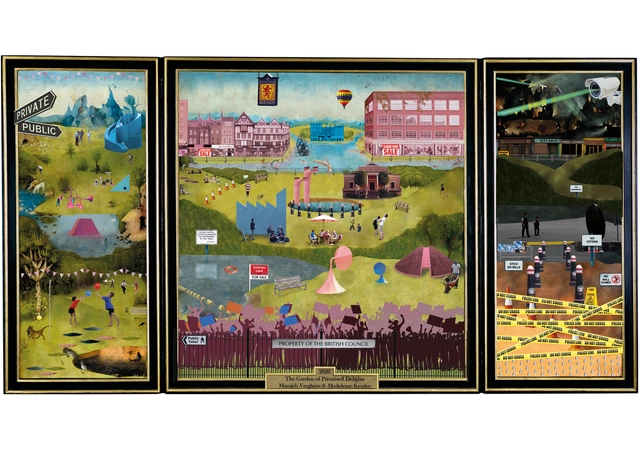
The Garden of Privatised Delights inspired by The Garden of Earthly Delights by Hieronymus Bosch. Madeleine Kessler & Manijeh Verghese, Unscene Architecture. Image Courtesy of The British Council
Curated by Manijeh Verghese and Madeleine Kessler, co-founders of multi-scalar design practice Unscene Architecture, the British Pavilion exhibition entitled The Garden of Privatised Delights, at the 17th International Architecture Exhibition – La Biennale di Venezia, will be open to the public from the 22nd of May until the 21st of November 2021. Commissioned by the British Council, the exhibition “reimagines how to make public space more inclusive, countering the rapid rise of privately-owned public space with an inspiring, alternative vision that urges both sectors to work together to create better-designed spaces for all”.
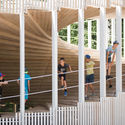
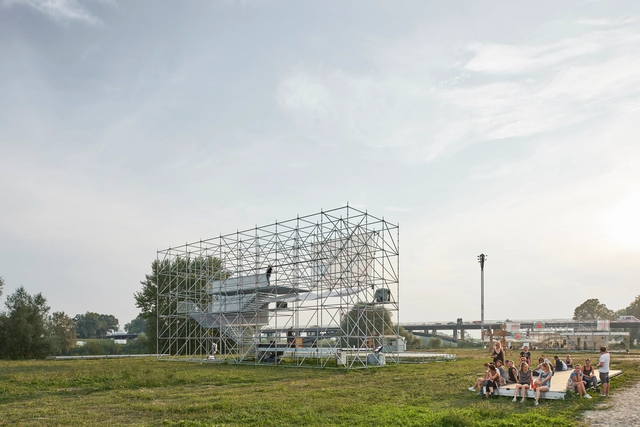
Little has been said about the contribution of scaffolding to the history of construction. These structures are generally treated as mere equipment and, as a result, their records are very scarce. Without scaffolding, however, it would be almost impossible to construct most of the buildings we know. Scaffolding allows workers to reach and move materials at difficult points in a construction, providing safety and comfort. But in addition to its role as a support structure for buildings, we have also seen that scaffolding can be used for mobile, temporary, and even permanent structures. Below, we explain its history and possibilities for use.
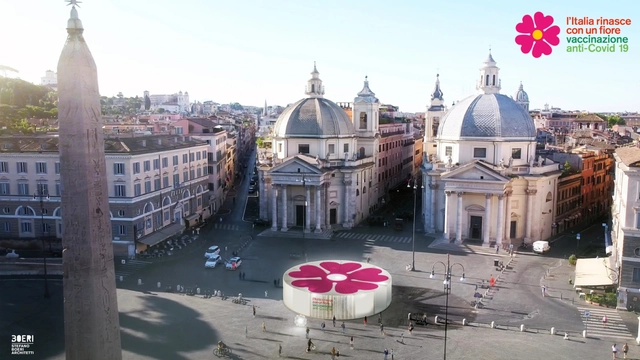
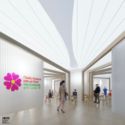
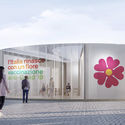
Stefano Boeri, together with a team of consultants, has created the architectural and communicative concept behind the anti-Covid-19 vaccination campaign. Under the slogan "With a flower, Italy comes back to life", the approved proposal, requested by the Italian Special Commissioner for the Covid-19 emergency Domenico Arcuri, includes the campaign logo, the temporary pavilions, and mobile information totem in public spaces.
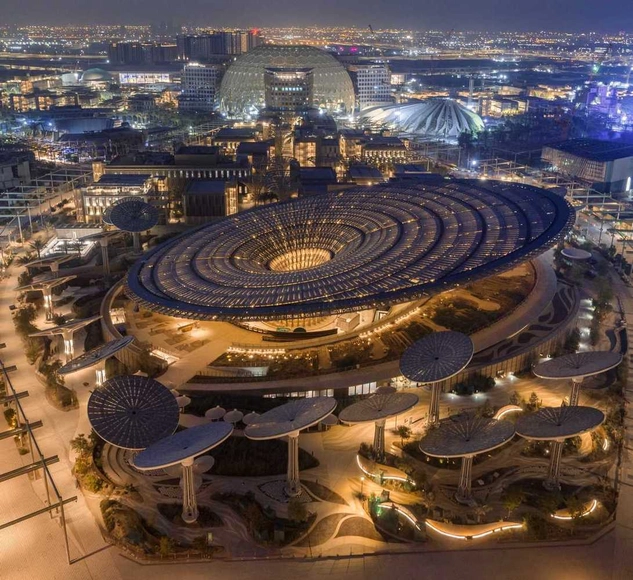
Expo Drone Shot - Sustainability Pavilion by Grimshaw Architects. Image Courtesy of Expo 2020 Dubai
With one year to go until Expo 2020 Dubai, the organizing committee of the event has revealed new images of the main pavilions under construction. While the majority of the work in 2020 was focused on landscaping and the main Expo buildings, the construction of the 192 national pavilions is back on track, to conclude by the end of the year.
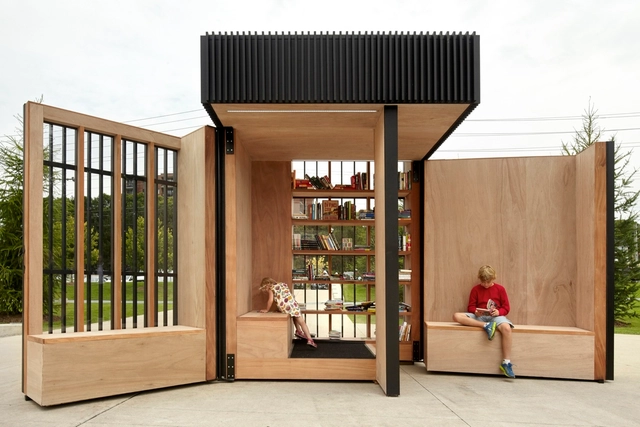
The field of architecture has the potential to influence human relations in countless ways through the built space. In small-scale projects, in particular, the challenges of tackling the dialogue between the space and the individual are combined with the task of conveying ideas to inspire people to explore the use of these minimal spaces.
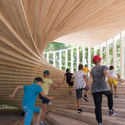
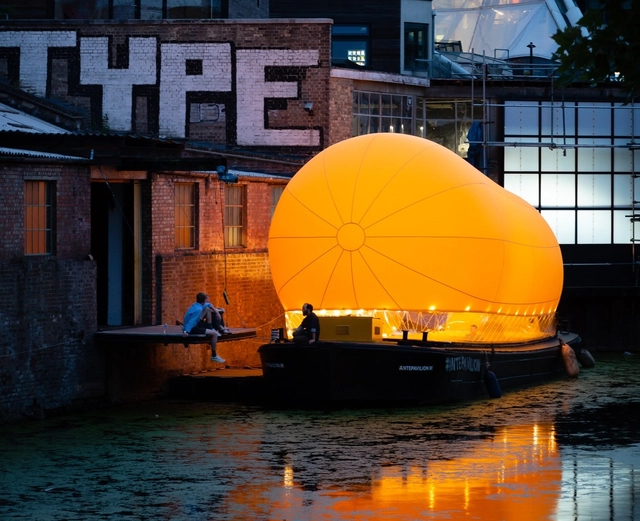
Pop-up architecture makes the most of tiny spaces and intimate experiences. As temporary structures, pop-ups are nothing new, dating back at least to Roman times as temporary stages for festivals called ludi. Pushing the boundaries of architecture, they feature a light-touch for maximum impact, each built to make a statement. Today, they are often designed around the full life-cycle of a project to minimize environmental impact.
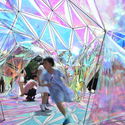
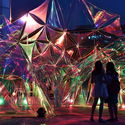
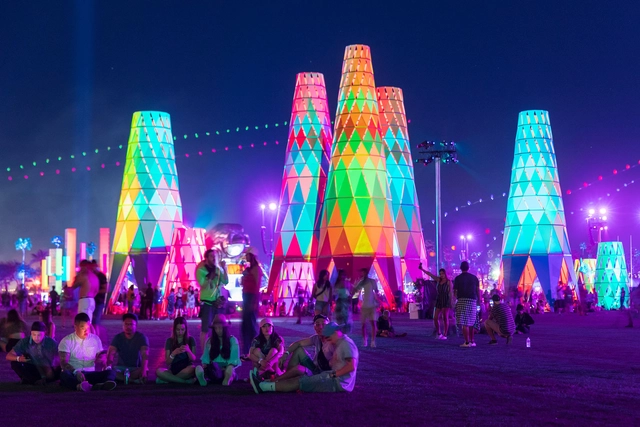
Architecture is defined by its permanence. While the discipline's most celebrated works are often those that were built to last, there's inherent beauty and value in an architecture of impermanence. Moving beyond conventional buildings and considering environmental and social impacts, temporary structures hold the potential to push the boundaries of architecture and the categorization of art.