![Bois de Cergy Leisure Centre / PLURIEL[LES] ARCHITECTES](https://images.adsttc.com/media/images/6ad0/fe03/c720/ac12/b4d4/1444/newsletter/bois-de-cergy-leisure-centre-pluriel-les-architectes_2.jpg?1792081424)




-
Architects: PROMONTORIO
- Area: 5050 m²
- Year: 2023

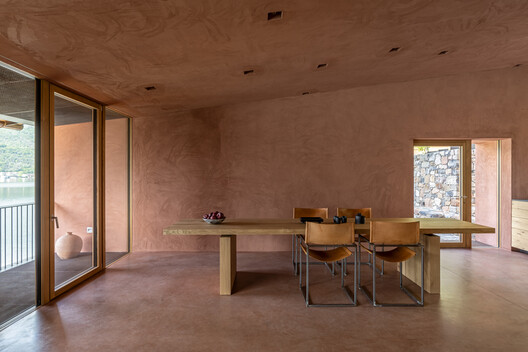
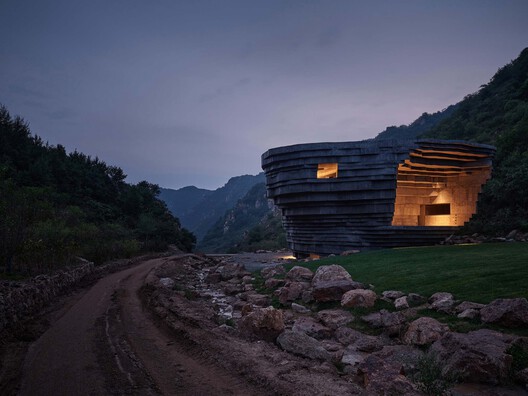
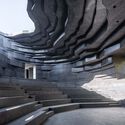
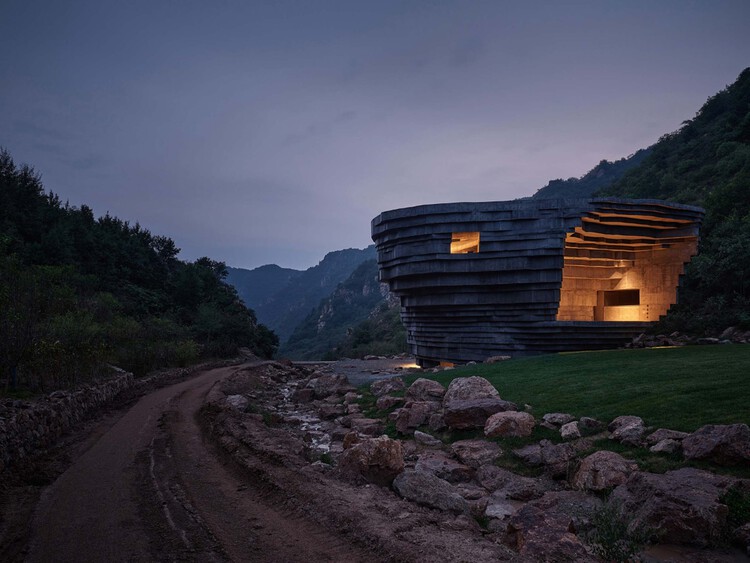
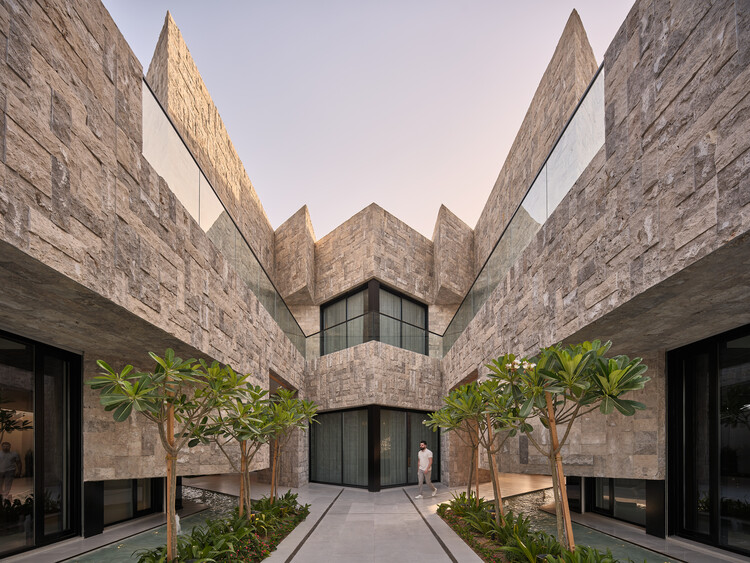
A canyon is a space no one designed. Its walls expose layers of rock deposited over millions of years, and the passage between them exists because water slowly wore that rock away. Glaciers shaped valleys in a similar way, leaving slopes behind as the ice retreated. Long before architects began shaping spaces, the Earth was already producing them.
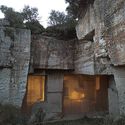
Architects have long looked to the ground for geometry. A cliff can suggest a section, a cavity a room, and layered rock a way of stacking material. Some architects build directly into an existing formation, occupying a slope or a cavity on site. Others study a formation and reproduce some of its characteristics elsewhere, from precise geological data to the general experience of a landscape.
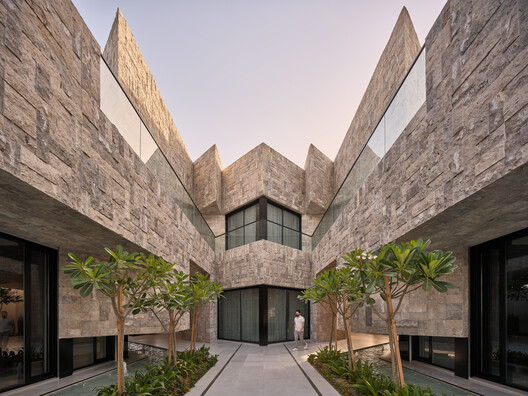
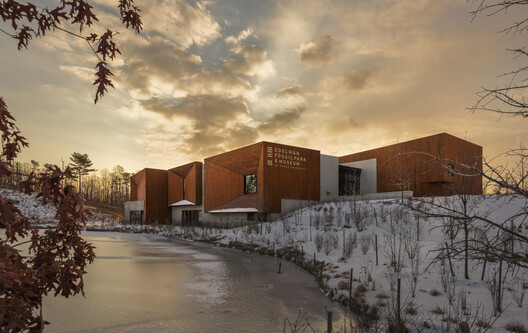
Wood has been used in buildings for thousands of years. It is natural, renewable and versatile, but its response to moisture requires consideration in design and specification. Changing moisture conditions can cause it to swell and shrink, while prolonged moisture exposure can create conditions for fungal decay. Historically, using wood outdoors has therefore meant choosing naturally durable species, protecting the material or designing around the way wood behaves. Wood modification offers another approach: changing certain properties of the material itself.

RAMSA (Robert A.M. Stern Architects) has unveiled the design for a new Welcome Hall at the Kenneth C. Griffin Museum of Science and Industry (Griffin MSI) in Chicago, Illinois. The project involves reopening the building's historic North Portico as a year-round entrance and introducing a new glazed volume connecting the portico to the museum's exhibition spaces. The proposal is part of a master plan completed by RAMSA in 2024 that examines the use of the museum's existing exhibition and public areas.





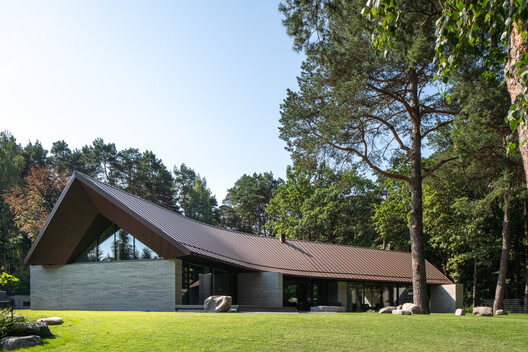
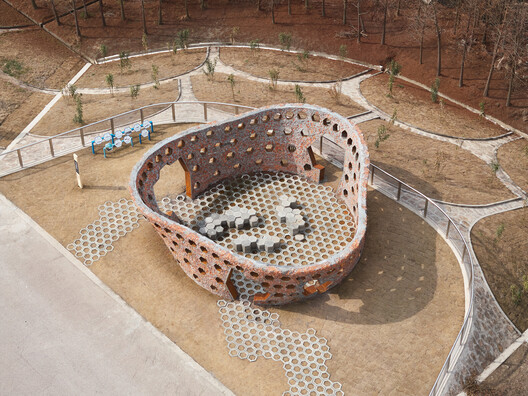
Architecture is, above all, a material reality. The materials that surround us are the result of a chain of constructive, economic, aesthetic and, in more contemporary examples, environmental considerations. Decisions are shaped by available technology, manageable technique, time-related expectations and regulatory frameworks. To face the pressures on our built environment, those multidimensional conditions must change through what we call innovation: the tangible creation of new products and strategies with problem-solving capabilities. Matter is the general term for physical substance that has mass and takes up space. When matter is given a specific type, form, or useful application, it becomes material. Material transformation therefore requires going beyond recycling and reuse: combining existing matter to create new materials that open up new possibilities for construction. The research presented below suggests that demonizing existing materials is unnecessary as long as this capacity for innovation exists.
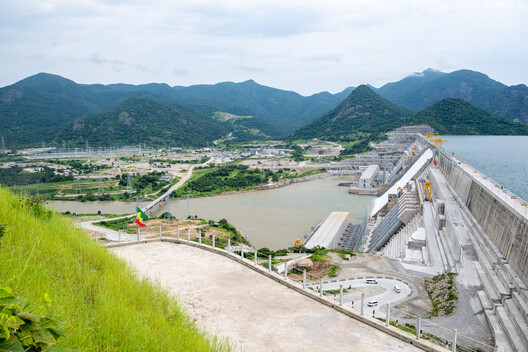
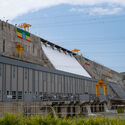
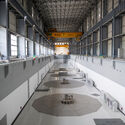
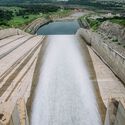
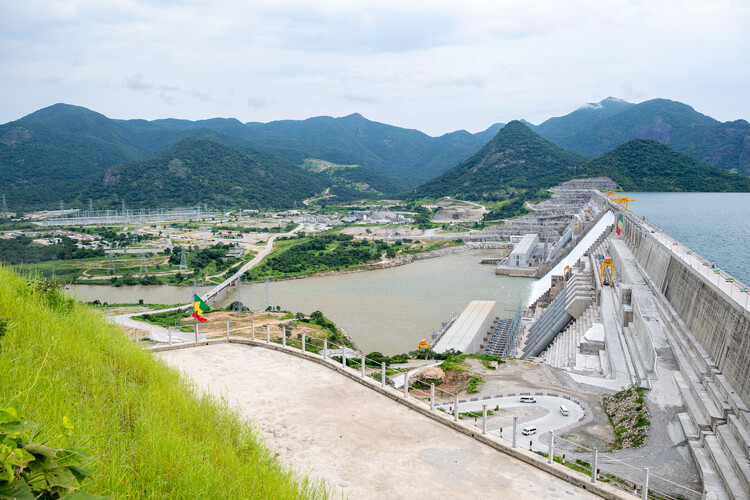
Every large dam divides as much as it connects, and the Grand Ethiopian Renaissance Dam is no exception. A monumental feat of architecture and engineering, the mega-dam has brought everyone together, for better or worse, to interrogate who gets to declare sovereignty over the riches of the river, be it water or momentum, and to challenge colonial-era Nile treaties.
Inaugurated in September 2025, the Grand Ethiopian Renaissance Dam, or GERD, is a grand concrete structure on the Blue Nile in western Ethiopia within the Benishangul-Gumuz region, just 30 kilometers upstream along the river and east of the border with Sudan. It is built as a major source of hydroelectric power, being consistently ranked in the top 3-30 globally, and symbolizes Ethiopia's national sovereignty, rise to exponential economic development, and technological self-determination. So, why has it become the center of a protracted dispute over regional water security and international law between Ethiopia, Sudan, and Egypt?