Design:ED Podcast is an inside look into the field of architecture told from the perspective of individuals that are leading the industry. This motivational series grants unique insight into the making of a successful design career, from humble beginnings to worldwide recognition. Every week, featured guests share their personal highs and lows on their journey to success, that is sure to inspire audiences at all levels of the industry. Listening to their stories will provide a rare blueprint for anyone seeking to advance their career, and elevate their work to the next level.
In this episode, Juliane Wolf discusses how Studio Gang continues to successfully contribute to the iconic Chicago Skyline, how they are actively working to advance the issues of equality in architecture, and the firm continues to elevate design at all scales.
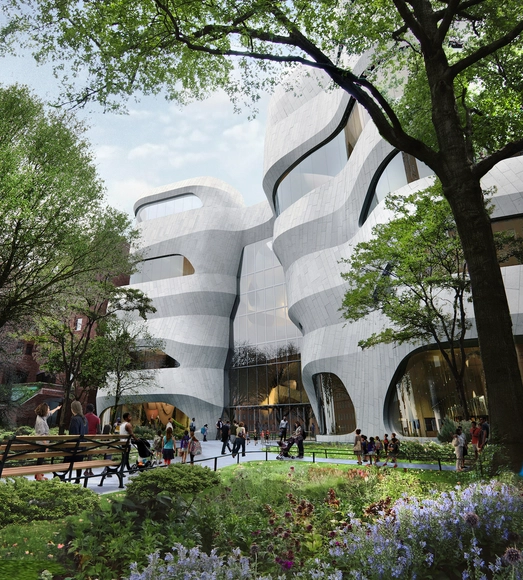
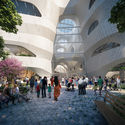
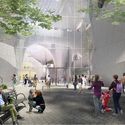
Studio Gang has broken ground on the American Museum of Natural History Expansion in New York. Called the Richard Gilder Center, the project held its groundbreaking ceremony on June 12 to kick off construction. Designed by Jeanne Gang, the $383 million Center was first proposed seven years ago. The project was made to link a range of museum buildings for better circulation throughout the campus.
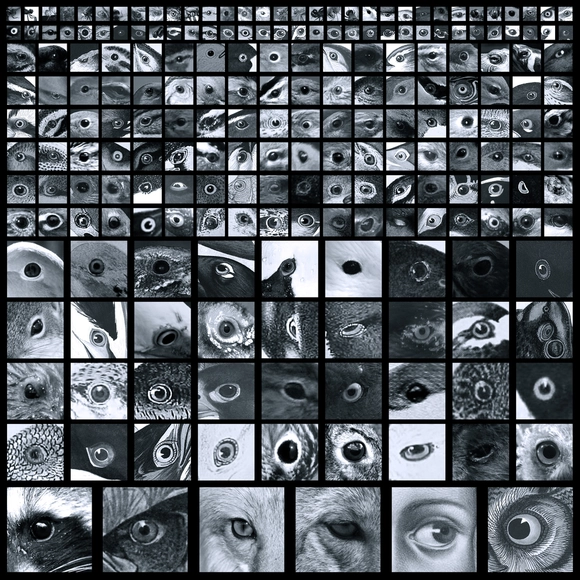
The eyes of the more than 250 animal species who have been observed at Studio Gang’s Nature Boardwalk at Lincoln Park Zoo in Chicago. Image by Studio Gang
What happens when the sensor-imbued city acquires the ability to see – almost as if it had eyes? Ahead of the 2019 Shenzhen Biennale of Urbanism\Architecture (UABB), titled "Urban Interactions," ArchDaily is working with the curators of the "Eyes of the City" section at the Biennial to stimulate a discussion on how new technologies – and Artificial Intelligence in particular – might impact architecture and urban life. Hereyou can read the “Eyes of the City” curatorial statement by Carlo Ratti, the Politecnico di Torino and SCUT.
“We all live in an ecosystem; we just don’t know it. When it comes to urban areas, people have an ecological blind spot.” — Seth Magle, Director, Lincoln Park Zoo Urban Wildlife Institute, Chicago.
The advance of AI technologies can make it feel as if we know everything about our cities—as if all city dwellers are counted and accounted for, our urban existence fully monitored, mapped, and predicted.
https://www.archdaily.com/918968/eyes-of-the-city-seeing-and-designing-beyond-the-human-jeanne-gang-for-the-shenzhen-biennale-uabb-2019Studio Gang
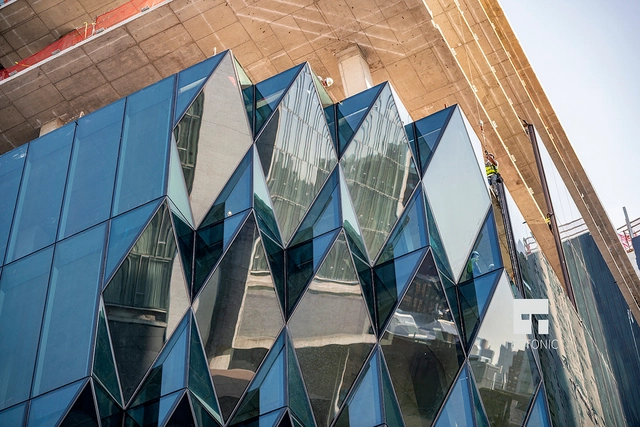
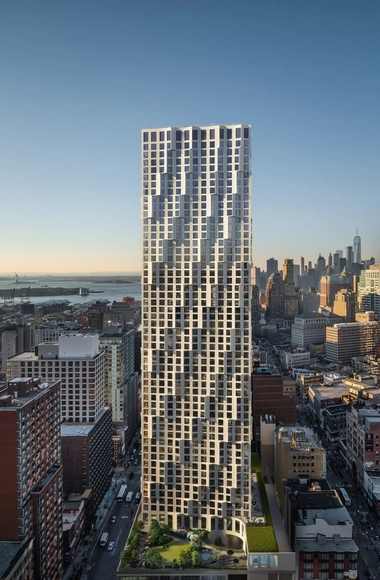
The Studio Gang-designed 11 Hoyt has topped out in Brooklyn to its full height of 620 feet. Offering 481 luxury residential condominiums, with interiors by Michaelis Boyd Associates, 11 Hoyt features a scalloped façade comprised of exquisitely crafted, shimmering cast concrete and glass, animated by bays that appear to peel away from the building and change as sunlight moves across them throughout the day.
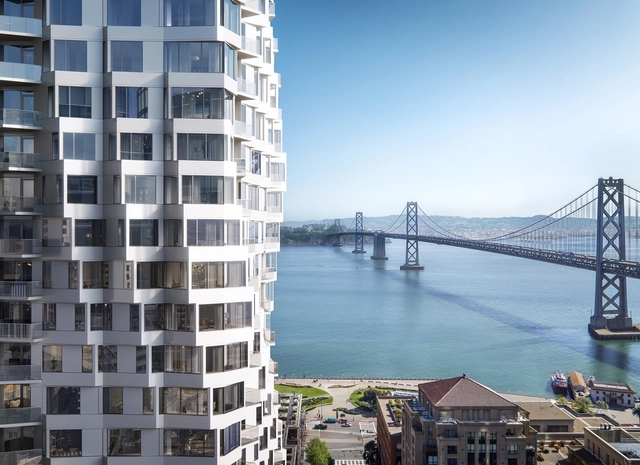
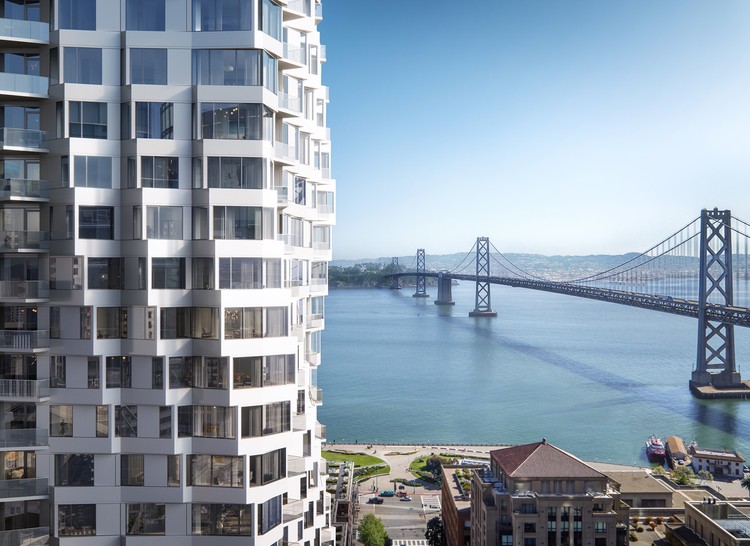
Studio Gang is celebrating a significant milestone with the topping out of their twisting high-rise MIRA tower in San Francisco. Construction of the 400-foot-tall tower began in mid-2017, with steady progression leading to projected occupancy in late 2019. The scheme's design is centered on the evolution of the bay window element, a feature common to San Francisco’s early houses. The bay window is reimagined in a high-rise context, twisting across the full height of the tower to offer views across the city.
Jeanne Gang, Founding Principal at Studio Gang, has been listed in TIME Magazine’s 2019 TIME 100. Gang is the only architect be included in this year’s list, which recognizes the activism, innovation, and achievements of the world’s most influential people.
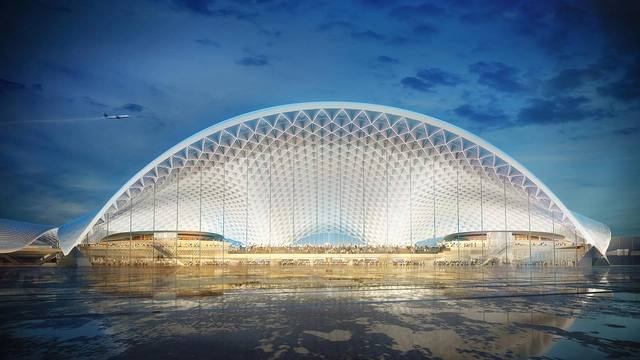
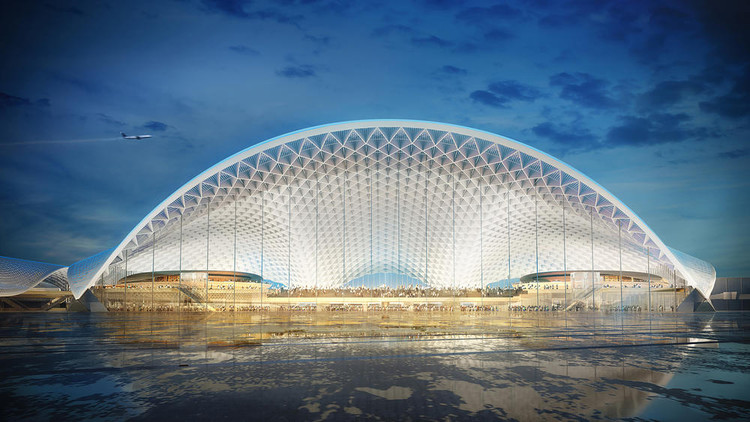
O'Hare Global Terminal and Concourse. Image Courtesy of Studio ORD
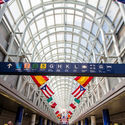
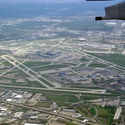
Studio Gang has been selected to lead the $8.5 billon O'Hare 21 International Airport expansion in Chicago. Chosen from a list of firms including BIG, Calatrava and SOM, the Studio Gang team is part of the Studio ORD partnership. They won the project for the Global Terminal and Concourse with three volumes converging in a central hub. Designed to celebrate Chicago’s history as a city shaped by lines of movement, the project represents O’Hare’s first major overhaul in 25 years.
Studio Gang has unveiled a design for the University of Chicago Center in Paris. The Center in Paris Project seeks to “create a new hub for scholarship and cultural exchange in Paris’ rapidly-developing 13th arrondissement” with an academic center and a mixed-use residential building.
The scheme is adorned with biodiverse green spaces and an architecture that physically and intellectually weaves the block into the existing urban fabric. To support a lively dialogue between the University and local communities, shared spaces have been carefully arranged to connect to the outdoors and encourage communication.
https://www.archdaily.com/912932/studio-gang-unveils-design-for-university-of-chicago-center-in-parisNiall Patrick Walsh
Studio Gang and SCAPE has unveiled further details of their plans to transform the Memphis waterfront with the new Tom Lee Park. One of five zones included in Studio Gang's six-mile masterplan for the riverfront, the park has been developed with input from over 4,000 people, including community groups, stakeholders, and local students from North and South Memphis.
The proposal for Tom Lee Park draws inspiration from the Mississippi River, “reimagined as a vibrant and dynamic civic space that fosters positive encounters and civic pride, restores natural ecology and conditions, and better connects the city to the river.” New architecture floating above the landscape is inspired by historic structures that once dotted the riverfront, such as terminal buildings, grain elevators, and barges.
Videos
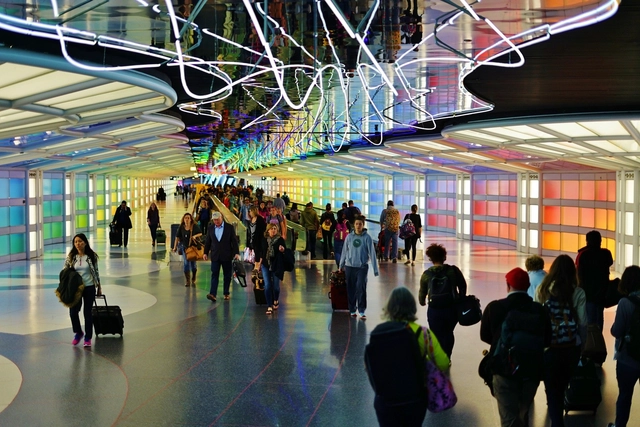
O'Hare International Airport expansion. Image Courtesy of Foster Epstein Moreno
Five design teams have been selected to present their ideas for the Chicago O'Hare Airport Global Terminal and Global Concourse expansion. The designs are on display at an exhibition opened by Mayor Rahm Emanuel at the Chicago Architecture Center. Teams include Fentress-EXP-Brook-Garza, Foster Epstein Moreno, Studio ORD, SOM and Santiago Calatrava. Known as O’Hare 21, the project represents O’Hare’s first major overhaul in 25 years.
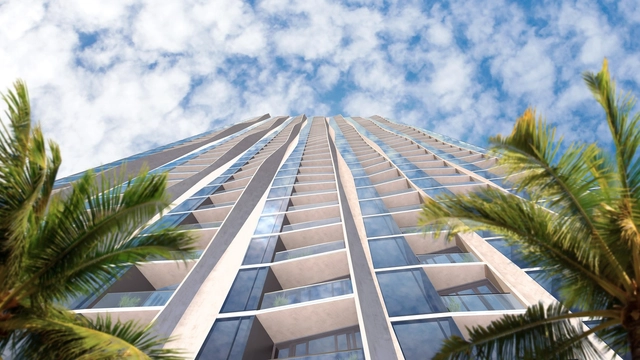
Kō‘ula. Image Courtesy of Howard Hughes Corporation
Studio Gang has revealed a new design for a 41-story tower in Hawaii that's inspired by the island’s native red sugar cane. Designed with a mix of ground floor retail and 565 residences above, the tower is called Kō‘ula. Embracing indoor-outdoor living and Hawaii's climate, the project is oriented to ocean views with vertical columns that bend and twist like sugar cane. The tower is part of a larger development underway in the Ward Village district on Oahu’s south shore.
Studio Gang, BIG, Calatrava and SOM are among twelve leading architecture teams vying to work on the Chicago O'Hare International Airport expansion. The city’s request for qualifications calls for demolishing O'Hare's Terminal 2 to replace it with a global concourse and terminal for both domestic and international flights from United and American Airlines. The city’s Department of Procurement Services estimates the total costs of the expansion process (from design through construction) will cost an approximate $8.7 billion. Known as O’Hare 21, the project represents O’Hare’s first major overhaul in 25 years.
Studio Gang 10-story Solar Carve Tower is nearing completion in New York’s Meatpacking District. Officially named 40 Tenth Avenue, the scheme responds to the Highline and surrounding site with a dramatic curtain wall and chiseled shape. Sculpted by the angles of the sun, 40 Tenth Avenue explores how shaping architecture in response to solar access and other site-specific criteria can expand its potential to have a positive impact on its environment.
Studio Gang has released images of their proposed high-rise MIRA residential scheme in the heart of San Francisco. Currently under construction, the 400-foot-tall tower will contain almost 400 residential units when completed, 40% of which will be below market rate.
The scheme's design is centered on the evolution of the bay window element, a feature common to San Francisco’s early houses. The bay window is reimagined in a high-rise context, twisting across the full height of the tower to offer views across the city.
Studio Gang founder Jeanne Gang has long been an advocate for change within the architecture field. Her studio's designs push boundaries all over the world, but Gang has recently used her firm to transform architectural practice in a different way—attacking the gender wage gap.
In a recent article from Fast Company, Gang writes about "discrimination and prejudice" throughout the US, but more specifically in the field of architecture.
Read on for more about how she closed the gender wage gap at her firm and is calling on other architecture firms to do the same.
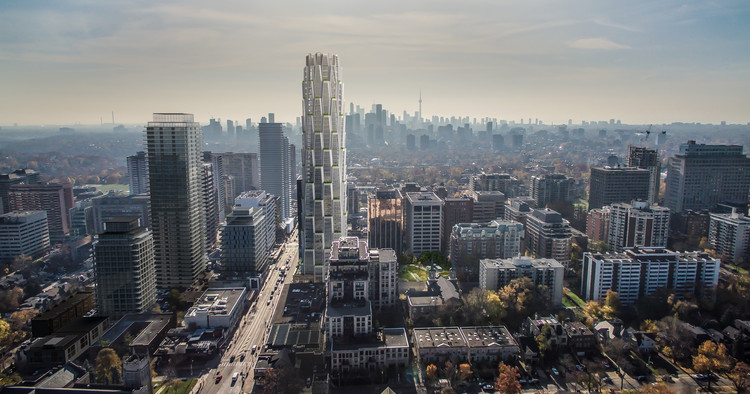
Studio Gang has released images of its first project in Canada, a mixed-use residential and retail tower at the southwest corner of Yonge and Delisle in Toronto. Intended as a “new model for sustainable urban growth,” One Delisle seeks to establish the Yonge and St. Clair district as a “vibrant, pedestrian-friendly neighborhood with thriving retail, welcoming open spaces, and world-class architecture.”
The scheme, which was designed in collaboration with WZMH Architects, is driven by a desire to integrate with the local urban context through adherence to existing grid patterns and retention of existing elements, and to provide extensive outdoor space at an important transit node in midtown Toronto.
https://www.archdaily.com/897743/studio-gangs-first-canadian-project-will-be-a-mixed-use-tower-in-torontoNiall Patrick Walsh
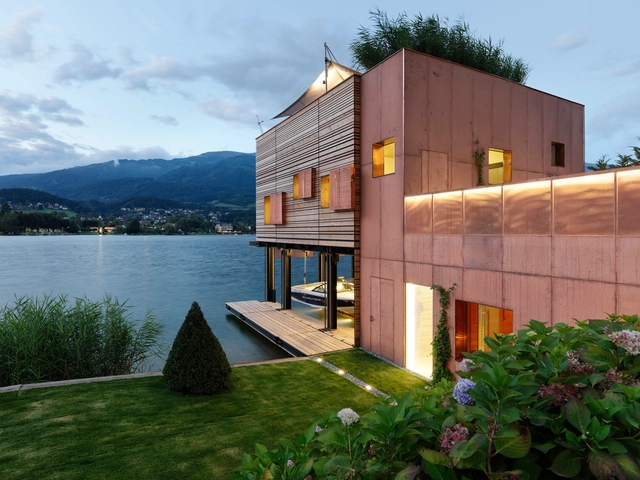
Whether lining a river bustling with rowing crews or sitting calmly at the edge of a lake, boathouses have a storied history and an inexplicable romance to match their unusual program. Designed for use as a training facility for elite rowers, a vacationer’s waterfront playground, shoreline retreat, or even as a historical preservation project, boathouses captivate the imagination as they transcend the limits of the land-form relationship on their site.
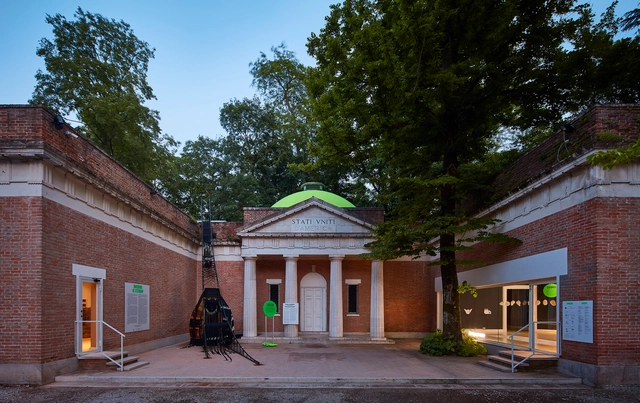
The pavilion representing the United States at this year’s biennale brings together the work of seven different transdisciplinary teams who each prepared an installation addressing the concept of citizenship at a different scale. Entitled Dimensions of Citizenship, the exhibition is intended to challenge the definition and conception of citizenship, examining issues and citing examples on the scale of the citizen, civitas, region, nation, globe, network and cosmos. The pavilion was commissioned on behalf of the US Department of State’s Bureau of Educational and Cultural Affairs by the School of the Art Institute of Chicago and the University of Chicago.





.jpg?1559736045 "© Jesse David Harris")
.jpg?1559736031 "© Tom Harris courtesy of Studio Gang")
.jpg?1559736059 "© Jesse David Harris")
_.jpg?1559736020 "© Tom Harris courtesy of Studio Gang")

_Jason_O'Rear_Courtesy_Studio_Gang-1.jpg?1556277122)
_Jason_O'Rear_Courtesy_Studio_Gang-5.jpg?1556277154 "© Jason O’Rear")

_Jason_O'Rear_Courtesy_Studio_Gang-2.jpg?1556277139 "© Jason O’Rear")
_Jason_O'Rear_Courtesy_Studio_Gang-1.jpg?1556277122 "© Jason O’Rear")
_Jason_O'Rear_Courtesy_Studio_Gang-5.jpg?1556277154)




_Paris_Render_with_ICADE_and_Studio_Gang.jpg?1552258488)
_Studio_Gang.jpg?1549281536&format=webp&width=640&height=580)
_Studio_Gang.jpg?1549280979 "A terraced, universally-accessible pathway flows down the bluff to connect downtown Memphis to the new Tom Lee Park from Beale Street. Wide steps provide a comfortable place to sit and take in the views of the revitalized park and the river beyond. Image © Studio Gang")
_Studio_Gang.jpg?1549281341 "Near the river’s edge, a central canopy floats above a set of Activity Courts, framing the river beyond and protecting the courts below that can be used for basketball and other sports, as well as events like concerts or weddings. Concessions, lockers, storage, and bathrooms are located nearby. Image © Studio Gang")
_Studio_Gang.jpg?1549281155 "Natural play areas, dynamic topography, rocky boulder outcroppings, and winding paths make the Tailout zone of Tom Lee Park a playtime paradise. An outdoor classroom, experimental garden, and other hands-on opportunities give kids a chance to connect with and learn about the unique ecology of the Mississippi River. Image © Studio Gang")
_Studio_Gang.jpg?1549280808 "A welcoming entry plaza greets visitors and orients them to a range of riverfront and park activities, from boat cruises to basketball. In the heart of the plaza, water features and bright swaths of native plants evoke the movement of the river and provide photo-worthy moments for all ages. Large open areas within the plaza can accommodate public gatherings, art installations, and festival tents. Image © Studio Gang")
_Studio_Gang.jpg?1549281536)