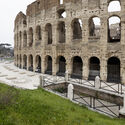
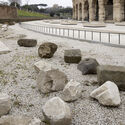
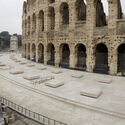
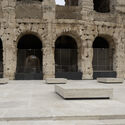
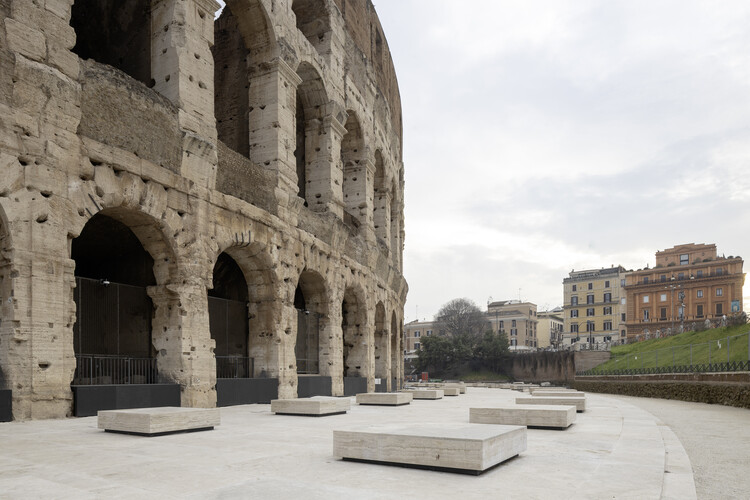
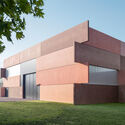
The southern ambulatory of the Colosseum in Rome has been restored through an intervention led by Stefano Boeri Interiors, a multidisciplinary studio founded by architects Stefano Boeri and Giorgio Donà, for the Parco Archeologico del Colosseo, focusing on the reconstruction of the crepidine and the repaving of missing sections to reinstate the monument's original ground levels and improve the legibility of its southern perimeter. The project builds on an archaeological investigation campaign that informed both the geometric definition of the intervention and its material articulation.
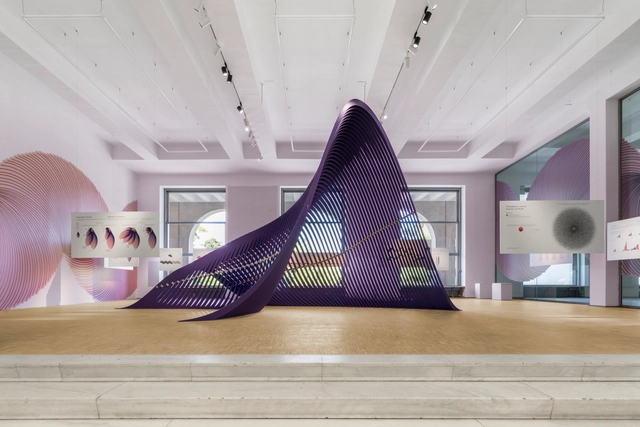
The 24th International Exhibition of Triennale Milano opened to the public on May 13, 2025, at the historic Palazzo dell'Arte. Running until November 9, this edition explores the theme of "Inequalities", continuing Triennale Milano's tradition of addressing urgent global issues through the lenses of art, architecture, and design. The exhibition is formed by two main sections: one that presents a curated selection of exhibitions and installations by individual artists and teams, and another that features international participations, including national pavilions and their contributions. At the opening ceremony on May 12th, the Bee Awards were presented to recognize selected contributions across the exhibition. From both the exhibitions and the international participations, the jury awarded one winner and one honorable mention each.
Milan, a global hub of fashion and finance, increasingly asserts itself as a leading center for architecture and design. Its status as Italy's second-largest city underpins its vibrant cultural scene, attracting both established and emerging creative talent. Additionally, Milan is home to esteemed educational institutions recognized for their focus on heritage preservation and conservation. Its cultural and design significance is increasingly pronounced, as a growing number of creators are relocating to establish their presence in this vibrant creative hub.
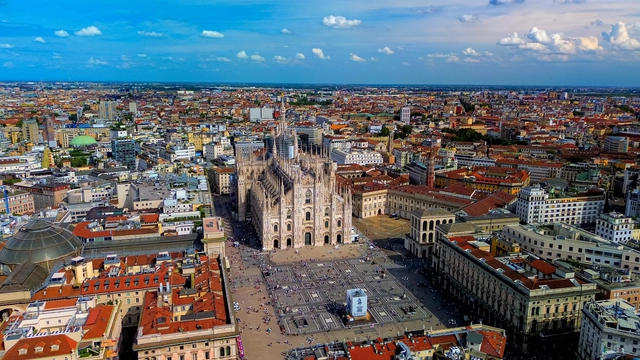
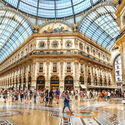
Among Milan's most iconic landmarks are the flamboyant gothic Duomo di Milano, and the historically and artistically significant Santa Maria delle Grazie, home to Leonardo da Vinci's masterpiece, and the ornate Galleria Vittorio Emanuele II, along with numerous renaissance and baroque sites. The city also boasts some of the most innovative modern and contemporary architecture, showcasing a unique dialogue between tradition and modernity. This synergy is exemplified by the contributions of architects like Aldo Rossi,Gio Ponti,Stefano Boeri, Mario Cucinella, Zaha Hadid, Grafton Architects, Herzog & de Meuron, and Foster and Partners.
The following guide highlights key historical landmarks alongside exemplary contemporary architecture curated by ArchDaily, complemented by Designboom's handpicked interiors and installations. This guide serves as an indispensable resource for those planning to explore Milan during the 2025 Design Week, presenting a blend of essential sites designed by renowned local and international architects.
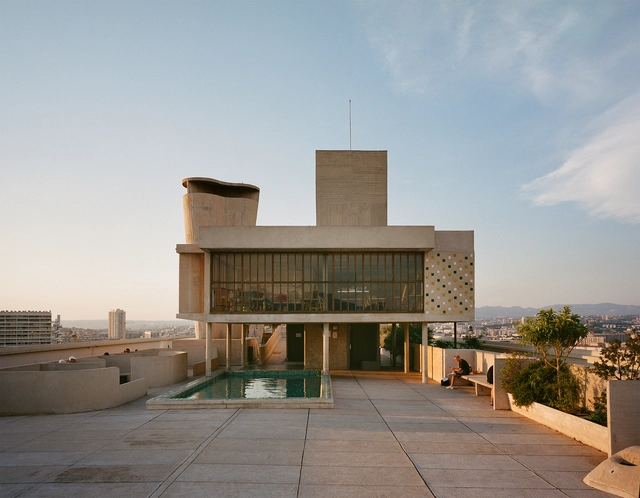
Modernism emerged in the early 20th century as a revolutionary movement that rejected historical styles, prioritizing functionality, innovation, and rationality. Grounded in the promise of industrial progress, architects like Walter Gropius, Le Corbusier, and Ludwig Mies van der Rohe championed using new materials and construction methods, striving for a universal architectural language. Their work introduced radical ideas: open floor plans, expansive glazing for natural light, and pilotis that elevated structures, symbolizing a new architectural era. However, alongside its groundbreaking ideas, modernism's relationship with sustainability has sparked ongoing debates.
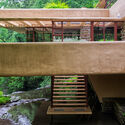
While modernist architects sought to address social and economic challenges through affordable housing and efficient design, their reliance on energy-intensive materials like concrete and steel created unintended environmental consequences. The large-scale industrialization celebrated by modernists often disregarded local climates and ecological systems, leading to inefficiencies. Yet, the principles of functionality and adaptability embedded in modernist architecture laid the groundwork for what we now recognize as sustainable practices. From Le Corbusier's rooftop gardens to Frank Lloyd Wright's integration of nature, the seeds of environmentally conscious design were undeniably present, albeit limited in their execution.
2025 promises to be a landmark in architecture, heralding a vibrant renaissance of creativity and exploration. As societies confront challenges such as climate change, rapid urbanization, and technological evolution, architecture is both a mirror to these dynamics and a compass pointing toward a sustainable and inclusive future. This year's architectural calendar offers abundant opportunities to celebrate the discipline's transformative power — from boundary-pushing festivals to thought-provoking exhibitions that explore pressing cultural and environmental narratives.
From well-established biennials to inaugural gatherings, including the World Architecture Festival 2025, Desert X Al Ula, and the COP Climate Conference, the 2025 calendar highlights themes such as sustainability, heritage, and community. These events underscore architecture's unique ability to shape a better future, addressing global challenges while honoring cultural diversity and design ingenuity.
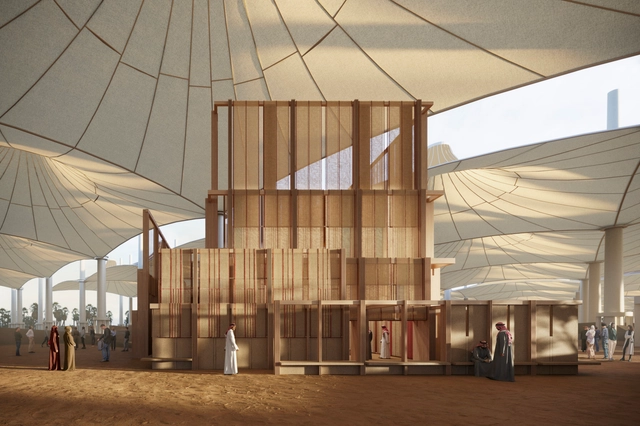
Pavilions offer architects a unique opportunity to experiment, serving as compact spaces that push the boundaries of design and spatial concepts. Free from many conventional functional constraints, these structures allow for artistic expression and the testing of new technologies. Pavilions often act as living laboratories of architecture, positioned in public or cultural contexts. They transform their surroundings into interactive, memorable experiences, providing a stage for architects to showcase their most innovative ideas. In recent years, climate responsiveness has emerged as a crucial focus in pavilion design. By using temporary structures as a testing ground for more sustainable practices, architects can experiment with alternative materials and environmentally conscious approaches that address the climate crisis.
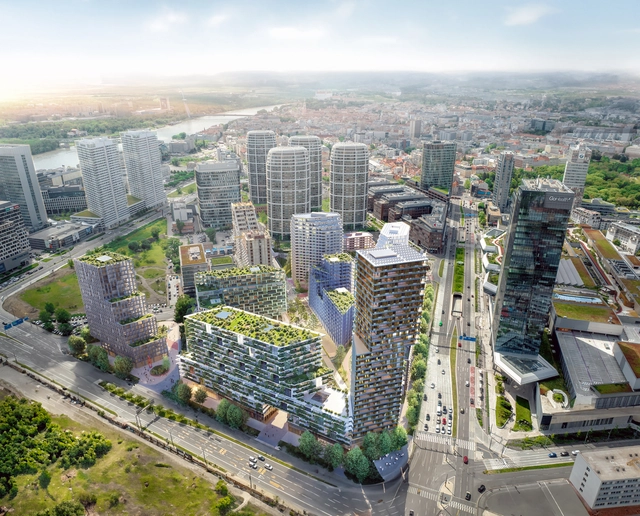
Stefano Boeri Architetti has been declared the winner of the international competition for the redevelopment of a former industrial site in downtown Bratislava. The project includes the transformation of one of the largest abandoned areas in the Slovak capital, with the aim of creating an active new central hub for the city, complete with parks and public spaces, residential units, and a variety of amenities. Stefano Boeri Architetti’s master plan proposal, titled “Urban Oasis,” has been appreciated by the jury for integrating familiar typologies, creating a “European matrix” of medium-density developments organized around accessible public spaces.
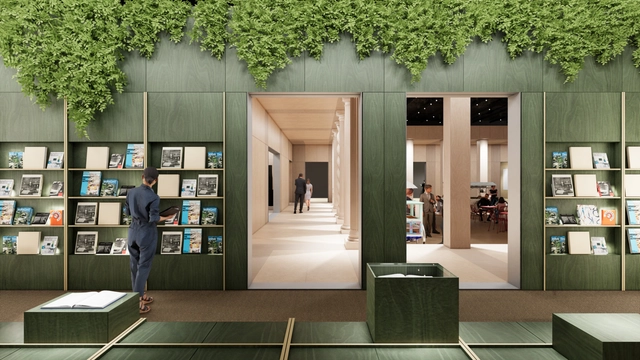
Stefano Boeri has designed a cultural square at the heart of the Italian pavilion for the 76th edition of the Frankfurt Book Fair. With Italy returning as Guest of Honor after 36 years, the book fair is the largest and most significant event in the publishing world and will be held from October 16-20, 2024. The Italian pavilion, designed by Stefano Boeri, seeks to celebrate Italian cultural heritage and publishing, aligning with the theme “Roots in the Future.”
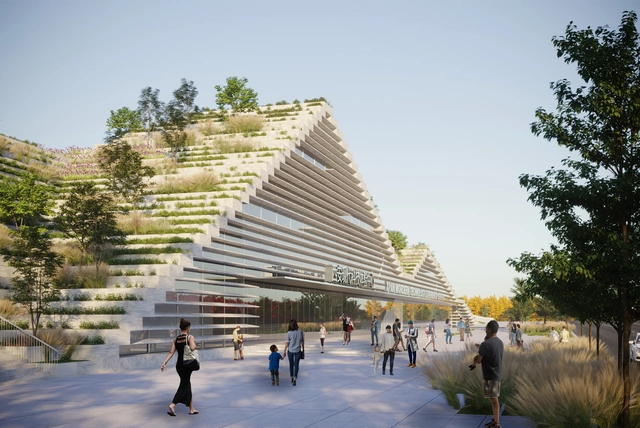
The satellite practice of Stefano Boeri Architetti in China has won the tender for the Culture CBD Modern Technology Experience Centre in Xi'an, the capital of the Chinese province of Shaanxi. The new technology-focused museum is set to become a hub for scientific and cultural exchange. The winning project takes inspiration from the area's natural landscape, characterized by a tortuous system of rivers and mountains, as well as the culture of the ancient city of Xi’an.
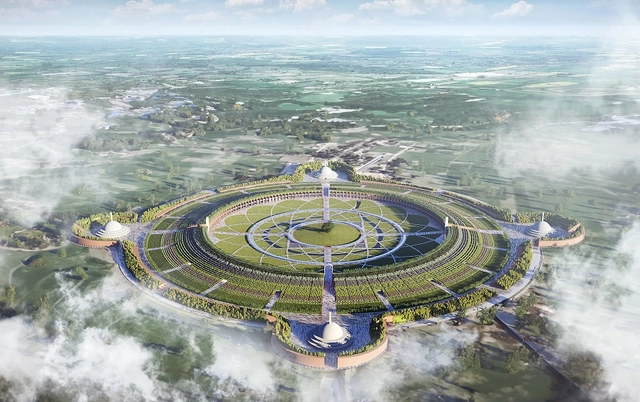
Stefano Boeri Architetti has revealed the designs for the Ramagrama Stupa in Nepal, a master plan intended to enrich this sacred Buddhist location. The proposal features a Biodiversity “Ring Garden” and a Peace Meadow, which encircles the revered Bodhi tree. Situated in Nepal’s Parasi district, the Ramagrama municipality holds immense cultural and religious significance, sheltering a preserved portion of Buddha’s relics.
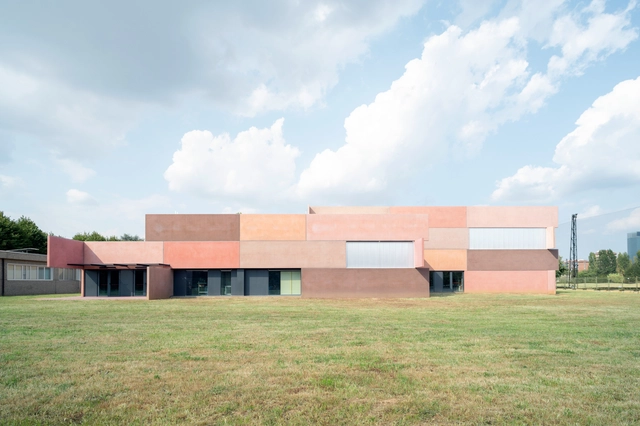
Architecture studio ELASTICOFarm, led by Stefano Pujatti, has been awarded the Premio Italiano di Architettura (Italian Architecture Prize), promoted by the Triennale di Milano and MAXXI. The award, now in its fourth edition, is received in recognition of their S-LAB project, a new building in Turin, Italy, for the Istituto Nazionale di Fisica Nucleare (INFN). The prize highlights works of architecture with high design quality and an attentive approach to innovation and the social role of architecture.
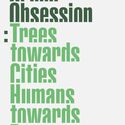
The “Green Obsession” campaign launched by Stefano Boeri Architetti has been declared the winner of the SDG Action Awards, the most important recognition of projects that support the United Nation’s 17 Sustainable Development Goals. As part of the SDG Action Campaign, the United Nations set out to reward initiatives that “mobilize, inspire and connect communities in order to promote positive change.” The winning initiative aims to help improve the relationship between nature and design by implementing the principles of urban forestation. Green Obsession represents a series of conferences, public programs and a book, “Green Obsession: Trees Towards Cities, Humans Towards Forests”, published in 2021 and supported by the Graham Foundation.
Health Through Water / GROHE SPA. Image Courtesy of GROHE SPA
Milan Design Week represents one of the biggest annual design events in the world, bringing together Salone del Mobile.Milan, the largest furniture and design trade fair worldwide, and Furiosalone, along with many other exhibitions, product launches, conferences, and design-related events. This year’s edition, held between April 17th, 2023 and April 21st, 2023, brought together architects, designers, manufacturers and enthusiasts, both Italian and international. Many architectural offices contributed by collaborating with various brands to develop architect-designed products and to create architectural installations to highlight not only furniture and object design but also the larger context of Milanese architecture and culture.
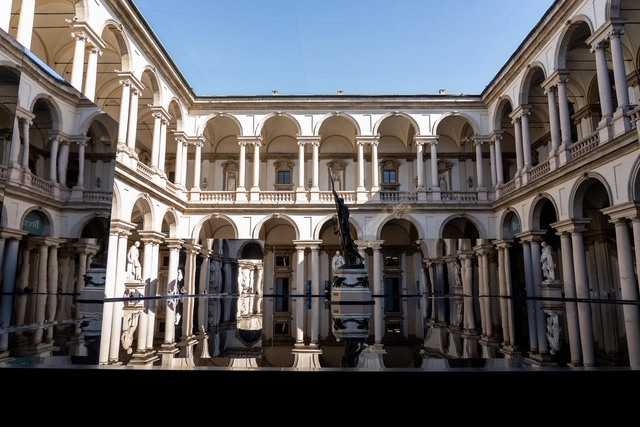
Featuring designs from internationally recognized architecture offices such as OMA, MAD Architects, Stefano Boeri Interiors and CRA-Carlo Ratti Associati, the following selection showcases temporary interventions in both historical and contemporary contexts. The designs present several recurring themes, such as the interest and fascination with the properties of water, be it contained within man-made structures or in its natural state. Many of the participating companies chose to showcase not only their products but also the historical architecture of Milan, by using buildings such as Pinacoteca di Brera, Casa Maveri, or the deconsecrated church of San Vittore e 40 Martiri as a backdrop for their installations.
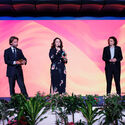
Stefano Boeri has been awarded the Lifetime Achievement Award at the sixth edition of the Madrid Design Festival. According to the organizers, this recognition pays homage to a “great figure in design”. It acknowledges the significance of his contributions to the disciplines of architecture and urban planning, as well as publishing and academia. The award ceremony, held at the Institución Libre de Enseñanza (ILE), was conferred by the architect Rafael Moneo, who personally handed the award to Stefano Boeri.
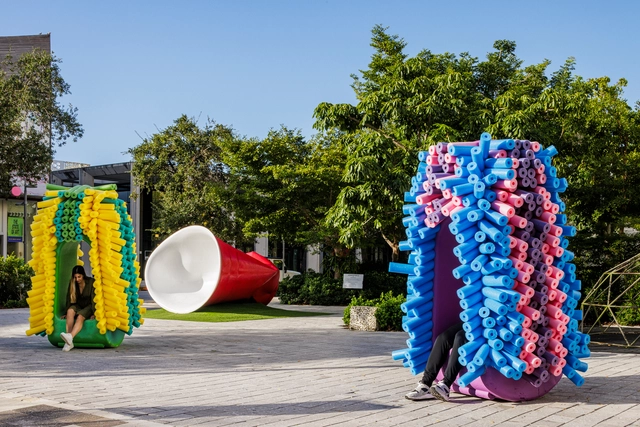
Rock | Roll by Germane Barnes. Image Courtesy of Miami Design District
Distinguished for its quality, depth, and diversity, Design Miami 2022 has concluded, giving worldwide collectors and locals the best in contemporary and emerging art and design. Kicking off at the end of November and running through the first week of December, this event ran alongside the annual Art Basel Miami Beach. The ultimate international art fair ranged from interactive installations to art exhibitions by promising up-and-comers to 20th-century masterworks, including Daniel Arsham and Andrés Reisinger, and Stefano Boeri. Also during this event, MetaMundo has presented their Top 50 Creators of the Metaverse - a hand-picked collection of some of the world’s best 3D artists.
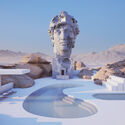
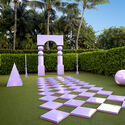
For this edition, The Miami Design District has awarded Miami-based architect and designer Germane Barnes and commissioned a multifaceted installation that honors the city's polyethnic culture. Along with other relevant architectural installations during the Miami Art Week, the following selection includes work by Leandro Erlich at Perez Art Museum Miami and Pilar Zeta.
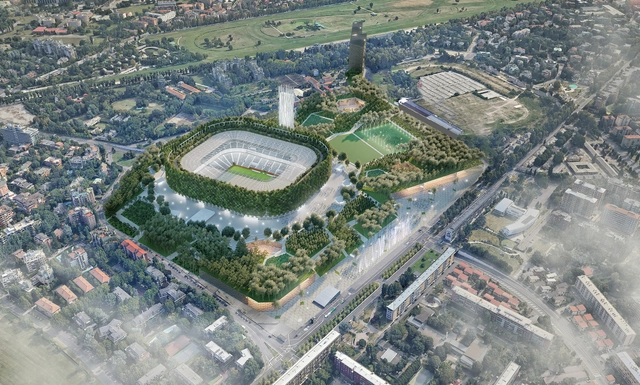
Stefano Boeri Architetti, together with a multidisciplinary team including ARUP, Fabio Novembre, and Balich Wonder Studio, has unveiled the design for the new Milan Stadium, named the International Forest Stadium. The project, located in the San Siro area of the city, was presented to the public on the occasion of the competition announced in 2019 by the Inter and Milan teams. The stadium is envisioned as an integral part of the “Sport and leisure district” system, an extensive masterplan measuring over 800 hectares, planned to transform the San Siro district into a center for excellence in the context of European sports.
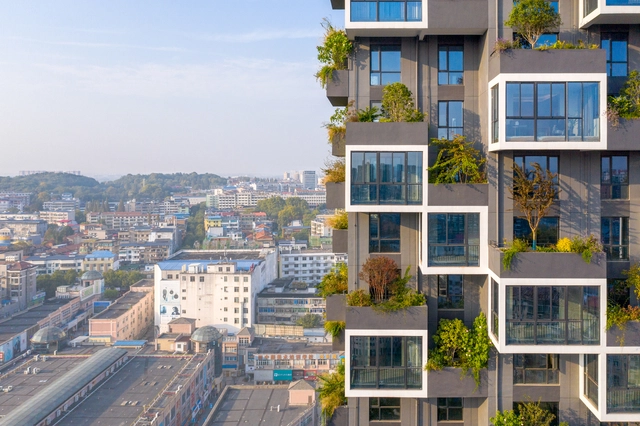
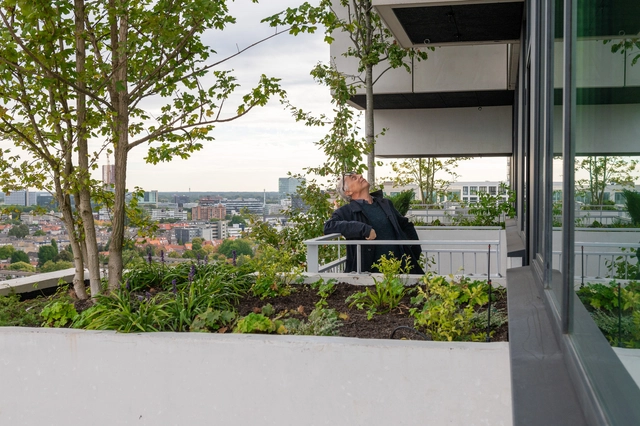
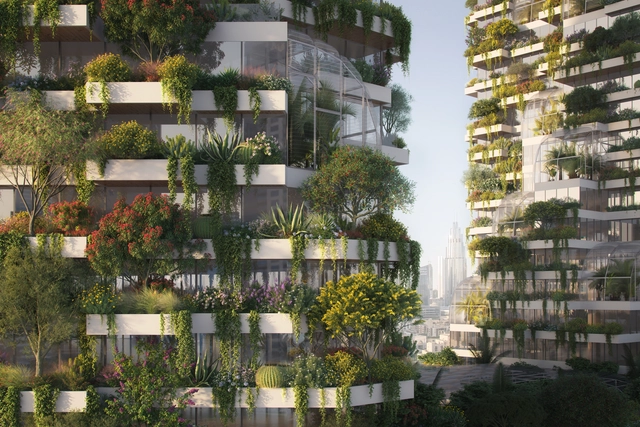
Stefano Boeri Architetti presented a new design for the Vertical Forest towers during COP27 in Sharm El-Sheikh, Egypt. The prototype would be in Dubai, the most populous city in the United Arab Emirates (UAE), and the next host of COP28 in 2023. The ambitious project would represent the first Vertical Forest prototype for the MENA (Middle East and North Africa), and it is the latest in an extended list of greenery-covered buildings by Boeri Architetti, including the Bosco Verticale in Milan, the Easyhome Huanggang in China, and a prototype of the First Dutch Vertical Forest.
While the United Nations has been continuously urging architects, engineers, and city shapers to put the 2030 agenda and the SDGs into action, and the IPCC report revealed intensifying climate change, sparking widespread discussion over insufficient action, the 83rd ongoing session of The United Nations Economic Commission for Europe - UNECE Committee on Urban Development, Housing and Land Management taking place in San Marino, has just issued a special declaration on “how to build better, safer, more inclusive, and resilient" cities, ahead of COP27. This set of “Principles for Sustainable and Inclusive Urban Design and Architecture”, or the San Marino declaration has gathered the signatures of Norman Foster and Stefano Boeri.