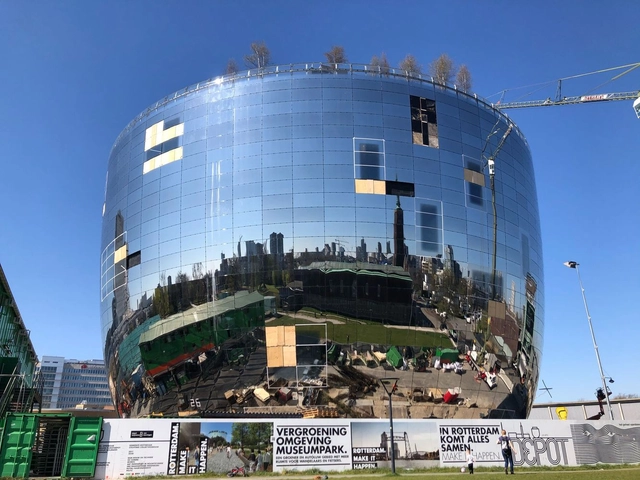
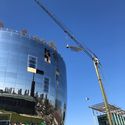
The public art depot for the Museum Boijmans van Beuningen, designed by MVRDV is nearing completion in Rotterdam. Scheduled for opening in September 2021, recent images showcase the installation of the first of 75 trees on the roof garden.
The public art depot for the Museum Boijmans van Beuningen, designed by MVRDV is nearing completion in Rotterdam. Scheduled for opening in September 2021, recent images showcase the installation of the first of 75 trees on the roof garden.
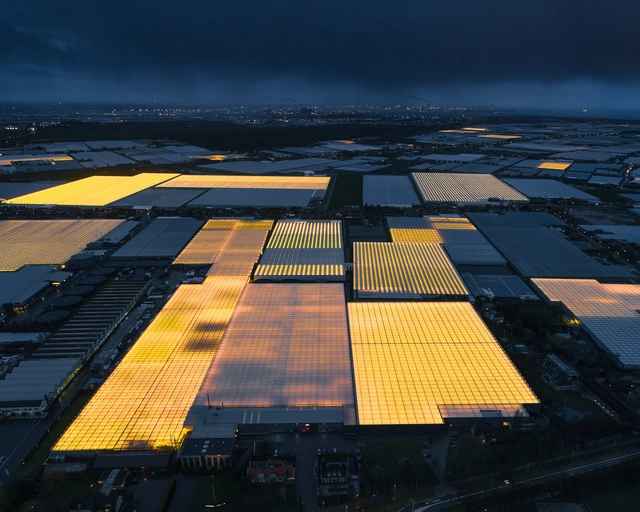
The Netherlands is the world’s second-biggest exporter of agricultural products. This is remarkable when one considers that the only country which tops the Netherlands, the United States, is 237 times bigger in land area. Nevertheless, the Netherlands exported almost $100 billion in agricultural goods in 2017 alone, as well as $10 billion in agriculture-related products. The secret to the Netherlands’ success lies in the use of architectural innovation to reimagine what an agricultural landscape can look like.
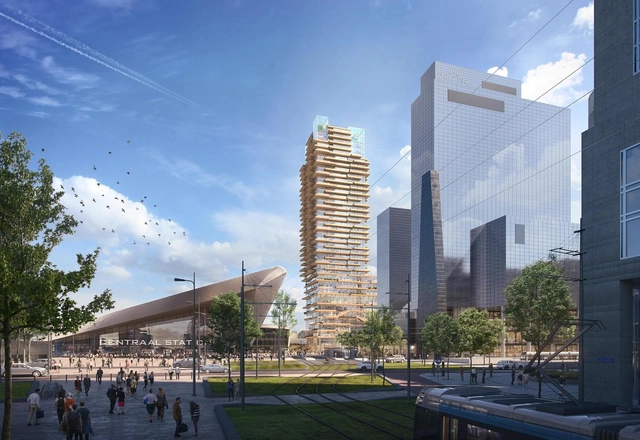
PLP Architecture and developer Provast have unveiled a new timber and concrete tower for Rotterdam. The project, dubbed “Tree House,” was designed to create an open and sustainable environment for residents and visitors in the city center. Rising 140-meters, the 37-story building will be sited next to the Central Station as the tallest hybrid structure in the country.
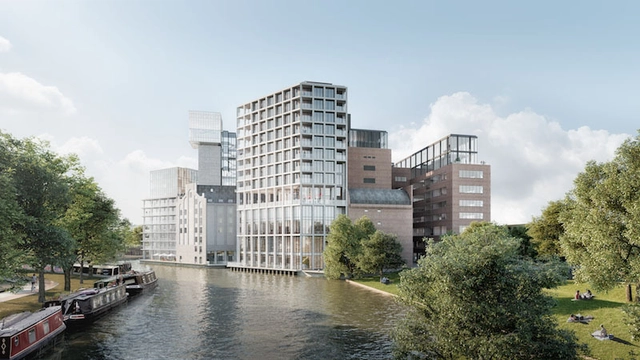
Part of a bigger vision and a master plan by Peter Zumthor, Studio Akkerhuis’ new 55.000 square meter project in Leiden’s 19th-century flour mill complex is under construction. With a landscape by Piet Oudolf and Lola, the development that recently won the "Future Project - Commercial Mixed Use” at WAF, will include shops, galleries, apartments, workspaces, a hotel, and a spa.
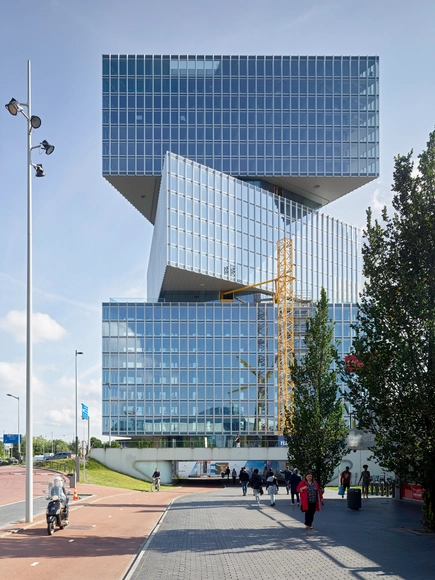
OMA have completed their construction works on their latest addition to the Dutch Skyline. The building composed of stacked three shifted triangular volumes will host the Nhow Amsterdam RAI Hotel, expected to become the largest hotel of the Benelux union once inaugurated.
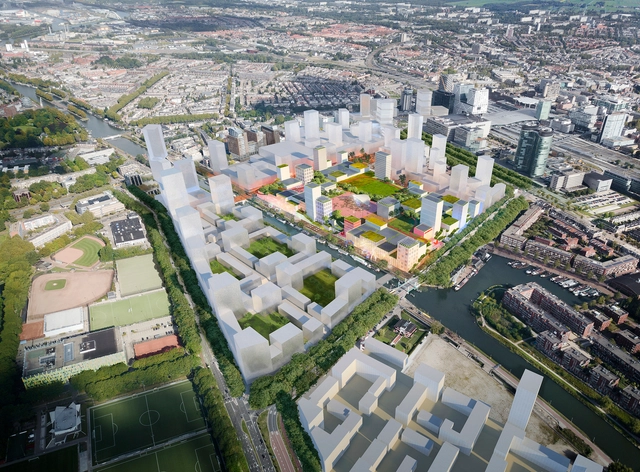
MVRDV and Jaarbeurs have designed a new master plan and green roof for Utrecht’s exhibition, event, and conference center in the Netherlands. MVRDV founding partner Winy Maas described the project's goal as creating “a garden in the city.” The new Jaarbeurs is designed to be a sustainable building that opens in all directions, and an accessible green roof will descend to ground level via cascading terraces.
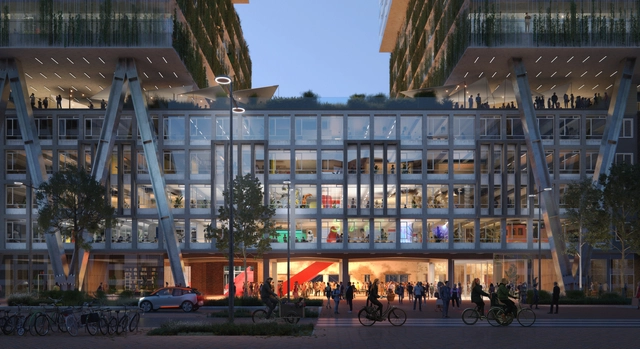
In collaboration with Being development, OMA has won a competition to redevelop Van der Meulen-Ansemsterrein (VDMA) in central Eindhoven, in the Netherlands. The central site will be rehabilitated into “a vibrant urban hub with housing, offices, and public spaces.”

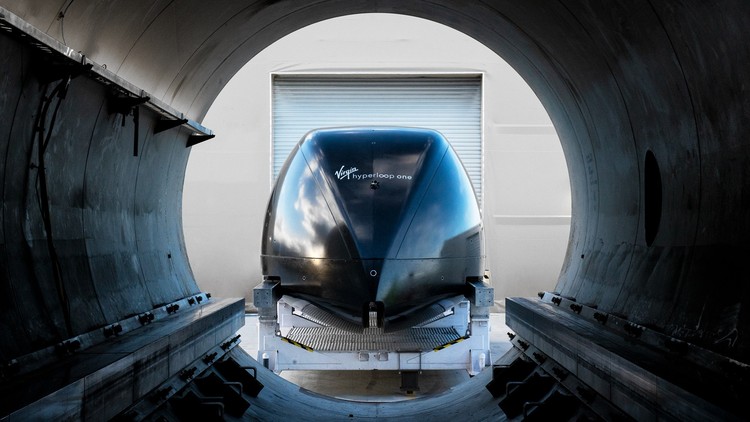
Between advances in autonomous technology and urban population growth, transit is being reimagined on the street and in the air. From public transit transforming to more user-centric mobility services, to rethinking regulatory and organizational status quos, advances in technology are expanding transit opportunities in cities around the world.
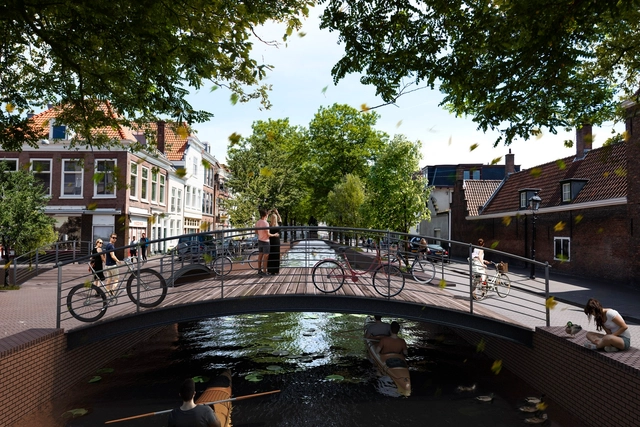
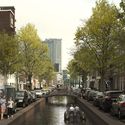
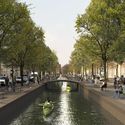
MVRDV has designed with local neighborhood organizations, a proposal to regenerate the canals of the city of The Hague, in the Netherlands. Filled-in during the 20th century, the canals will be reopened in order to revive the historic center and improve the city on the sustainable, economical and infrastructural levels.
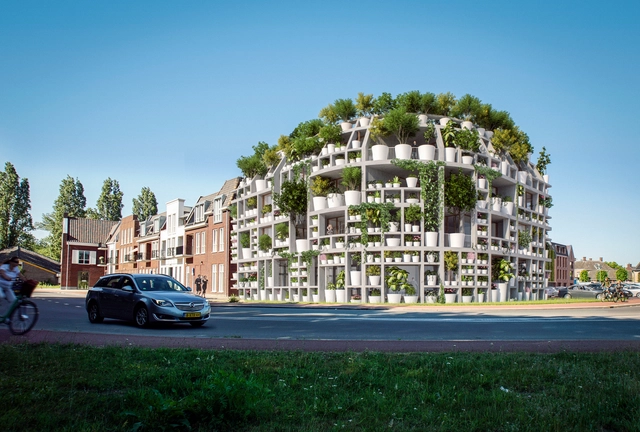
MVRDV has designed an office and residential building on a corner lot next to the Dommel river in the Dutch village of Sint-Michielsgestel. Made with a facade that takes the form of potted plants, the project uses a gridded “rack” system to cover the building’s entire exterior in a variety of plants. Designed with MVRDV’s co-architect, Van Boven Architecten, the team wanted to create a landmark project for the village while also being socially conscious and environmentally progressive.
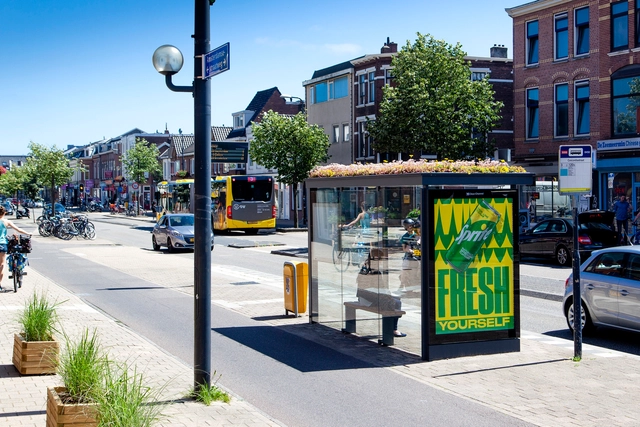
The City of Utrecht Council, in collaboration with advertising agency Clear Channel, has transformed 316 bus stops across the city into “bee stops.” The adaption involved installing green roofs onto the bus stops, creating bee-friendly spaces for the endangered species.
OVERVIEW
The definition of crime is culturally subjective. This subjectivity used to help us define law and punishment in a more rational manner in the past. Today, this subjectivity placed against pacing time and increasing globalization is not easy to rationalize anymore.
We see this in many walks of life where assets like gold which used to be the driving force of an economy. Where trade and even countries were valued based on how much gold reserves they had in the past. In today’s context, trade depends on technology and the currency here is information. The millions of gigabytes of data that flow over the internet fuels the economy today. Where stealing gold is deemed a crime and is identified by everyone as a crime. But when it comes to information, all the applications, internet service providers, devices like Alexa and corporations are running on this data.
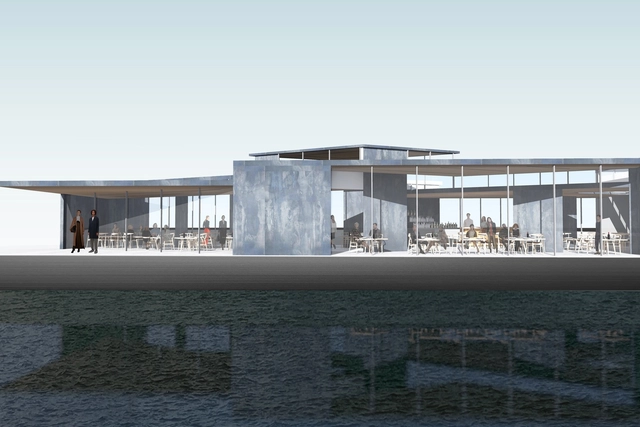
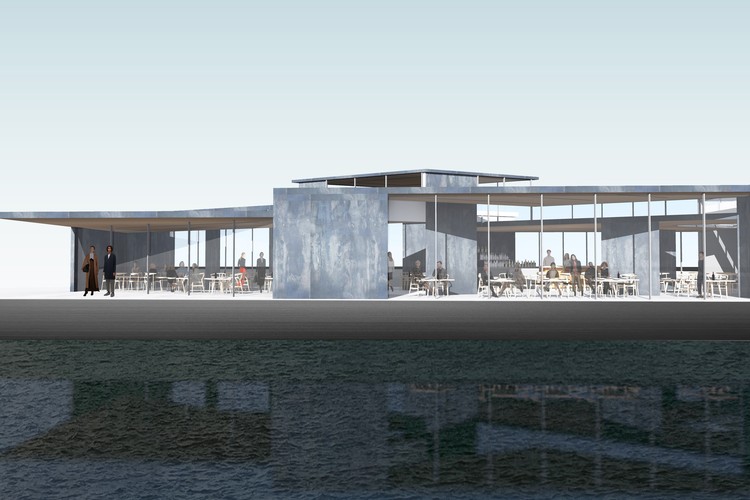
Architecture practice zU-Studio has created a proposal for a floating pavilion in Amsterdam's historic shipyard. Designed atop an old Dortmunder Ship, the project was made to be a sculptural object that creates connections between cultures. The structure is inspired by Richard Serra´s sculpture in Museumplein in Amsterdam. The pavilion aims to create a unique Dutch floating experience that brings art and history together.
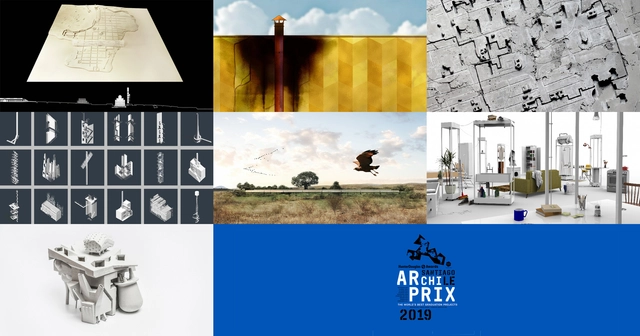
321 graduation projects designed by 407 young architects, landscape architects and urban designers were submitted for the 2019 Archiprix International / Hunter Douglas Awards. Among 22 finalists announced in December 2018, an international jury selected 7 winning projects which spotlight international trends in architecture, urban design and landscape architecture.
_Vienna_Tourist_Board_Christian_Stemper.jpg?1554392750&format=webp&width=640&height=580)
For ten consecutive years, Vienna ranks first in the Mercer survey on cities with the best quality of life in the world. In this edition to the global ranking, eight Western European cities join the top ten, even when "trade tensions and populist undercurrents continue to dominate the global economic climate", as Mercer points out in its report.
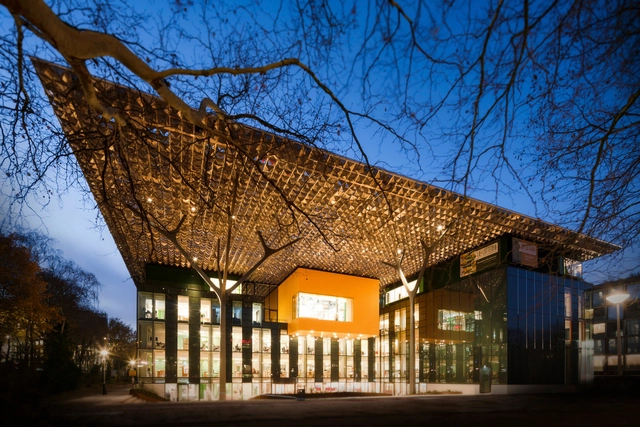
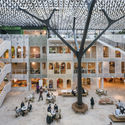
Dutch firm Benthem Crouwel Architects have transformed an office building in Amsterdam into the most sustainable renovated property in the Netherlands. Now the new head office for the Dutch Charity Lotteries, the building received BREEAM Outstanding rating for its sustainable design. The adaptive reuse features a series of slender, tree-shaped columns that support an iconic roof with nearly 7,000 polished aluminum leaves.


_KCAP_and_WAX.jpg?1552566646&format=webp&width=640&height=580)
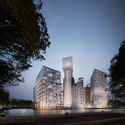
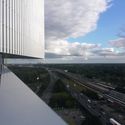
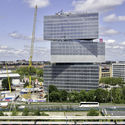
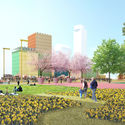
KCAP has released images of their proposed HS Kwartier urban vision for The Hague in the Netherlands. As cities such as The Hague face the challenge of providing more inner-city housing, former industrial and port areas are increasingly being reimagined as attractive areas for living and working. KCAP’s HS Kwartier scheme, situated in the post-industrial Laakhavens region, seeks to “give an impulse to both the environment around Hollands Spoor station and the connections with the center of The Hague."
Under KCAP’s urban vision, the area around the Hollands Spoor station will be characterized by excellent accessibility and a mix of various functions. A mixed-use urban program of 245,000 square meters will include large amounts of housing, offices, education, student housing, hotels, culture, restaurants, and retail.
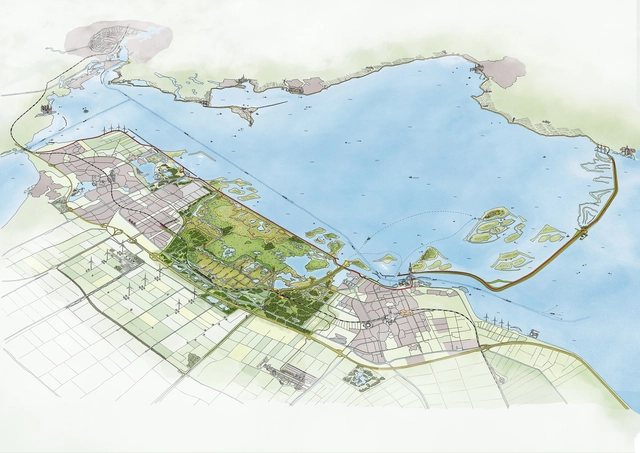
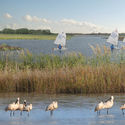
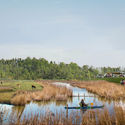
Dutch design practice Mecanoo has created a masterplan for the world's largest man-made nature park at Nieuw Land in the Netherlands. Last month, the Provincial Government approved the plan with an overwhelming majority. The National Park is located near the metropolitan region of Amsterdam and covers over 29,000 hectares. The new masterplan integrates four nature reserves to secure and protect the future of the National Park.
















_KCAP_and_WAX.jpg?1552566646 "© KCAP and WAX")
_KCAP_and_WAX.jpg?1552566575 "© KCAP and WAX")
_KCAP_and_WAX.jpg?1552566720 "© KCAP and WAX")
_KCAP_and_WAX.jpg?1552566559 "© KCAP and WAX")
_KCAP_and_WAX.jpg?1552566646)