
-
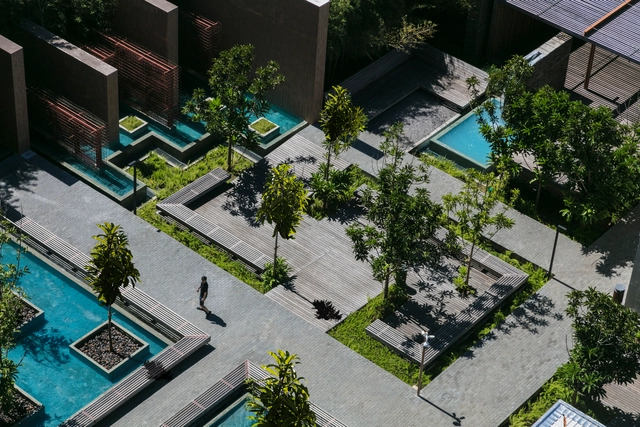
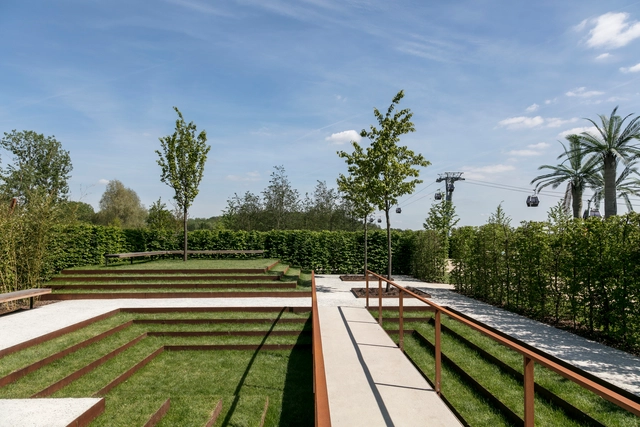
Landscape Architects: Hanazaki Paisagismo
- Area: 4500 m²
- Year: 2017



Last week, we asked our social media followers, "What does public architecture mean to you?" These thoughts are intrinsic to the architectural debate and come into play in various types of projects, especially in those related to the planning of common-use spaces in cities.
.jpg?1549309617&format=webp&width=640&height=580)
How do designers think? How do they visually communicate complex ideas? What strategies do they employ to make a positive impact on the built environment? How does design change the way people see and experience the world?
YACademy launches the second edition of Architecture for Landscape, a high-level training course offering 8 scholarships and internships in internationally-renowned architectural firms.
101 hours of lessons, a 32-hour workshop and internships/lectures held by internationally-renowned architectural firms like Stefano Boeri Architetti, Snøhetta, Hhf Architects, Rodrigo Duque Motta, Jean Nouvel Design, Rintala Eggerston, and Jensen & Skodvin.
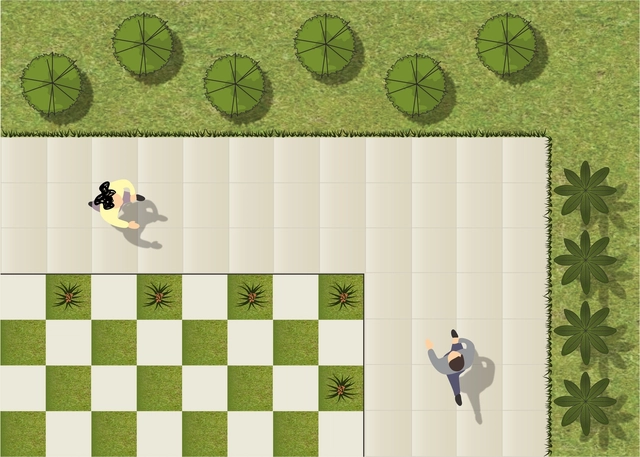
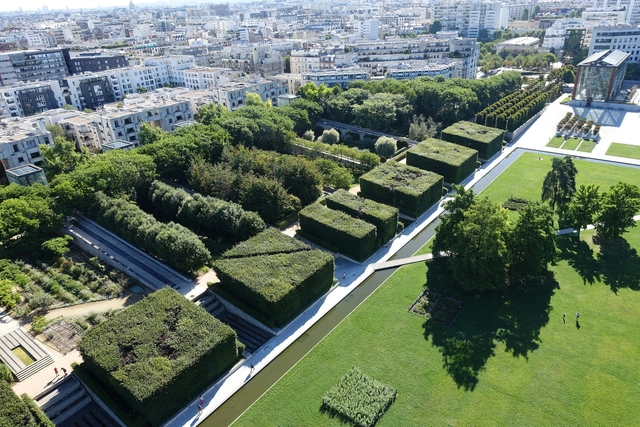
Just like the architectural elements that make up built space - floor, walls and ceilings - natural elements are also capable of creating spaces in large-, medium- and small-scale areas, in places like public and residential gardens.
According to Brazilian landscape architect Benedito Abbud, "Landscaping is the only artistic expression in which the five senses of the human being participate. While architecture, painting, sculpture and other visual arts use and abuse only the vision, landscaping also involves smell, hearing, taste and touch, providing a rich sensory experience by adding the most diverse and complete perceptual experiences. The more a garden can sharpen all the senses, the better it fulfills its role. " [1]
Below we list some of the key elements of landscape planning and design. See the principles and learn why you should never randomize the placement trees!
Open Call for Proposals
Artists, (environmental) Architects, Designers & Makers
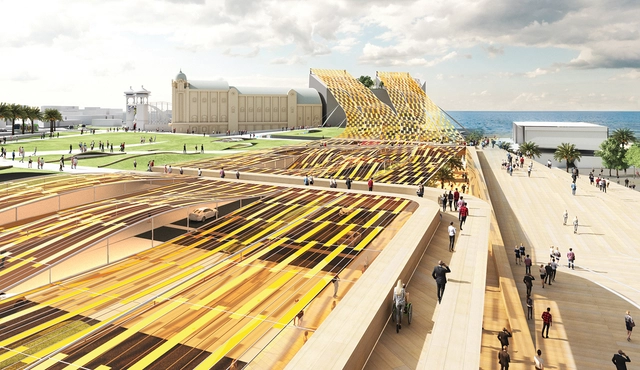
The LAGI 2019 competition offers designers and creatives the opportunity to re-imagine energy infrastructure and demonstrate the beauty of a 100% renewable world.
_Studio_Gang.jpg?1549281536&format=webp&width=640&height=580)
Studio Gang and SCAPE has unveiled further details of their plans to transform the Memphis waterfront with the new Tom Lee Park. One of five zones included in Studio Gang's six-mile masterplan for the riverfront, the park has been developed with input from over 4,000 people, including community groups, stakeholders, and local students from North and South Memphis.
The proposal for Tom Lee Park draws inspiration from the Mississippi River, “reimagined as a vibrant and dynamic civic space that fosters positive encounters and civic pride, restores natural ecology and conditions, and better connects the city to the river.” New architecture floating above the landscape is inspired by historic structures that once dotted the riverfront, such as terminal buildings, grain elevators, and barges.
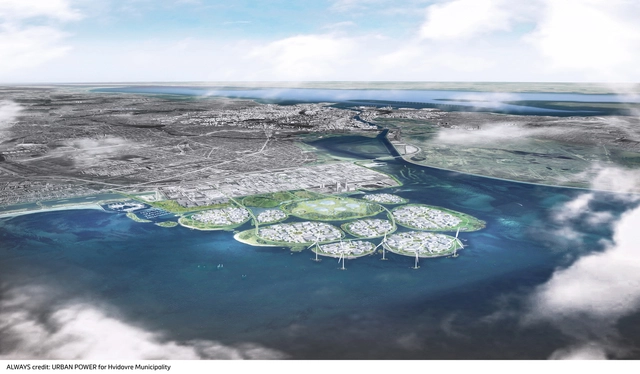
As the world population grows, designers look to develop the seas. Architecture and planning firm, URBAN POWER strategically designed nine man-made islands off the southern coast of Copenhagen to combat many of the city’s impending challenges. The islets, called Holmene, address demands for tech space, fossil-free energy production, flood barriers, and even public recreation space.
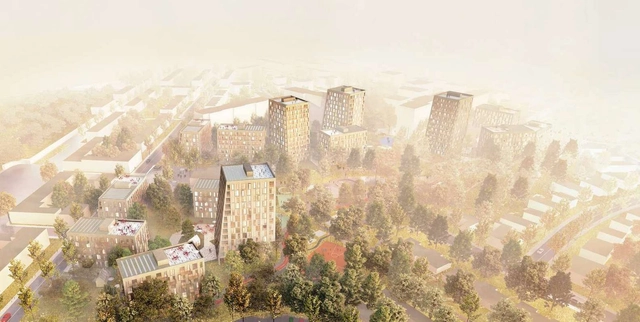
C.F. Møller Architects and BRUT have won a competition for the design of an ambitious urban development in Ostend, Belgium. The neighborhood of 500 houses demonstrates a method of using a human scale to improve the quality of life the residents and the urban realm.
The project centers on the De Nieuwe Stad quarter, where an existing social housing scheme from 1972 has become outdated. The competition for the site’s complete redevelopment attracted 54 firms, from which C.F. Møller Architects and BRUT.
In Louisiana Channel's latest video, an interview featuring Norwegian architect Reiulf Ramstad takes place in the city of Molde as part of the Utzon Center exhibition 'In the World of an Architect – Reiulf Ramstad Architects.' An interdisciplinary collaboration of architecture, landscape, and design, the firm has done several large-scale civic works to smaller projects along tourist routes amongst other commercial and recreational buildings.




![[TRANS-] topia 2019 :: journal call for submissions - Featured Image](https://snoopy.archdaily.com/images/archdaily/media/images/5c65/646c/284d/d176/a900/0407/slideshow/open-uri20190214-19344-17ny7ws.jpg?1550148698&format=webp&width=640&height=580)
_Studio_Gang.jpg?1549280979 "A terraced, universally-accessible pathway flows down the bluff to connect downtown Memphis to the new Tom Lee Park from Beale Street. Wide steps provide a comfortable place to sit and take in the views of the revitalized park and the river beyond. Image © Studio Gang")
_Studio_Gang.jpg?1549281341 "Near the river’s edge, a central canopy floats above a set of Activity Courts, framing the river beyond and protecting the courts below that can be used for basketball and other sports, as well as events like concerts or weddings. Concessions, lockers, storage, and bathrooms are located nearby. Image © Studio Gang")
_Studio_Gang.jpg?1549281155 "Natural play areas, dynamic topography, rocky boulder outcroppings, and winding paths make the Tailout zone of Tom Lee Park a playtime paradise. An outdoor classroom, experimental garden, and other hands-on opportunities give kids a chance to connect with and learn about the unique ecology of the Mississippi River. Image © Studio Gang")
_Studio_Gang.jpg?1549280808 "A welcoming entry plaza greets visitors and orients them to a range of riverfront and park activities, from boat cruises to basketball. In the heart of the plaza, water features and bright swaths of native plants evoke the movement of the river and provide photo-worthy moments for all ages. Large open areas within the plaza can accommodate public gatherings, art installations, and festival tents. Image © Studio Gang")
_Studio_Gang.jpg?1549281536)


.jpg?1543364296 "Trollstigen Visitor Center / RRA")