.jpg?1525297152&format=webp&width=640&height=580)
International master planning and architecture specialists, Benoy won the bid for Shanghai's 367,000 square meters Yuqiao Science Innovation Centre. This technological hub will work towards Shanghai's goal to be a world-class city by 2040.


International master planning and architecture specialists, Benoy won the bid for Shanghai's 367,000 square meters Yuqiao Science Innovation Centre. This technological hub will work towards Shanghai's goal to be a world-class city by 2040.
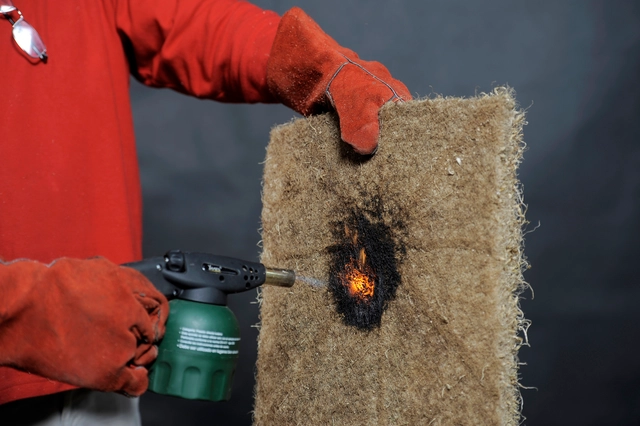
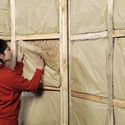
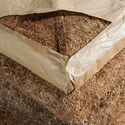
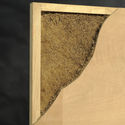
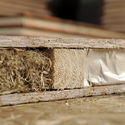
With the aim of promoting more efficient ways to isolate and protect building envelopes, the Chilean team Rootman has developed Thermoroot; a biodegradable and 100% natural insulation made from roots without genetic modifications or chemical additives. These roots make up what the company is calling a Radicular Mattress which, in addition to thermally and acoustically insulating the walls, floors, and ceilings of buildings, it is fire resistant.
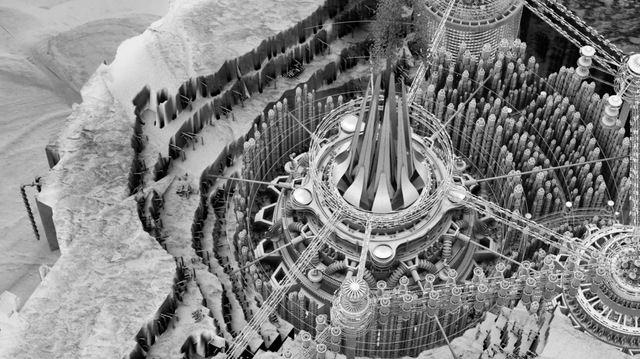
Nine visionary projects focused on living within the relatively unexplored terrains of sea and space have been selected as winners of the 2017 Jacques Rougerie international architecture competition.
Established in 2011, the competition aims to foster the creativity of young architects by challenging them to complete “innovative, audacious and promising projects” that imagine new methods of sustainable development within the realms of sea and space.
Architectural submissions were awarded this year within three categories: Innovation and Architecture for the Sea, Innovation and Architecture for Space, and Architecture and Sea Level Rise. Within these categories, projects were selected in three disciplines: the overall Grand Prix, the “Focus” theme award, and the Coup de Coeur.
Check out the winning projects below.
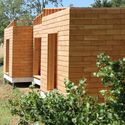
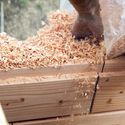
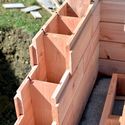
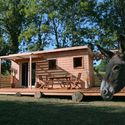
Brikawood is an intuitive and logical construction system of wooden bricks that allows the rapid construction of an entire house without the use of nails, screws or adhesives.
Each unit is totally recyclable and consists of four pieces of wood –two lateral elements and two transversal spacers– which are assembled to the general frames of the building by interlocking, achieving total rigidity when working together. The resulting structure presents thermal, mechanical, acoustic and anti-seismic properties and is designed to be used without cladding or membranes, adding only an anti-return valve specific to Brikawood, in order to increase the performance and tightness of the construction.


Whether architects are trying to meet the Architecture 2030 Challenge or pursuing their own mission to save energy, they have an opportunity to design buildings that can limit carbon emissions and be resilient against changing climate conditions.
To help architects meet their goals, a new wave of chemistry and material science is bringing innovative materials and building systems to the marketplace. From advanced insulation foams to multiwall cladding, this next generation of high-performing materials will help accelerate energy-efficient design.
Learn more about some of the high performing materials of today and tomorrow.
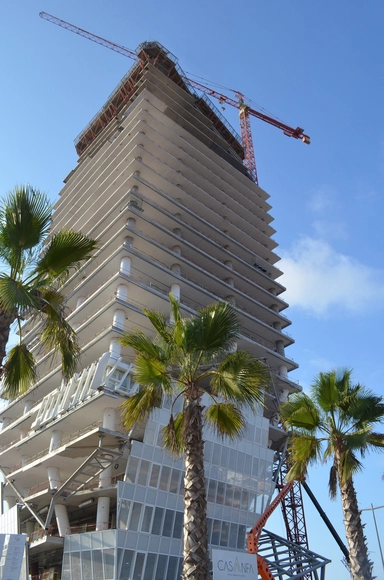
This Fall, global architecture and design firm, Morphosis has their plate full as four of their projects reach significant construction milestones. From Africa to the Middle East, Europe and the U.S., Morphosis is creating international landmarks that display their values of sustainability and future development. Read on to learn more about what Thom Mayne's team is up to.
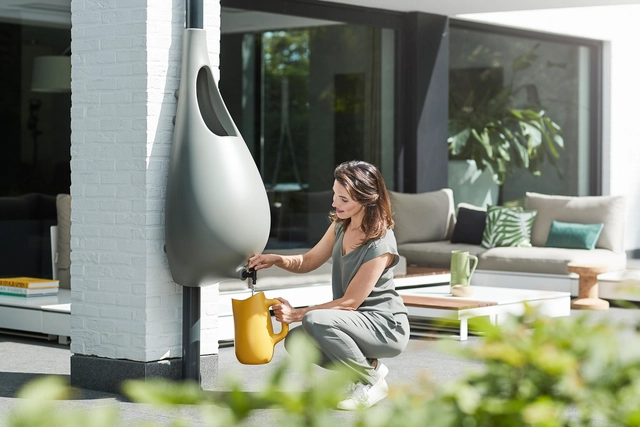
Earlier this month, Studio Bas van der Veer, the Dutch product design studio, unveiled its design for a rain barrel at the three-day fair, spoga+gafa 2017, in Cologne. Van der Veer, a graduate of the Design Academy Eindhoven, initially designed the product – then titled ‘A Drop of Water’ – as part of his thesis in 2009, for which he not only won the prestigious René Smeets Award for best project at the school’s Graduate Galleries exhibition but was also shortlisted for the Melkweg Award. Over the years, the design won numerous accolades, including the Journées des Collections Jardin - Innovation Award, and the Tuinidee Award.

This investigation by Kuan-Ting Lai, developed as part of his thesis on Reconfigurable Systems of Tensegrity at the University of Stuttgart, is an exploration of the capabilities of structural principles in creating transformable architectural structures.
The project, a prototype made of pneumatic cylinders and polycarbonate panels, explores different methods of reconfiguration based on the basic rules of tensegrity, demonstrating the potential to rapidly adjust the lighting or ventilation conditions offered by the structure.
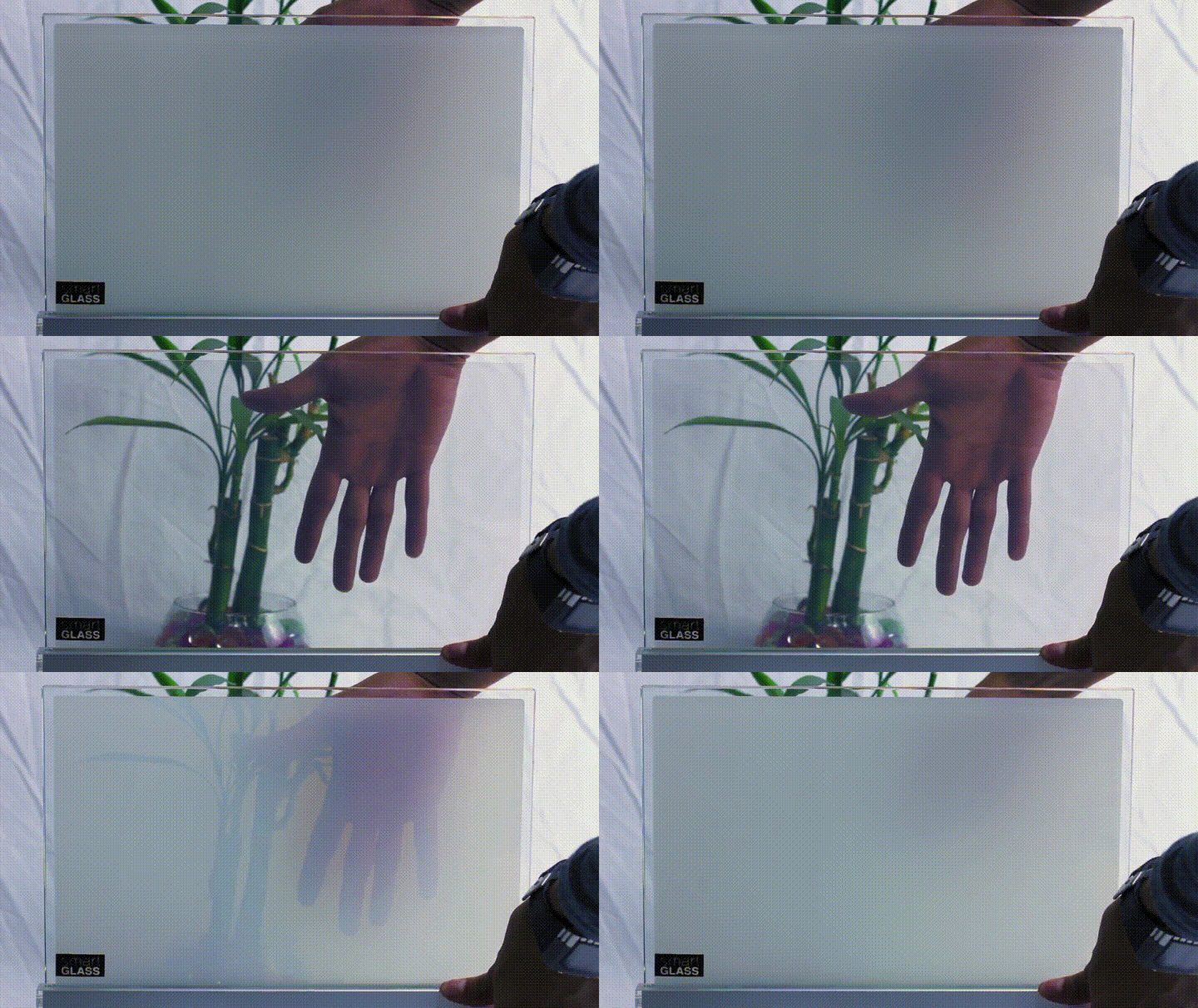
A relative newcomer to the material world, smart glass (also known as switch glass or electrochromic glass) has the ability to change its properties and appearance, allowing the environmental conditions of a space to be optimized according to the use and needs of its users.
Electrochromic glass technology works by changing the electrical polarization between some of its components. Its most widely used variant, known as PDCL, consists of a thin film of liquid crystal that sits between two conductive transparent plastic layers (usually laminated glass). By changing the current running through the liquid crystal, the glass can take on different appearences.
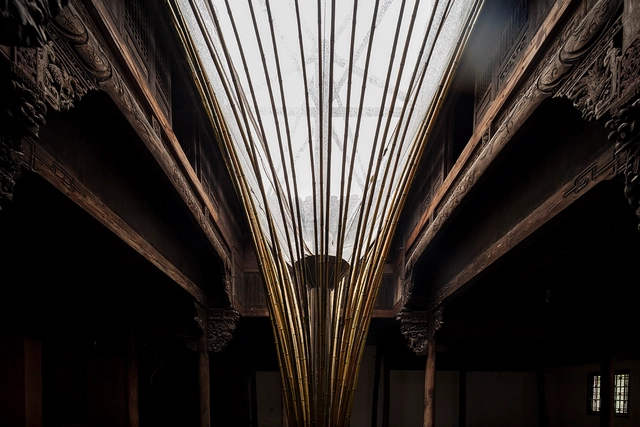
In response to the overwhelming growth of cities and neighborhoods in China, architects from Atelier Archmixing’s Shanghai office, have developed a series of proposals that seek to return value to sensitive interior spaces and improve the user’s quality of life through design.
The project consists of an interesting light fixture; a bamboo structure similar in shape to an umbrella, that lets natural light and fresh air into the building.
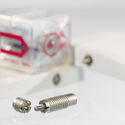
Invis Mx2 is a device that allows you to connect screws and bolts easily without leaving any holes. Its cordless screwdriver works through a MiniMag rotary magnetic field, which adapts to any conventional drill, allowing to generate detachable connections with a tensile force of 250 kg per connector.
The system is designed to be applied to wooden elements and ceramic materials, allowing the construction of furniture, railings, coatings, stairs, among others.



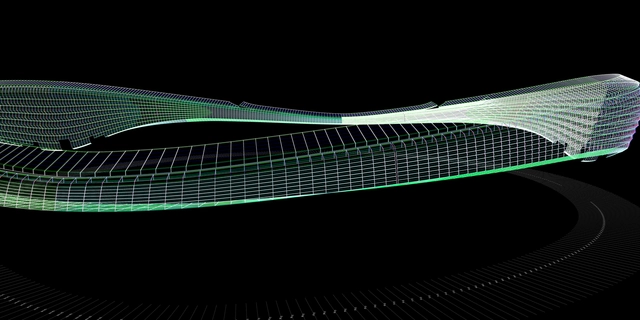
.jpg?1517424651 "SOLAR SPORE, An algae photobioreactor in outer space / Pierre-Jacques Truyman, Alexandre Brassart, Sylve Truyman; France. Image Courtesy of Jacques Rougerie Foundation")
.jpg?1517424637 "Refuge-ground : Towards habitable offshore salt platforms / Lambert David, France. Image Courtesy of Jacques Rougerie Foundation")
.jpg?1517424660 "Currents for Currents, Blue is the new green / Deo Alrashid T. Alam, Robert Andrew P. Galano, Pierre Michael Monjardin; Phillippines. Image Courtesy of Jacques Rougerie Foundation")