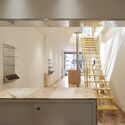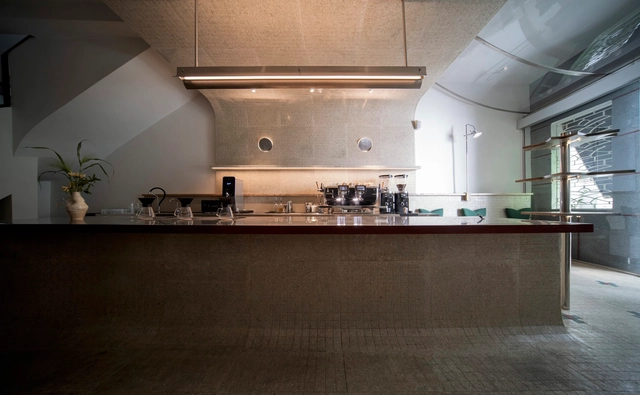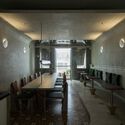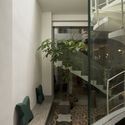

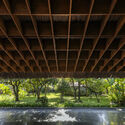
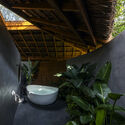
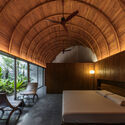

-
Architects: KIENTRUC O
- Area: 413 m²
- Year: 2006
-
Manufacturers: Daikin, Dulux ICI Paint, Philip


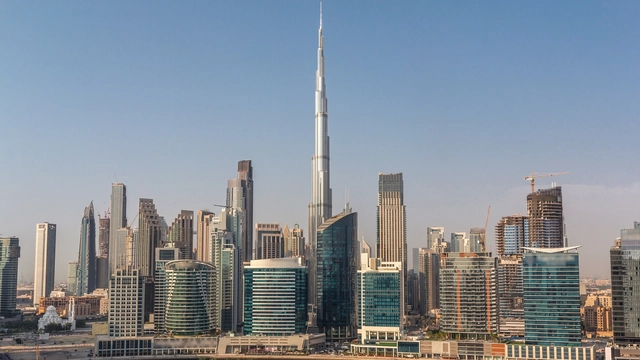
Humanity has become obsessed with breaking its limits, creating new records only to break them again and again. In fact, our cities’ skylines have always been defined by those in power during every period in history. At one point churches left their mark, followed by public institutions and in the last few decades, it's commercial skyscrapers that continue to stretch taller and taller.
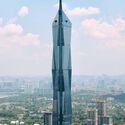
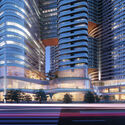
The Council on Tall Buildings and Urban Habitat (CTBUH) has developed its own system for classifying tall buildings, stating that the Burj Khalifa (828 m.) is the world’s tallest building right now. Read on for the 25 tallest buildings in the world today.
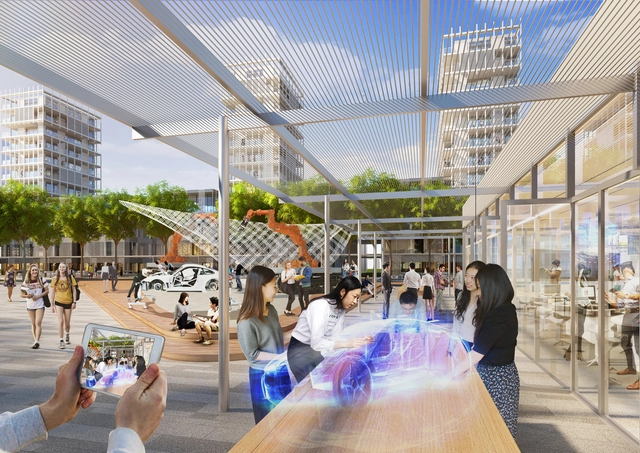
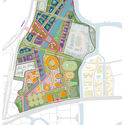
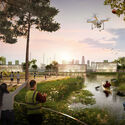
As technology and infrastructure rapidly evolve, a new buzzword finds itself in conversations across industries - innovation. The word is more relevant in light of future-facing challenges such as climate change, inequality, and economic crises. As a result of a surging interest in these concepts, innovation hubs have emerged across the world, aiming to foster creative and collaborative economies to spark quick change. What are innovation districts and how do they influence the built environment?
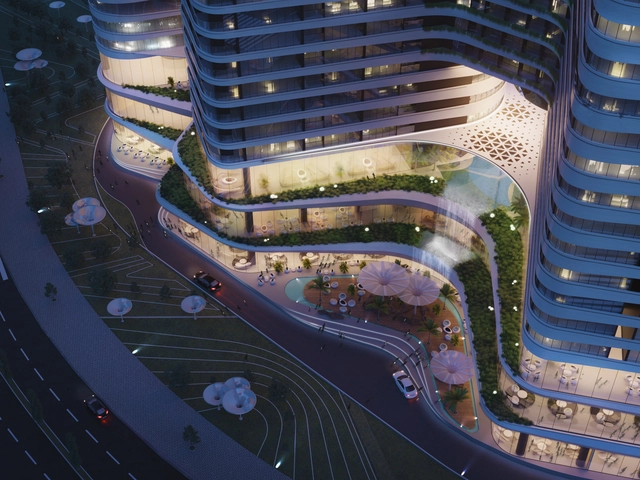
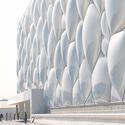
Chris Bosse started LAVA, Laboratory for Visionary Architecture, with his partners Tobias Wallisser and Alexander Rieck the year Watercube, the Aquatics Centre for the 2008 Beijing Summer Olympics was completed. Bosse was one of the leading designers of Watercube when he worked at PTW Architects in Sydney. Now LAVA employs about 100 people in four offices in Ho Chi Minh City, Sydney, Stuttgart, and Berlin. There are also two satellite offices in Honduras and Parma, Italy, led by former associates. Projects range from furniture to houses and hotels to master plans, urban centers, and airports in the Middle East, Central America, Europe, Australia, and Vietnam.