-
Architects: ZHA
- Year: 2026
-
Professionals: Beijing Institute of Architectural Design (BIAD), RFR Shanghai, GD-Lighting, Suoshi Lighting, PCT, +11



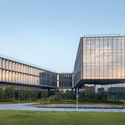
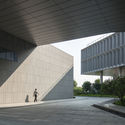
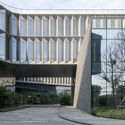
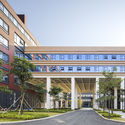
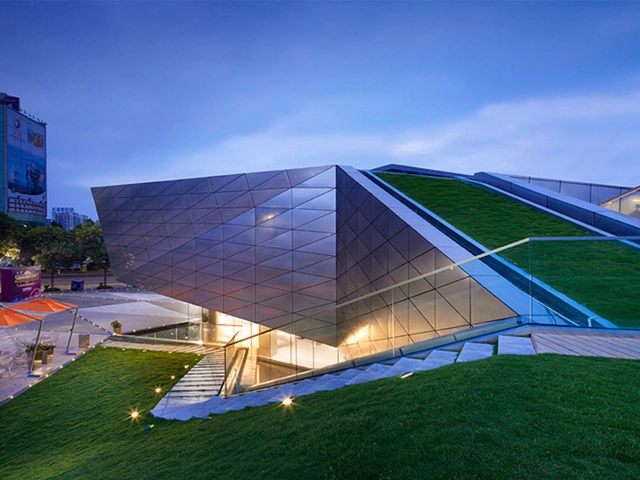
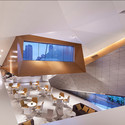
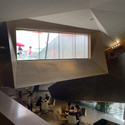
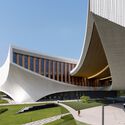
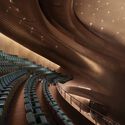
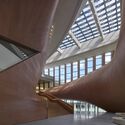
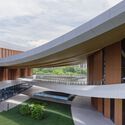
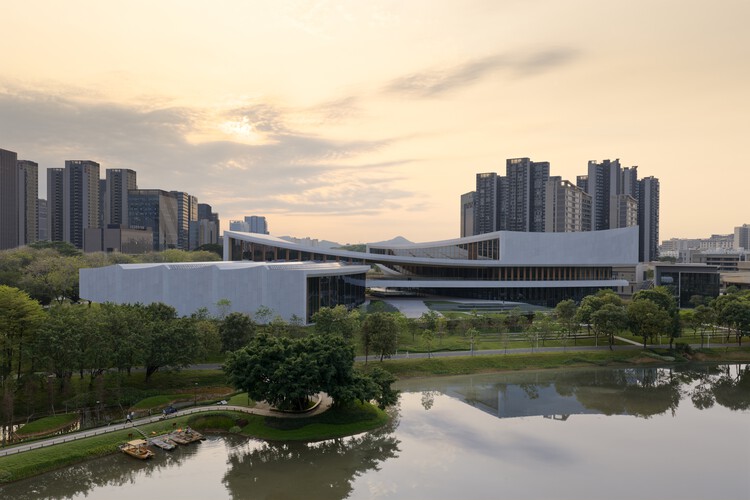
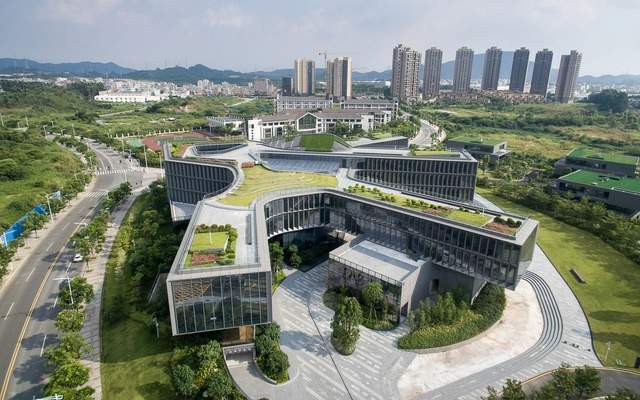
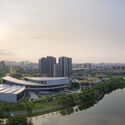
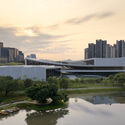
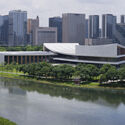
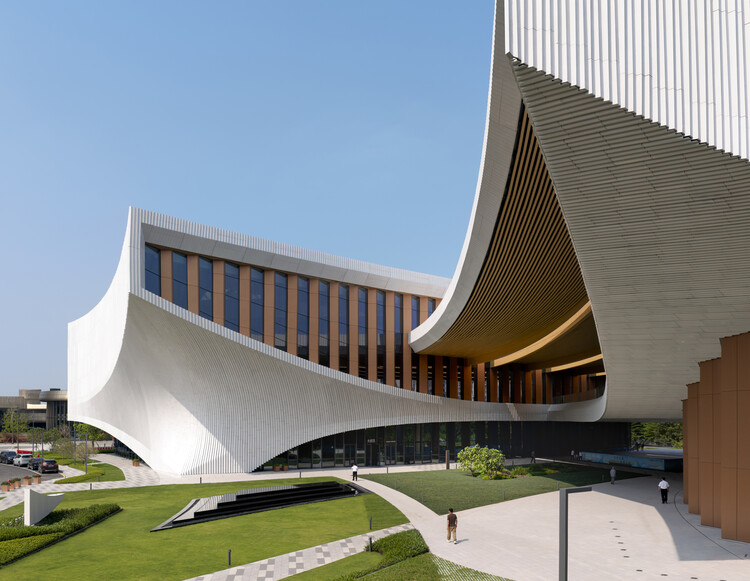
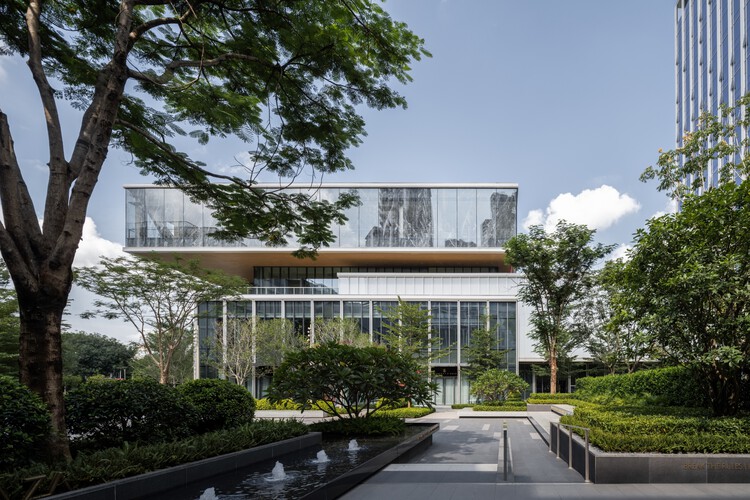
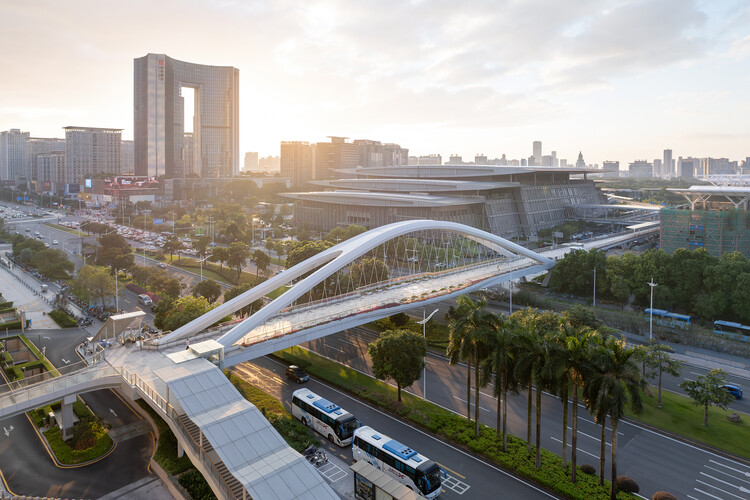
The Songshan Lake Exhibition and Performance Center, designed by ZHA in collaboration with the Beijing Institute of Architectural Design, is a new cultural and sports facility in Dongguan City, China. It's located in the city's High-Tech Industrial Development Zone, a technological innovation and science city established in 2001 as a hub for research, development, and high-tech manufacturing. Covering a total floor area of 45,000 square metres, the new cultural centre was designed to be a civic and cultural anchor for the Guangdong-Hong Kong-Macao Greater Bay Area (GBA). The construction of the riverside building started in 2021, and the complex was officially opened on March 30, 2026.


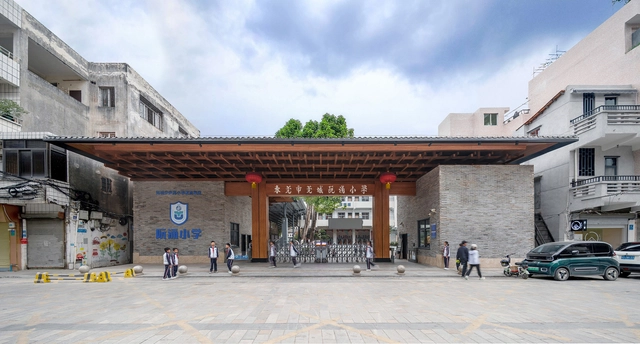
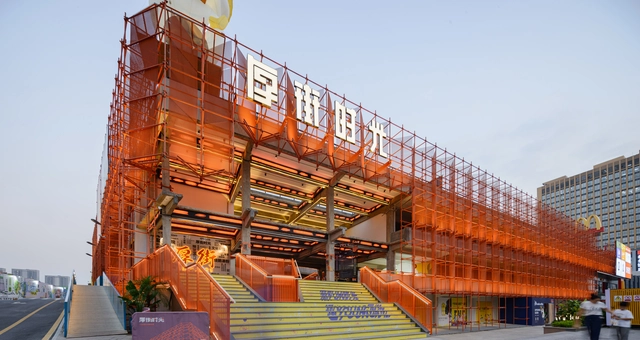
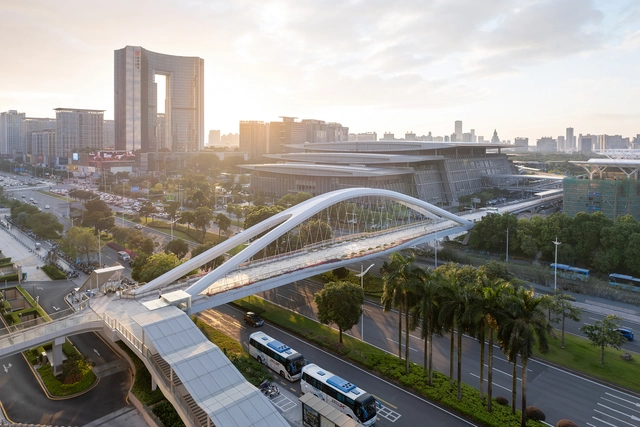
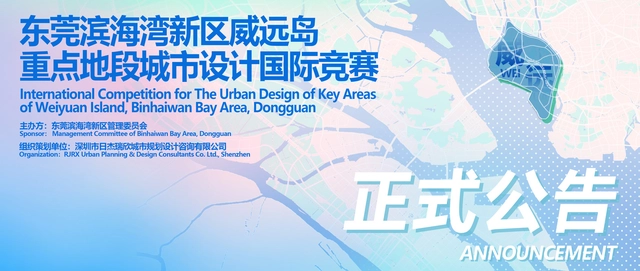
Official Launch of the International Competition for the Urban Design of Key Areas of Weiyuan Island, Binhaiwan Bay Area, Dongguan. This international competition aims to gather global intelligence and advanced concepts to solicit creative and feasible design proposals for the future development of Weiyuan Island, Binhaiwan Bay Area, Dongguan.
.jpg?1630628239&format=webp&width=640&height=580)
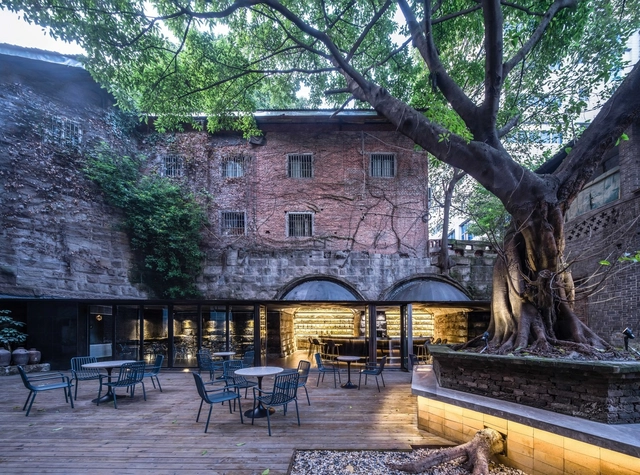
Both tea and alcohol in traditional China were similarly aestheticized, and both influenced the language of literature and art. People used to exchange alcohol as a gift in a way that they later would with tea. Today, more and more cities in China have embraced this drinking culture that passed down from generation to generation, and reinterpreted with a new contemporary fashion, which is constantly evolving in the urban cafes and bars.
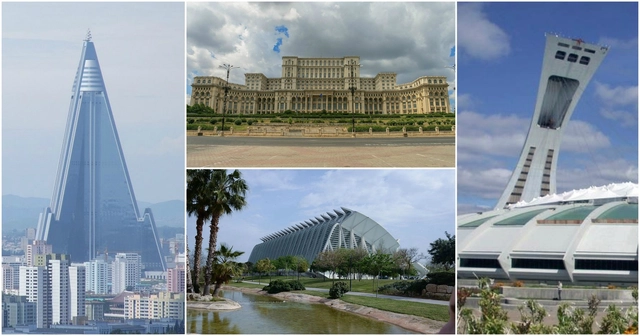
Not every piece of architecture can be an economic and social success. But there is one dreaded term reserved for only the mot wasteful of projects: "white elephants." The term comes from a story of the kings of Siam, now Thailand, who would reportedly gift sacred albino elephants to courtiers they didn't like. Refusing the gift from the king would have been unacceptable, but being sacred, these animals were forbidden from work, leading the courtier to financial ruin—a fact the kings knew all too well.
Of course, in architecture the term "white elephant" is used frequently to disparage certain projects, and whether a project is deserving of such infamy is usually a matter of perspective. Often eyesores or reminders of poorly spent funds, these projects refuse to be forgotten despite few wanting to remember them. Dotted around the world and across history, they all have the same thing in common: although they may (or may not) have once looked good on paper, they probably should have just stayed on paper.









.jpg?1630628264 "Looking up to the bridge from riverside. Image © Oliver Luo")
.jpg?1630628237 "The three balconies cantilevered above the canal on the north. Image © Oliver Luo")
.jpg?1630629524 "Children crossing the bridge. Image © Liguo Su")
.jpg?1630629345 "Children crossing the bridge. Image © Dongliang Ye")
.jpg?1630628239)