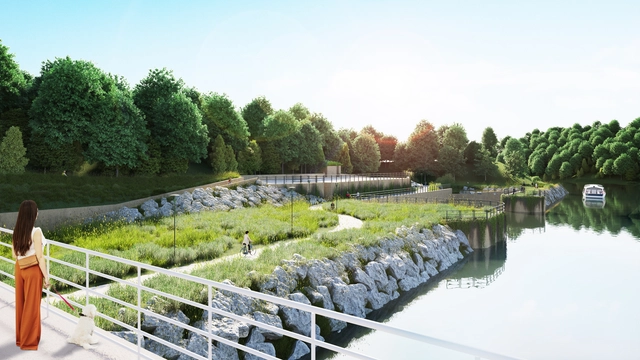
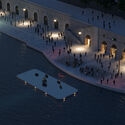
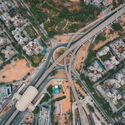
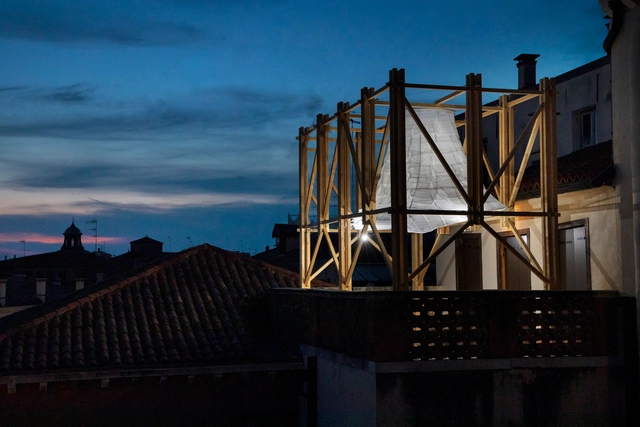
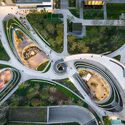
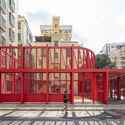
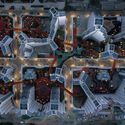
Carlo Ratti Associati has revealed the design transformation of Turin’s historic waterfront in Italy. The project’s main aim is to address the current climate crisis and leverage architectural solutions to create spaces that can withstand the recurring floods of the Po River. Throughout the scheme, many architectural elements are kinetic, allowing them to rise above the water. “Floating Above the Floods” creates new solutions for urban climate adaptations and provides insights into universal strategies for urban waterways.
As has become customary in recent years, on the first Monday of October, we celebrate both World Architecture Day and World Habitat Day, serving as a reminder to the global community of its collective responsibility for the well-being of the built environment. This edition, like its predecessors, sheds light on the realm of architecture and the challenges faced by our cities, introducing new themes, contemplating the state of our urban areas, and proposing constructive strategies.
Since urban economies have encountered significant difficulties this year, the UN's World Habitat Day focuses on "Resilient Urban Economies: cities as drivers of growth and recovery." Launching Urban October, this event seeks to bring together diverse urban stakeholders to deliberate on policies to help cities recover after the dual economic impacts caused by the COVID-19 pandemic and conflicts worldwide. Aligned with this concept, World Architecture Day, created by the UIA in 1985, has chosen to concentrate on "Architecture for Resilient Communities," emphasizing the role and duty of architecture in fostering thriving community existence while initiating a global dialogue regarding the interconnectedness of urban and rural regions within every nation.
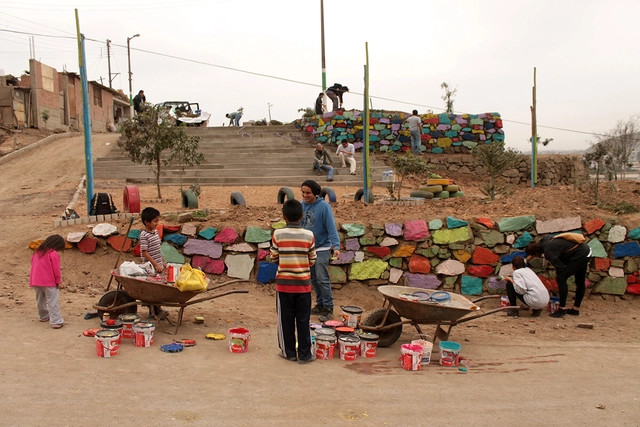
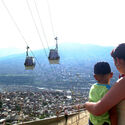
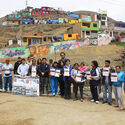
The research project that impressed the jury aims to explore the impact of highly successful informal settlement improvement initiatives implemented in various Latin American countries. Its primary objective is to uncover valuable design insights related to social and environmental sustainability. The research is founded on the recognition that Latin America is the most urbanized region globally, with approximately 80% of its population residing in cities. Nevertheless, nearly 15% of this urban population resides in informal settlements marked by inadequate infrastructure and a diminished quality of life. Various improvement programs have been implemented, and the active involvement of citizens has been a crucial factor in enhancing their effectiveness.
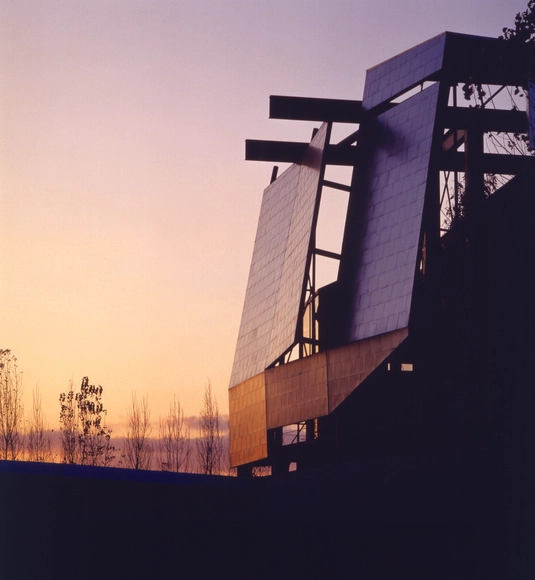
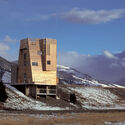
Carlson-Reges House (1992-1996). Image Courtesy of Michael Rotondi
Michael Rotondi’s buildings—museums, civic centers, education facilities, monasteries, restaurants, and residences—evoke kinetic mechanisms that fold, hinge, twist, and split open. They express the architect’s feelings, thinking, and mood at the time they had been designed, and, on some occasions, during their assembly and construction. Rotondi was born in 1949 in Los Angeles.
He established his RoTo Architects, a research-based firm in his native city, in 1991 after co-heading Morphosis for 16 years with Thom Mayne. Parallel to his practicing career, the architect has been teaching and lecturing at SCI-Arc, Southern California Institute of Architecture, which he co-founded in 1972, led its graduate program from 1978-1987, and was the school’s second director for a decade from 1987 to 1997.
In his latest TED Talk, Thomas Heatherwick decries a condition affecting areas of the city defined by monotonous buildings, or what he calls “an epidemic of boringness.” While recognizing the functionality which drove these designs, he states that functionality alone cannot ensure that the structures become active parts of urban life, as they often fail to provoke an emotional response from passers-by. Heatherwick explains that, in his view, this emotional function, or the ability of buildings to mean something to their users and visitors, is essential. When it succeeds, architecture can positively contribute to the quality of life and well-being of its residents, promote social cohesion and contribute to a sense of identity. So how can architecture provoke a positive emotional connection and provide an enjoyable backdrop to the communities it serves?
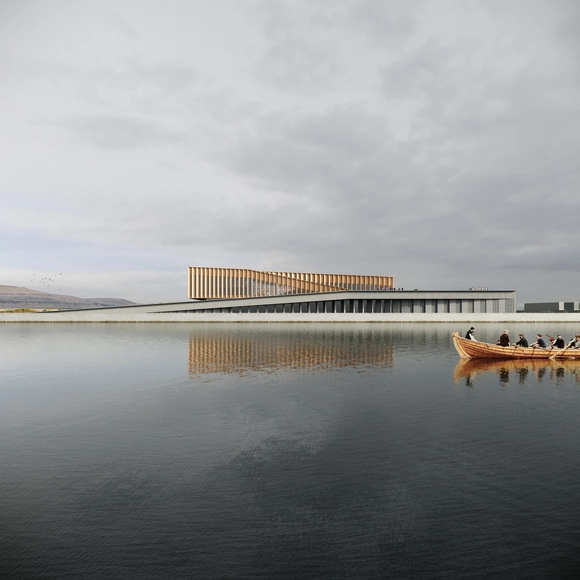
Henning Larsen has just revealed the design for Smyril Line's new headquarters and ferry terminal in Torshavn, the capital of the Faroe Islands. The building pays homage to traditional Faroese fishing boats and the historic Eastern harbor while embracing the picturesque backdrop of abundant landscapes and open seas. The new headquarters serves three functions: a ferry terminal, an office building, and a logistics center.
In parallel to this year's Venice Architecture Biennale, The European Cultural Centre (ECC) presented the sixth edition of its extensive architecture exhibition titled Time Space Existence. The 2023 iteration of the group show draws attention to expressions of sustainability in its numerous forms, ranging from a focus on the environment and urban landscape to the unfolding conversations on innovation, reuse, community, and inclusion. A total of 217 projects by established participants like Snøhetta or MADWORKSHOP and emerging players such as Urban Radicals or ACTA are currently on show through the 26th of November, 2023, at Venice's Palazzo Bembo, Palazzo Mora, and Marinaressa Gardens.
In response to climate change, the installations on show investigate new technologies and construction methods that reduce energy consumption through circular design and develop innovative, organic, and recycled building materials. Participants also address social justice by presenting living solutions envisioned for displaced communities and minorities, while others examine the tensions between the built urban environment and the nature surrounding it to identify opportunities for coexistence.
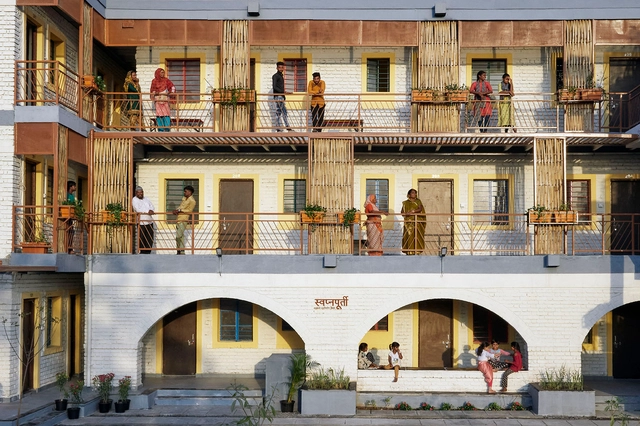
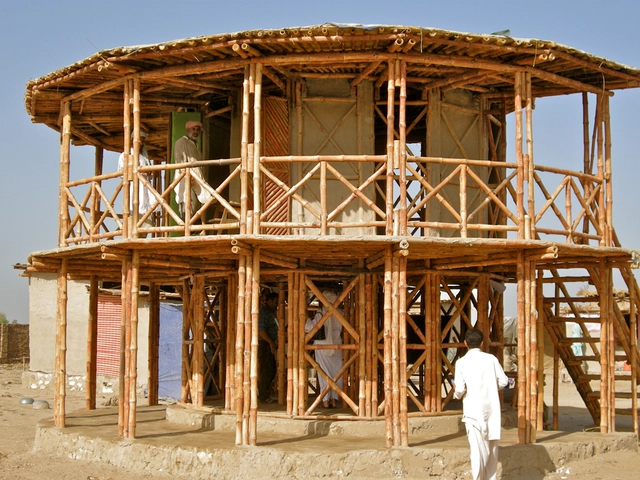
Yasmeen Lari, recognized as the first female architect in Pakistan, has had a significant impact both in her home country and internationally due to her innovative and socially conscious approach to architecture. Through a systemic approach, Lari’s work takes into consideration local culture, site-specific opportunities, and challenges. Born in Pakistan in 1941, Yasmeen Lari moved to London with her family at the age of 15. After graduating from Oxford Brooks School of Architecture, she returned to Pakistan at the age of 23 to establish Lari Associates with her husband, Suhail Zaheer Lari. The couple settled in Karachi. Here, she began to study Pakistan’s ancient towns and the vernacular architecture of earth buildings, igniting her interest in the architectural heritage and traditional techniques of her country. In 1980, she co-founded the Heritage Foundation of Pakistan with her husband, becoming instrumental in the preservation of her country’s rich cultural heritage.
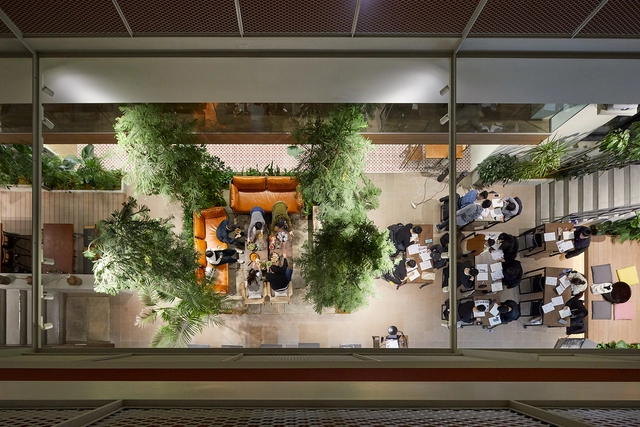
Dramatic societal transformations- such as pandemics and technological advancements - call for dramatic shifts in lifestyles. Architects keep up by exploring and proposing new models of housing, each iteration catering to society’s latest needs. The co-living model is one such example that has become a roaring success over the past few decades. Redefining the way people live, co-living seeks to provide a form of cost-effective social housing. Although widely targeted at younger generations, the co-living industryis evolving to cater to various niche groups.
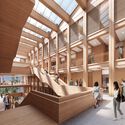
Heatherwick Studio has revealed their first public library design, planned for Howard County Libraries in Maryland, United States. The building will serve as a community center and was designed to reflect the changing and complex role of libraries within cities. The program expands beyond book lending services, providing spaces for cultural events, collective learning, workshops and lending of objects of use. Construction is expected to begin in 2024, and the library is scheduled to open to the public in 2027.
This file is licensed under the Creative Commons Attribution-Share Alike 3.0 Unported license.The New York Times Building, 1984. Image via Wikimedia
The hosts and producers of the Uncertain Things podcast, Adaam James Levin-Areddy, and Vanessa M. Quirk, conduct interviews with experts with a variety of experiences to answer the question, “Now what? How did we get here and what is next?”. In this episode with Michael Kimmelman, they touch upon many interesting subjects, namely, The New York Times institution and its evolution, Kimmelman’s new book the Intimate City, and our overall understanding of communities in cities.
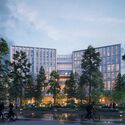
Perkins & Will has just begun construction on the Gateway Project for the University of British Columbia. The project will serve as the primary entrance point to the campus, as well as the new hub for the Nursing, Kinesiology, Language Science, and the university's health clinics. This project is inspired by the surrounding landscape and is informed by the Musqueam people, who have been occupying these territories for generations.
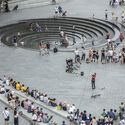
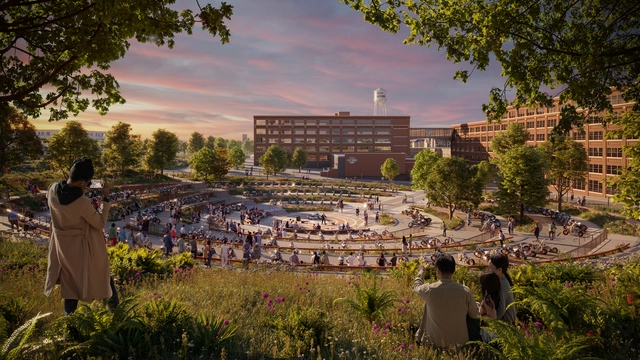
Heatherwick Studio has been commissioned to redesign and transform a central element of Harley-Davidson’s Headquarters in Milwaukee, US, the Juneau Avenue campus. The location is set to become a public park and green gathering space for the employees of the motorcycle company, as well as for the local community. In its center, the park features a large-scale amphitheater and sunken multi-use events space designed to be accessible to motorcycle riders. The project is set to break ground in 2023, with the park becoming available for use by the summer of 2024.
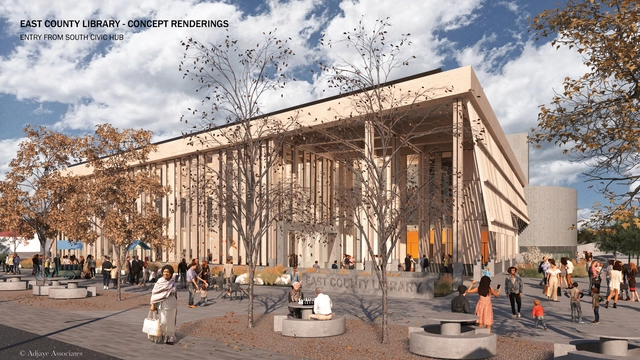
Adjaye Associates, in collaboration with Holst Architecture, the prime architect of record, have unveiled the first renderings for the new East County Library in Portland, Oregon, a new facility that will provide a diverse range of services and programming. The design of the 95,000-square-foot building is informed through extensive community engagement and feedback. Several local organizations aid these efforts by organizing public community events, focus groups, teen outreach, and surveys. As the project is currently in the schematic design phase, the images presented are early drafts, likely to change to reflect the input received.
The interest in co-living is on the rise, a direction emphasized by the merger between the largest co-living operator in the US, Common, and their European equivalent, Habyt. The two companies manage more than 4,000 apartments in the US and 7,000 apartments in Europe and Asia, as reported by The Wall Street Journal. The term co-living refers to a modern form of group housing where residents share communal spaces for socializing, cooking, and gathering, and have access to shared amenities such as cleaning services or dog walking.
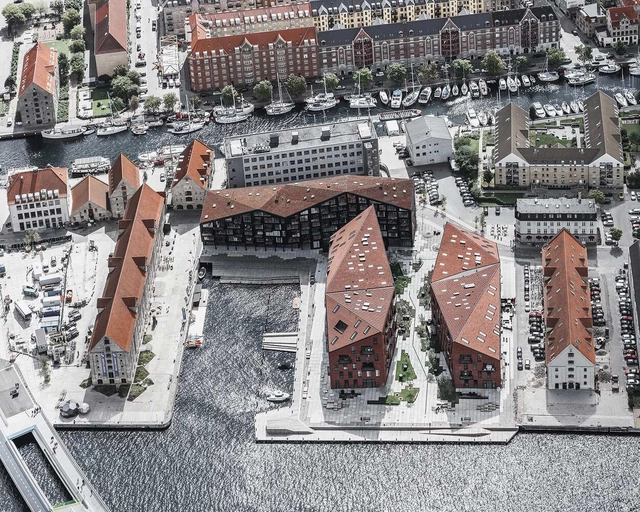
When we google 'housing in Copenhagen', the first thing that pops up are the most common questions asked by users: how much does it cost to live in Copenhagen? Is it difficult to find housing in Copenhagen? It's true, living here is significantly more expensive than the European average, especially in its most central district: Indre By. Although the housing prices are adapted to the salaries of its citizens –and the quality of life index is consistent with this high cost–, it's still complex for a foreigner to settle permanently in the city.
However, there is a serious commitment from the authorities and stakeholders to kindly open the city to new inhabitants, offering affordable housing designed by its best architects –both in suburbs and in refurbished downtown areas. In 2023, Copenhagen will be the UNESCO-UIA World Capital of Architecture and the host of the UIA World Congress of Architects, so a large number of people will be able to see firsthand what it's like to inhabit the city in projects of great architectural quality, which not only integrate wisely into its vibrant urban life, but also propose innovative ways of living.
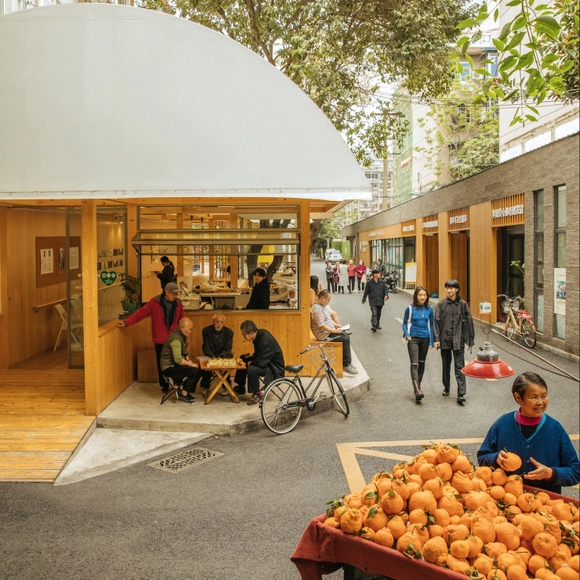
What kind of city is a people-oriented city? This is a difficult question to answer because humanistic cities evaluate the city by "people”, and people are extremely diverse, producing individual different evaluation standards. For example, a city that is friendly to car drivers, may not be so friendly to pedestrians.
Nonetheless, there is a general perception that some cities seem to be more friendly to people than others. Why is this the situation?
It is a great privilege to amplify the voice of architects and other built environment professionals. It is also an enormous challenge as it requires a lot of investigation and time from our content team. However, the effort is gratifying. It puts us in contact with some of the most prominent talents in our field who have been discussing subjects such as cities, metaverse, community, environment, democracy, sustainability, building technology and interiors, to mention just a few.