Architecture and Design Museum Helsinki invites visitors to explore Alvar, Aino and Elissa Aalto’s architecture and design from the perspective of wellbeing. The multidisciplinary exhibition boldly asks what these classics can contribute to contemporary discussions on the design of wellbeing.
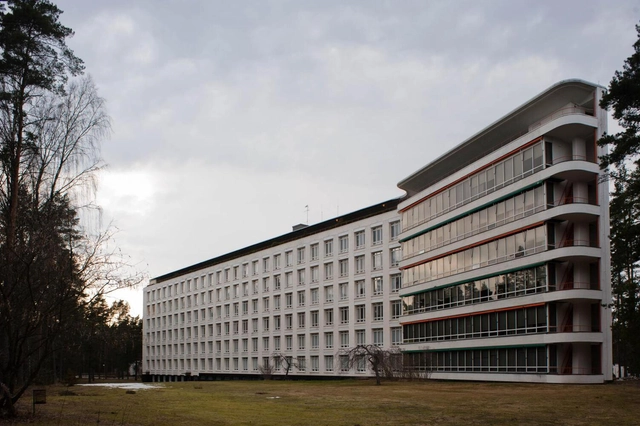
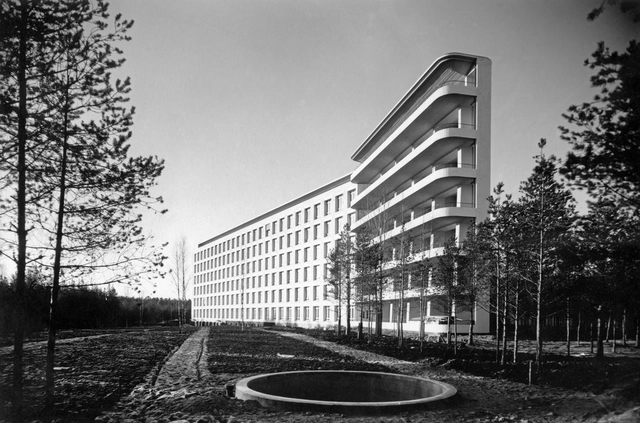
In the early 20th century, tuberculosis presented a significant public health challenge across Europe, prompting the construction of specialized facilities for patient recovery. The Paimio Sanatorium in Finland stands as a groundbreaking example of architecture's potential to promote healing. Designed by Alvar Aalto between 1929 and 1933, the sanatorium combined innovative design principles with a deep understanding of human needs, setting new benchmarks for healthcare architecture.
Alvar Aalto, a leading figure in modernist architecture, envisioned the Paimio Sanatorium as more than a functional response to a medical crisis. He crafted a space where architecture became an instrument of care, integrating natural light, ventilation, and harmonious forms to support physical and emotional well-being. This project marked a turning point in Aalto's career, showcasing his ability to blend modernist ideals with a profound sensitivity to context and human experience.
“Sick Architecture” opened on May 5th at CIVA in Brussels. Co-curated by Beatriz Colomina, the exhibition investigates the intrinsic relation between architecture and sickness. The architectural discourse always weaves itself through theories of body and brain, constructing the architect as a kind of doctor and the client as the patient. Architecture has been portrayed as a form of prevention and cure for thousands of years. Yet architecture is also often the cause of illness, from the institution of hospitals to toxic building materials and sick building syndrome. The outbreak of the COVID-19 pandemic further highlighted this topic.
Alvar Aalto was born in Alajärvi in central Finland and raised in Jyväskylä. Following the completion of his architectural studies at the Helsinki University of Technology he founded his own practice in 1923, based in Jyväskylä, and naming it Alvar Aalto, Architect and Monumental Artist. Although many of his early projects are characteristic examples of 'Nordic Classicism' the output of his practice would, following his marriage to fellow Architect Aino Marsio-Aalto (née Marsio), take on a Modernist aesthetic. From civic buildings to culture houses, university centers to churches, and one-off villas to student dormitories, the ten projects compiled here—spanning 1935 to 1978—celebrate the breadth of Aalto's œuvre.
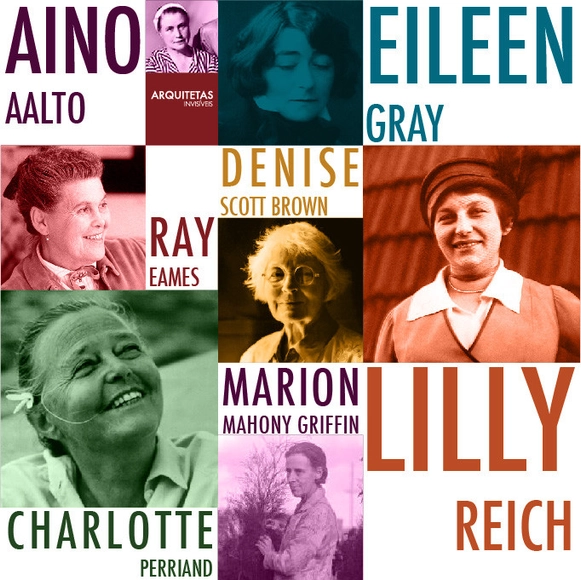
To celebrate International Women's Day, we asked the Brazilian non-profit group Arquitetas Invisíveis to share with us a part of their work, which identifies women in architecture and urbanism. They kindly shared with us a list of 48 important women architects, divided into seven categories: pioneers, "in the shadows," architecture, landscape architecture, social architecture, urbanism and sustainable architecture. We will be sharing this list over the course of the week.
Yesterday we brought you The Pioneers, and today we present the women architects that have lived in "the shadows" of the some of the great names in the architecture world.
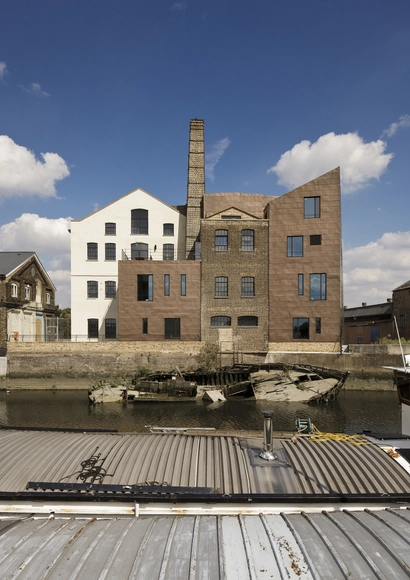
The Architects’ Journal as named Teresa Borsuk of Pollard Thomas Edward “Woman Architect of the Year 2015.” The prestigious title, awarded last year to Mecanoo’s Francine Houben, is being presented to Borsuk for her “remarkable” ability to improve equality within her practice.
Borsuk was chosen over an impressive shortlist of women architects. Find out 10 facts about Borsuk and see why the jury consider her to be an ideal role model for future generations, after the break.