

-
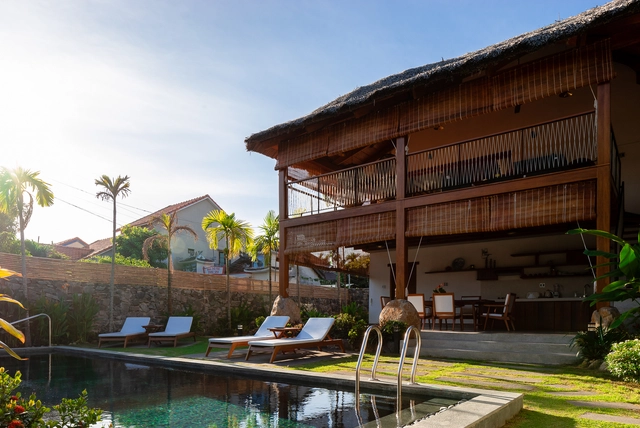
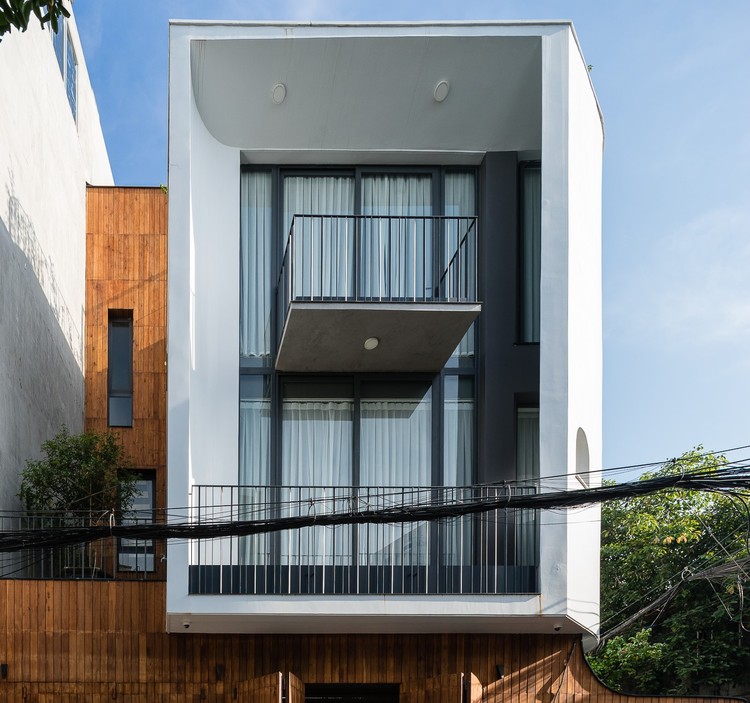
Architects: P.I Architects
- Area: 320 m²
- Year: 2019
-
Manufacturers: Dulux, MaiKa, Ori Lighting, Toto, Trimble Navigation
-
Professionals: Tan My Quan Company Limited

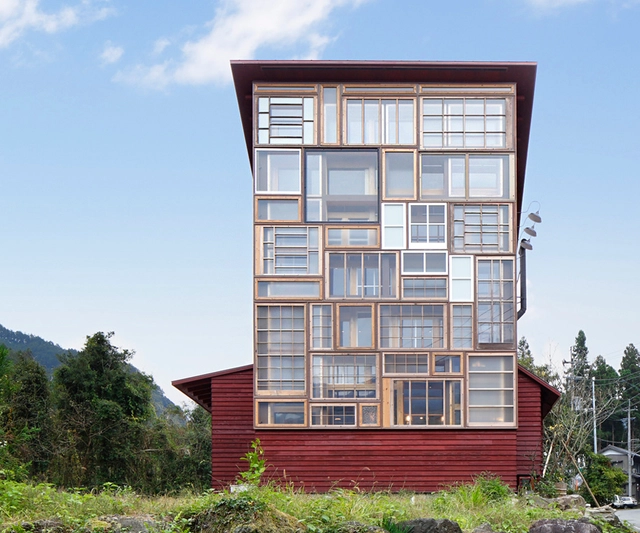
When a material runs its course and becomes obsolete, whether because of wear and tear, a change of style, a tear-down, or a remodel, many are tempted to simply toss it into a scrap heap and send it to the landfill. In the grand majority of cases, however, these materials can be repaired, recycled, and reused in a vast array of creative endeavors. Of course, depending on the material and its characteristics, this can also present a challenge. In the case of windows and doors, particular care must be taken to keep them intact throughout the dismantling or demolition process and even afterwards, an inspection may be necessary to determine their viability for future use. Of course, many avoid the path of re-utilization altogether and opt for new materials that make for an easier and more uniform project.
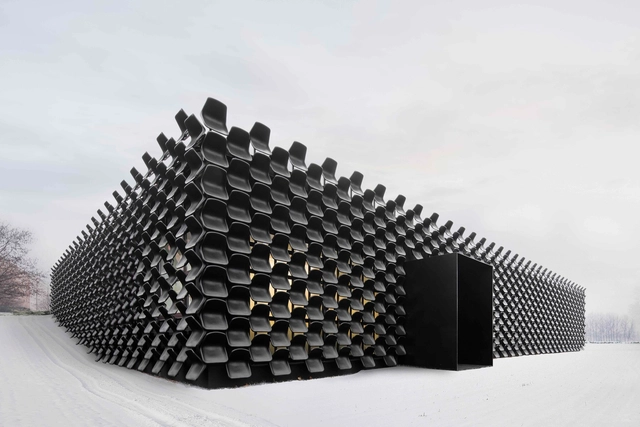
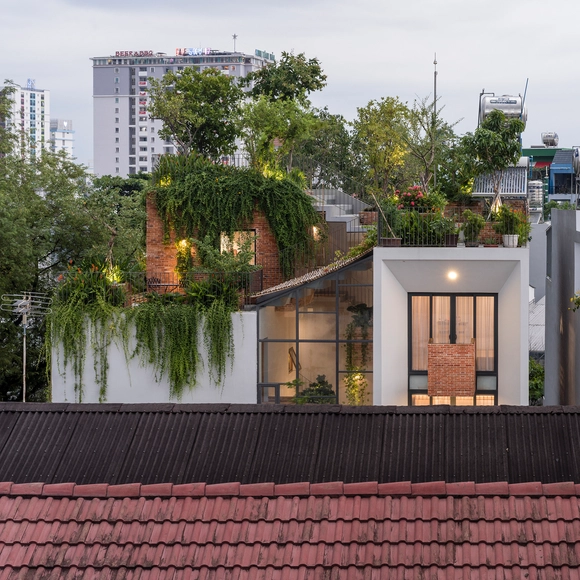
With the aim of supporting architects to become active agents of sustainable design, this week we present a selection of facades that incorporate different recycled materials. Beyond the typical uses of plastic and glass, in this article, you will find innovative materials such as mattress springs, ice cream containers, plastic chairs, and recycled waste from agricultural and industrial products. A look at 21 remarkable projects using recycled materials to create an attractive facade.

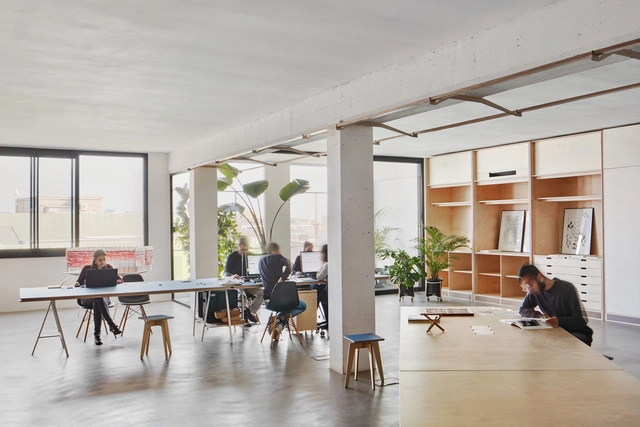
With most of our lives spent indoors, the space we occupy has a major role in our psychological behavior. Environmental psychology or Space psychology is, in fact, the interaction between people and the spaces they inhabit. Lighting, colors, configuration, scale, proportions, acoustics, and materials address the senses of the individual and generate a spectrum of feelings and practices.
From inducing warmth and safety, defining well-being, or creating a positive and efficient working environment, space can have a whole lot of impact on how we act or on what we feel; therefore, design and creative measures should be considered according to the social and psychological needs of the occupants.
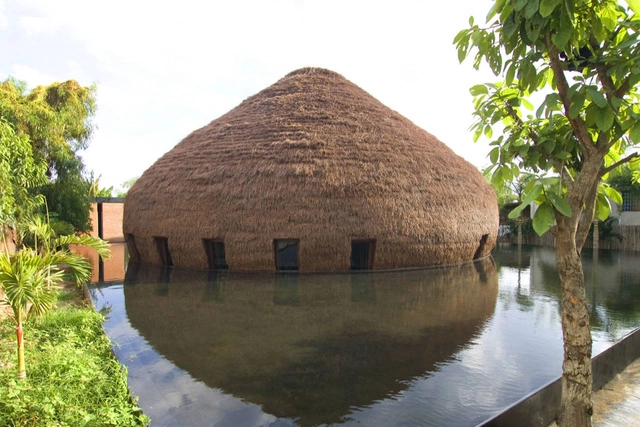
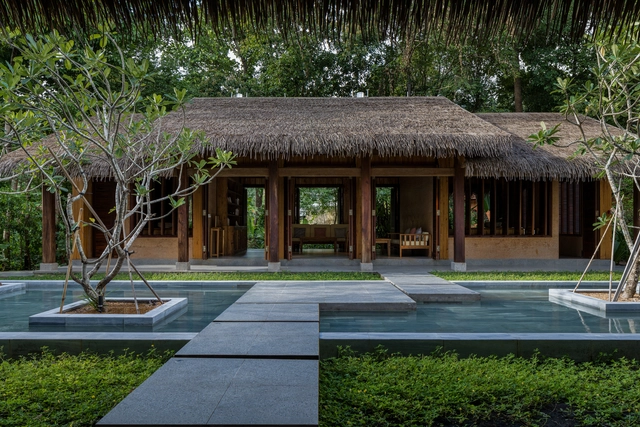
Building with Natural Biodegradable Raw materials is one of the major recurring green construction solutions of our days. Although some might call it regressive, it is an easy and affordable way to promote Eco-friendly Architecture. The implementation of Hay or Thatched roofs are a prime example of a highly beneficial Sustainable building solution.
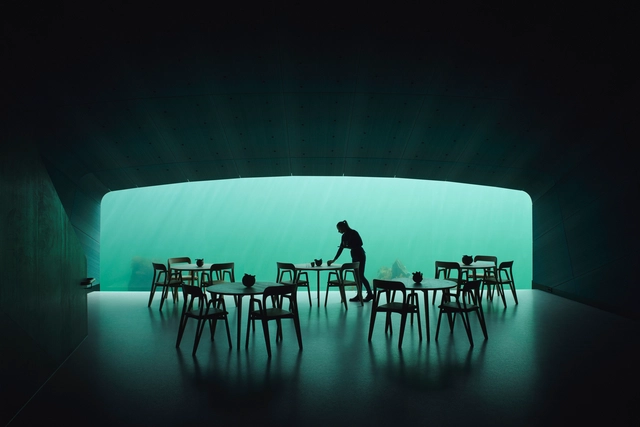
This December, we at ArchDaily take a moment to review what happened during the past year -- you have already seen posts with the best architecture projects, the best books, the best articles and much more. Now it's time to review the most bookmarked projects by our readers all over the world on MyArchDaily.
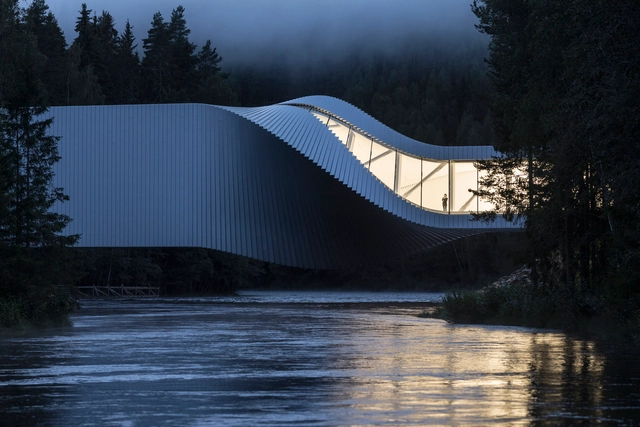
Because, for all the inspirational works across the world, we would be lost without the photographers dedicated to sharing this inspiration with us. Here we present to you the most influential architectural photographs of the year.
More than 5.000 architecture projects were published in ArchDaily this year. Year after year, we curate hundreds of residential projects, and as we know our readers love houses, we compiled a selection of the most visited residential projects published on the site.
Set in various locations around the world, in urban, rural, mountain and beach landscapes; a variety of structural designs, from traditional masonry to the most technological prefabricated systems; from small dwellings to large houses and materials such as concrete, wood, and bricks as the most used. We also found their design and typology solutions were very much aligned with their specific settings and all of them share a strong dialogue between the house and nature, whether it is its direct surroundings or the introduction of green into a more condensed urban setting.
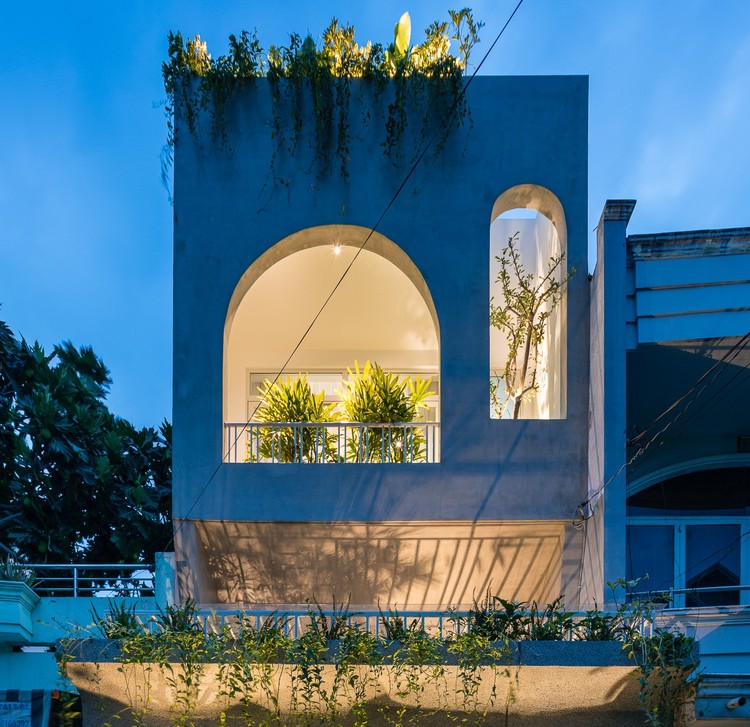
This selection of 50 houses highlights the most visited examples during these twelve months and, according to our readers, were the most attractive in innovation, construction techniques, and design challenges. Check them out below:








.jpg?1574719389&format=webp&width=640&height=580)
.jpg?1574720396&format=webp&width=230&height=230&crop=true)
.jpg?1574720510&format=webp&width=230&height=230&crop=true)
.jpg?1574719920&format=webp&width=230&height=230&crop=true)
.jpg?1574720229&format=webp&width=230&height=230&crop=true)
.jpg?1574719389)