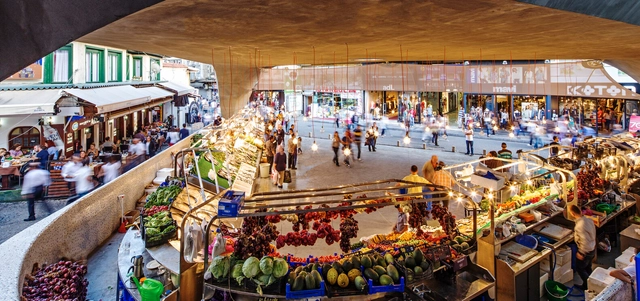
Every city is a complex environment, bringing together people, cultures, architecture, commerce, and even nature. While experiencing a city, a lot of attention is given to its appearance, but appearance is not everything. The theory of sensory design aims to go beyond vision and explore the richness of the built environment through textures, smells, and sounds. For city officials and planners, a lot of attention generally goes towards how a city looks and sounds, but in terms of smell, the focus is mainly on managing waste or cleaning unsanitary areas. Yet the sense of smell, so often overlooked, is strongly linked to the creation of emotional memories. It contributes to our understanding of the world; it reveals otherwise hidden cultural practices, and it rounds up the experience of an environment.
The design and functionality of public spaces in cities are always under scrutiny. Whether its accessibility to public parks and green spaces, the distance people live from public transportation, or the ways that spaces can be designed to make city life more safe and equitable. But now a new issue and one that lives at a smaller scale is starting to arise- where did all of the public seats go?
Over the last century, cars have been the dominant element when designing cities and towns. Driving lanes, lane expansions, parking garages, and surface lots have been utilized as we continue our heavy reliance on cars, leaving urban planners to devise creative ways to make city streets safe for pedestrians and cyclists alike. But many cities, especially a handful in Europe, have become blueprints for forward-thinking ideologies on how to design new spaces to become car-free and rethink streets to make them pedestrian-friendly. Are we experiencing the slow death of cars in urban cores around the world in favor of those who prefer to walk or ride bikes? And if so, how can it be done on a larger scale?
The discussion around how we plan the cities we want to live in is a never-ending conversation. As our world experiences shifts that impact urban designs in both predictable and unpredictable ways, some principals have held true- that cities that rely less on private transportation, create walkable neighborhoods, boast a multitude of public parks and spaces, and are designed at a more human scale tend to be favored and well-recieved by the people who inhabit them. Enter the concept of New Urbanism. Backed by these ideologies with a modern spin on is how they might apply to our 21st-century lifestyles, New Urbanism a planning strategy that has been both praised and critiqued since its implementation.
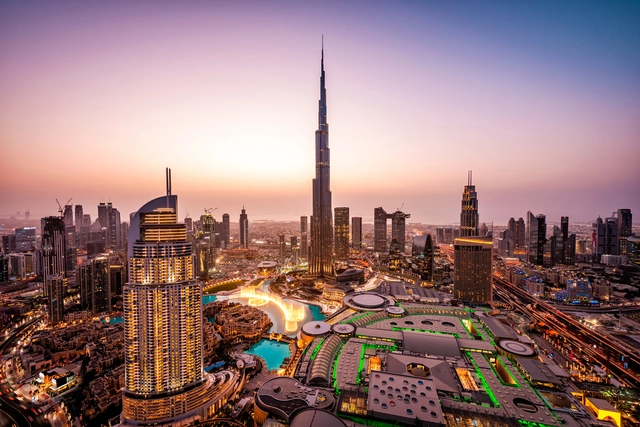
The Dubai Crown Prince has issued a Resolution to form a Supreme Committee for the Urban Planning of Dubai. The decision aims to regulate, ensure, and implement all the required deliverables of the Dubai 2040 Urban Master Plan, to make Dubai the "best city in the world to live in". The urban planning sector will overlook all major infrastructure and urban projects, as well as focus on addressing matters of housing and regulations of the real estate sector to improve the wellbeing of the city's residents.
Transformation of the brownfield area in Náchod city. Image Courtesy of LETO Architects
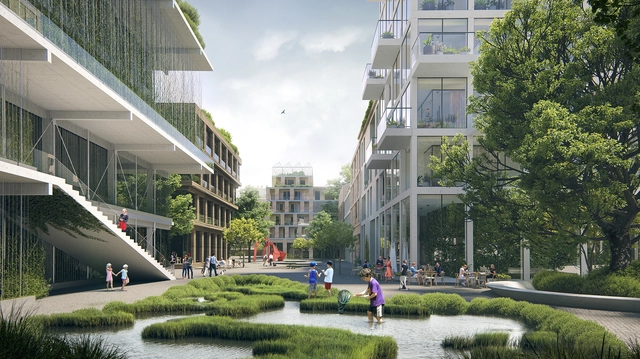
Urban design is increasingly striving for more inclusive, sustainable environments, bringing together various groups and activities, and fostering social interaction. This week's curated selection of the Best Unbuilt Architecture focuses on urban designs, large-scale urban development projects and masterplans submitted by the ArchDaily Community, showcasing how architects around the world work with and shape the urban fabric of highly diverse environments.
From the transformation of a brownfield into a lively neighbourhood in the Czech Republic to the redevelopment of Bergamo's city centre around new spatial and collective values, the following projects showcase the ideas shaping urban design, from functional diversity and notions of proximity to a focus on outdoor spaces. The common denominators of the following projects are their collective focus and the strong connection with the existing urban fabric.
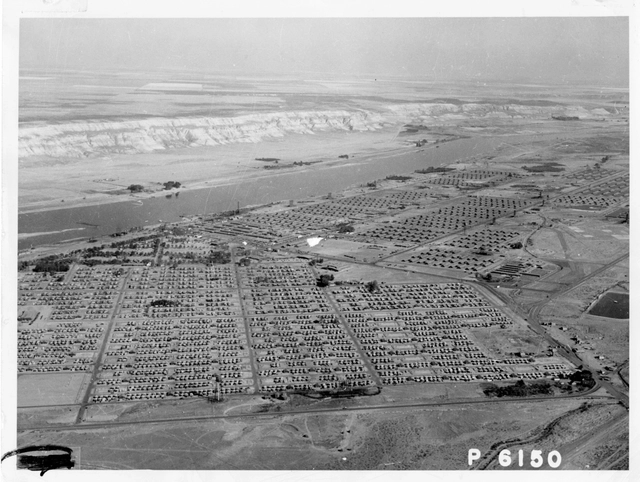
Aerial view of the Hanford Construction camp. Image Courtesy of National Archives and Records Administration
In 1942, less than a year after the United States was pulled into World War II, the U.S Army Corps of Engineers quickly and quietly began acquiring large parcels of land in remote areas in three states. Soon after, thousands of young designers, engineers, planners, scientists, and their families, began arriving at these sites that were heavily shielded from public view. Workers there constructed hundreds of buildings including houses, industrial structures, research labs, and testing facilities at unprecedented speed and scale.
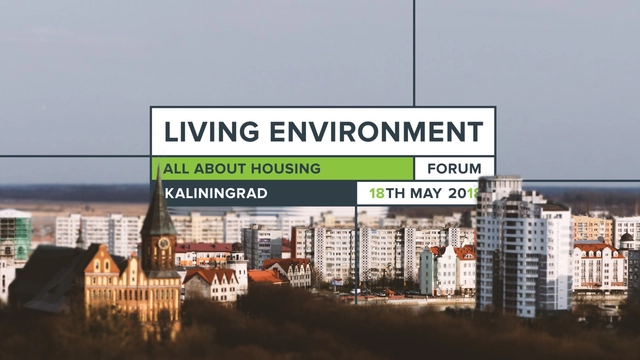
Besides sessions and roundtables, the ambitious program of the event includes the shortlist presentation of the projects submitted for the Open International Competition of Architectural Concepts for Standard Housing and Residential Buildings. Architects and bureaus from 39 countries took part in this prestigious competition with their projects of innovative residential housing for future generations of Russians. The competition announces a remarkable prize fund: 20 finalists will receive 1 million roubles (about € 13 300) each, up to five winning projects will be awarded 2 million roubles (about € 26 600) each, and up to five runners-up will receive 1.5 million roubles (about € 19 900) each.
2015 Winning Entry by Jacques Gaffigan. Image Courtesy of The Knight Foundation
The John S. and James L. Knight Foundation has announced the names of the 158 finalists in the Knight Cities Challenge. The nationwide call was for innovative ideas to make the 26 communities where the Knight Foundation invests more social and vibrant places to live. More than 4,500 entries were submitted proposing a range of ideas from opening the world’s largest African American history museum in Detroit to a card game that encourages residents of Charlotte to visit new neighborhoods. The winners, who will split a prize of $5 million, will be announced in the spring of 2016.




_Evgeny_Evgrafov_02.jpg?1655225292 "© Evgeny Evgrafov")