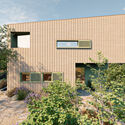
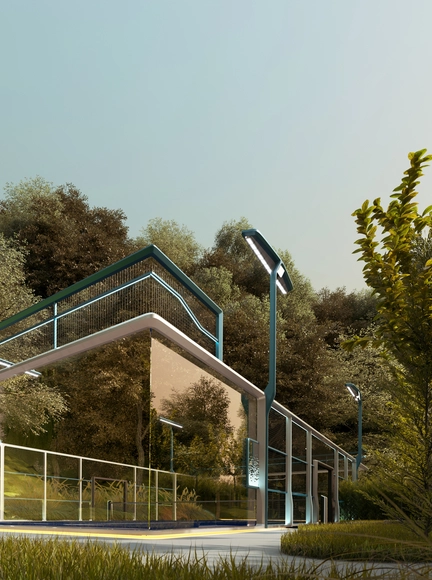
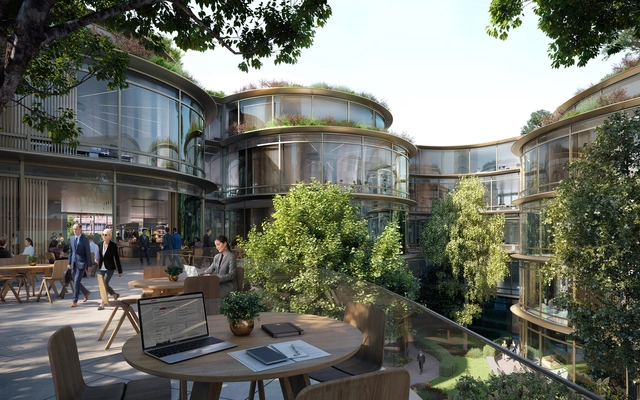
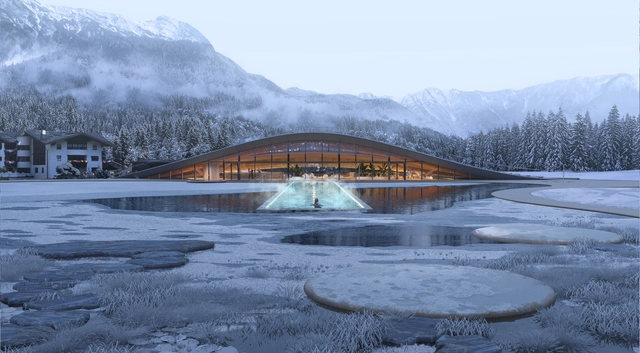
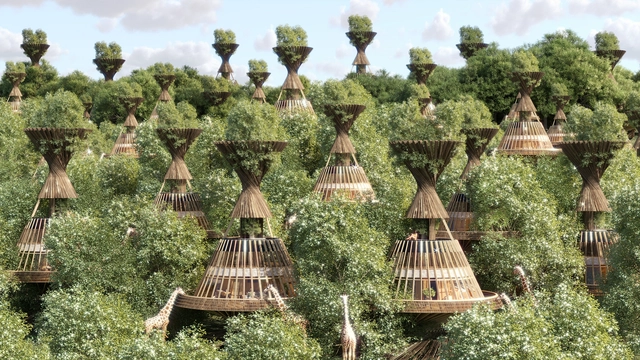
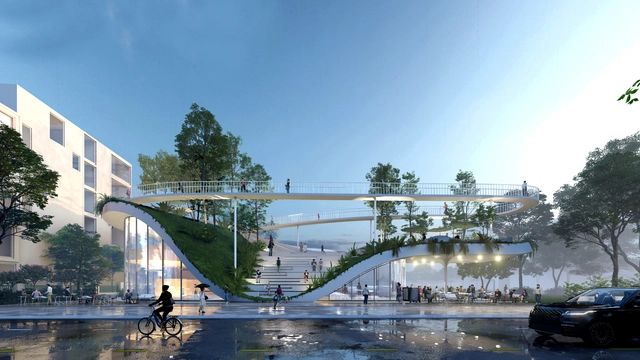
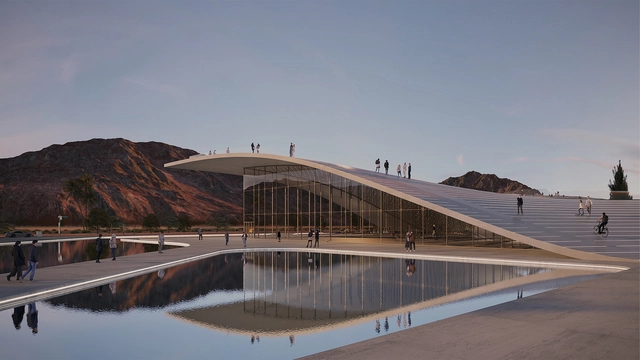
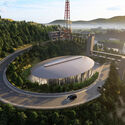
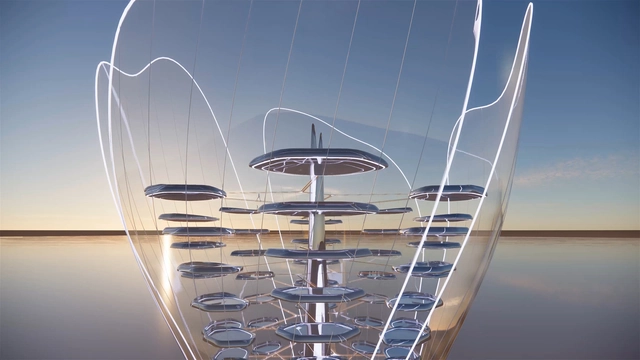
Tourist facilities are a significant architectural program as they not only provide essential amenities for travelers but also encapsulate the cultural essence of a destination. Resorts and hotels experiment with ideas of comfort and leisure, restaurants bring visitors into the local culinary culture, while wineries merge craftsmanship, tradition, and modernity. Visitor centers are another facility often provided for travelers, serving as gateways to exploring the city. Besides their flexible program, these architectural interventions most often strive to relate and harmonize with the local context to enrich the narrative of the space and create a memorable experience for every visitor.
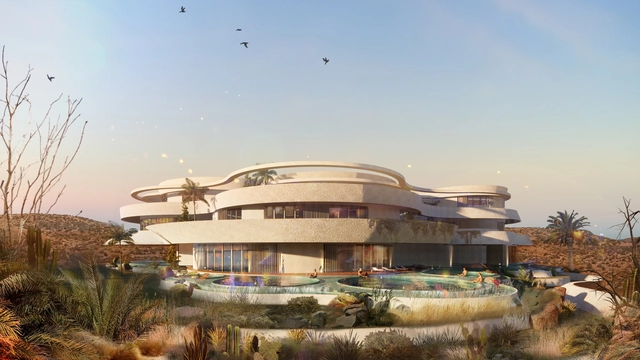
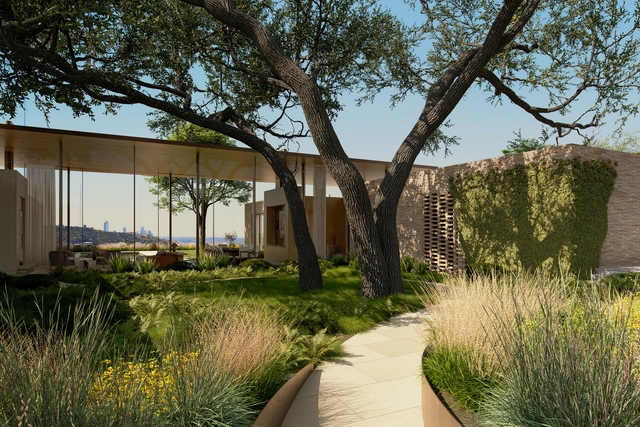
This week's curated selection of Best Unbuilt Architecture highlights projects submitted by the ArchDaily community that showcase various amenities dedicated to tourists, from wine cellars, specialty restaurants, and visitor centers to isolated camping sites in the mountains or lavish spa hotels in the arid areas of the Middle East. Featuring projects from emerging and established architectural offices such as Melike Altınışık Architects, Lockhart Krause Architects, MUA, and OMBI Innovation Lab the selection includes a wide range of programs and scales, showcasing designs that rethink conventional tourist facilities while establishing a connection with their surroundings and cultural context.
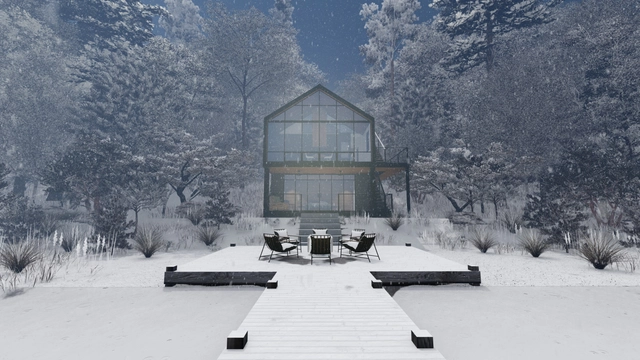
It is well known that exposure to more green spaces and cleaner air has profound impacts on human health and psychology. This kind of exposure has been linked to reduced stress, improved cognitive function, and enhanced creativity. These sanctuaries offer relief, allowing the human to reconnect with the natural world. These residential homes are often a refuge from busy city life, ranging from vacation homes to retirement homes. Moreover, as the global call for sustainable practices becomes more pressing, the role of natural elements in architecture becomes imperative.
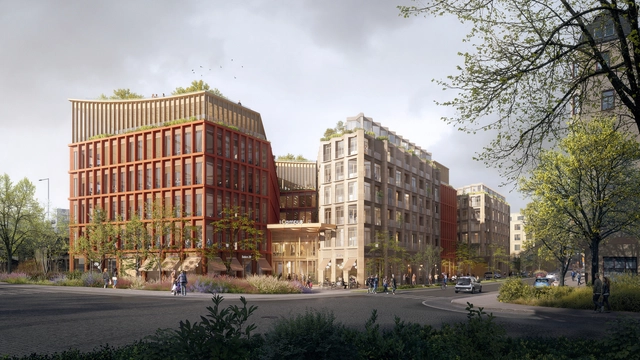
Vectura CampusF / Schmidt Hammer Lassen Architects. Image Courtesy of Schmidt Hammer Lassen Architects _ By WAX
Exploring unbuilt projects can offer insights into the design process and leading strategies employed by contemporary architecture practices, revealing unexpected solutions, experimental approaches and innovative design concepts. This week’s curated selection of Best Unbuilt Architecture highlights designs submitted by established architecture practices. From a fjord-side regeneration project and oceanography research center to a headquarters building shaped to reflect company’s main focus or a restaurant adapted to extreme conditions, the compilation of unbuilt projects presents the variety of concepts, design philosophies and programs put forward by prominent global architecture studios.
Featuring internationally recognized offices like CRA-Carlo Ratti Associati, Herzog & de Meuron, OODA, KCAP, and Aedas, this selection showcases worldwide interventions that illustrate architectural and civic interventions across diverse scales and programs. Whether tackling the restoration of monuments, interventions in public spaces or the transformation of a city’s waterfront, each of these projects aspires to deliver a fitting response to the spatial, functional, social and ecological requisite of its context.
Sporting facilities can play a vital role in the lives of cities by providing multifunctional public spaces where the people can join in large-scale events providing entertainment and spectacle while also promoting well-being and enhancing community engagement. Additionally, well-designed sporting arenas can become icons for a city, creating a sense of pride and identity and attracting visitors and residents. One such example is the Grand Slam tennis tournaments, which take over cities like Paris, London or New York, attracting fans from all around the world. The Philippe Chatrier and greenhouse transformed into the Simonne-Mathieu Tennis Court in Paris have become architectural landmarks, serving as catalysts for urban development and cultural exchange.
Other small-scale venues also play a role in the lives of communities, acting as gathering places for people with shared interests, fostering a sense of belonging and contributing to the overall health of the neighborhoods. This week's curated selection of Best Unbuilt Architecture highlights projects submitted by the ArchDaily community that showcase both large and small scale sporting venues. From a ‘box in a box’ basketball pavilion in Greece, to a translucent multi-sports arena in El Salvador or a dune-line arena in Morocco, this selection features projects that encourage and celebrate movement, athleticism and fair play competition.
Courtesy of Foster + Partners | Bank of International Settlements (BIS) Headquarters Extension
Office spaces in design and architecture play a crucial role in shaping the way we work and interact in professional environments. They are thoughtfully designed to promote healthy output, encourage teamwork, and give workers a welcoming and motivating environment. After the Covid-10 pandemic, work lifestyles underwent a significant transformation. As a result, companies have been adapting and redesigning new ways of working, implementing flexible schedules and hybrid work policies.
This evolution in work lifestyles has father influenced office design, now more focused on prioritizing health, safety, personal space, and collaboration. Office spaces in design and architecture have been adapting to the changing work landscape for decades. As they evolve to meet the changing needs of the workforce, various design iterations are explored, promoting different values.
This week’s curated selection of Best Unbuilt Architecture showcases projects submitted by the ArchDaily community highlighting different office spaces. Ranging from a more formal bank headquarters in Switzerland to a mixed-use business center in Ukraine, these designs heavily influence the way in which people work in the spaces.
Architectural competitions play a crucial role in developing the architectural profession and in advancing the quality of the built environment. They are also an opportunity for architects to showcase their creativity and experiment with innovative or unexpected architectural solutions, be it for real or imagines contexts. This week's curated selection of Best Unbuilt Architecture highlights different competition-winning designs submitted by the ArchDaily Community.
From a spa and wellness center seamlessly integrated into the mountainous landscape of Austria to a refurbished city center that creates opportunities for social interaction in one of Bulgaria’s largest pedestrian city centers, the round-up spans various programs, scales, and attitudes toward the built or natural environment. The selected projects represent explorations in various design solutions, materials, and construction methods. They also showcase the broadness of possible responses ignited by site-specific conditions, from the volcanic landscape of Iceland, to the picturesque hills of the Kerala region in India or the lively central plaza in one of Israel’s largest cities.
The history of architects designing resorts is intertwined with the development of the hospitality industry and the concept of leisure travel. The origins can be traced back to ancient times when the Romans built luxurious villas and bathhouses as retreats for the wealthy. However, the modern notion of resorts emerged during the 19th century with industrialization and the growing middle class seeking recreational experiences.
At a very high standard of luxury, resort hotels provide an immersive and rejuvenating vacation experience. These resorts are frequently rooted in beautiful landscapes in remote locations, often containing full-service accommodations, offering escapism and complete disconnection. Architects have continued to shape the resort landscape in recent decades with their designs. Sustainability and integration with natural surroundings have gained importance as architects strive to create environmentally conscious and immersive resort experiences.
As repositories of knowledge and catalysts for innovation, museums represent an architectural typology filled with opportunities. They act as an intermediary between the general public and artists, historians, and researchers, creating the medium for the display of cultures and creativity while also striving to make knowledge accessible to all. Through careful curation and exhibition design, they provide a platform for education and research, fostering an understanding and appreciation of diverse cultures, histories, and ideas. For architects, they also present an opportunity to conceive spaces aligned with the exhibits on display to create an immersive experience for the visitors.
This week's curated selection of Best Unbuilt Architecture highlights projects submitted by the ArchDaily community that showcase art, technology, and innovation through the program of museums and cultural centers. Featuring projects from emerging and established architectural offices such as Hariri Pontarini Architects, Beyer Blinder Belle, Studio Saheb, RAMSA, and Ho Khue Architects, the selection includes a variety of scales and programs, from a museum dedicated to the commemoration of the Holocaust to a private sportscar museum in Austria or an intricately-shaped art gallery in Vietnam.
Lake House, Hudson Valley, New York. Image Courtesy of RS Mannino
This week’s curated selection of Best Unbuilt Architecture highlights visionary villas submitted by the ArchDaily community. From a modern lake house weekend retreat in New York, a Mediterranean Villa in Portugal that blends outdoor and indoor, and a rammed earth residential complex of five villas that fold into the Balinese landscape, this round-up of unbuilt projects showcases how architects are moving forward from conventional residential architecture, pushing the boundary of luxury.
Each project has a different vision, generated by unique site conditions, and has been designed specifically for the future users of the villa. Moreover, firms like Bittoni Architects, Lipman Architects, RS Mannino Architects have all presented work that plays with materiality, giving the houses unique characteristics.
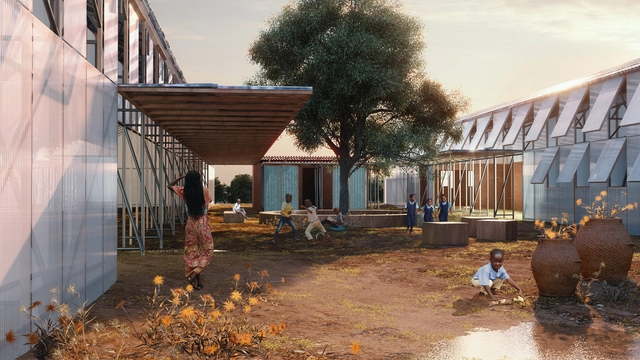
The year 2022 was marked by several socio-cultural and economic crises across the globe, from the Russian invasion of Ukraine to the increasing cost of living worldwide, combined with a number of natural disasters such as the devastating floods in Pakistan and hurricane Ian in the US. In these difficult times, architects are stepping up and embracing their role in developing design-based solutions to humanitarian crises, ranging from temporary shelters and affordable housing schemes to centers for protecting at-risk groups such as homeless underage girls, children from low-income environments, or families in need of medical care.
This week's curated selection of Best Unbuilt Architecture highlights projects submitted by the ArchDaily community that engage with their local communities, offering safe spaces for disadvantaged and at-risk groups. From a sanctuary for homeless girls in Iraq to an affordable housing project in Prague’s first skyscraper, this selection features projects centered around people, their needs, and desires. Many of the projects employ local materials such as clay bricks to lower the construction costs. They also reuse existing buildings and hope to engage the local community in building and appropriating the proposed spaces.
In any city, cultural centers can play a significant role in preserving and celebrating the community’s heritage and history, officing space for a vast array of activities and initiatives to encourage social interaction and the sharing of ideas and memories. They are also institutions that promote education and learning, often offering classes, workshops, and lectures on various topics related to culture, history, and the arts. By fulfilling these crucial roles within a given community, they can also become attractive centers for tourists eager to learn about local identities, cultures, and traditions.
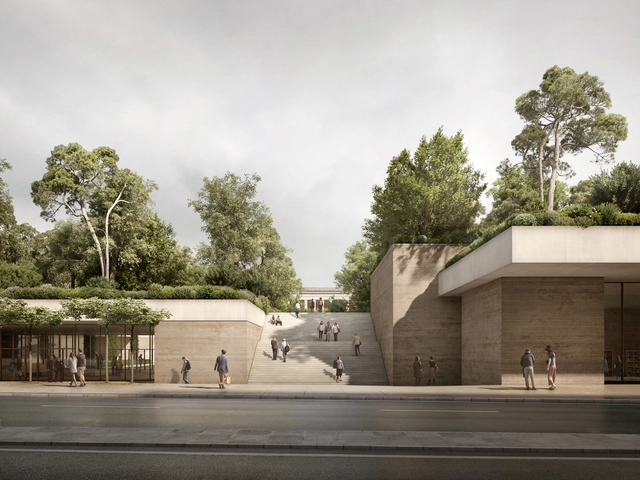
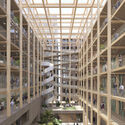
Sir David Chipperfield has been awarded with the 2023 Pritzker Prize, the highest distinction in the architectural profession. Known for his well-crafted, precise, and sensible response to complex environments, the architect became initially recognized for the skillful restoration and renovation of existing buildings, often cultural institutions, before expanding the range of projects to include new structures. While his built body of works demonstrates many of the core principles of good architecture, the ongoing projects reveal an equally relevant narrative: that of his direction moving forward and the way in which his approach to these principles evolves.
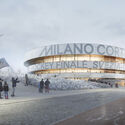
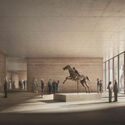
Many of the ongoing projects continue Chipperfield’s interest in museological and cultural institutions, yet he continues to work across a wide array of building types. The latest major project announced tackles one of the most prominent institutions in Greece, the National Archeological Museum. This represents yet another opportunity for the architect to present museums as institutions that offer a transformation of the urban life of the cities where they are located, while also bringing forward the historical layers that define its architecture. Other projects, such as the Santa Giulia Arena in Milano or the Elbtower in Hamburg, expand the range of programs and typologies addressed by Chipperfield.
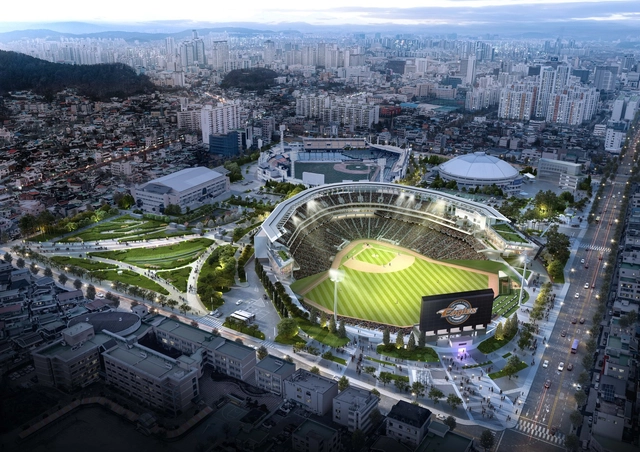
Baseball Dream Park / HAEAHN Architecture, Inc.. Image Courtesy of HAEAHN Architecture
Sport plays an important role in the life of every city, yet the buildings housing these activities pose a particular set of challenges to the architects. Scale and dimensions need to be adapted to allow for unrestricted movement, heights are adjusted to the force of an athlete’s throw, and lighting, surface, and finishes require careful consideration. The matter becomes even more complex if these activities become the center of large-scale events. The flow of people becomes an integral part of the design, as different types of users require separate circulation paths.
This week’s curated selection of Best Unbuilt Architecture highlights the design of sports centers submitted by the ArchDaily community. From a tennis stadium in Italy, to a yoga pavilion on the cliffs of Portugal, this selection features projects centered around movement, practicing, following, and enjoying sports, be it tennis, baseball, yoga or football. The article presents projects from various counties, such as South Korea, Canada, Portugal, and Argentina.
Korean Museum of Urbanism and Architecture | South Korea. Image Courtesy of Atelier of spatial matters
This week's curated selection of Best Unbuilt Architecture highlights cultural centers by the ArchDaily community. From a spiral- gallery symbolizing the Jinju culture in South Korea, a building devoted to Irish culture to a gallery to serve as a cultural incubator for Indonesia, this round-up of unbuilt projects showcases how architects, community, and institutions team up to promote culture, arts, history, and reflection.
Tu Casa by Lutolli Architects + Partners. Image Courtesy of Lutolli Architects + Partners
Architects play an important role in creating healthy, functional and aesthetically pleasing environments. Interior design represents a natural continuation of the same prerogative, and its importance has been accentuated in recent years, from the lockdown forcing many people to remain indoors for extended periods of time, to the rise of remote work. The task of the interior designer is not decorating spaces, but planning for an effective use of space, understanding the needs of the user and highlighting the intrinsic qualities of a space. Acoustics, lighting, material properties and proportions all play a role in achieving a coherent and enjoyable interior space.
This week’s curated selection of Best Unbuilt Architecture highlights interior design projects submitted by the ArchDaily community. From a pastel-colored library in Turkey to a renovated symphony hall in San Diego, US, this selection of unbuilt projects showcases how architects design interior spaces by integrating textures, materials, light, and color in well-proportioned spaces. The article includes projects from Turkey, US, Switzerland, Indonesia, UK, and Denmark.
Tagh Behesht Business Center in Tehran, Iran. Image Courtesy of Rvad Architecture and Design Studio
This week's curated selection of Best Unbuilt Architecture highlights office spaces submitted by the ArchDaily community. From a TV station in Vietnam to a bazaar-inspired business center in Iran, this round-up of unbuilt projects showcases how architects structure corporative spaces to serve as a model for sustainable, innovative, and future-oriented workplaces.
Meta City Hall / CAA LAB. Image Courtesy of CAA LAB
The promise of the metaverse is proving to be a fertile ground for research and experimentation for architects. This new realm is currently undefined, consisting of many narratives, explorations, and opportunities for architects and designers to shape a new type of environment. Generative engines, such as AI image-generators, are contributing to the feeling of open possibilities. While they are not yet part of the standard practice, they bring the promise of a shift in the production of architecture. Conceptual projects such as the ones presented in this list serve little to no external purpose. Still, they are essential in conducting an understanding of the possibilities of the new technologies which are likely to have a significant effect on the profession.
This week's curated selection of Best Unbuilt Architecture highlights projects submitted by the ArchDaily community that experiment with a new medium and integrate novel technologies. From abstract buildings created to be experienced through virtual reality in the metaverse to investigations into the ability of AI image generator engines to develop innovative architectural expressions and even research into planimetry, the following projects are pushing the boundary of what architecture could look like in the new age of technological developments.
fala - House with Three Gestures. Image Courtesy of fala
This week’s curated selection of Best Unbuilt Architecture highlights projects submitted by established firms. From a museum dedicated to Jewish history to a high-speed railway hub and a university student center, the following selection showcases a variety of concepts, design approaches, and programs developed by global architecture offices.
Featuring firms like KPF, Aedas, Fala Atelier, ADP Architecten, and Peter Pichler Architects, this week's selection of unbuilt projects explore architectural and urban interventions at different scales and at varying stages of their development. Whether conceptual works or ongoing, planned for execution, and even under construction, each project aims to offer an appropriate response to the spatial, functional, social, and environmental needs of its context.