1. ArchDaily
  2. Sustainability

Sustainability: The Latest Architecture and News

Extending the Lifespan of Materials: Circularity and Recyclability as Part of the Design

 | In Collaboration

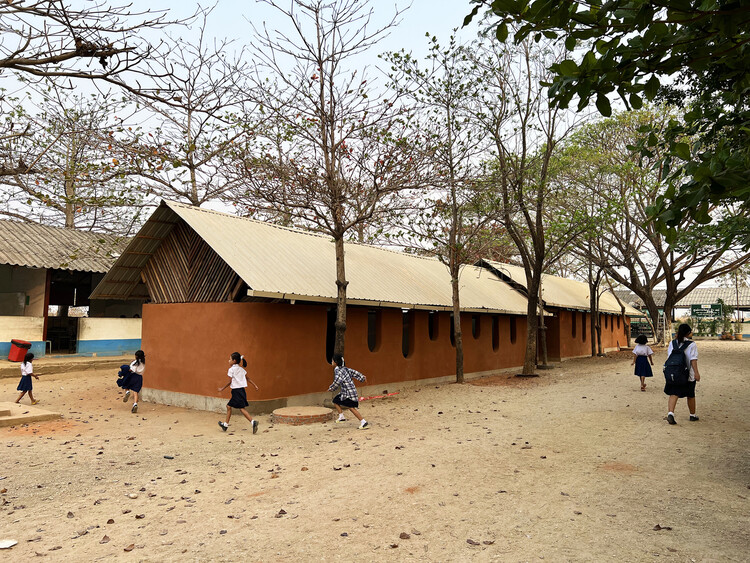
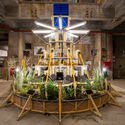
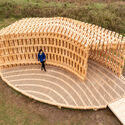
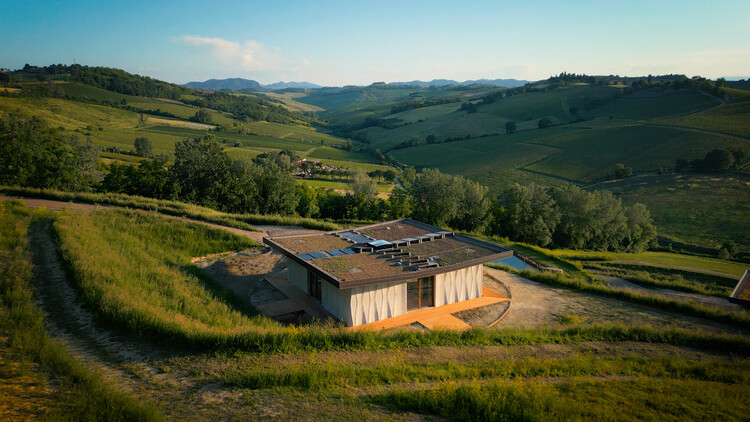
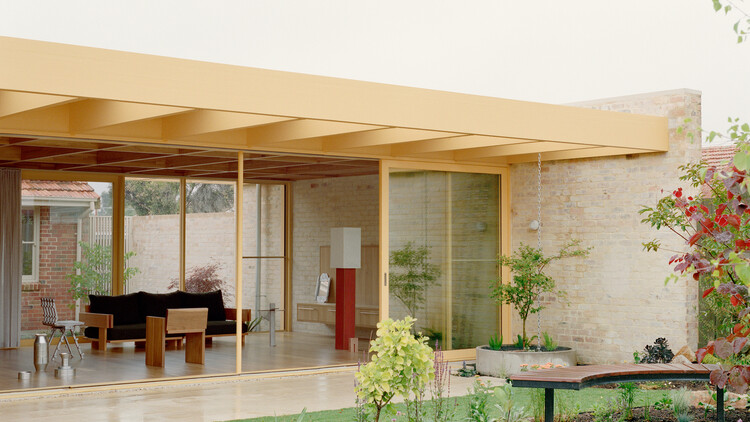
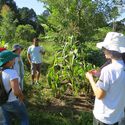
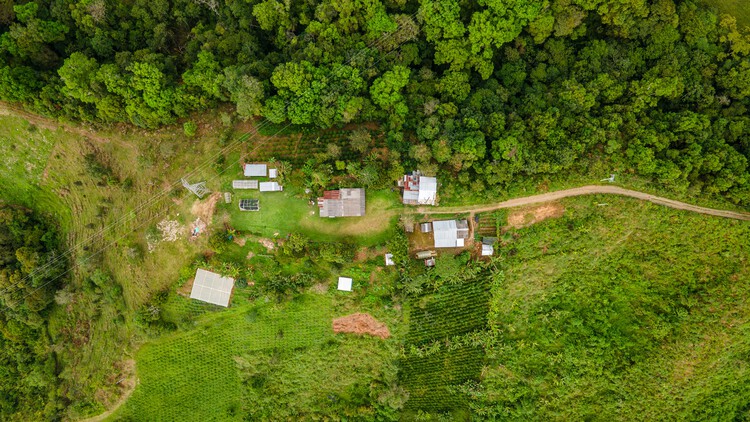
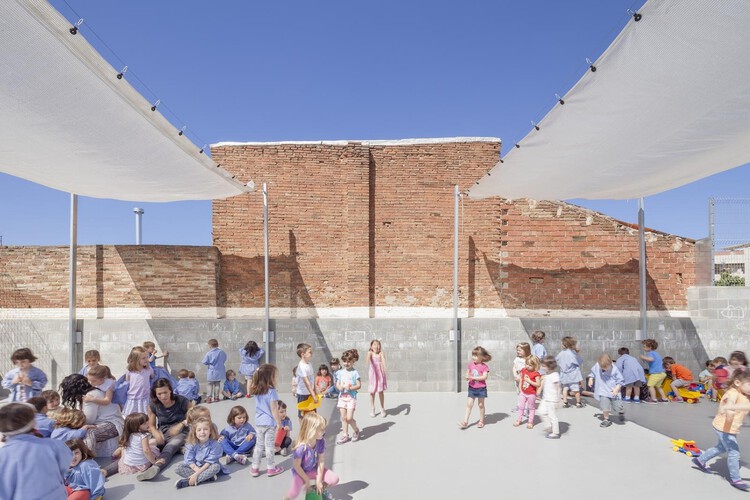
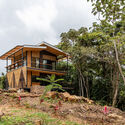
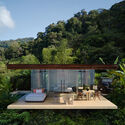
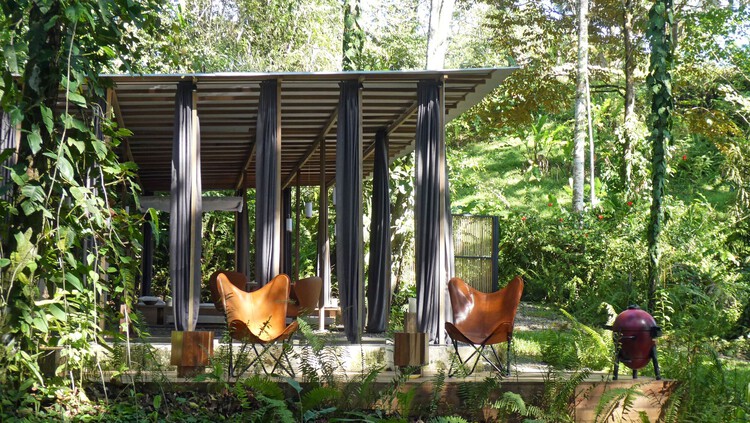
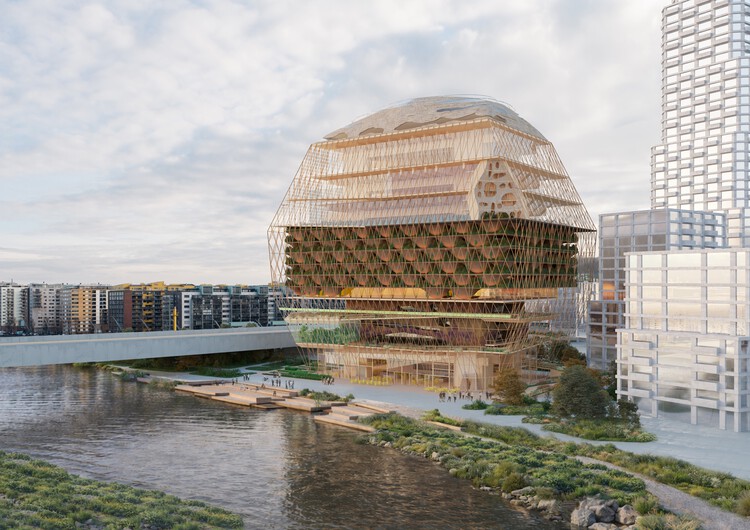
What is the current global outlook on the recyclability of materials used in architecture? To what extent are contemporary societies truly committed to reducing environmental impact? In the effort to live in balance with nature, replacing fossil fuels with renewable energy sources is one of the key strategies for cutting greenhouse gas emissions and addressing global warming. Looking to nature for inspiration as a way to protect it means creating designs that incorporate sustainability, circularity, and recyclability from the very first sketch. From building systems to surface finishes, the use of biomaterials in architecture reflects a mindset rooted in long-term responsibility for a material's full life cycle.

Extending the Lifespan of Materials: Circularity and Recyclability as Part of the Design - Imagen 1 de 4Extending the Lifespan of Materials: Circularity and Recyclability as Part of the Design - Imagen 2 de 4Extending the Lifespan of Materials: Circularity and Recyclability as Part of the Design - Imagen 3 de 4Extending the Lifespan of Materials: Circularity and Recyclability as Part of the Design - Imagen 15 de 4Extending the Lifespan of Materials: Circularity and Recyclability as Part of the Design - More Images+ 25

Six Sites Host the Olympic Villages of Milano Cortina 2026 With a Focus on Existing Infrastructure

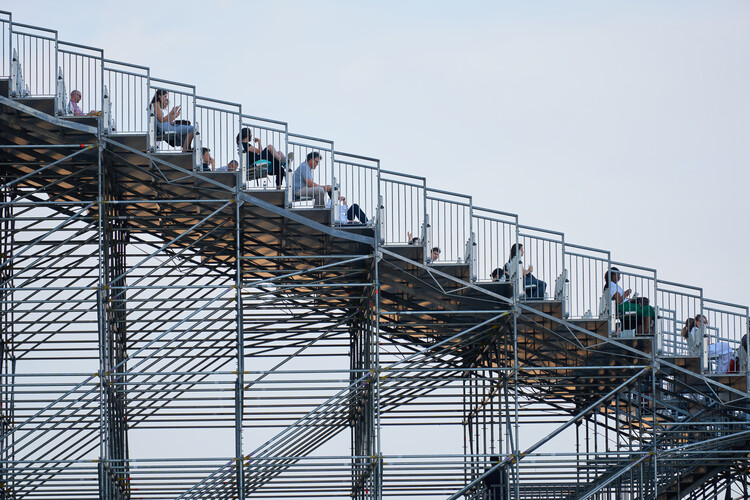
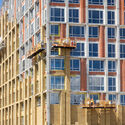
As preparations advance for the Milano Cortina 2026 Olympic Winter Games, set to take place from February 6 to 22, 2026, this edition introduces one of the most geographically wide-ranging configurations ever implemented for the Winter Olympics. Extending across two cities, two regions, and two autonomous provinces, the competitions will be staged over more than 22,000 square kilometres of Northern Italy. Metropolitan venues in Milan are paired with longstanding Alpine centres in Cortina d'Ampezzo, Livigno, Bormio, Anterselva, and Val di Fiemme, creating a framework that bridges urban and mountain contexts. More than 90 per cent of the venues are existing or temporary facilities, reflecting a strategy centred on adaptive reuse, selective upgrades, and long-term integration into regional sport and cultural infrastructures. Nearly 2,900 athletes will compete in 116 events, including the debut of ski mountaineering and several new mixed-gender formats that signal evolving approaches to winter sports programming.

Six Sites Host the Olympic Villages of Milano Cortina 2026 With a Focus on Existing Infrastructure - Image 1 of 4Six Sites Host the Olympic Villages of Milano Cortina 2026 With a Focus on Existing Infrastructure - Image 2 of 4Six Sites Host the Olympic Villages of Milano Cortina 2026 With a Focus on Existing Infrastructure - Image 3 of 4Six Sites Host the Olympic Villages of Milano Cortina 2026 With a Focus on Existing Infrastructure - Image 4 of 4Six Sites Host the Olympic Villages of Milano Cortina 2026 With a Focus on Existing Infrastructure - More Images+ 2

Building for the Heat: How Terraco’s Systems Can Reduce Energy Use in Hot Regions

 | Sponsored Content

Terraco, a global leader in Exterior Insulation Finishing Systems, has demonstrated through independent studies that when planning building renovations, it is essential to adopt a deep retrofit strategy that includes energy-efficient measures, such as thermal insulation of external walls and roofs.

The studies show that cooling energy use in buildings can be reduced by up to 47% annually in Middle Eastern and South Asian climates, directly as a result of installing the combined Terraco EIFS and Roof Insulation Finishing Systems, compared to leaving external walls and roofs uninsulated.

Light, Material, Reaction: How Active Surfaces® Transform Cybernet Systems’ Tokyo Headquarters

 | Sponsored Content

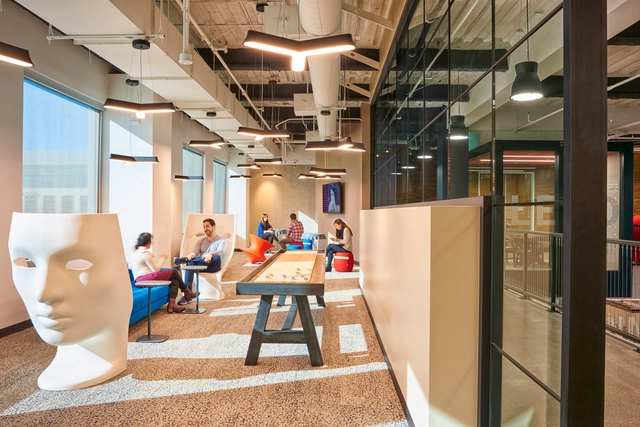
The new headquarters for Cybernet Systems was designed around the Japanese architectural concept of flexibility, promoting well-being, collaboration, and productivity. As a global leader in Computer-Aided Engineering, supporting industrial production through advanced digital solutions, the headquarters, located in the Fuji Soft Akihabara Building in Tokyo, embodies the company's commitment to creating a dynamic, technology-driven community.  

Developed by MB-AA (Matteo Belfiore Architect & Associates) and Shukoh, in collaboration with Cybernet Systems, the project translates corporate values into spatial design. Minimalism, natural light, and openness define the environment. Transparent partitions and adaptable layouts foster communication while allowing each employee to personalize their workspace. Well-being, creativity, flexibility, and technology form the core of the project.

Design Ethos of Subtraction and Addition: 10 Adaptive Reuse Projects for Commercial and Social Spaces in Asia

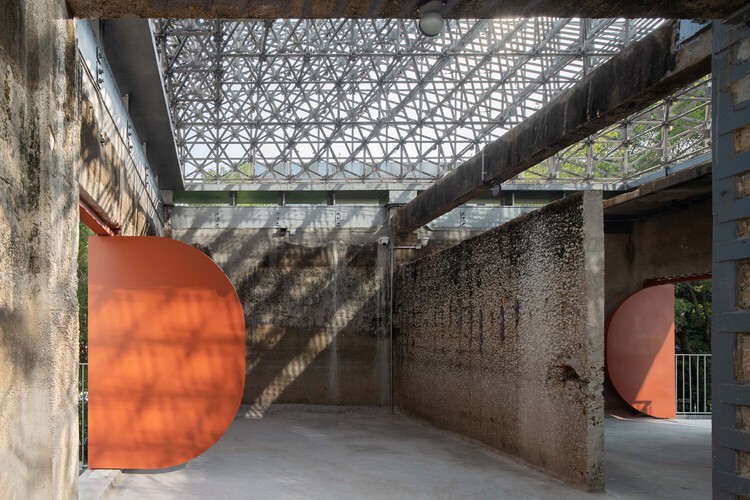
While adaptive reuse has been increasingly acknowledged as a vital architectural strategy worldwide, its discourse and implementation in Asia are still expanding—driven by growing ecological awareness and a shifting understanding of architectural knowledge. Rather than accelerating a developmentalist model centered on demolition and new construction, architects today are confronted with a different approach to the built environment: treating the existing structure as a resource—an archive of materials, spatial organizations, and informal histories.

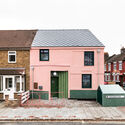
Adaptive reuse is often associated with the preservation of historic buildings and culturally significant heritage. Yet the vast field of seemingly 'less-valued' structures—abandoned houses, standard yet old dwellings, non-conforming office buildings, and overlooked urban voids—has become ground for experimentation. These sites challenge architects and designers to reconsider prevailing standards of efficiency and market-driven development, and to imagine spatial and ecological practices that avoid the continual loss of embodied material and cultural knowledge inherent in constant rebuilding.

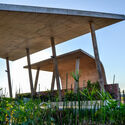
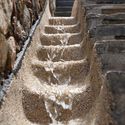
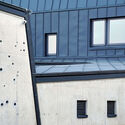
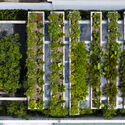
Design Ethos of Subtraction and Addition: 10 Adaptive Reuse Projects for Commercial and Social Spaces in Asia - SustainabilityDesign Ethos of Subtraction and Addition: 10 Adaptive Reuse Projects for Commercial and Social Spaces in Asia - SustainabilityDesign Ethos of Subtraction and Addition: 10 Adaptive Reuse Projects for Commercial and Social Spaces in Asia - SustainabilityDesign Ethos of Subtraction and Addition: 10 Adaptive Reuse Projects for Commercial and Social Spaces in Asia - SustainabilityDesign Ethos of Subtraction and Addition: 10 Adaptive Reuse Projects for Commercial and Social Spaces in Asia - More Images+ 29

Coldefy Completes the First Timber-Framed School in Northern France

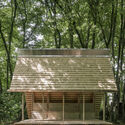
Coldefy, in collaboration with Relief Architecture, has completed the Robert Badinter Secondary School, the first timber-framed school in northern France. Designed to accommodate 650 students, the project is situated on a former railyard adjacent to the city's train station and within walking distance of the town center. The new school forms part of a wider urban renewal strategy aiming to consolidate transportation links and introduce new civic amenities to the area.

Coldefy Completes the First Timber-Framed School in Northern France - 1 的图像 4Coldefy Completes the First Timber-Framed School in Northern France - 2 的图像 4Coldefy Completes the First Timber-Framed School in Northern France - 3 的图像 4Coldefy Completes the First Timber-Framed School in Northern France - 4 的图像 4Coldefy Completes the First Timber-Framed School in Northern France - More Images+ 10

From Diplomacy to Mobility: Six Legislative Responses Cities Are Using to Confront Climate Change

From building codes to mobility restrictions and new diplomatic roles within city governments, climate policy is increasingly being shaped at the local level through a widening range of legislative and institutional tools. Cities as varied as Sydney, Boston, New York, Paris, Miami, and dozens across Latin America are adopting targeted strategies that reflect their distinct environmental pressures and governance structures. These initiatives range from all-electric and net-zero construction requirements, to traffic-control measures designed to curb the social costs of private vehicle use, to emerging forms of urban diplomacy that coordinate responses to rising temperatures and biodiversity loss. Together, these approaches illustrate how territorial management is evolving in response to the accelerating climate crisis, and how local governments are experimenting with regulation and collaboration to confront challenges that are at once global and deeply place-specific.

From Diplomacy to Mobility: Six Legislative Responses Cities Are Using to Confront Climate Change - Imagen 1 de 4From Diplomacy to Mobility: Six Legislative Responses Cities Are Using to Confront Climate Change - Imagen 2 de 4From Diplomacy to Mobility: Six Legislative Responses Cities Are Using to Confront Climate Change - Imagen 3 de 4From Diplomacy to Mobility: Six Legislative Responses Cities Are Using to Confront Climate Change - Imagen 4 de 4From Diplomacy to Mobility: Six Legislative Responses Cities Are Using to Confront Climate Change - More Images+ 1

Designing for Tomorrow: Nature-Positive Solutions in Urban Environments

 | Sponsored Content

The future of urban planning and architecture is promising if the world, collectively, looks beyond the concept of mere sustainability and instead embraces a nature-positive approach. As global population growth drives rapid urbanization—requiring humanity to build the equivalent of a city the size of Madrid every week for decades to come—the construction sector faces a defining challenge: how to build durable, energy-efficient, and resilient urban environments in harmony with natural ecosystems. 

Planetary Transitions Residency Exhibition

The project brings together architects, artists, researchers, scientists, and social workers, the project explores how embodied, material, and technological practices can help us rethink our relationship with the planet’s energy infrastructures.