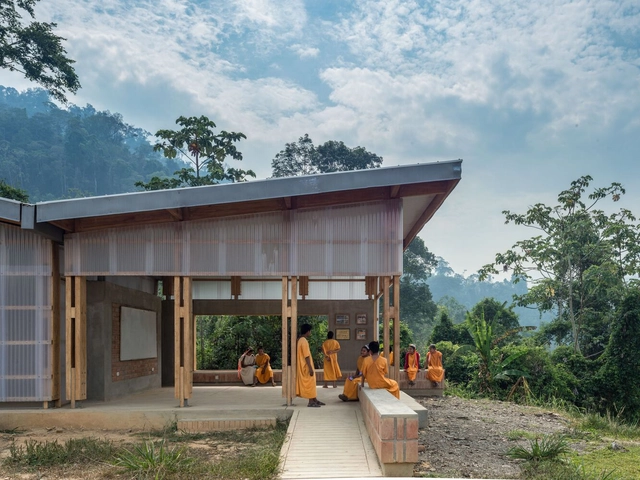
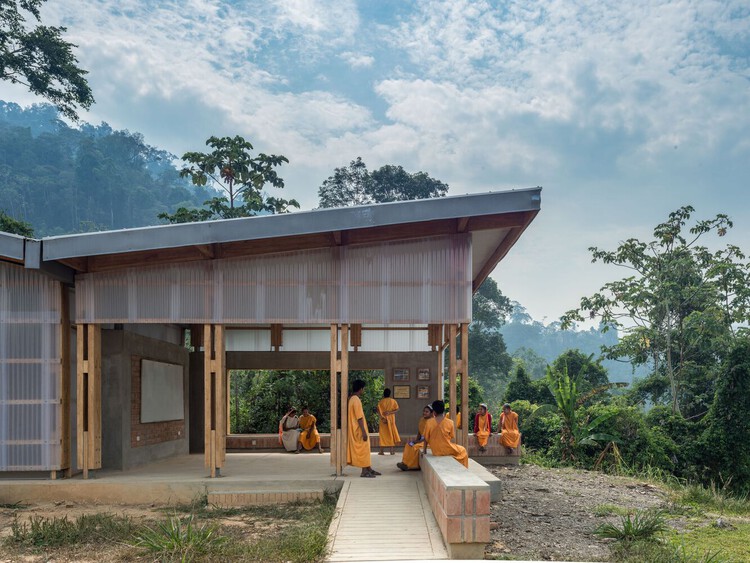
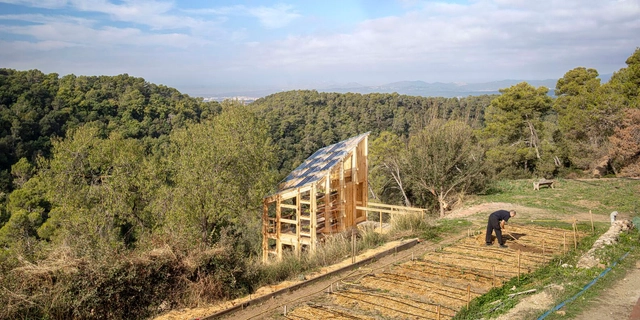
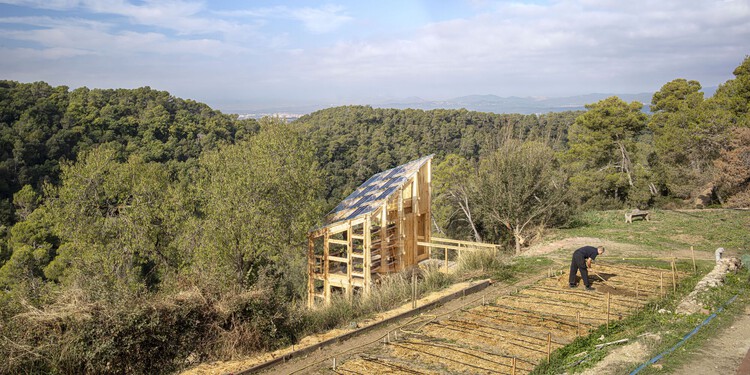
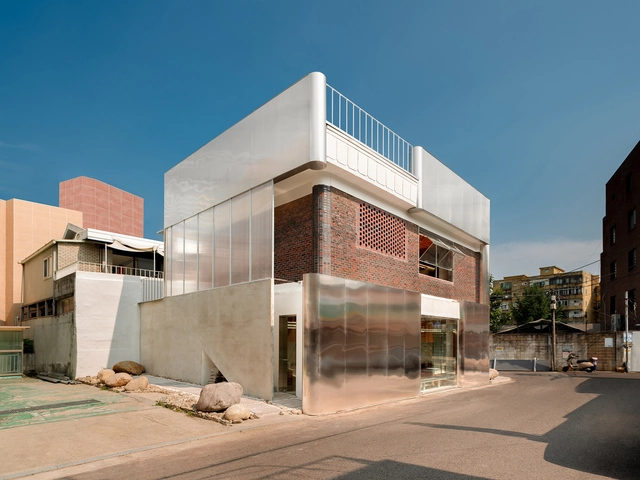
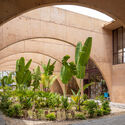
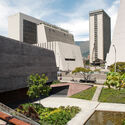
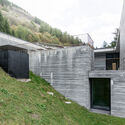
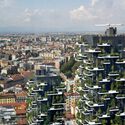
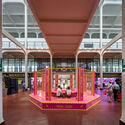
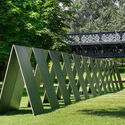
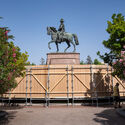
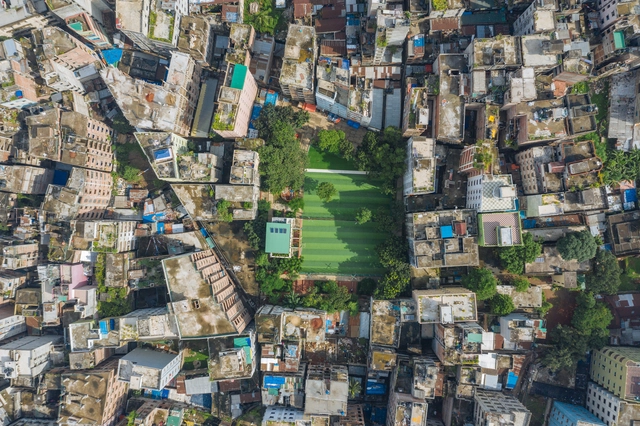
The countryside—long underestimated—is now emerging as fertile ground for possibility. More than a “marginalized space,” rural Latin America today asserts itself as a true laboratory for architectural, social, and ecological experimentation. From agroecological communities to low-impact technologies, from relationships between humans, machines, and other living beings to locally grounded solutions for global challenges—such as the climate crisis, food security, and migration—the rural world is actively and inventively reshaping its own future.
Facing an interconnected planetary climate crisis, biodiversity loss, and resource depletion, regenerative design emerges as a pathway toward building resilient and ecologically attuned rural futures. At the intersection of architecture, agriculture, and local ecosystems, new models of resilient, self-sufficient agricultural practices are emerging. These projects are not grand industrial systems but small-scale, precise, and deeply contextual architectural interventions that create spaces that foster sustainable cultivation while respecting environmental rhythms, local materials, and community knowledge.
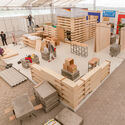
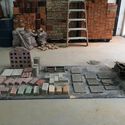
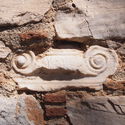
The circular economy, including the reuse of building materials, is fast becoming a key component in the fight against carbon emissions. This involves designing to minimize waste and utilize materials that can be reused at the end of the building's life. On the opposing side, the reuse of materials from partially or wholly demolished buildings can also reduce waste and carbon emissions that would have resulted from using virgin materials. Sustainability purposes aside, the reuse of building materials has a centuries-old history, both for symbolic reasons and simply out of necessity.
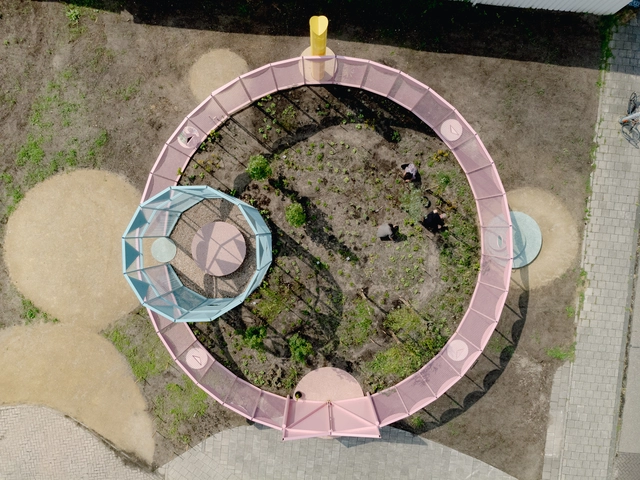
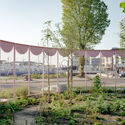
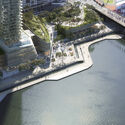
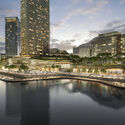
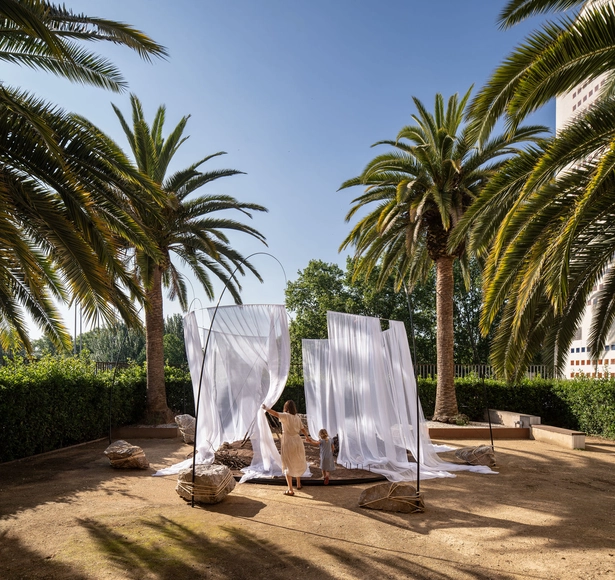
NDSM Lusthof / Studio Ossidiana. Image Courtesy of Studio Ossidiana, Riccardo de Vecchi
As climate instability reshapes design priorities, architecture is increasingly drawn into ecological debates not as a spectator but as a participant. Among the concepts gaining traction is rewilding, a practice rooted in the restoration of self-sustaining ecosystems through the reintroduction of biodiversity, the removal of barriers, and the rebalancing of human presence in the landscape. Though often associated with conservation biology, rewilding also opens up new spatial and architectural imaginaries — ones that challenge conventional notions of permanence, authorship, and use.
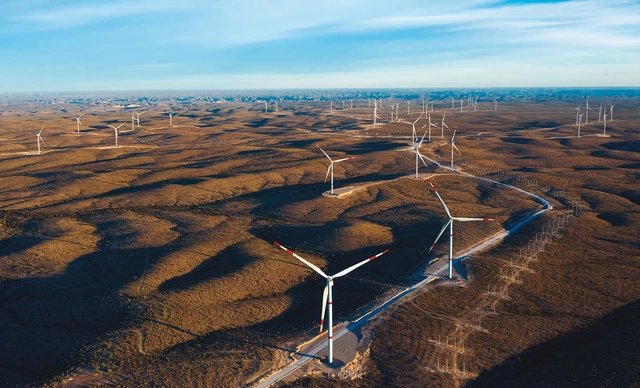
Enel, a global leader in renewable energy, launched "WinDesign", an international contest where talented professionals and students, in the domain of engineering, architecture and design, are invited to imagine and design new wind turbines. The goal is to develop turbines projects that blend more seamlessly into the landscapes that host them, thereby supporting a wider role for them in the energy transition.
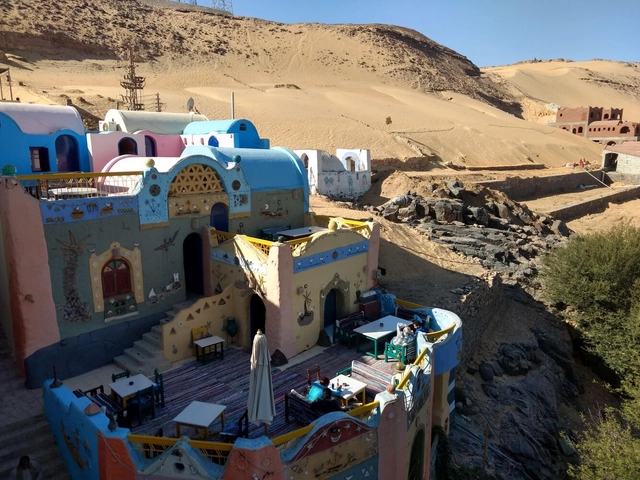
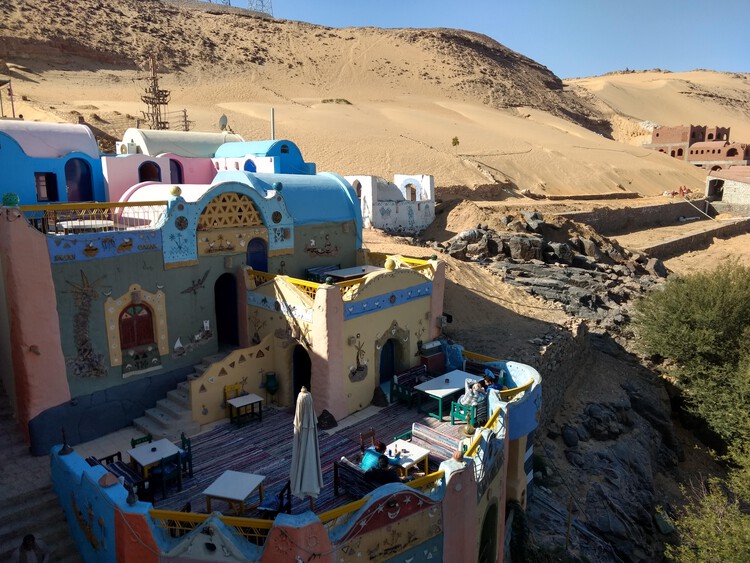
The colorful houses of Aswan in the south of modern-day Egypt attract tourists who venture that far up the River Nile. Accessed by small river boats, islands like Suheil West are the homes of Nubian communities, some of whom had had to relocate after the building of the Aswan High Dam in the 1960s. Behind the picturesque views of plastered walls covered in murals and motifs, perched on rocky hills overlooking the Nile, is a construction technique used locally for centuries. It uses locally sourced materials, conserves nature, and regulates internal temperatures against the heat in the day and the cold at night.
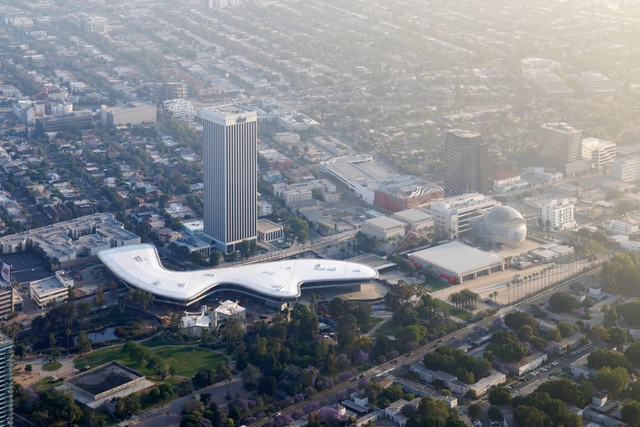
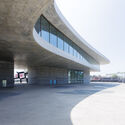
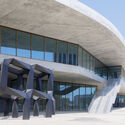
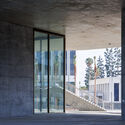
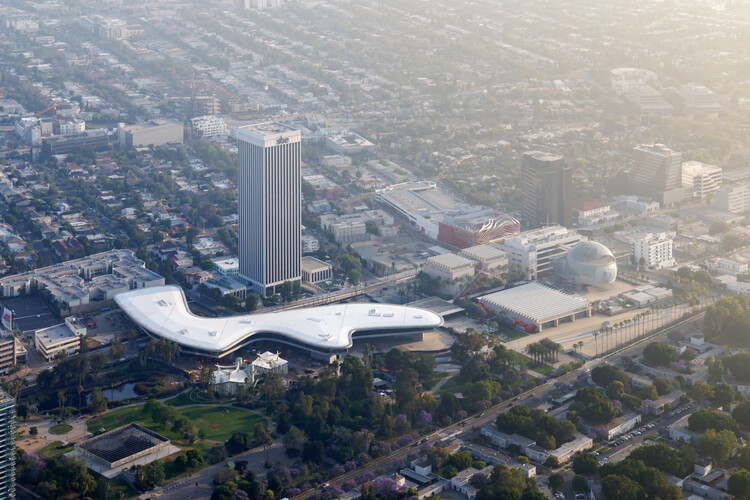
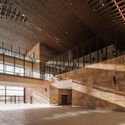
The first photographs of the long-anticipated David Geffen Galleries at the Los Angeles County Museum of Art (LACMA) have been unveiled, captured by architectural photographerIwan Baan. Designed by Pritzker Prize-winning architect Peter Zumthor, in collaboration with Skidmore, Owings & Merrill, the building marks the culmination of a process spanning more than two decades. The museum recently offered an exclusive preview of the building in its raw architectural state, ahead of the installation of artworks. Major construction was completed at the end of 2024, and portions of the lower levels are already accessible to visitors. The galleries are scheduled to officially open in April 2026, when they will house LACMA's permanent collection.
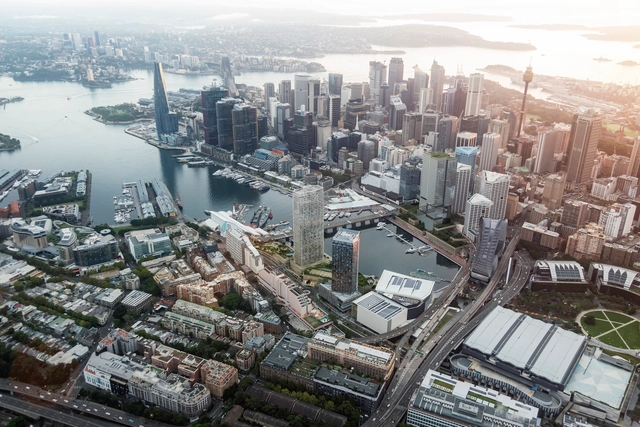
The NSW Independent Planning Commission has approved the public domain works for Sydney's Harbourside redevelopment, marking a significant milestone for the project designed by Snøhetta in collaboration with Hassell and Mirvac. First unveiled in December 2021 as the winning entry in an international design excellence competition, the scheme aims to transform Harbourside at Darling Harbour into a new, iconic destination at the heart of the city. The proposal reimagines the waterfront at Tumbalong / Darling Harbour with more than 11,200 square meters of renewed public space, featuring significant trees, planted areas, sculptural sandstone pathways, and integrated public artworks.
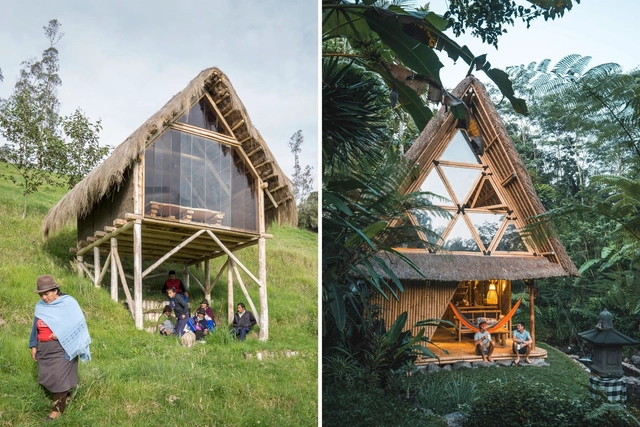
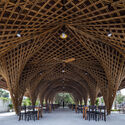
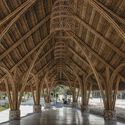
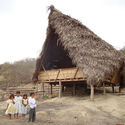
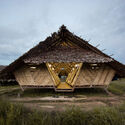
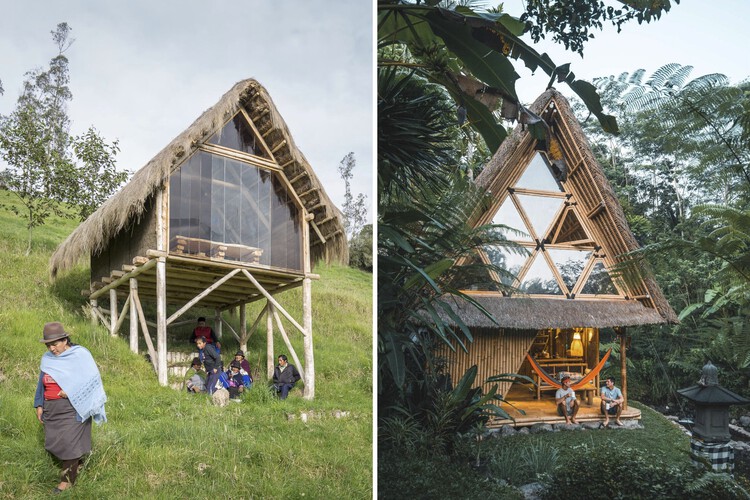
Thatching is a traditional building technique that has been reinterpreted in different ways in contemporary projects, allowing its value to continue to endure over time. As well as being a culturally and historically valuable technique, given its presence in humanity for centuries, it also has a number of other constructive advantages, such as its great environmental value, as it is an accessible renewable material.
The technique consists of grouping, intertwining, and overlapping dry vegetation, creating light surfaces with excellent thermal and sound insulation and which are cheap and relatively simple to build. In addition, flexibility is one of the technique's most prominent features, and it is particularly popular in roofing applications.
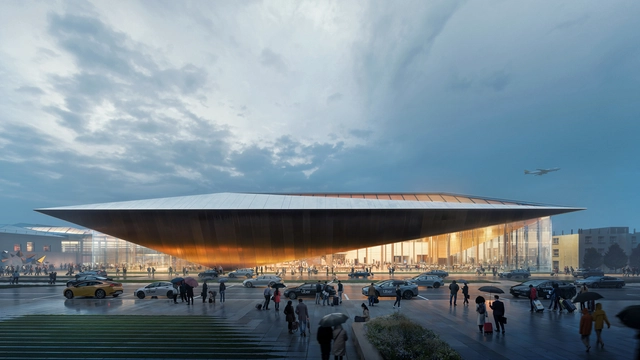
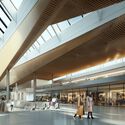
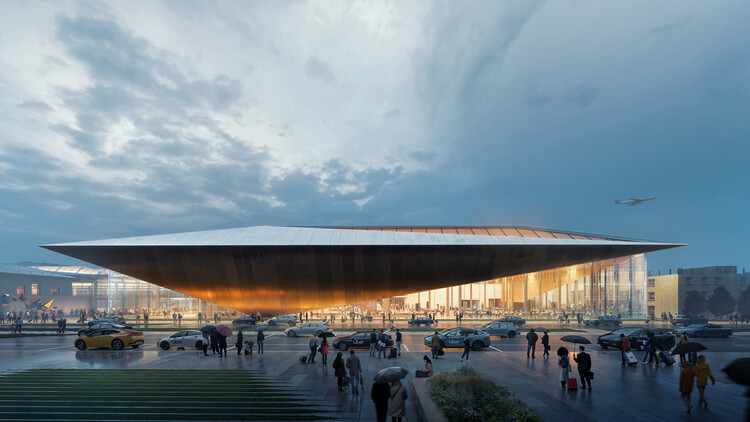
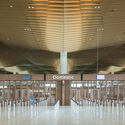
Lithuanian Airports has announced Zaha Hadid Architects as the winner of the international competition to design the new arrivals terminal at Vilnius Airport. Conceived as an integral part of the airport's evolving infrastructure, the new terminal will complement the recently completed departure terminal, enabling Vilnius Airport to accommodate up to 10.6 million passengers annually. The project marks a significant step in the airport's long-term development strategy, addressing future growth in passenger demand while enhancing Lithuania's role as a key gateway in the Baltic region.
The 11th edition of Concéntrico, the International Festival of Architecture and Design, is currently taking place in Logroño, Spain, from June 19 to 24, 2025. This year's edition broadens the scope of the festival with a multifaceted programme that includes not only temporary installations but also permanent projects, exhibitions, educational initiatives, and traveling events. Through 24 urban interventions, Concéntrico 2025 explores themes such as material reuse and circular design, food as a collective practice, the recovery of water-related spaces, the activation of urban voids, and interspecies connections in the urban context, while emphasizing the need to imagine new ways of inhabiting the city, placing care, sustainability, empathy, and active listening at the core of public architecture.
Extreme heat is one of climate change's most urgent and rapidly growing consequences, especially in cities. Urban areas are particularly vulnerable because they trap heat in building materials and urban streets, creating dangerous conditions for residents. As temperatures continue to rise and heat waves lengthen, cities are grappling with how to remain livable in the face of this intensifying threat.
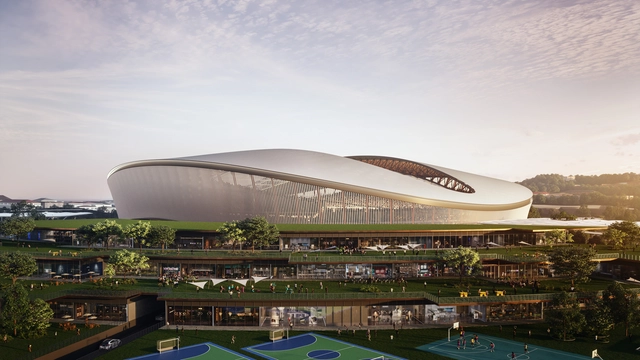
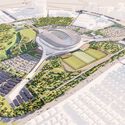
Shah Alam Sports Complex Render. Image Courtesy of Populous
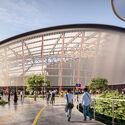
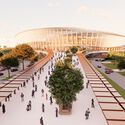
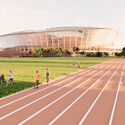
Populous, in collaboration with Malaysian practice HIJJAS Architects + Planners, has released the design for the new Shah Alam Sports Complex in Selangor, Malaysia. Anchoring the Kompleks Sukan Shah Alam (KSSA) masterplan, the stadium sits at the heart of a 188-acre redevelopment led by Populous that aims to transform the site into a major public and civic destination. Originally opened over 25 years ago, the existing Shah Alam Stadium has been a significant venue in the country's sporting history. The new proposal retains the original stadium's silhouette while introducing contemporary architectural and technical upgrades to support current and future needs. Redevelopment works, including the demolition of the aging structure, are planned over 48 months, with completion targeted for 2029.
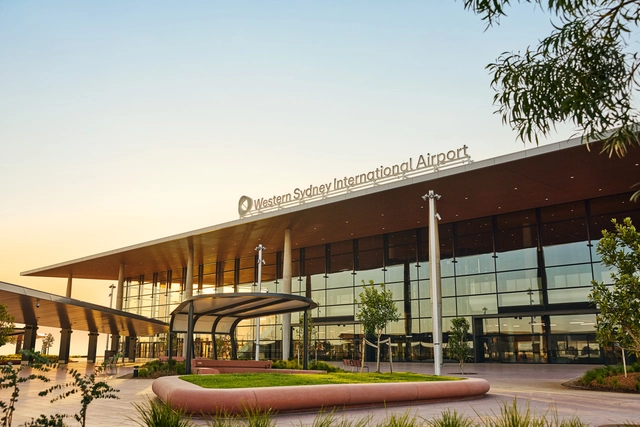
Western Sydney International Airport. Image Courtesy of Western Sydney International Airport
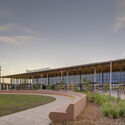
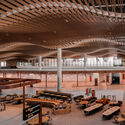
The first photos of the recently completed Western Sydney International (Nancy-Bird Walton) Airport (WSI) have just been unveiled, marking the delivery of Australia's first major airport in over half a century. The design was developed with Zaha Hadid Architects and COX Architecture involved in the initial design concept, and Woods Bagot as the leading design and delivery as part of Multiplex's design team. The terminal presents a new model for airport design, one that is grounded in its setting, responsive to its context, and oriented toward the future of travel. Located in Badgerys Creek on the Cumberland Plain, the terminal is positioned to serve as a long-term gateway to Greater Sydney. While major construction has concluded, final fit-outs of the terminal's retail precinct and airline lounges will be completed closer to the airport's official launch, as commercial agreements continue to progress. Western Sydney International Airport is on track to begin operations, including domestic, international, and air cargo services, in late 2026.
Courtesy of AIA Conference on Architecture & Design
The future of architecture isn't just being drawn—it's being coded. Since mathematician John W. Tukey coined the term "software" in 1958 in The American Mathematical Monthly, its influence has steadily expanded, from revolutionizing science and engineering to quietly transforming architecture. What was first embraced as an innovation for structural calculations and drafting has since revealed a much broader potential, becoming a creative driver in architectural narrative and practice.
While that transformation has already taken root—software now embedded in the way we design and think—it continues to evolve. At the recent AIA Conference on Architecture & Designin Boston, current innovations made it clear that we're entering a new chapter: one where software and artificial intelligence aren't just enhancing workflows but actively shaping sustainability, regulation, and decision-making. Architects and software developers now treat code with the same logic as a material—shaped not by modeling or carving, but through parameters, cycles, constant evolution, and feedback. At the same time, architects are working with AI as a co-pilot in the design process, collaborating with it to support decision-making and enhance the design.
https://www.archdaily.com/1030942/ai-and-architecture-software-at-aia25-from-code-to-concrete-in-the-digital-futureEnrique Tovar
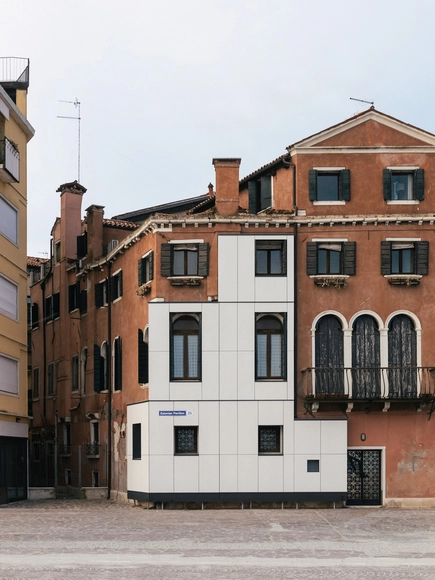
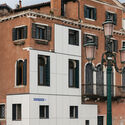
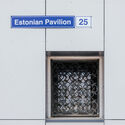
The installation and exhibition representing Estonia at the 19th International Architecture Exhibition of La Biennale di Venezia is curated by architects Keiti Lige, Elina Liiva, and Helena Männa. Titled Let Me Warm You, the national exhibition explores different dimensions of sustainability by questioning whether insulation-driven renovations in Estonia are simply compliance measures to meet European energy targets or whether they can also serve as opportunities to enhance the spatial and social quality of mass housing districts. To make this point, the Estonian installation covers the façade of a Venetian building with insulation panels, replicating how they are commonly installed in Estonia for mass housing renovations.