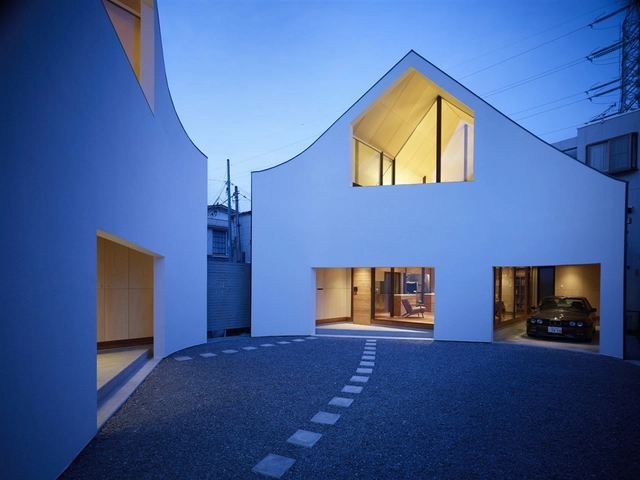
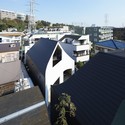
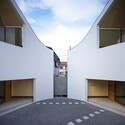
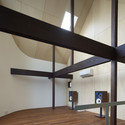
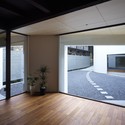
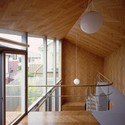
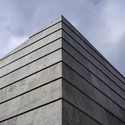
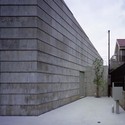
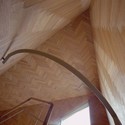
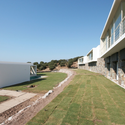
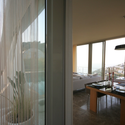
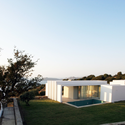
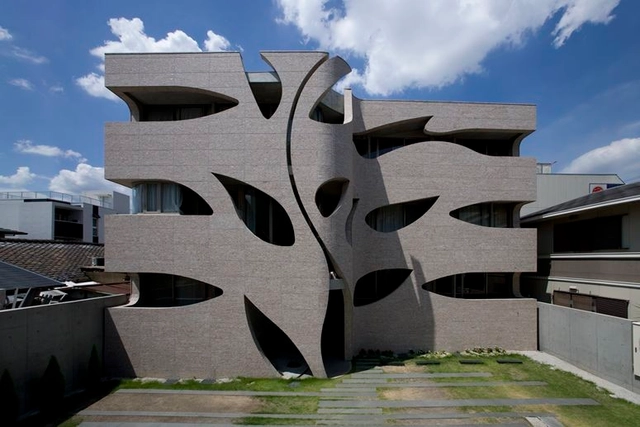
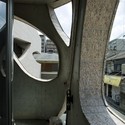
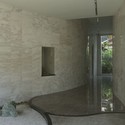
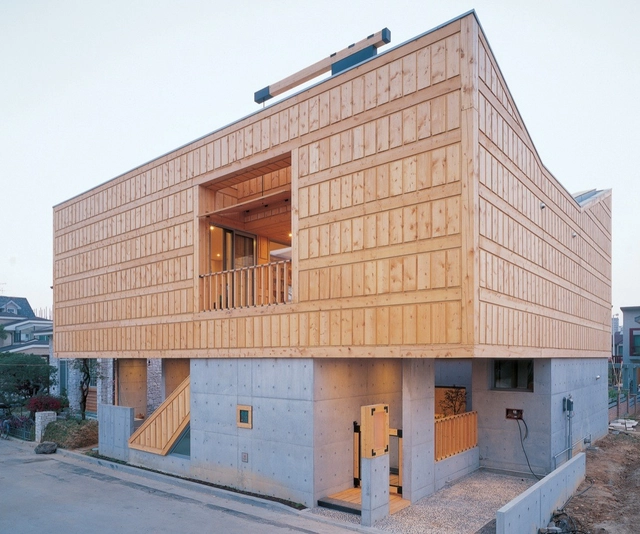
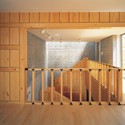
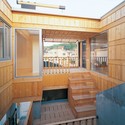
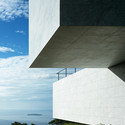
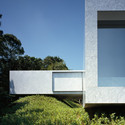
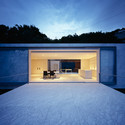
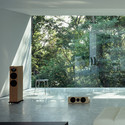
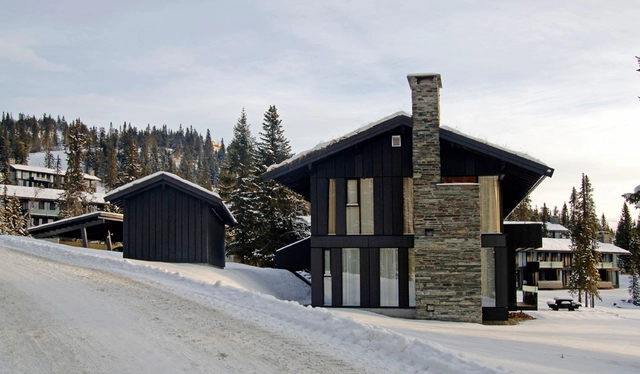
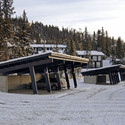
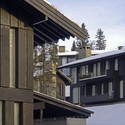
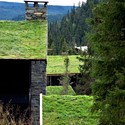
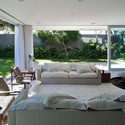
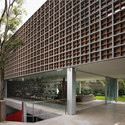
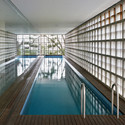
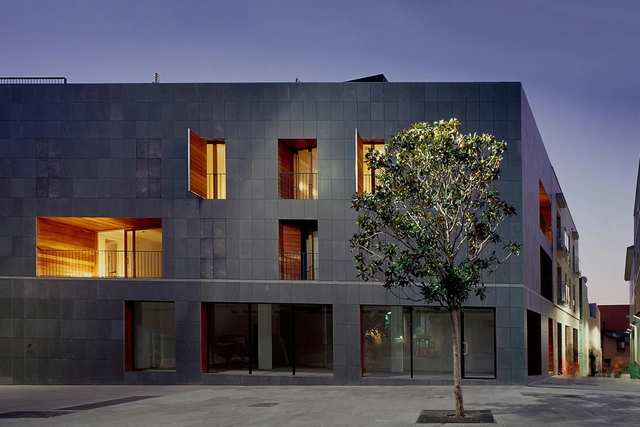
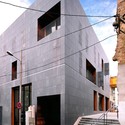
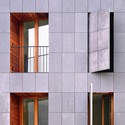
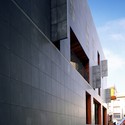
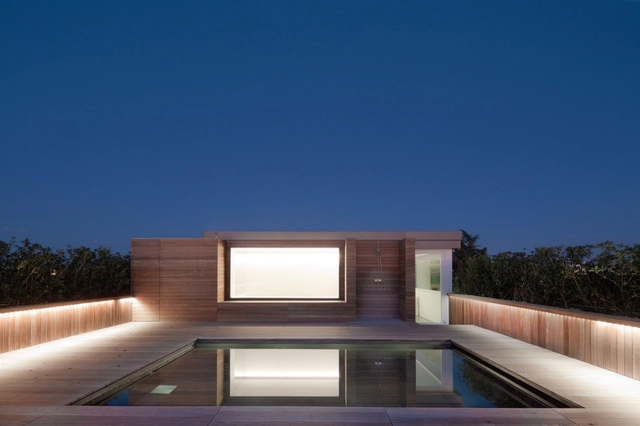
Cheungvogl, a young international architectural practice based in Hong Kong (see previous projects by Cheungvogl featured on AD here), designed two residences in Tokyo on a private development. House 2a is to be occupied by the client, a Japanese-German couple, based in Tokyo while House 2b is for sale. The client’s required that the design be, “Calm, but not sterile. Humble, and yet unexpected. Economical, nothing extravagant. Open space with flexible floor plans and a space to contemplate.” Working with these ideas in mind, Cheungvogl created related residences that also become separate enities.
More about the residences and more images after the break.
In an interesting article from the New York Times this week, different families completed not so typical renovations. A few years ago, the Sleeper family moved from their crowded Missouri ranch house when they saw an eBay offering for three acres with an empty sandstone cave in Festus, Missouri. The initial idea to build a larger home on the land was soon abandoned as the family realized the potential the former quarry offered. With 15,000 feet of naturally insulated space, the Sleeper family took up a new residence – inside the cave. The older family members helped add more “home” touches to the cave and since the cave’s bare walls shed sand, the Sleepers placed interior roofs or umbrellas over areas like the kitchen that need to stay sand-free. Other than that, the family truly enjoys the natural feel of the space and have created a comfortable home. “The inside of the house feels like you’re outdoors without the discomfort of hot or cold,” Mrs. Sleeper states.
SADAR + VUGA’s submission for the Deluxe Serviced Apartment Tower in Burj Dubai district was shaped by the ambition and inclination of the developer, Damac Properties, to erect a unique residential building in the rapidly developing area by the Burj Dubai tower. The building would be distinguished by its architectural design and image; at the same time, it would serve as a model of a functioning and energy-efficient residential building at the beginning of the 21st century.
More images and full architect’s description after the break.
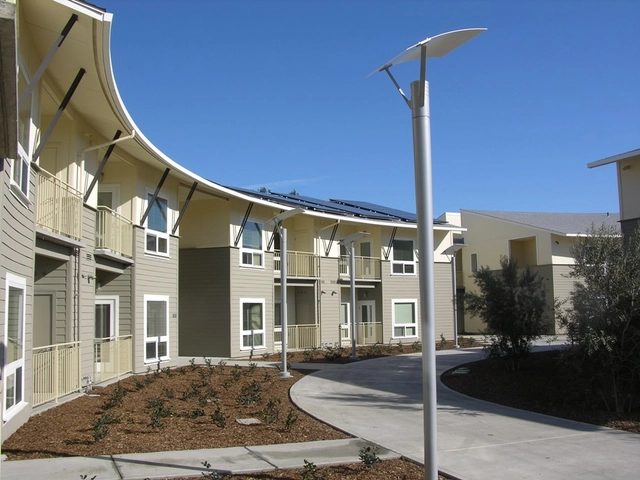
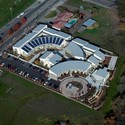
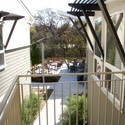
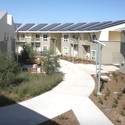
Construction for Change, a non-profit in the United States, focuses on building the necessary infrastructure to sustain impoverished communities’ needs. Kit and Samantha Kollmeyer were asked by the CFC to design housing for the One Acre Fund in Bungoma, Kenya to provide a new facility for the growing organization. The One Acre Fund hopes to expand the number of families they provide aid to, from 12,000 families to 33,000 families in the next two years, so this husband and wife team was brought in to design a new headquarters consisting of office and classroom space, and two-bedroom housing units for in-country volunteers.
More about the Kollmeyer’s project after the break.
Visiondivision‘s latest project, a residential extension for two children in Stockholm, utilizes a landscape surface that is enhanced by elements around and inside the house. The young children will be spending most of their day enjoying the outdoors, so Visiondivision “wanted to give the two new citizens a safe base where they can explore their new surroundings and be able to appreciate it to the fullest.” By deliberately choosing inexpensive building components, such as windows and façade materials, the architects saved a bigger part of the budget to create as many playful elements as they could.
Oncuoglu Architecture designed the B199, a 74.500 m² mix-use development for Istanbul, Turkey. Inspired by the urban landscape of Istanbul, the project occupies the intersection of the Gultepe and Buyukdere, two districts with different urban patterns. The project is designed to act as a “bridge integrating the spatial discontinuity between two sides of the site.”