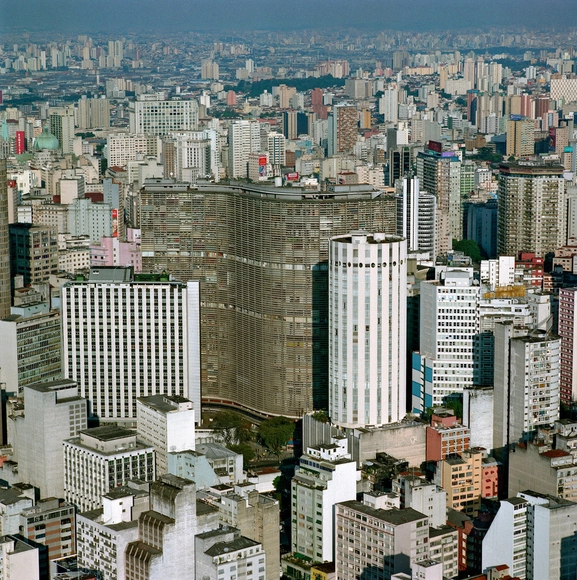
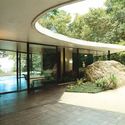
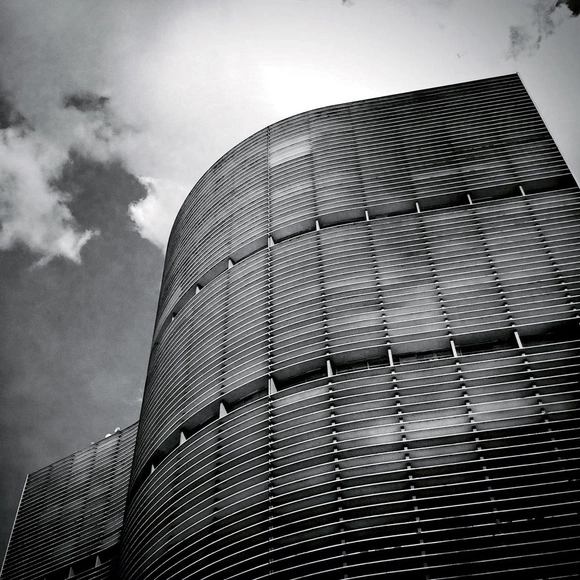
The Copan is a landmark in Sao Paulo. Even those who have never entered the building know its curves from afar. Amid the intense verticalization of the city center, the horizontal brise-soleils reinforce the building’s presence on the city’s horizon.
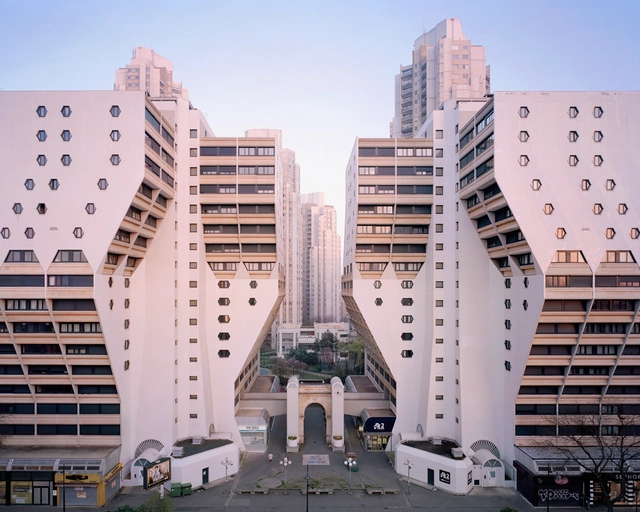
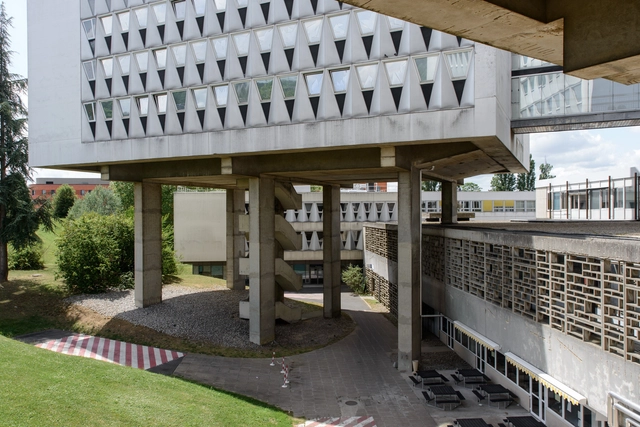
Brutalist Paris by Nigel Green and Robin Wilson is a book that expands upon their previous collaborative effort, the Brutalist Paris Map (2017). The text's insightful critique and sharp photography provide a detailed examination of Brutalism's historical, political, and cultural significance, with a particular emphasis on its innovative communal design. Through a meticulous analysis of the public spaces of the selected buildings, including their orientation, materials, and facades, Green and Wilson revisit the movement's legacy and its contribution to the field of architecture.
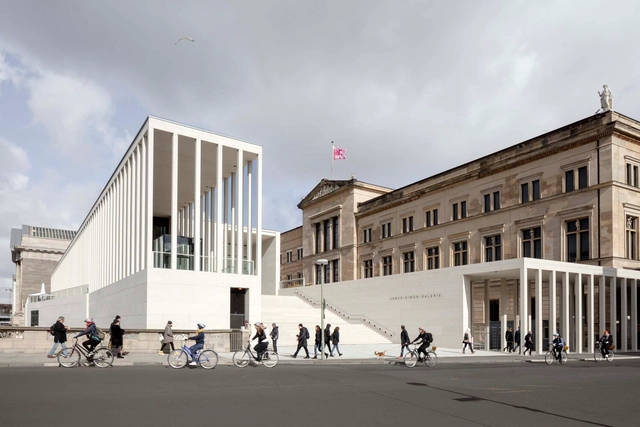
While the city of Berlin has a long history, dating back to the 13th century, its architecture and urban fabric has undergone the most significant changes during the last century, reflecting the impact of major historical events that took place in the German capital. During the early 20th century, Berlin transformed into a modern metropolis, marked through the construction of grand buildings and imposing structures to demonstrate the city’s growing economic and political power. The 1920s and 1930s saw the emergence of the Modernist movement, which, together with the Bauhaus school of architecture founded in 1919, influenced the image and urban fabric of Berlin.
During the Second World War the city was heavily bombed, resulting in the destruction of many historical buildings. During the post-war period, reconstruction efforts focused on rebuilding infrastructure and housing, while the city remained divided until 1989, with the fall of the Berlin wall. After this period, Berlin witnessed a renewed interest in architecture and urban design. Interventions such as David Chipperfield’s Neues Museum aimed to rebuild historical monuments without erasing the markings of their difficult past. Other projects such as the renovation of the Reichstag had a different purpose. Norman Foster’s intervention intended to keep the image of this building but change its symbolism from a structure representative for the Nazi regime to one embracing the ideals of democracy and equality.
The banker Orozimbo Roxo Loureiro created the 500 Club in the early 1950s. It followed the lines of the former 200 Club, founded by President Washington Luís to bring together influential politicians and businessmen away from the spotlight of capital cities. The initial idea of a social club did not prosper, and Orozimbo decided to develop a commercial and tourist enterprise in the area, which is well positioned between the two largest Brazilian cities.
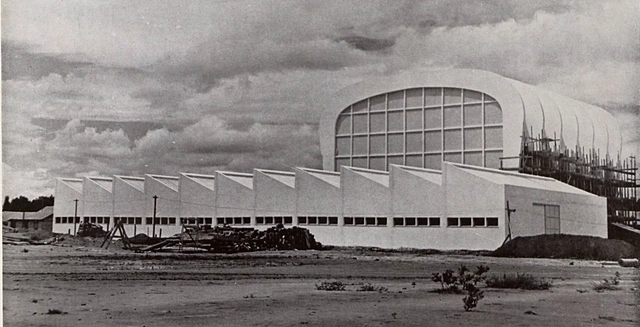
ITA Laboratories. Source: Brasil Constroi. Digitized by the Hemeroteca of the National Library (BN)
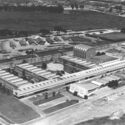
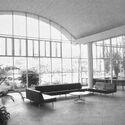
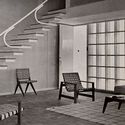
Although little known, the Aeronautics Technical Center (CTA, current Department of Aerospace Science and Technology - DCTA) in São José dos Campos can be considered one of the largest and most relevant works by architect Oscar Niemeyer before Brasilia. It is his first project executed in São Paulo.
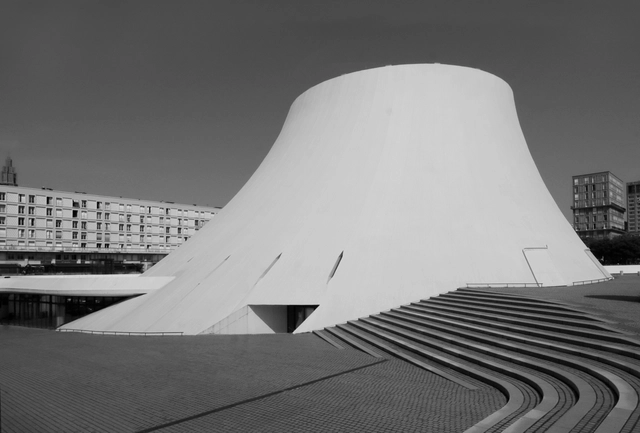
Espace Oscar Niemeyer is a cultural center designed by Oscar Niemeyer in the port city of Le Havre, France. The project’s location is inside the urban reconstruction area conceived by the rationalist architect Auguste Perret after the destruction of the city’s downtown area in World War II.
Few places in the world have an overlap of complexities as intense as Brasília. Even so, its architecture symbolizes the Republic and democracy of Brazil, and any act of attack on these symbols carries meanings and consequences for Brazilian memory and cultural heritage. The terrorist acts of January 2023 destroyed part of the heritage and raised questions beyond objects and architecture, touching on education, culture, and national political capital.
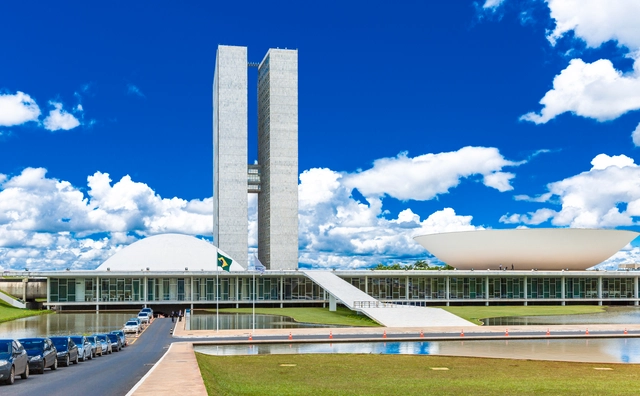
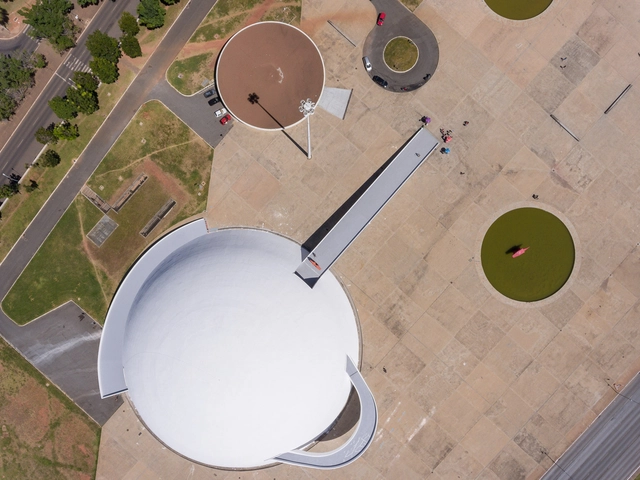
Located at the head of the abstract bird-shaped city plan by Lúcio Costa, and as the only building within the central greensward of the eastern arm of the Monumental Axis, the palace of the National Congress (Congresso Nacional) enjoys pride of place among Oscar Niemeyer’s government buildings in Brasília. The most sober of the palaces on the Plaza of the Three Powers, the National Congress reflects the strong influence of Le Corbusier, while hinting at the more romantic and whimsical forms that characterize Niemeyer’s trademark Brazilian Modernism.
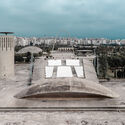
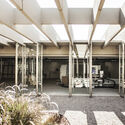
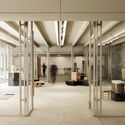
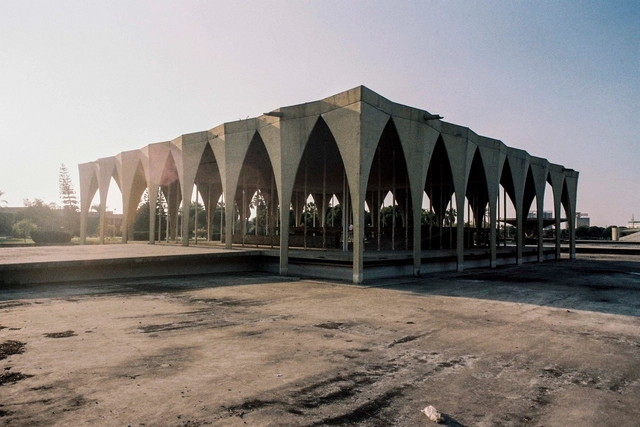
This year, one of the winners of the Aga Khan Award was the Renovation of the Niemeyer Guest House by East Architecture Studio. The project is located on Tripoli’s outskirts in Lebanon, and it is part of the Rachid Karami International Fair (RKIF), an unfinished masterpiece by Brazilian architect Oscar Niemeyer. ArchDaily’s Managing Editor, Christele Harrouk had the chance to sit with Charles Kettaneh and Nicolas Fayad, founders of the East Architecture Studio, on-site in "the Niemeyer Guest House Renovation" project. Talking about modern heritage and the challenges of renovations, the architects opened the conversation about the role of architecture in building platforms for change.
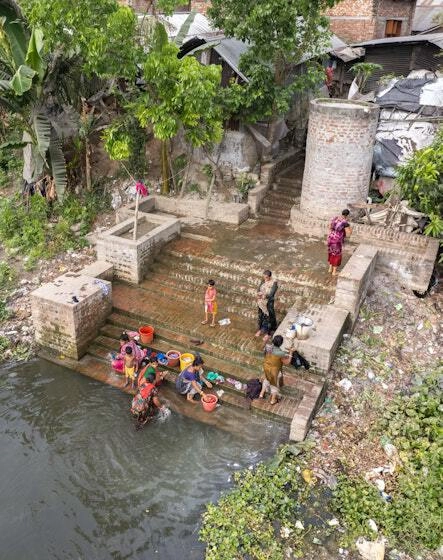
Urban River Spaces, Jhenaidah. Image Courtesy of Aga Khan Award for Architecture
Aga Khan Award for Architecture (AKAA) announced the winners of the 2022 edition. From a pool of 463 projects nominated for the 15th Award Cycle (2020-2022), the six winners show examples of architectural excellence in the fields of contemporary design, social housing, community improvement and development, historic preservation, reuse and area conservation, as well as landscape design and improvement of the environment. Two projects from Bangladesh, one from Indonesia, Iran, Lebanon, and Senegal, will share the UDS 1 million award, one of the largest in architecture.
Château La Coste inaugurates a pavilion designed by Oscar Niemeyer, representing the last project drawn by the renowned architect before he passed away in 2012. Set amongst a vineyard, the curved structure features a glazed gallery space, accompanied by an 80-seat auditorium placed within a cylindrical volume. Emphasizing the pavilion's connection with the surrounding landscape is a shallow pool that brings a new dimension to the project through the interplay of light and reflections.
After launching virtual exhibitions about Parma (Italy), Pittsburgh and Milwaukee (United States), and Lagos (Nigeria), the online platform Google Arts & Culturehas opened the virtual exhibition Brasília: um Sonho Construído (Brasilia: a Built Dream), which presents an immersive tour of the Brazilian federal capital designed by Lúcio Costa.
Curated by the National Museum of the Republic, the exhibition had the collaboration of the Public Archives of the Federal District, the Institute of Architects of Brazil, the Chamber of Deputies Museum, the Federal Supreme Court, and other organizations based in Brasília. Through images from Google Street View, visitors travel through the corridors of six museums in the capital in 360° virtual tours, including the Museu de Valores (Museum of Currencies), the Square of the Three Powers, and also the Supreme Federal Court building.
https://www.archdaily.com/972550/google-arts-and-culture-opens-free-virtual-exhibition-about-brasiliaEquipe ArchDaily Brasil
One of Oscar Niemeyer's most famous projects, the iconic Copan building in downtown São Paulo, may finally have its restoration work started. After being negotiated for ten years, the project presented by a company hired by the building administration was partially approved by the Department of Historical Heritage (Departamento de Patrimônio Histórico - DPH) and the Municipal Council for the Preservation of the Historical, Cultural and Environmental Heritage of the City of São Paulo (Conselho Municipal de Preservação do Patrimônio Histórico, Cultural e Ambiental da Cidade de São Paulo - Conpresp).
Designed by Niemeyer together with Carlos Lemos, the building will celebrate the 70th anniversary of the beginning of its construction next year. However, it has been suffering from maintenance problems on the facade for almost two decades, such as infiltrations, falling tiles, disfiguring, detachment of concrete, and exposure of steel reinforcement, according to technical findings reported to the heritage agencies.
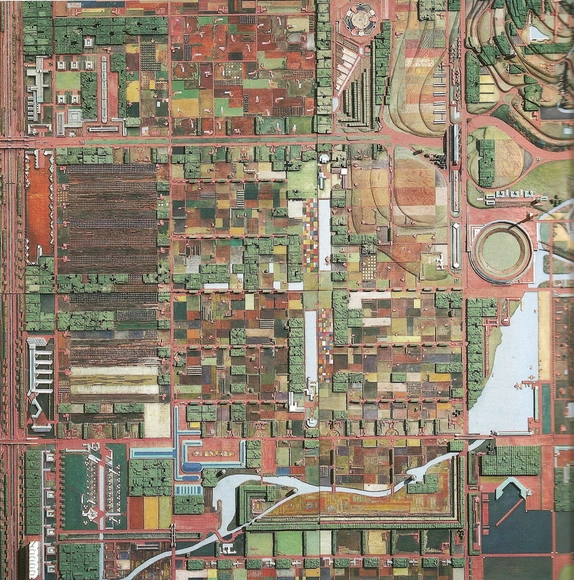
Broadacre City by Frank Lloyd Wright. Image Courtesy of Juan Miró
Juan Miró, co-founder of Miró Rivera Architects reflects in an opinion piece on the value of American cities. Stating that "when we idealize cities like Copenhagen, we risk losing focus of the fundamental historical differences between the urban trajectories of European and American cities", the architect and educator draws a timeline of events and urban transformations, in order to explain why it would be more relevant to look on the inside when planning U.S cities, rather than taking examples from the outside.
Globalization and its pension for both virtual and physical connectivity has led to the linking of the world's economies, territories, and cultures and nowhere is this more evident than in the field of architecture.












.jpg?1607936801&format=webp&width=640&height=580)
.jpg?1607936823 "© Paul Clemence")
.jpg?1607936894 "© Paul Clemence")
.jpg?1607936835 "© Paul Clemence")
.jpg?1607937090 "© Paul Clemence")
.jpg?1607936801)