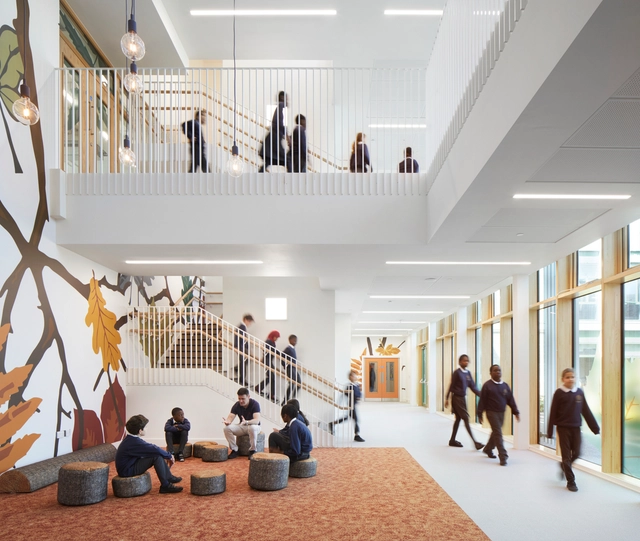
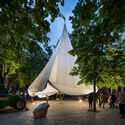
The internal environment is the focus of this second article about designing for noise to improve well-being. According to several recent studies, noise in cities has become an increasing hazard to health. Environmental noise, that is, noise from traffic, industrial activities, or amplified music, which reaches internal spaces, is not merely an annoyance. It has been linked to cardiovascular disease, diabetes, dementia, and mental health issues. As the world urbanizes, more people are exposed to excessive levels of noise. In medium- and high-density housing, in office buildings, and in schools, noise pollution can emanate from internal as well as external sources.
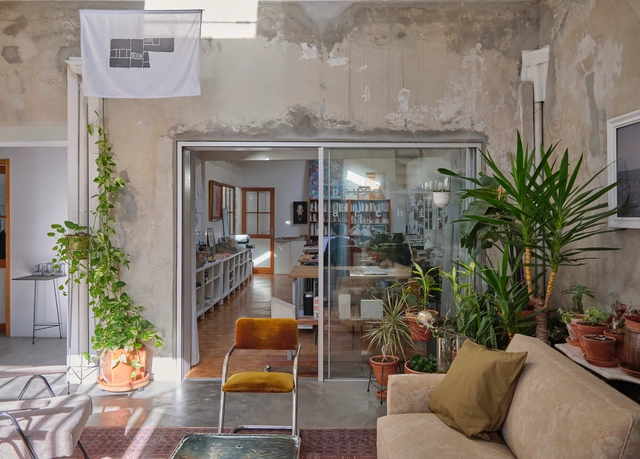
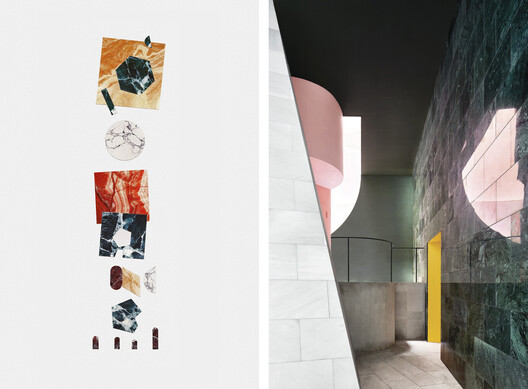
Porto's architectural legacy has long been shaped by the weight of history and the clarity of form. From the work of Álvaro Siza to the dense network of studios emerging from the city's schools, Porto offers a unique blend of continuity and reinvention. Here, architecture is not only a matter of design but often one of endurance — of working within constraints, of drawing with precision, and of navigating a built environment marked by permanence and resistance to spectacle.
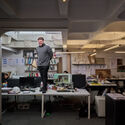
Yet within this persistent context, a new generation of architects has been reshaping the field with quiet determination. Often formed in shared spaces, these practices balance autonomy with collaboration and meticulous detailing with broader urban concerns. Their studios tend to reflect this ethos: modest in scale, defined by adaptive reuse, and rooted in the material reality of the city. In these workspaces, architecture unfolds as a process — sometimes speculative, sometimes grounded — but always reflective of a practice that is deeply local and increasingly global.
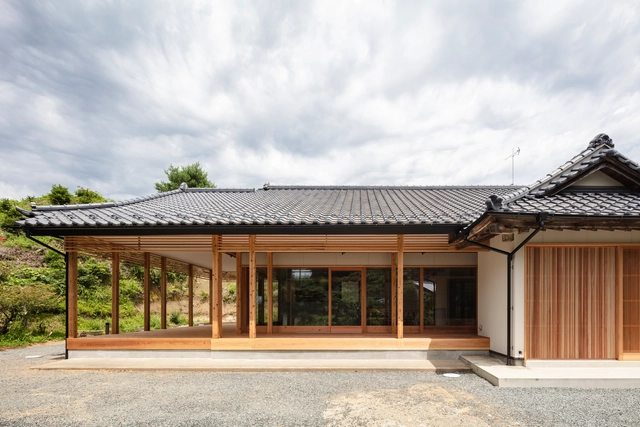
When thinking about Japan, the first thing that comes to mind is the bustling streets of Tokyo, old fortified castles, and the cherry blossom-lined rivers in the urban areas. However, little is discussed regarding a real estate market problem currently ongoing in the country: Akiya, a Japanese term that translates to an empty house. In 2024, the number of Akiya in Japan went up to a record high of nine million units. Some believe that at the root of the issue is depopulation. When homes are passed down through family inheritance, they frequently become burdens rather than assets. As younger generations increasingly move to cities or live in apartments, they usually have no interest in living in or maintaining the old family home, especially if it's located in a less convenient or rural area. Cities like Tokyo see a smaller number of Akiya due to the elevated price of the land. Nonetheless, issues such as elevated costs of adapting the house to the new earthquake regulations and higher taxation on vacant land, still cause people to abandon them even in urban areas.
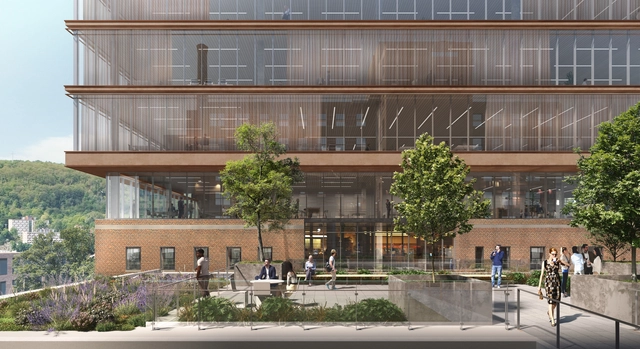
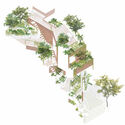
Terrace Garden between both phases. Image Courtesy of NEUF architect(e)s
With modern medicine, it may be difficult for many people today to imagine the devastation caused by Tuberculosis (TB) just about 100 years ago. Initially associated with insalubrious, overcrowded conditions, just in Canada it caused the death of approximately 8000 people annually in the late 19th century. During this time, before more advanced treatments were discovered, prescriptions from doctors involved sunlight, fresh air, and rest. As a response, sanatoria were established. These were places where patients could be separated from the community to manage their disease. One testament to that legacy stands in the heart of Montreal: the former Royal Edward Laurentian Institute, later known as the Montreal Chest Institute. Born from crisis, it has since become a symbol of resilience, transformation, and innovation, shifting from a space of isolation to a thriving hub for research and entrepreneurship in the life sciences.
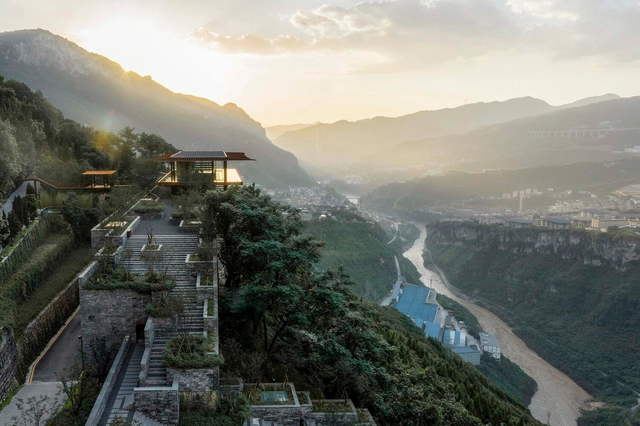
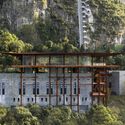
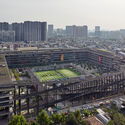
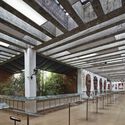
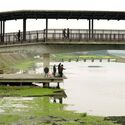
The 2025 Pritzker Prize has been awarded this year to Chinese Architect Liu Jiakun. Born in Chengdu in 1956, he grew up in the densifying city, before attending and graduating from the Chongqing Architecture and Engineering College (Chongqing University) in 1982 with a Bachelor of Engineering degree in Architecture, and becoming one of the first college graduates to be tasked with rebuilding the country during the Chinese transition period. However, it wasn't until many years later that the architect understood that "the built environment could be used as a medium for personal expression". It was then that his endeavors and career took off, with Liu Jiakun starting his practice in 1999, and participating in more collaborative works across China and Europe. Based on his experiences, his works are anchored in his understanding of reality and a respect towards China's multi-traditional history and internal diversity; all while achieving a seamless balance between architecture and nature, tradition and modernity.
These concepts do not obstruct his consciousness of human needs and the importance of community spaces. Through his projects, Liu Jiakun proves that spaces can affect human behavior and become positively evocative. A public space such as those he's created can be conducive to a benevolent atmosphere that provides rest and collaboration. "such as my pursuit of narrative and poetry in design." The comprehensiveness of Liu Jiakun's works makes it easy not to be constrained by stylistic or aesthetic limitations or requirements. He just follows what the site, natural landscape, pre-existing urban frame, and citizen needs might require. The physical result is a mix of all of these with the predominant vernacular traditions.
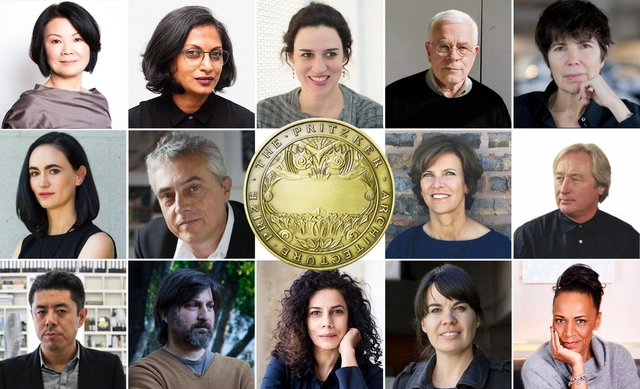
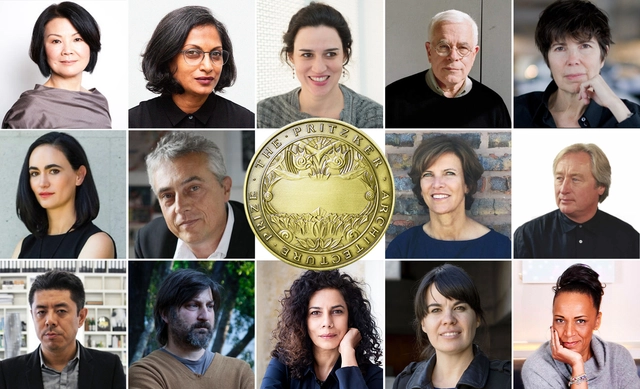
Continuing our annual tradition, we asked our readers who they believe should be awarded the 2025 Pritzker Prize, architecture's most prestigious honor.
Founded by Jay Pritzker and administered by the Hyatt Foundation in the United States, the Pritzker Prize recognizes living architects, regardless of nationality, whose work has made a lasting and meaningful impact on humanity through the art of architecture.
https://www.archdaily.com/1027073/archdailys-readers-select-who-should-win-the-2025-pritzker-prizeArchDaily Team
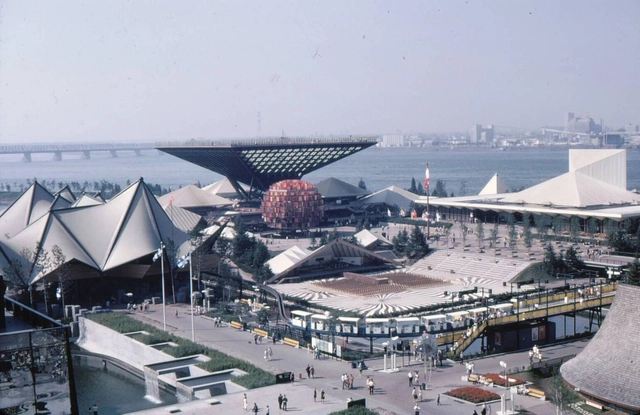
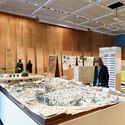
Canada's Expo 67 stands as one of the most successful world expos ever held, setting records and leaving an enduring impact on Montreal's urban landscape. As part of Canada's 100 years celebrations, the event provided an opportunity for the city to showcase its cultural and technological achievements on a global platform. With over 50 million visitors in just six months, it shattered attendance records, including an astonishing 569,500 visitors in a single day. An unprecedented feat for a world fair at the time. Now, 58 years later, and with the Osaka Expo 2025 set to showcase how to design the future society for our lives, it is worth revisiting the legacy of Expo 67 and exploring the urban transformations it brought to Montreal.
With the Hyatt Foundation set to reveal the 2025 Pritzker Prize winner on March 4 at 9 AM EST, speculation is growing over which architect—or architects—will receive the most prestigious award in architecture. Established in 1979, the Pritzker Architecture Prize is widely regarded as "the profession's highest honor," recognizing living architects whose work has made a profound impact on humanity and the built environment.
https://www.archdaily.com/1027072/who-should-win-the-2025-pritzker-prizeArchDaily Team
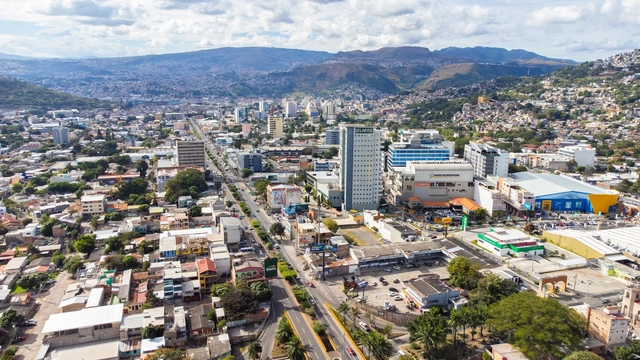
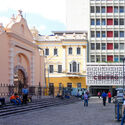
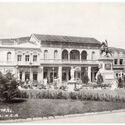
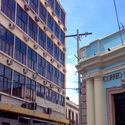
In 1975, Honduras was under a military regime that had been in power for over a decade, led at the time by General Juan Alberto Melgar Castro. During this period, Tegucigalpa underwent several big and unprecedented changes. The influx of people from various parts of the country due to rural migration transformed the city from a compact urban area into an expanding metropolis. This unexpected growth prompted the government to implement a municipal development and planning scheme, a project that would define the city's future and the evolution of its old town. This article was developed with the collaboration of the Honduran architect Lisandro Calderón, who specializes in Urban Planning and is currently a professor at the Central American Technological University (UNITEC), located in Tegucigalpa, Honduras.
2025 promises to be a landmark in architecture, heralding a vibrant renaissance of creativity and exploration. As societies confront challenges such as climate change, rapid urbanization, and technological evolution, architecture is both a mirror to these dynamics and a compass pointing toward a sustainable and inclusive future. This year's architectural calendar offers abundant opportunities to celebrate the discipline's transformative power — from boundary-pushing festivals to thought-provoking exhibitions that explore pressing cultural and environmental narratives.
From well-established biennials to inaugural gatherings, including the World Architecture Festival 2025, Desert X Al Ula, and the COP Climate Conference, the 2025 calendar highlights themes such as sustainability, heritage, and community. These events underscore architecture's unique ability to shape a better future, addressing global challenges while honoring cultural diversity and design ingenuity.
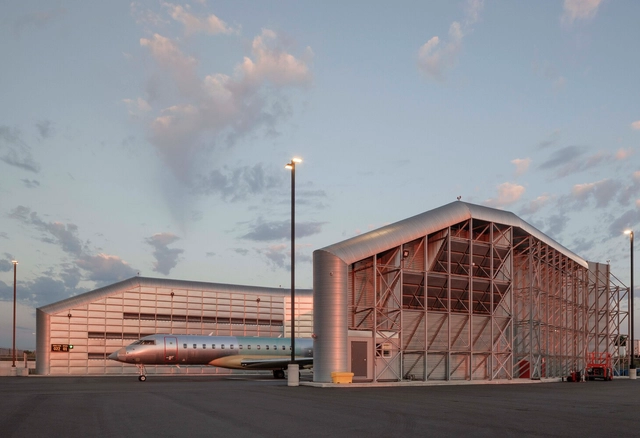
Adjacent to Toronto's Pearson International Airport, the Bombardier Aircraft Assembly Center represents a landmark project in Canadian aerospace design. Located next to Canada's largest airport, it blends 70,000 m2 (750,000 ft2) of technical precision with a focus on people. ArchDaily's editor Moises Carrasco had the opportunity to speak with Lilia Koleva, partner at NEUF architect(e)s and founder of the firm's Toronto office, which led this project. Koleva shared insights into her professional journey and reflected on the challenges of building and growing NEUF's Toronto-based office. She also discusses the Bombardier Campus, describing it as a defining project in her career, and how it showcases NEUF's ability to tackle large-scale, technically demanding projects while maintaining a focus on the people who use the space. This project builds on the office's prior expertise in industrial design and expands its portfolio of human-centered architectural solutions. Koleva also reflects on the importance of fostering collaboration, adaptability, and a clear understanding of client needs; qualities that have defined her approach to architecture and leadership at NEUF.
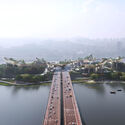
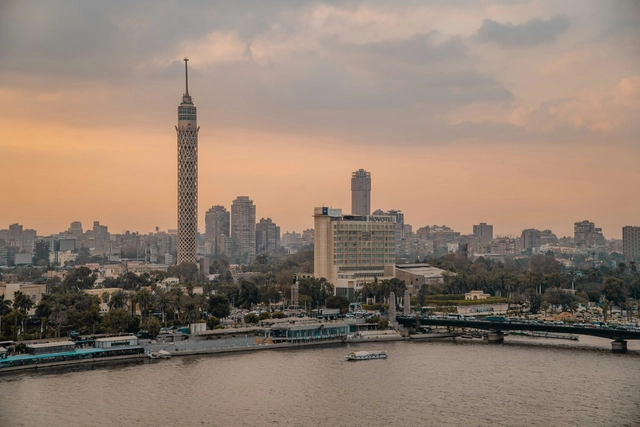
To this day, Cairo has a vibrant history, rich architectural culture, and heritage, which, from an outside perspective, is still the vivid and leading representation of the city. But what is today's Cairo beyond the capital of Egypt, the Nile, the deserts, the bustling streets, the museums, and the archaeological sites and historic buildings? The city has experienced a rapid urban transformation over the past few decades, acquiring a remarkably different character from the one recent and older generations remember from their youth in the streets, neighborhoods, and buildings of the city.
Cairo represents a population growth of 4 million in the 1960s to over 20 million today, while its urban footprint expanded by approximately 400% since the 1960s. The built-up area represents nearly half the metropolitan region, with an annual urban growth rate of 2-4% - much higher than the approximate 1% growth rate typical in countries like Canada, Germany, Japan, Italy, and Sweden. Due to this rapid urbanization, agricultural land now constitutes less than 10% of the total area of Greater Cairo. The city is a constantly evolving mosaic of over 50 distinct neighborhoods, each embodying its own unique identity and demographic composition, contributing to Cairo's diverse urban fabric.
https://www.archdaily.com/1022982/cairo-a-mosaic-of-contrasting-urban-narrativesHadir Al Koshta
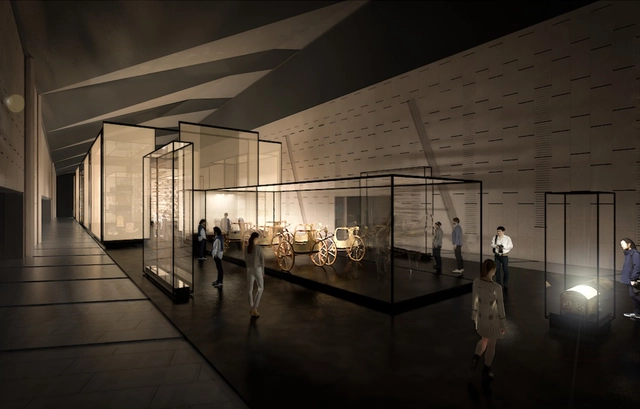
Two decades in the making, the Grand Egyptian Museum (GEM) in Cairo is one of the most anticipated cultural buildings, set to be an architectural marvel and a leading scientific, historical and archeological study center. The vast, billion-dollar mega-project occupies a site of around 500,000 square meters adjacent to the Pyramids UNESCO World Heritage Site in the Giza Plateau. Within its halls, what will soon be the world’s largest archeological museum will showcase 3,500 years of ancient Egyptian history, revealed through a collection of more than 100,000 artifacts –many of which will be displayed for the first time.
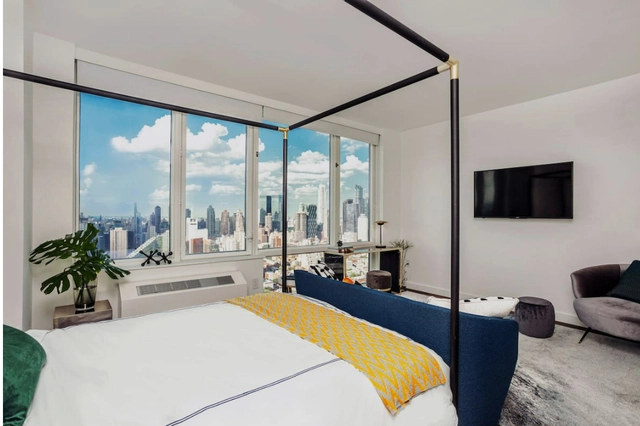
When Airbnb began nearly 15 years ago, it offered a new and innovative solution to book short-term stays without any hassle. By renting out a spare room or an entire apartment, it provided an alternative to traditional hotel models which were often overpriced and overbooked. Airbnb now faces many critics as the company quickly grew, offering hundreds of thousands of stays around the globe, but not without a handful of negative experiences. Now, planners and policymakers are beginning to see the effects of the abundance of Airbnb listings and how it impacts a growing housing crisis.
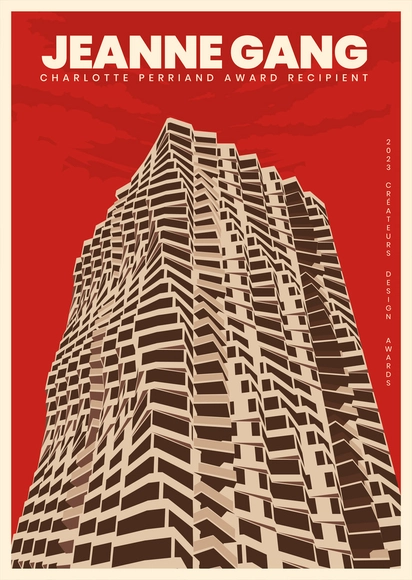
Jeanne Gang, Studio Gang's founder, has been named the 2023 recipient of the Charlotte Perriand Award by The Créateurs Design Awards. From skyscrapers to museums, including the Aqua Tower - the tallest woman-designed building in the world at the time of its completion- and the recently opened Arkansas Museum of Fine Arts, Gang has demonstrated her dedication to creating and implementing better practices in sustainable reuse, ecological biodiversity, and social equity. Jeanne Gang, the first woman architect to get the Charlotte Perriand prize, joins the CDA AWARDS laureates list along with Sir David Adjaye and Tadao Ando.
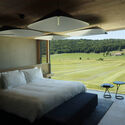
In a recent photo series, Paul Clemence turns his lens toward Bjarke Ingels Group's (BIG) Hôtel des Horlogers, located in the Swiss Village of Le Brassus in Switzerland. Previously known as Hôtel de France, which opened in 1857, Audemars Piguet reimagined the project. BIG, an international studio known for avant-garde architecture and experimentation, continues to see this claim to its end through the design of a compact structure made up of five floors, with its rooms connected in a single zig-zag path. Designed in collaboration with the Swiss design firm, CCHE, a futuristic structural form featuring layers of long ramps was assembled for Audemars Piguet's vision of a luxury hotel.
Graphics, even before language and writing, were the first means of communication and significance for humanity. Drawing is the act of replacing reality with representation, that is, replacing objects with images encoded in each of the graphic representation systems.
In architecture, graphics stimulate the imagination and are the basis of project thinking since they do not only constitute our code of communication but configure our ability to express ourselves in disciplinary terms. In fact, at first, the drawing is constructed in the mind of the architect, before it looks for support from any type of instrument.
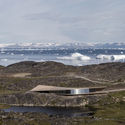
''A Building that Should Address our own Fragility'' says Dorte Mandrup in conversation with Louisiana Channel, in regards to her recent work, the Ilulissat Icefjord Center, in Greenland. An exhibition house in its own right, this powerful filmography explores the surrounding environment, offering insight into the changes seen on the ice and the harmonious relationship between the structure itself and the glacial landscape.
Dorte Mandrup was interviewed by Marc-Christopher Wagner in her studio in the Spring of 2021. Regarded as Humanist, Mandrup has been heavily influenced by medicine, sculpture and ceramics, creating engaging and evocative architectural form. As part of her philanthropic work the center is set to tell a narrative of evolution, human history and the secrets of the ice.