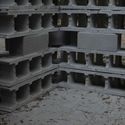
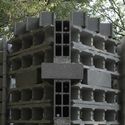
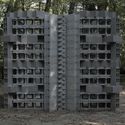
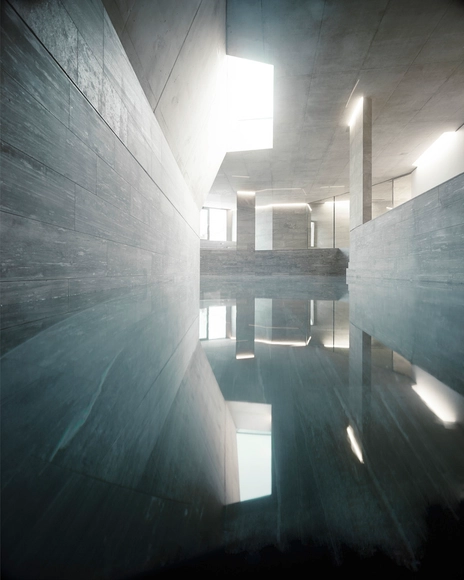
It's no secret that concrete has one of the highest CO2 emissions of all building materials, making it a focal point for architects looking to innovate and experiment with it as a way to optimize its production and application in construction while decreasing its environmental impact. This exploration of elements such as concrete's thermal inertia, which could serve to make buildings more energy efficient, as well as its durability, which guarantees a long-lasting, zero- maintenance structure even in the most extreme of climates. The ultimate goal is to create luminous living spaces with natural ventilation while simultaneously exploring the possibility of reusing frameworks as a way of cutting costs and streamlining the building process.
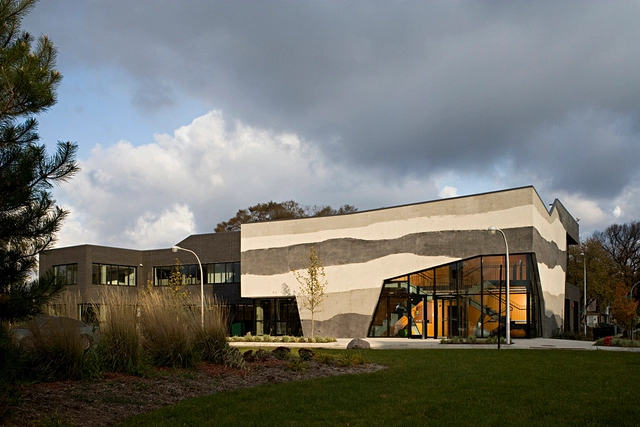
SOS Children’s Villages Lavezzorio Community Center / Studio Gang. Image Cortesia de Studio Gang
Having been utilized as early as the Roman era in buildings of almost every scale, it is almost impossible to think of a building that does not have at least one concrete element. In fact, it is the most widely used construction material in the world, due to its versatility, resistance, ease of handling, accessibility, aesthetics, and other factors. At the same time, its manufacture is also one of the main polluters in the atmosphere, mainly due to the fact that the cement industry emits around 8% of all global emissions of carbon dioxide (CO2).
In addition to its intensive production, concrete is an extremely rigid material, heavy and composed of cement, water, stone, and sand. Thus, would it be possible to continue to use concrete sustainably after demolition, eliminating its disposal as mere waste and overloading landfills?
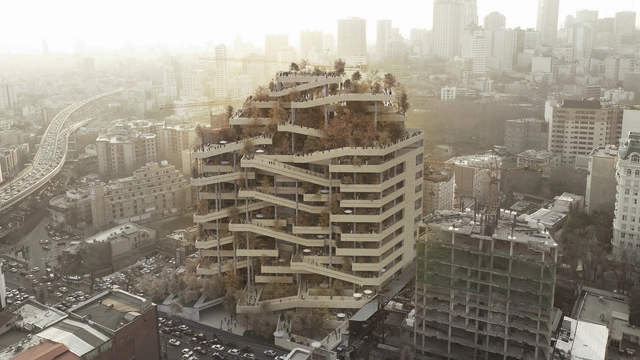
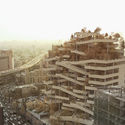
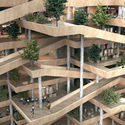
The Tehran Eye is a contextual shopping center that caters to the needs and the common living practices in the Iranian capital. The project, conceived by Farshad Mehdizadeh Design, consisted of redesigning a façade and reorganizing a large existing structure into an integrated entity in the city.
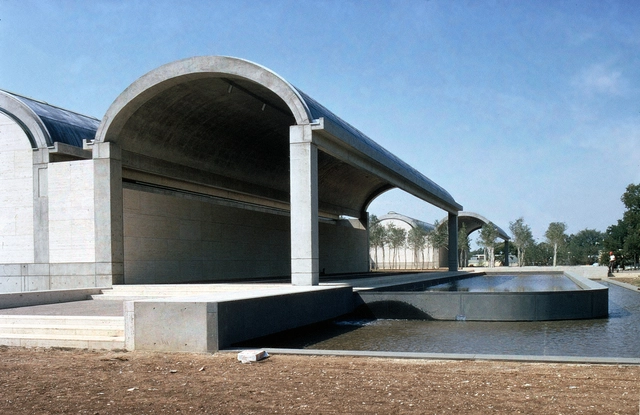
August Komendant (1906–1992) was an Estonian-American structural engineer, whose collaboration with famous architects and engineers resulted in several 20th-century architectural masterpieces. His professional career spanned more than half a century from the 1930s to 1980s and coincided with an era characterised by modernisation, urbanisation and the rapid development of technology.
Concrete By the middle of the century, reinforced concrete had become one of the most popular structural materials for building a new living environment. A strong and durable composite emerges when liquid concrete, a mix of water, cement and aggregate (sand, gravel, crushed stone, etc.), solidifies around the reinforcing steel bars. Concrete
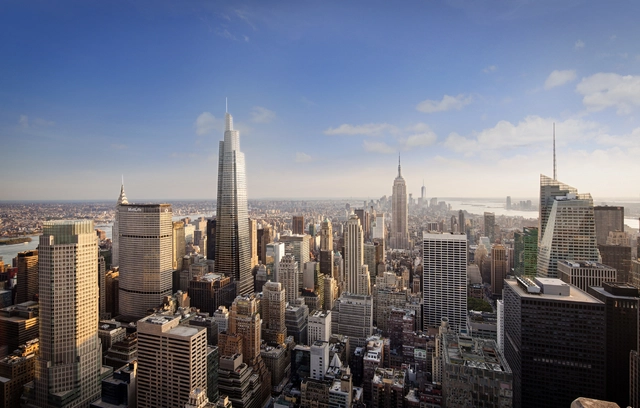
Last April, Mayor Bill de Blasio of New York announced plans to introduce a bill that would ban the construction of new all-glass buildings. Part of a larger effort to reduce citywide greenhouse emissions by 30 percent, other initiatives included using clean energy to power city operations, mandatory organics recycling, and reducing single-use plastic and processed meat purchases. The announcement came on the heels of the city council passing the Climate Mobilization Act, a sweeping response to the Paris Climate Agreement that included required green roofs on new constructions and emissions reductions on existing buildings.
https://www.archdaily.com/931309/de-blasios-glass-skyscraper-ban-could-mass-timber-and-transparent-concrete-take-its-placeLilly Cao
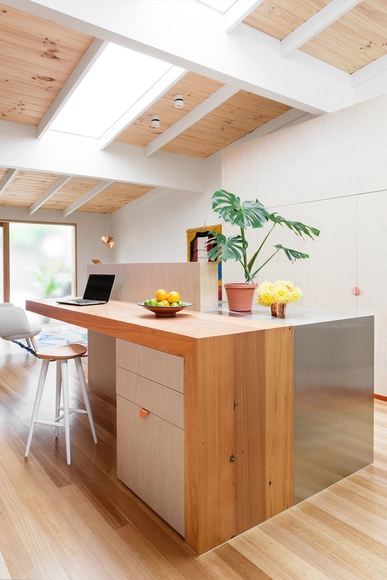
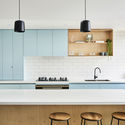
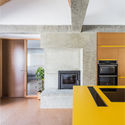
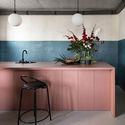
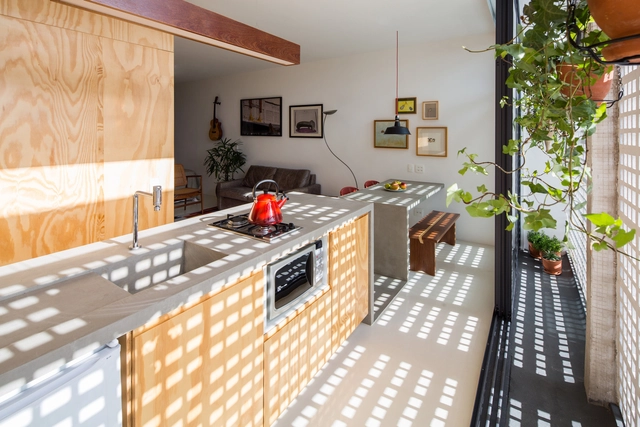
Gone are the days when the kitchen was relegated to a service area. Following the traditional system of bourgeois residential tripartition (dividing the house into social, intimate, and service areas), the kitchen was originally designed as an independent and closed space. Today, more and more, projects seek to integrate and relate it to other rooms in the house, facilitating different interactions among its residents. Due to this transformation, the appearance of the kitchen also changed, and traditional ceramic and stone cladding gave way to new materials.
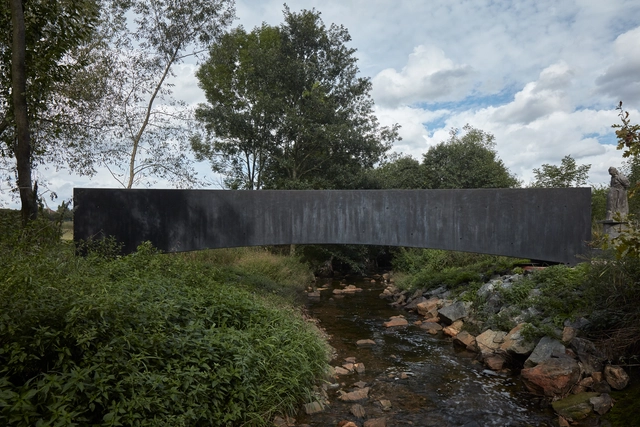
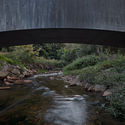
Ondřej Císler from Aoc architects and Petr Tej from the Klokner Institute at CTU in Prague have designed a bridge over the Dřetovice stream in Vrapice, near the city of Kladno in the Czech Republic.
Videos
Gerbert Rappaport. Director. Image from the movie Cherry Town (Cheryomushki) 1963.
Flying Panels - How Concrete Panels Changed the World is a new ArkDes exhibition designed by Note Design Studio and curated by Pedro Ignacio Alonso and Hugo Palmarola - authors of the Monolith Controversies exhibition, the winner of the Silver Lion award at the 14th Venice Architecture Biennale in 2014.
It brings together a series models and material as posters, paintings, films, toys, cartoons and opera sets are gathered to reflect on how concrete panels influenced culture for the construction of a new society.
Concrete is the second-most used material on earth. It is also the second-largest emitter of CO2, with cement manufacturing accounting for 5 to 7 percent of annual emissions. The continued popularity of concrete as a material of choice in the design and construction industry, coupled with increasing unease of the environmental consequences, has put concrete firmly in the spotlight of innovation and experimentation. As a result, designers, architects, and researchers around the world are generating multiple visions for what the future of concrete in architecture could look like.
https://www.archdaily.com/926854/what-is-the-future-of-concrete-in-architectureNiall Patrick Walsh
Twine: Series One. Image Courtesy of Antony Gibbon Designs
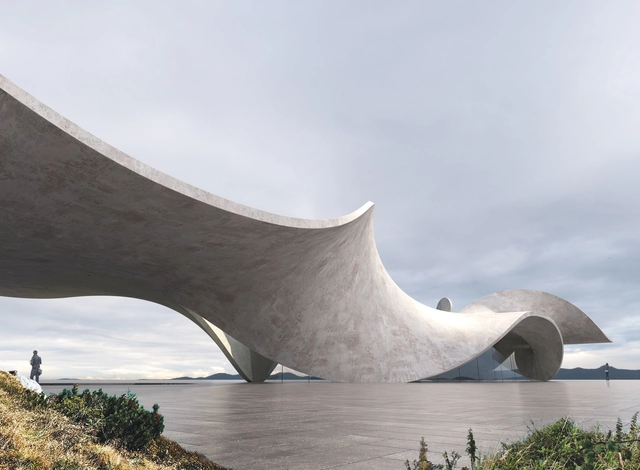
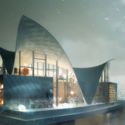
Experimenting with a very rigid material, Antony Gibbon imagines a residential project where the outer concrete shell twists and turns, in order to create livable spaces. With a very basic function, the proposal is an invitation to push technical boundaries and unleash the imagination.
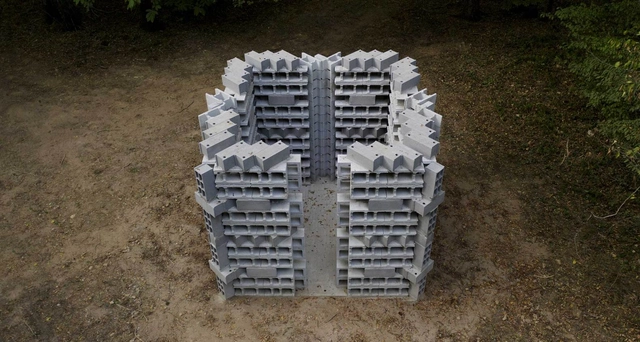
Building / Prototype II is an experimental architectural pavilion designed by architect Marc Leschelier for the Feÿ Arts Festival in Burgundy, France. Created in the middle of the forest, in the park of the Château du Feÿ, the permanent installation is the first of an acquired collection to be always displayed on site.
One of the most practical and functional spaces of any residential project is the kitchen. Its artificial surfaces – be it countertops, kitchen benches, or coverings – contain most of the space's equipment. Thus, it’s essential to build kitchens with the most resistant and hygienic materials. Aside from these requirements, it's also important to pay attention to aesthetics and profitability, while adapting the space to the dynamics of each family.
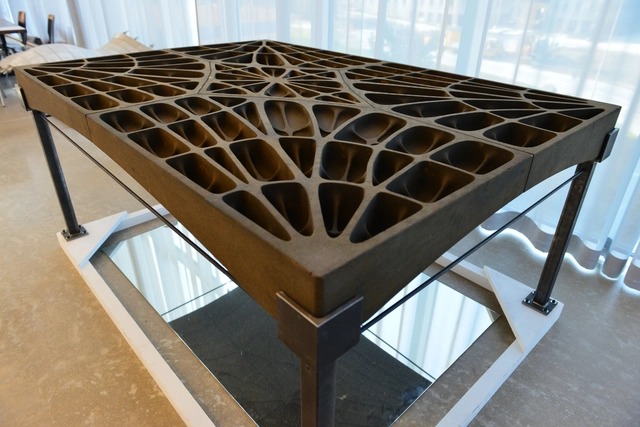
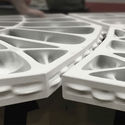
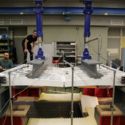
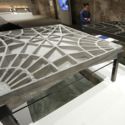
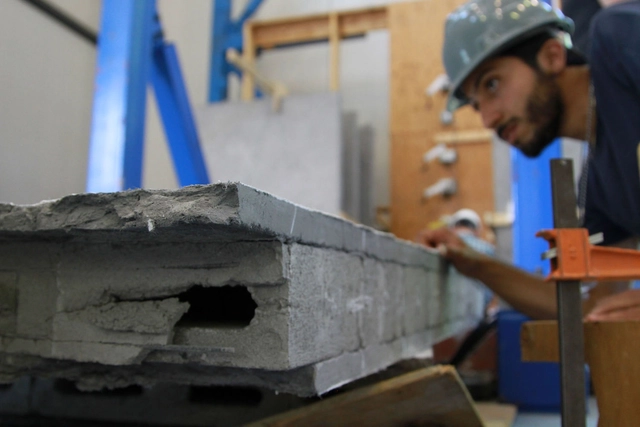
With the intention of maximizing available space and avoiding steep construction costs, researchers from ETH Zurich’s Department of Architecture have devised a concretefloor slab that with a thickness of a mere 2cm, remains load bearing and simultaneously sustainable. Inspired by the construction of Catalan vaults, this new floor system swaps reinforced steel bars for narrow vertical ribs, thus significantly reducing the weight of construction and ensuring stability to counter uneven distributions on its surface.
As opposed to traditional concretefloors that are evidently flat, these slabs are designed to arch to support major loads, reminiscent of the vaulted ceilings found in Gothiccathedrals. Without the need for steel reinforcing and with less concrete, the production of CO2 is minimized and the resulting 2cm floors are 70% lighter than their typical concrete counterparts.
https://www.archdaily.com/869192/gothic-construction-techniques-inspire-eth-zurichs-lightweight-concrete-floor-slabsOsman Bari
Air-conditioning isn’t just expensive; it’s also terrible for the environment. Accounting for 10% of global energy consumption today, space cooling in 2016 alone was responsible for 1045 metric tons of CO2 emissions. This number is only expected to increase, with the International Energy Agency estimating that cooling will reach 37% of the world’s total energy demand by 2050.
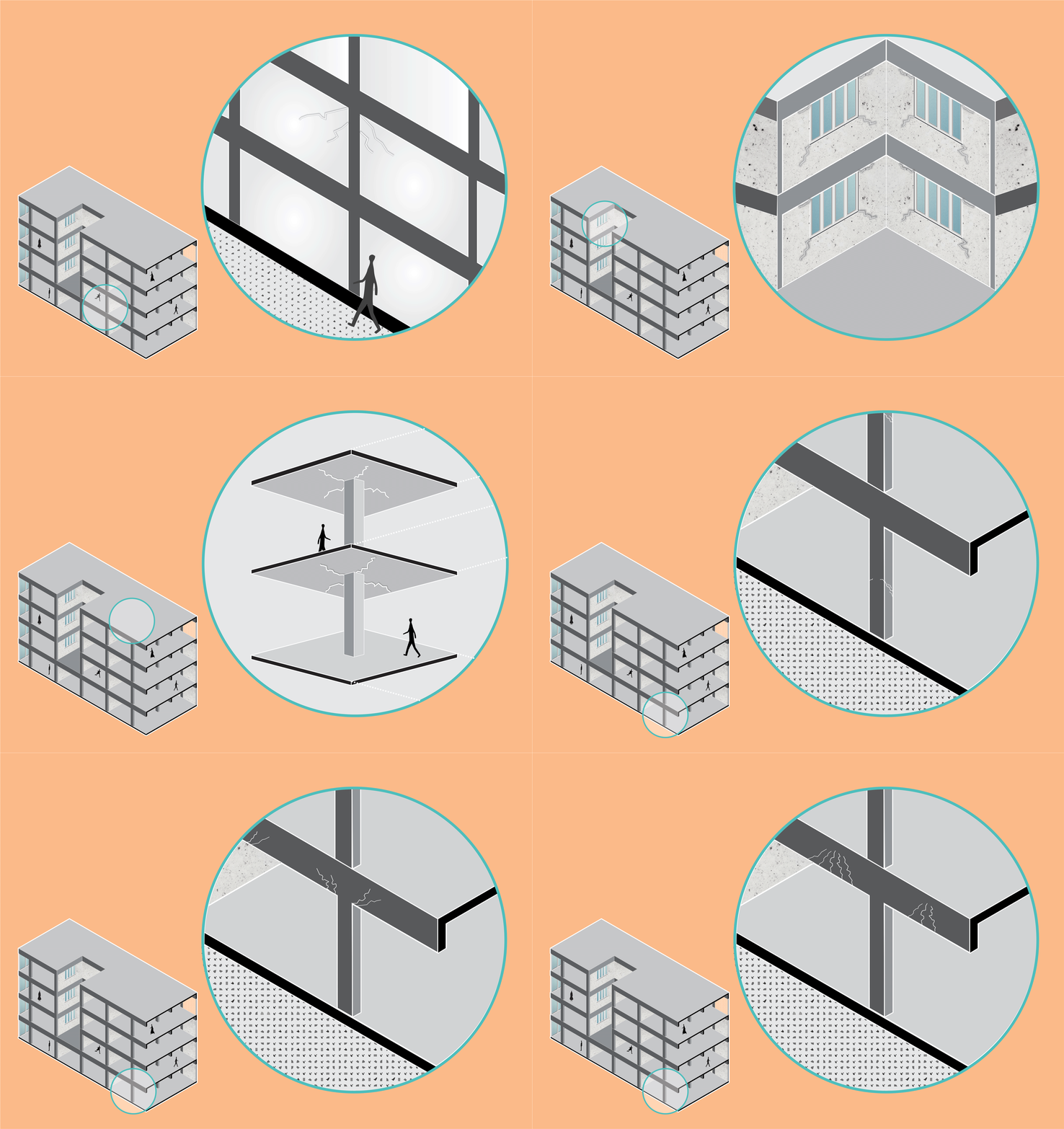
Cracks, which could be classified according to their thickness as fissures or fractures, are serious problems in the construction industry that can negatively affect aesthetics, durability and, most importantly, the structural characteristics of a project. They can happen anywhere, but occur especially in walls, beams, columns, and slabs, and usually, are caused by strains not considered in the design.
https://www.archdaily.com/879953/what-do-the-cracks-in-concrete-structures-meanJoão Carlos Souza
The history of concrete dates back to ancient Rome, approximately 2,000 years ago. The so-called “Roman Concrete” is composed of limestone, volcanic ash, and seawater and it permitted the construction of aqueducts, highways, and temples; many of them still stand to this day. Some time ago, this original mix was discovered to form a mineral called aluminum tobermorite, which gets stronger as time goes by.
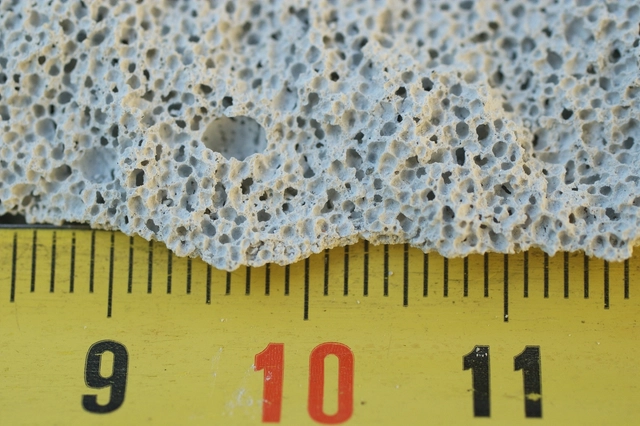
Since its invention in 1920, cellular concrete tackled the search for an industrial material that had similar characteristics to wood. It was lightweight, could be cut or perforated, and avoided some of its disadvantages; for instance, its water absorption and need for maintenance. Nowadays, Autoclaved Aerated Concrete (AAC) blocks are actively present in the marketplace by manufacturers like Hebel or Retak, which are building an easy to use and efficient constructive system. If you ever wondered about how to build with these masonry ingredients, it is pertinent to dig a bit deeper into the advantages of this material.
British company Kast has launched a new version of its traditional pigmented concrete sinks. Since concrete is an extremely versatile material, which combines the characteristics of natural stone with the ability to be molded in different forms, the products show carved surfaces with highly defined textures. The exploration of their linear patterns ranges from smooth horizontal ripples to diagonal folds or 'sharp' and vertical grooves. The organic variations in the colors and textures of the surfaces create a different aesthetic that comes directly from the character of the material.






_1963..jpg?1571935874&format=webp&width=640&height=580)