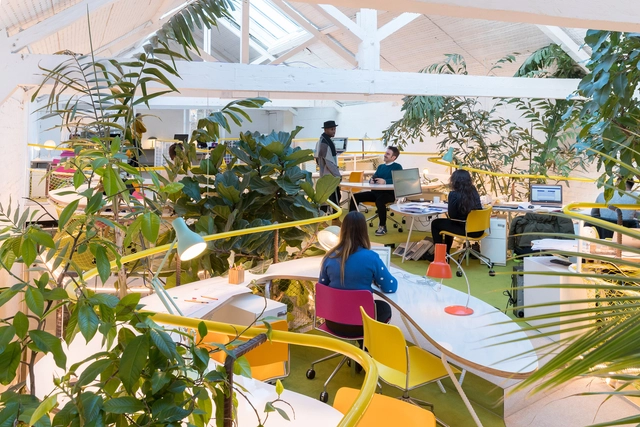
Burnout syndrome is an occupational phenomenon resulting from chronic workplace stress and emotional tension and has been affecting more and more professionals every day. It is directly associated with each person's daily work life, not only with the operational aspects of the job but also the physical environment.
We spend on average 1/3 of our day in workspaces, so it's no wonder they considerably affect our mental health. Following a period of intense home office activity during the year 2020, now people are returning to collaborative workplaces. These spaces offer a great alternative to escape the domestic environment and create separate places for each function of our lives, a much-needed change after a year of isolation.
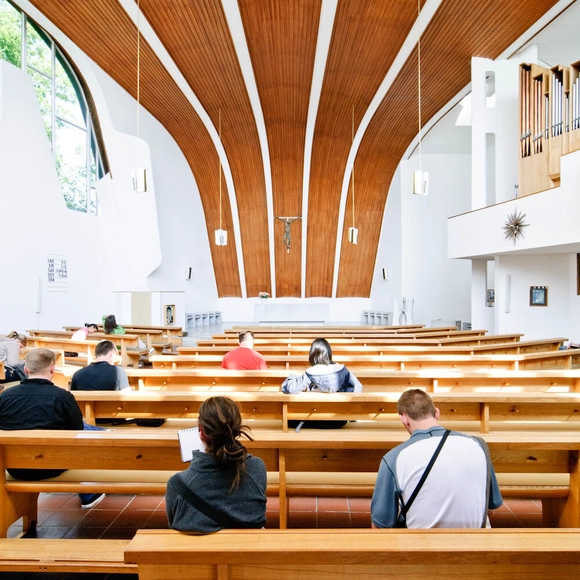
Many describe the work of Alvar Aalto as an embodiment of the concept of Gesamtkunstwerk (a total work of art), where architecture, design, and art merge into one. The Finnish architect is a pioneer in the so-called organic strand of modern architecture in the early 20th century and has strongly influenced what we know today as Scandinavian architecture. According to a description on the MoMA website: "his work reflected a deep desire to humanize architecture through an unorthodox handling of shapes and materials that was rational and intuitive." Its methods of bringing natural light into buildings are extolled and studied repeatedly until today. But throughout Aalto's career, wood has always been present and taken many different forms. From structures to ceilings to stools, Alvar Aalto brought this natural material to the fore.
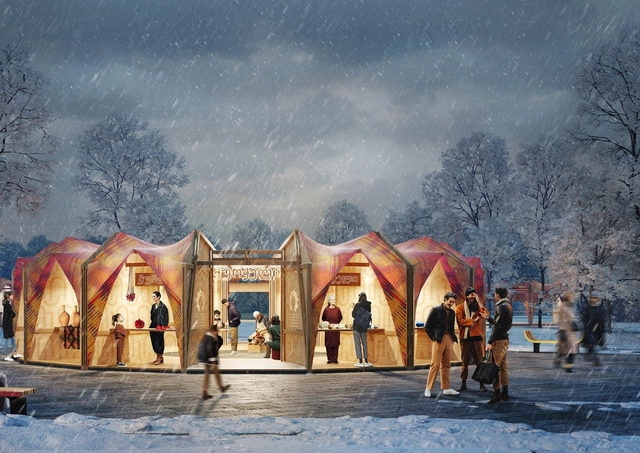
The Initiatives for Development of Armenia (IDeA) Foundation has announced the winners of the Friendship Park competition for Gyumri, Armenia. Based on results of the second round, the jury selected 19 finalists in three categories. Located in the northern part of the city, the renovated park aims to become the first modern green area for locals and tourists alike through a series of design interventions.
Many architects work in a variety of areas, designing everything from the layout of a city block to the most minute details of a building. A common trend among these projects is that the furnishings, the very things that make a structure usable and livable, are often afterthoughts for the project's creators and only become important when the structure is already built.
Architecture sets the scene and provides the framework, but interior design and furniture can have a strong influence on the vibe and mood of a space. As trends in interior design evolve over time, it’s often expressed in the furniture chosen to fill the room. Interior furniture speaks volumes about our priorities and personalities, as well as the atmosphere we want to convey.
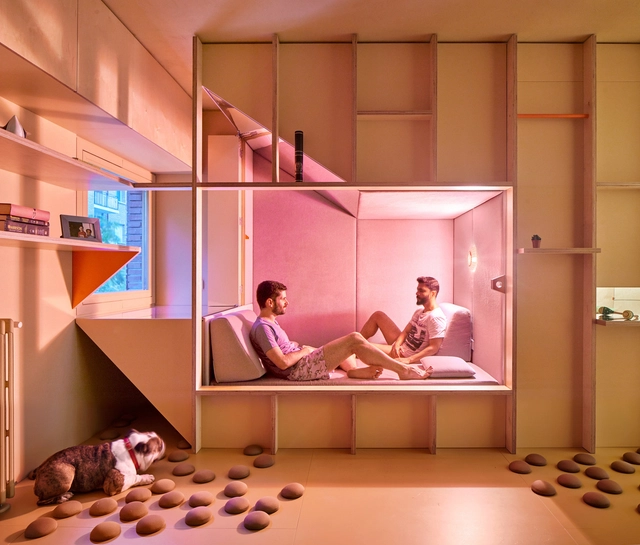
An emerging design trend is filling the gap between furniture and architecture by shaping space through objects at the intersection of the two, creating a dynamic and highly adaptable environment. Either a consequence of the increased demand for flexibility in small spaces or the architectural expression of a device-oriented society, elements in between architecture and furniture open the door towards an increased versatility of space. Neither architecture nor furniture (or perhaps both), these objects operate at the convergence of the two scales of human interaction, carving a new design approach for interior living spaces.
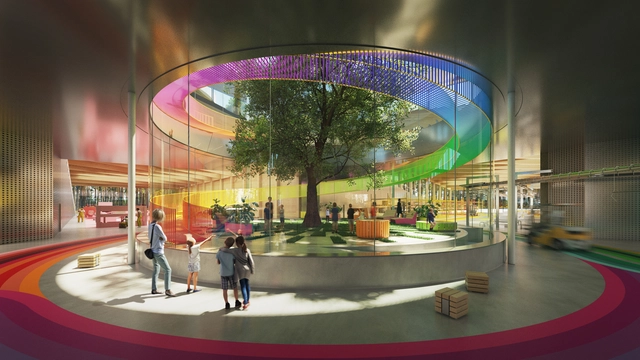
Bjarke Ingels Group and Norwegian manufacturer Vestre have unveiled The Plus, a new project set to become the world’s most sustainable furniture factory. Sited in Magnor, Norway, the factory was envisioned as a village for a community dedicated to the clean, carbon neutral fabrication of urban and social furniture. The Plus aims to be a global destination for sustainable architecture and high-efficiency production.
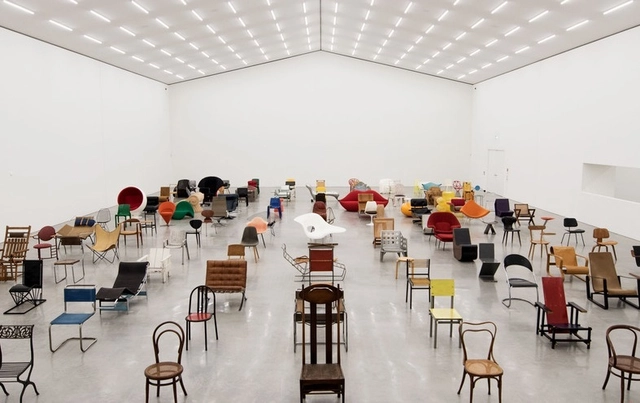
Vitra Design Museum has debuted Chair Times, a 90-minute film that describes the history of seating furniture. Focusing on 125 objects from the collection of the Museum, the film explores the development of chairs over centuries, examining them as “portraits of their users.” Arranged according to their year of production, they are organized to form a timeline of modern seating design.
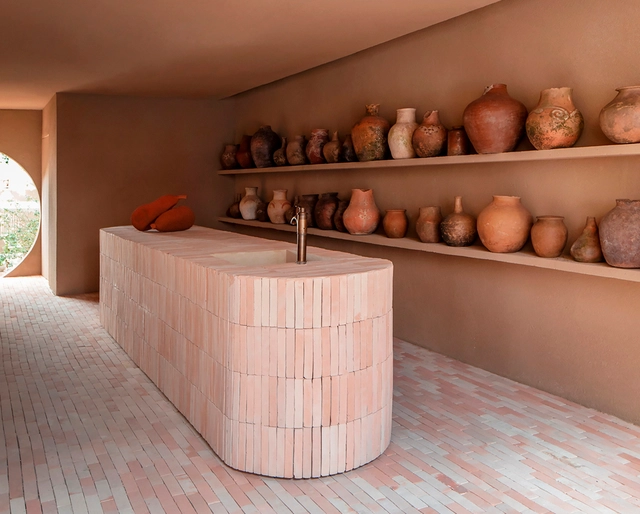
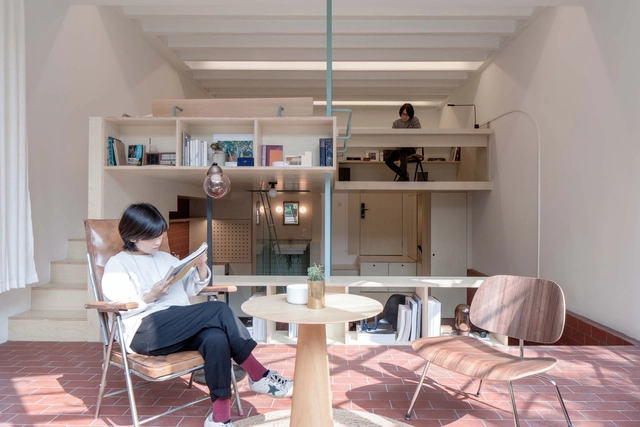
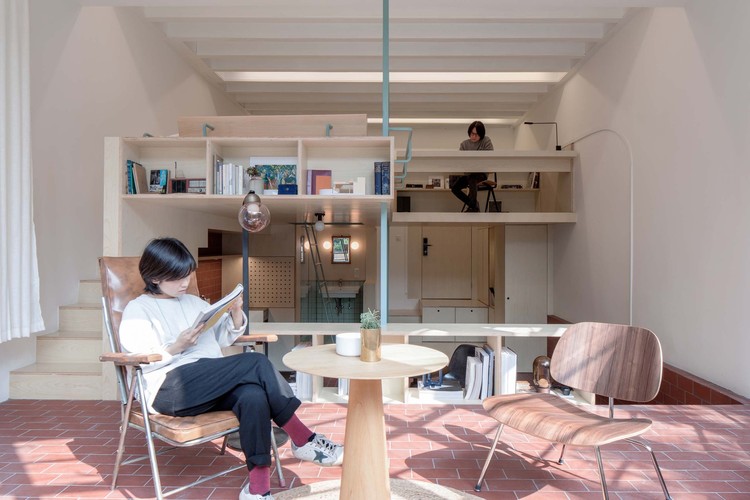
As walls and slabs, furniture may delimit and define a space. However, opposite to constructive elements, which distinguish the rooms in a more permanent way, furniture may create useful boundaries between one space and another in an easily adaptable way.
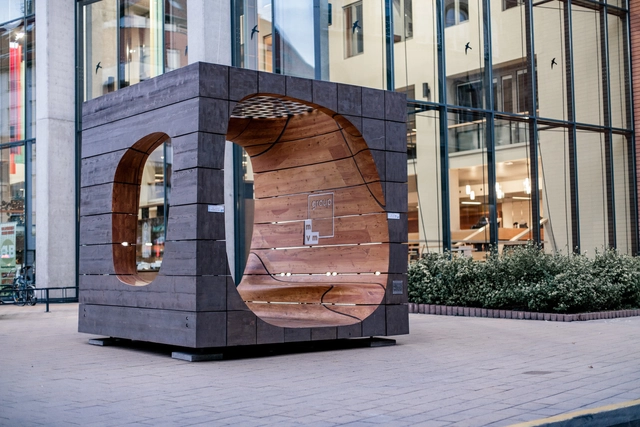
Architecture and design studio Hello Wood have created a line of "smart" outdoor furniture for educational institutes and public communal spaces. The two furniture pieces, Fluid Cube and City Snake, re-introduce modular public structures in a contemporary and sustainable way.
Architectural design of a space and the furniture chosen to fill it can work together to define a room's function, set a certain vibe, and make a statement. While an architect or designer may want specific furniture to create a certain look at the time of design completion, versatility is also important over the course of a building's life. Not only do the needs of building programs and inhabitants shift over time, but owners of commercial and public spaces often want the ability to react to both aesthetic and social trends to keep up-to-date.
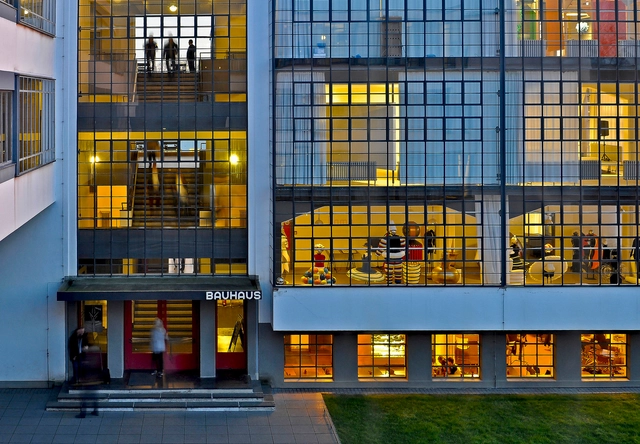
Celebrate Bauhaus 100 through the world's number one visual storytelling platform, Instagram. An essential tool for designers, Instagram is a constantly growing digital database of market sharing and stimulation. Social media has changed not only how we gather precedents and market our designs, but also our designs themselves. "Instagram Culture" drives designers to create more shareable moments. As we continue to seek these dynamic encounters, let us not forget our forefathers of user experience design and the Bauhaus school.
Interior spaces are a constellation of multiple elements framed by a building’s architecture. Furniture, in particular, plays a key role in defining a space, affecting the uses, comfort level, and feel of the space. Creating a coherent design that maximizes function and activates a living space requires furniture pieces that are not only aesthetically pleasing to begin but are also timeless - creating a dialogue between furniture and architecture.
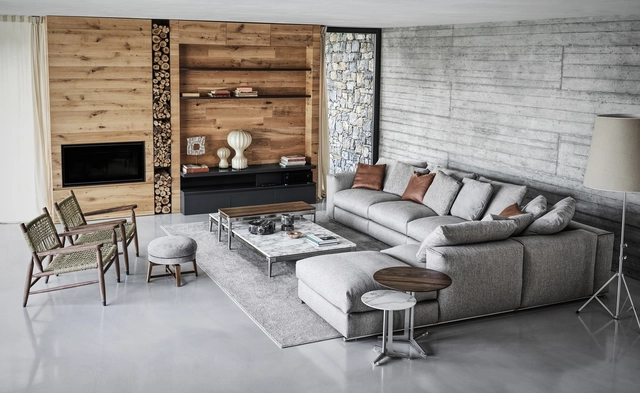
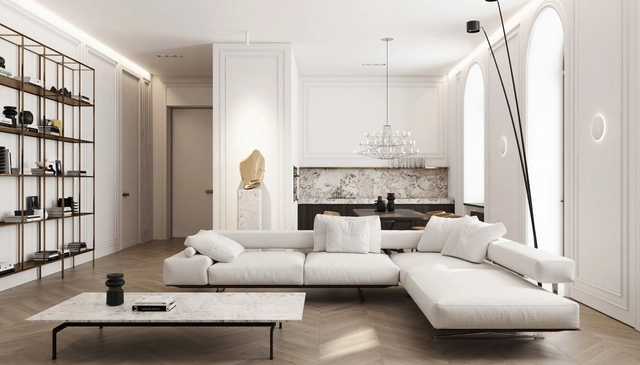
A furniture piece can be described as an extension of architecture, creating a direct connection between structure and inhabitants. The piece's geometries must mimic or complement the proportions and shapes incorporated into the architecture while accommodating the physical needs of the individual. A notable Italian furniture design company, Flexform, has utilized many of these design principles in the company’s portfolio of contemporary style furniture. Originally the handmade crafts of the Galimberti brothers in 1959, ‘Flexform di Galimberti’s’ early success led the company to expand and grow - allowing many of timeless pieces to be incorporated into the fabric of international architecture.
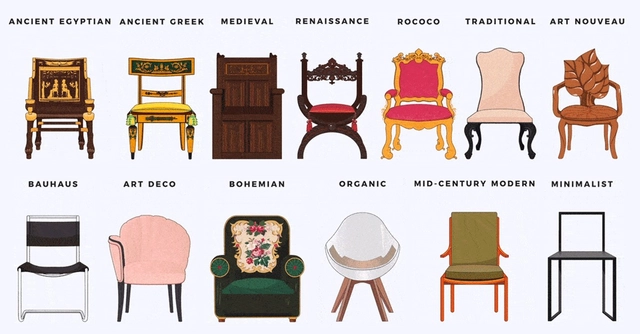
Evidence suggests that furniture was used as far back as the Neolithic period and daily life without it is unimaginable. So how has furniture changed through the ages? From the exclusive and luxury furniture of Ancient Egypt, to the functional and streamlined design of the Bauhaus – these animations created by Angie's List take you on a fascinating journey through the evolution of furniture design.
https://www.archdaily.com/901164/see-how-the-design-of-chairs-beds-and-sofas-have-evolved-through-historyAngie's List
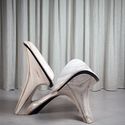
For those with $145,000 hidden down the side of their sofa, Zaha Hadid Architects has designed and released Lapella Chair, continuing their “investigations in structure and fabrication-aware tectonics by reinterpreting the iconic 1963 lounge chair by Hans J. Wegner."
Created from Italian marble, Lapella retains the proportions, scale, and recline of the original chair while introducing “contemporary stone tooling and carbon fiber composites.”
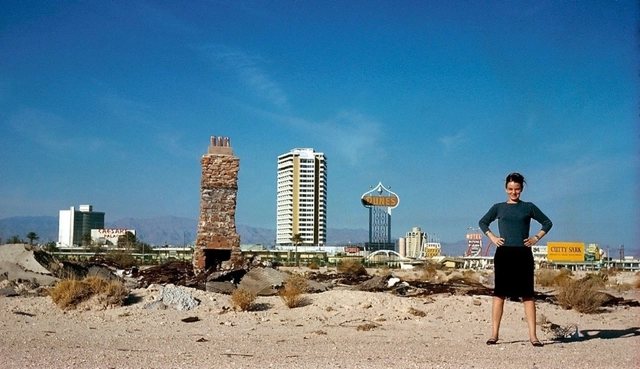
There’s something irresistible about Robert Venturi and Denise Scott Brown’s architectural romance. They met when they were both young professors at the University of Pennsylvania; Scott Brown held seminars in city planning, and Venturi gave lectures in architectural theory. As the story goes, Scott Brown argued in her first faculty meeting that Frank Furness’ masterful Venetian gothic library should not be torn down to build a plaza (then a dissenting opinion). Venturi approached her after the meeting, offering his support. As Paul Goldberger wrote of the couple in 1971, “as their esthetic viewpoints grew closer and closer, so did their feelings toward each other.” Architecture lovers can’t help but love the architect-lovers.
Indoors frame how we grow - how we dwell - how we live. They are an inseparable part to a human life and furniture form a very crucial component of how this experience grows on us.
But how well does your furniture fit in framing a life that’s unique in its own way?
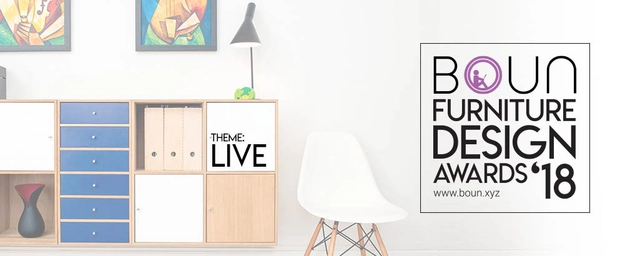
Boun Furniture Design Awards is looking for exceptional interior furniture design concepts/built projects that make our existence as a human more livable. Will yours be the one?
Now in its sixth year, CONNECT highlights innovative design programs at universities throughout the country. Students, under the supervision of university faculty, have the opportunity to design environments that incorporate seating and lighting installations, with the intention of offering an intimate area on the show floor where attendees can sit, relax and "connect." Exhibits will be located throughout the show floor, providing SOFA CHICAGO's international audience an opportunity to experience the innovation and creativity of future designers.