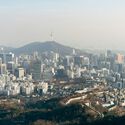
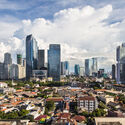
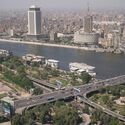
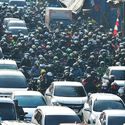
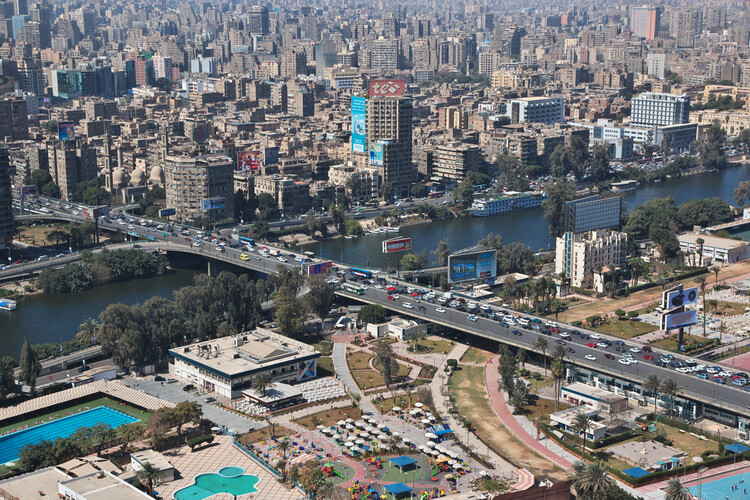
Across history, the relocation of capital cities has often been associated with moments of political rupture, regime change, or symbolic nation-building. From Brasília to Islamabad, new capitals were frequently conceived as instruments of centralized power, territorial control, or ideological projection. In recent decades, however, a different set of drivers has begun to shape these decisions. Rather than security or representation alone, contemporary capital relocations are increasingly tied to structural pressures such as demographic concentration, infrastructural saturation, environmental risk, and long-term resource management. As metropolitan regions expand beyond their capacity to sustain population growth and administrative functions, governments are turning to spatial reconfiguration as a means of addressing systemic urban imbalance.
Architectural heritage is often described as what survives time. Yet survival does not explain why certain buildings are preserved while others disappear. Many works now protected as cultural heritage were once criticized, contested, or openly rejected; they were accused of being socially misguided, materially flawed, or symbolically excessive. Over time, however, these same shortcomings have become central to their meaning as heritage emerges as a slow and unstable process of interpretation.
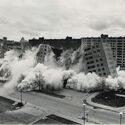
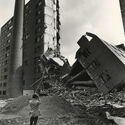
Contemporary architecture operates under intense scrutiny, pressured by environmental responsibility, social equity, economic volatility, and accelerated technological change. Buildings are expected to perform ethically, efficiently, and symbolically, often simultaneously. As a result, architectural failure is no longer an exception but an increasingly common condition. Projects age faster, materials reveal limitations sooner, and urban strategies quickly fall out of sync with shifting political, social, and environmental realities.
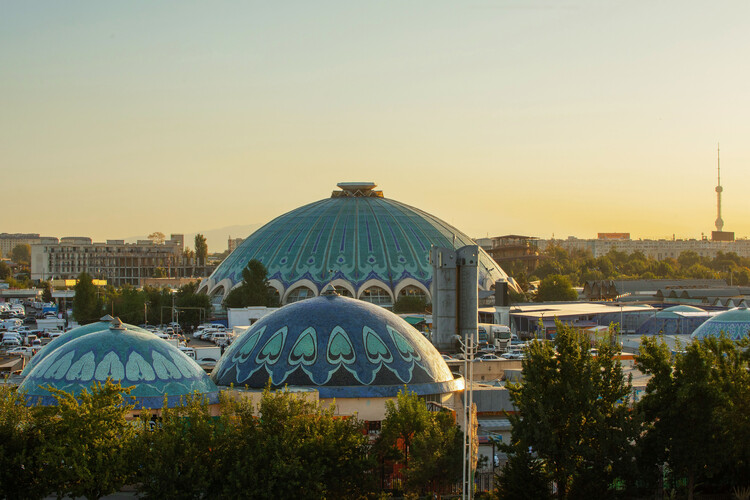
Situated along the historic Silk Road in Central Asia, Tashkent is a city with a long history spanning thousands of years. Its historic architecture is known for its courtyards, domes, and blue ceramics, typical of its Timurid heritage. The capital of Uzbekistan today, it was absorbed into the Russian Empire in the 19th century, before becoming a Soviet republic. While part of the Soviet Union, the city became an example of modernization, celebrating socialist achievements in Asia. A devastating earthquake in 1966 accelerated this modernization as the city was reconstructed, leading to many of the modernist monuments for which Tashkent is known today.
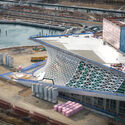
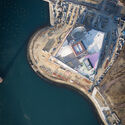
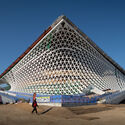
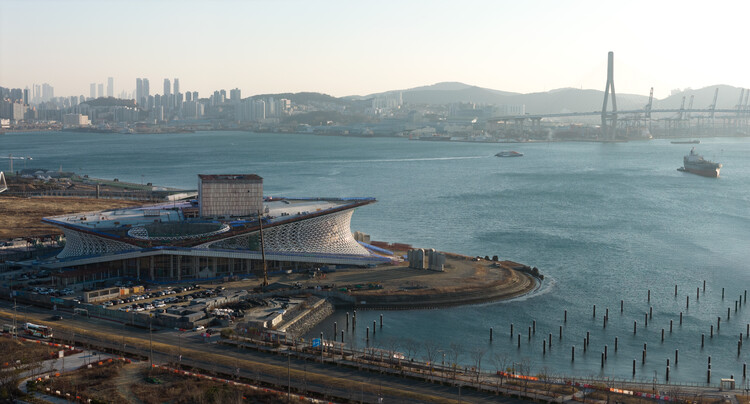
Commissioned in 2012 following an international design competition, Snøhetta's BusanOpera House is under construction on the city's North Port waterfront, with major works scheduled for completion in late 2026 and an opening planned for 2027. Conceived as the first opera house in South Korea's second-largest city, the project redefines the traditional opera house as an open and inclusive civic institution. Rather than operating solely as a venue for performance, the building is envisioned as a public destination that supports everyday use, collective experience, and long-term cultural engagement within Busan's evolving urban landscape.
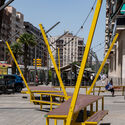
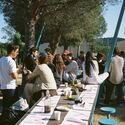
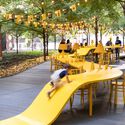
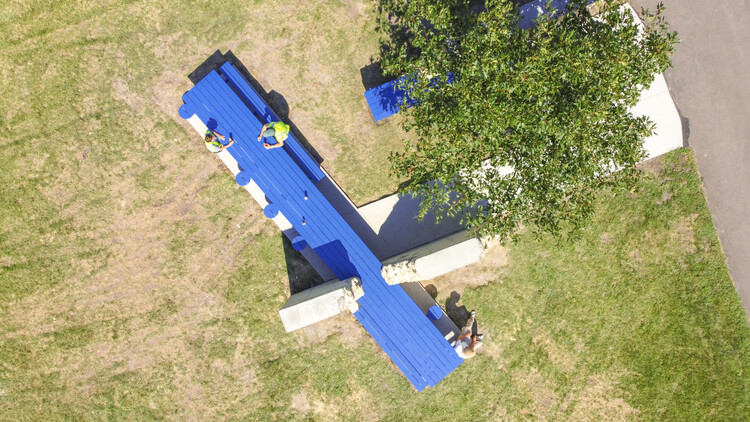
A long table can sit almost anywhere and still do the same work. It can stretch beneath a market canopy, run along a school dining hall, or occupy the center of a shared living room, and it immediately changes the room's temperature.
That is why the long table is less an object than a spatial instrument. It does not guarantee a connection, and it rarely looks "inclusive" by default. Instead, it sets conditions: a shared edge, a common rhythm of arrival, a field of mutual visibility, or a rule that turns eating into a scene with others. Food studies describe this practice as commensality, the act of eating together and the social order it can create, reinforce, or contest. But what matters here is not a specific dimension or the table's function, but the way a long surface holds difference, conversation, and silence; intimacy and distance; the decision to join and the right to hesitate.
Architecture is increasingly asked to do less, not more. In environments shaped by constant movement, noise, and expectation, spaces that allow people to stay, pause, and be present have become both rarer and more necessary. Many public and semi-public places are designed to keep people moving, consuming, or reacting, leaving little room for lingering, observation, or simply being without a reason.
In response, a growing body of work is shifting attention away from activation and toward presence. Rather than asking users to interact or participate, these spaces create conditions that support staying. Comfort, continuity, and openness allow people to remain without pressure or obligation, making presence a spatial quality rather than an activity.
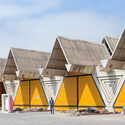
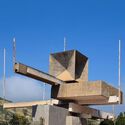
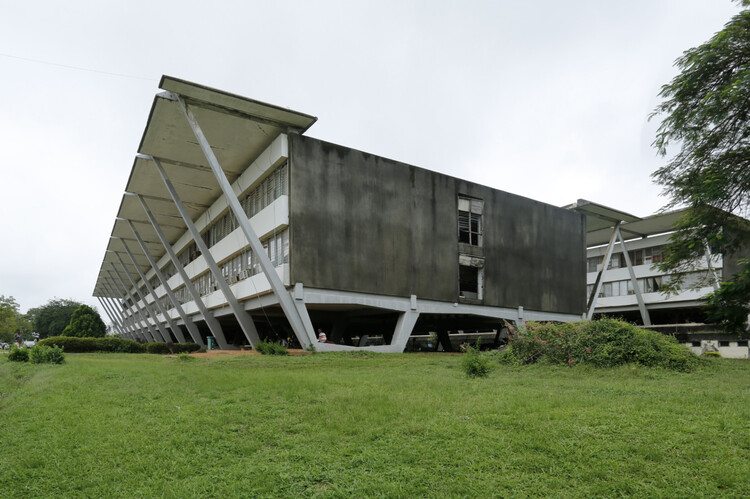
Launched in September 2024, the Rediscovering Modernism in Africa series joined a growing worldwide interest in this topic. Previously underrepresented in architectural discussions, the work of architects and researchers on the continent and abroad has continued to tell the story of these high-quality modern works of architecture. These buildings represent designers striving to create locally suited architecture using global concepts and technologies, coinciding with huge political changes as most African countries gained their independence.
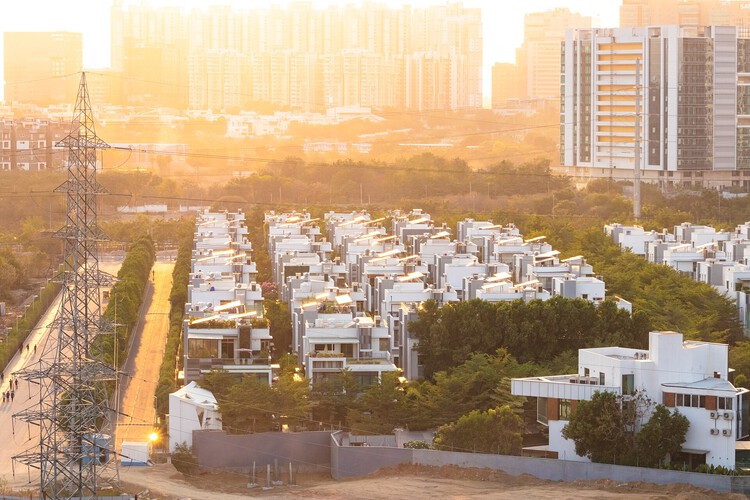
Sunset panorama of a large residential gated community (Aparna’s Elixir) viewed from Khajaguda hills, India. Photo by iMahesh. License Creative Commons Attribution-Share Alike 4.0 International
You learn how to behave long before you arrive home. At the gate, you slow down and wait. You are watched, then waved through. A badge is checked, a barrier lifts, a camera blinks. Nothing dramatic happens, and that is precisely the point. The most consequential work of gated communities is not done by their walls, but by the choreography of entry that quietly teaches residents what to expect, whom to trust, and where they belong.
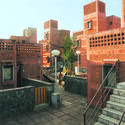
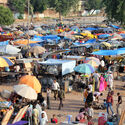
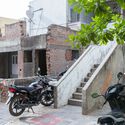
The magic of Indian architecture lies in an invisible order amidst visceral chaos. When an uncertain future knocks on the doors of local practitioners, one might begin to look within the four walls they occupy to discover an opportunity for reinterpretation.
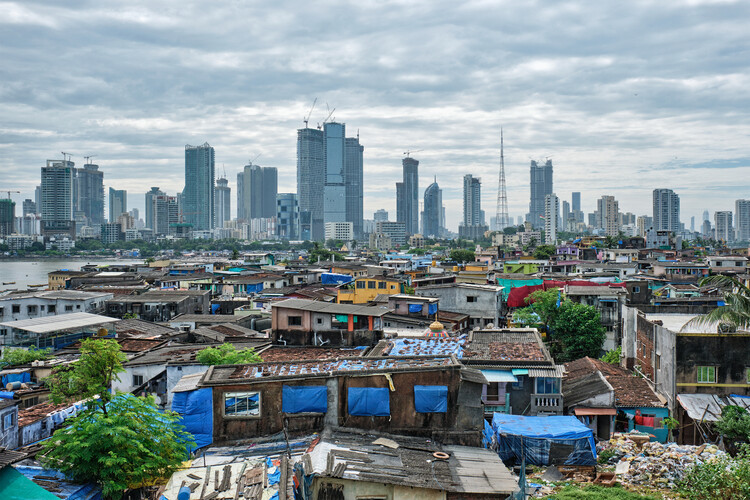
Mumbai, Delhi, Bengaluru, and other major metropolises are described as needing massive housing solutions for millions. The instinctive answer is predictable — masterplans, dense towers, and standardized units smeared over haphazard developments. The lexicon misses a deeper truth about how the people already live, work, and build in India. The shorthand used in policy and planning — slum, informal settlement, unauthorized colony — implies a temporary state to be corrected. A designer's eye views these places as layered urban histories, formed through necessity.
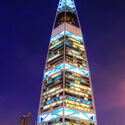
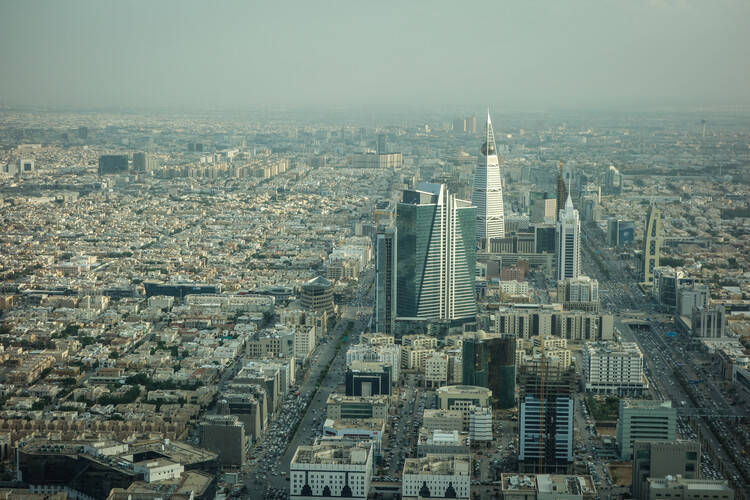
Once a Najdi settlement defined by mudbrick walls and courtyard houses, Riyadh has undergone one of the most radical urban transformations of the 20th and 21st centuries. The discovery of oil reserves, the consolidation of political power, and the rapid expansion of infrastructure reshaped the city from a regional capital into a sprawling metropolis almost within a single generation. As a result, Riyadh's urban fabric is marked by discontinuities, fragments of vernacular architecture coexist with mid-century institutional modernism, and a rapidly evolving contemporary skyline.
In recent decades, this layered condition has been further intensified by large-scale development strategies and cultural investment programs that position architecture as a tool for redefining national identity. International practices have played a decisive role in shaping key institutions, infrastructures, and landmarks, while local studios increasingly contribute projects that reinterpret climate, materiality, and social space within a contemporary framework.
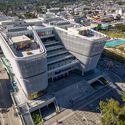
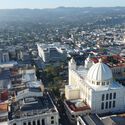
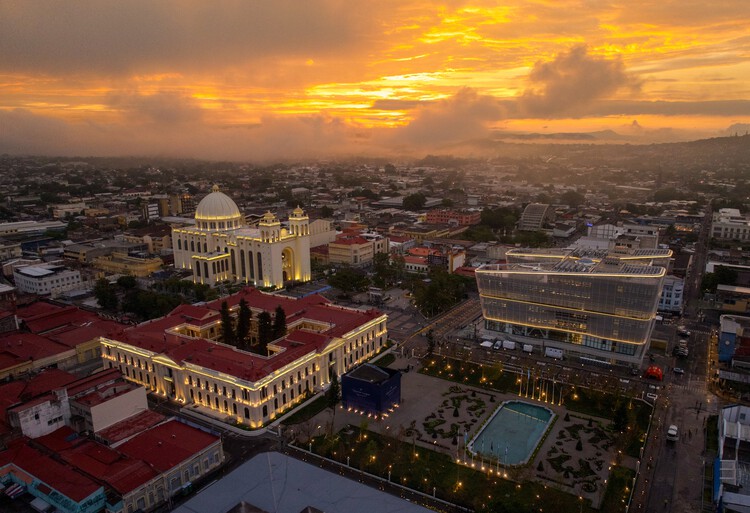
Historic center renewal has become a recurring strategy in Central American cities seeking to reassert the symbolic, economic, and functional relevance of their traditional cores. These processes often combine physical rehabilitation, institutional investment, and stricter control over public space. San Salvador offers a recent and instructive case, which allows for understanding of how interventions in inherited civic spaces balance infrastructure improvement with heritage conservation and social regulation. It also enables the assessment of how these choices resonate within broader debates on urban transformation in the region.
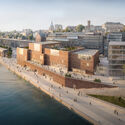
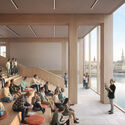
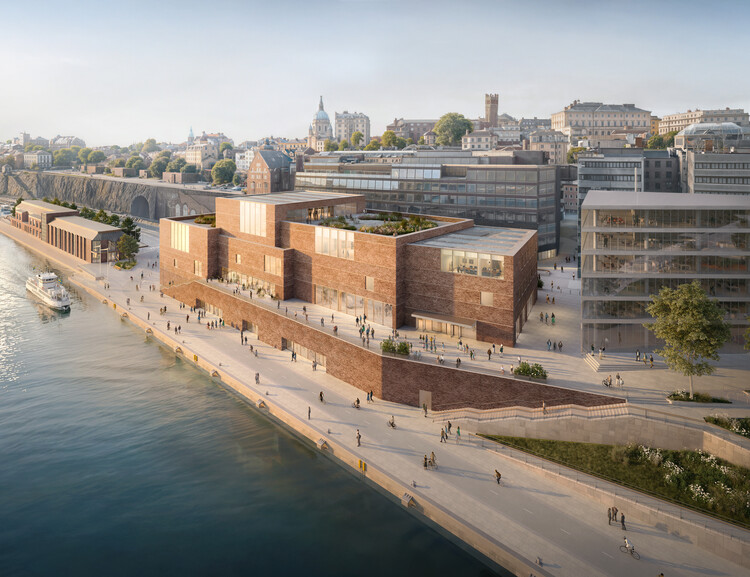
The Nobel Foundation has revealed the first design proposal for the new Nobel Center, a public cultural and educational institution dedicated to science, literature, and peace. Designed by David Chipperfield Architects Berlin, the project will be constructed along Stadsgårdskajen at Slussen in Stockholm, with construction scheduled to begin in 2027 and completion planned for 2031. Conceived as a permanent home for the activities surrounding the Nobel Prize, the building aims to make the work of Nobel Prize laureates accessible to a broad public through exhibitions, public programs, and interdisciplinary exchange, positioning the center as both a civic landmark and an international point of reference.
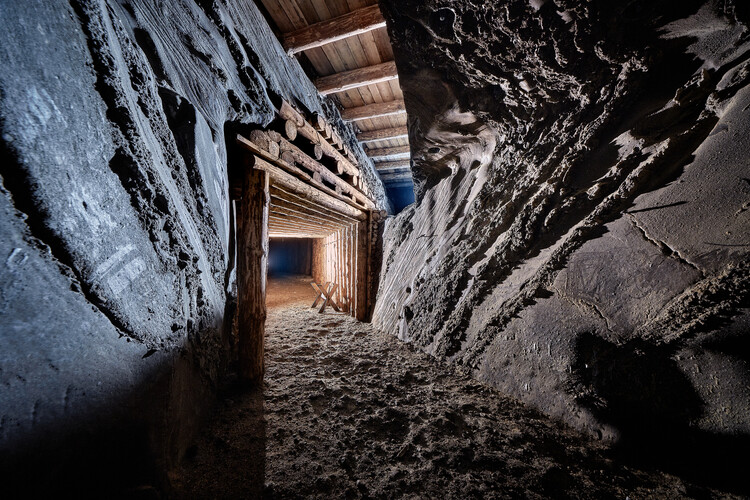
Beneath the visible surface of cities lies an invisible architecture. Subways, tunnels, water systems, data cables, and bunkers form a dense network that sustains urban life while remaining largely unseen. The ground beneath our feet is not a void but a complex territory that holds the infrastructures, memories, and anxieties of our age. In recent years, as land becomes scarce and climate pressures intensify, architects and urbanists have turned their gaze downward, rediscovering the subterranean as both a physical and conceptual frontier. To design underground is to engage with the unseen mechanisms that shape the world above.
The subterranean has long been a site where architecture intersects with politics, technology, and belief. From the catacombs of Rome to the industrial subways of modernity, descent has symbolized both protection and exposure. Twentieth-century urbanism transformed this gesture into a system: metros, shelters, and utilities redefined the city section as an instrument of governance. Beneath the promise of efficiency and progress, the underground absorbed the anxieties of an era of war, surveillance, and collapse. Its evolution reveals not only how societies build, but also how they fear.
Today, the ground has become the new frontier of urban expansion and ecological adaptation. As digital infrastructures, energy systems, and climatic buffers migrate below grade, architecture confronts a space both technical and metaphysical — essential yet marginal, invisible yet decisive. To think in sections rather than in plan is to recognise that contemporary cities no longer exist solely in their skylines but also in their depths. The challenge for architecture is not only to occupy that space, but to render it legible, to turn the unseen into knowledge, and the hidden into a new terrain of design.
Having explored adaptability at the city scale, we are now zooming in on the building itself—and, crucially, on practice. How can architects, developers, and consultants embed adaptability as a measurable, mainstream outcome? This question will be on the agenda at the Adaptable Building Conference (ABC) on January 22 at the Nieuwe Instituut in Rotterdam, where architects, engineers, policymakers, and industry leaders will explore the potential of adaptable buildings—and how to deliver them at scale.
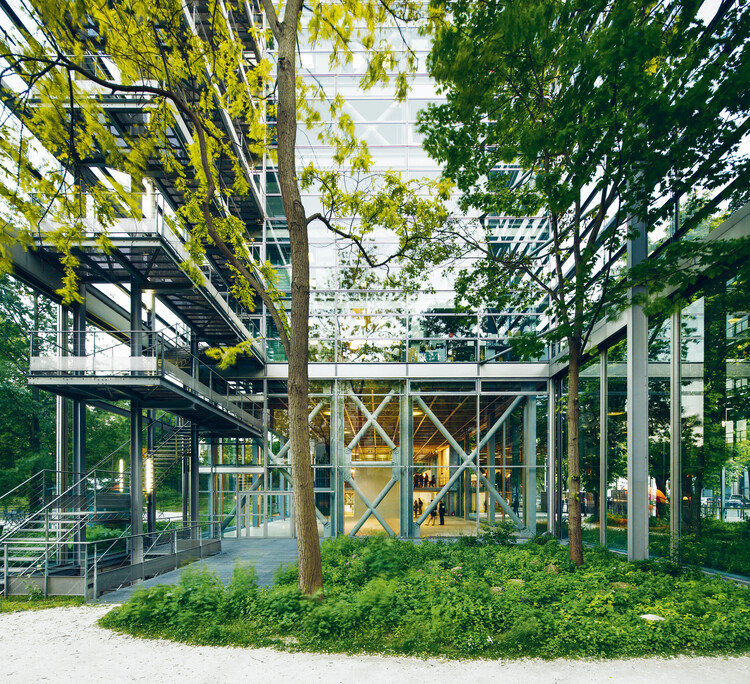
The opening of the new Fondation Cartier pour l'Art Contemporain in Paris last October sparked renewed questions around the role, form, and future of museums. As cultural institutions continue to proliferate worldwide in this digital era, the museum itself appears increasingly in need of redefinition. Rather than offering a single model or solution, Architecture for Culture: Rethinking Museums, written by architectural historian and curator Béatrice Grenier, argues for a more contextual and plural understanding of what a museum can be: an institution shaped by its environment, its public, and the specific cultural questions it seeks to address.
ArchDaily had the opportunity to discuss these ideas with the author against the backdrop of the Fondation Cartier's newly inaugurated home on Rue de Rivoli. Housed within a restored Haussmannian building that once accommodated the Grands Magasins du Louvre, the space has been radically reimagined by Jean Nouvel as a dynamic, transformable architecture.
The past year marked a defining moment in ArchDaily's evolution: a year of recalibration, intention, and renewed editorial purpose.
In an increasingly fast-moving and saturated media landscape, we took the opportunity to ask the fundamental questions: What does architectural media need to be today? What responsibilities do we carry as a global platform? And how can we contribute meaningfully to a profession navigating social, environmental, and cultural transformation?
And by engaging deeply with these reflections, we stepped fully into our role, bringing greater definition to who ArchDaily is and how it operates.
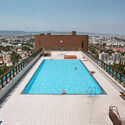
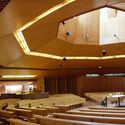
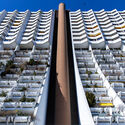
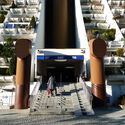
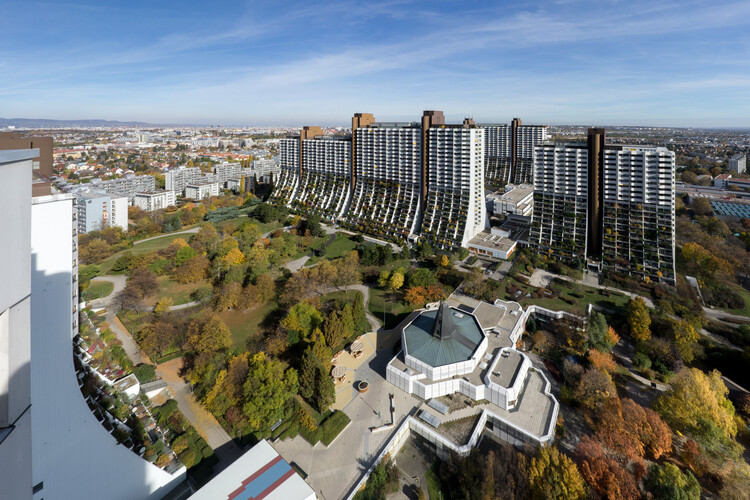
On the southern edge of Vienna, a cluster of monumental terraces rises above the cityscape, their stepped balconies cascading with greenery and their rooftops crowned with swimming pools. This is the Wohnpark Alterlaa, one of the most ambitious social housing projects in postwar Europe. Designed by Austrian architect Harry Glück and built between 1973 and 1985, the complex was founded on a provocative principle: municipal housing should not only provide affordable shelter but also offer the pleasures and amenities usually reserved for the wealthy.
With more than 3,000 apartments housing nearly 9,000 residents, Alterlaa was conceived as a city within the city. Alongside its residential towers, it incorporates shops, schools, medical services, and cultural facilities, ensuring that daily life can unfold entirely within its boundaries. The project reflects a moment of optimism in Vienna's urban policy, when housing was understood as infrastructure for collective well-being rather than as a commodity.
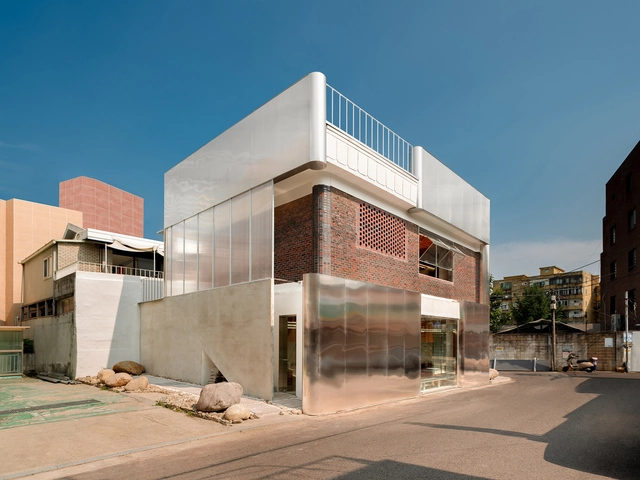
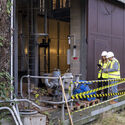
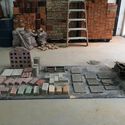
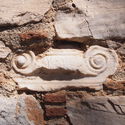
The circular economy, including the reuse of building materials, is fast becoming a key component in the fight against carbon emissions. This involves designing to minimize waste and utilize materials that can be reused at the end of the building's life. On the opposing side, the reuse of materials from partially or wholly demolished buildings can also reduce waste and carbon emissions that would have resulted from using virgin materials. Sustainability purposes aside, the reuse of building materials has a centuries-old history, both for symbolic reasons and simply out of necessity.