Exploring unbuilt architectural projects by established firms offers a glimpse into the forefront of design innovation and future-thinking concepts. In fact, studying up-and-coming projects provides an opportunity to get ahead of emerging trends and envision the future of the built environment, fostering dialogue around new ideas. With the looming climate crisis in a post-COVID world, this week’s selection of unbuilt projects submitted to the ArchDaily community showcases the scale of problem-solving through city-making and contextual spatial activations.
Whether it’s a vertical neighborhood in Kunming, a life science facility in Manhattan, or a cultural center in Veneria Reale, these unbuilt projects capture the diverse spectrum of architectural visionaries’ progression. Each of these proposals represents a unique narrative, whether seeking to redefine residential living or revitalize urban space. Through these projects, architects can offer the environment a glimpse into the transformative potential of design when used in a problem-solving capacity.
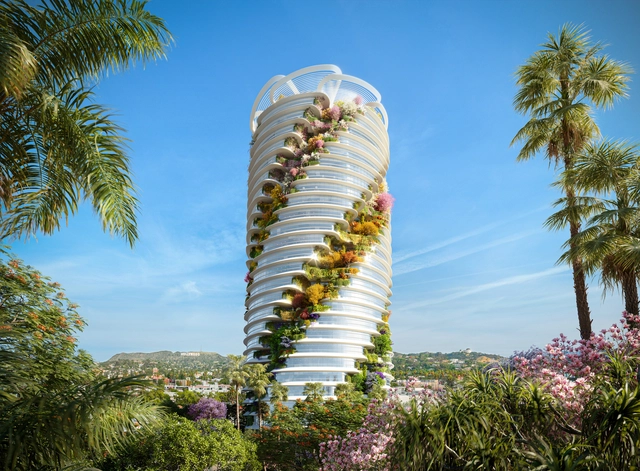
Foster + Partners, led by Norman Foster, has revealed designs for a new “vertical creative office” campus on Sunset Boulevard in Los Angeles, overlooking Hollywood. Developed by real estate firm The Star LLC, the tower is wrapped in spiraling gardens, giving the project its distinctive image and introducing generous outdoor areas throughout. Dubbed “The Star,” the project strives to use active and passive design strategies to bring a welcoming and comfortable space for all future users.
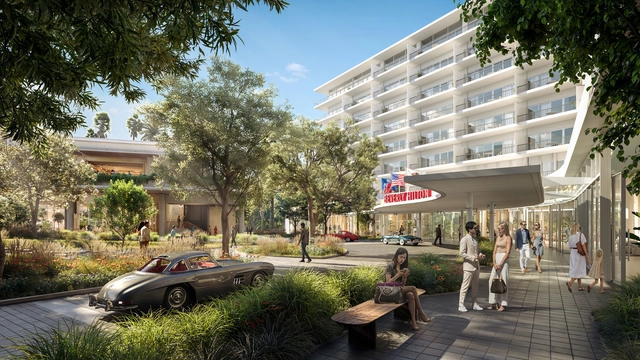
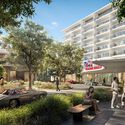
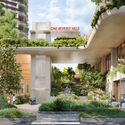
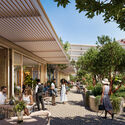
Foster + Partners has announced the start of construction on One Beverly Hills, revitalizing 17.5 acres of land in the city center. Proposing two residential buildings, a new hotel, a dining, and a retail pavilion, the development is expected to open in 2025. Designed in collaboration with design collective RIOS, who is leading the Landscape Architecture, the project features 10 acres of gardens and open space. The project’s masterplan, designed by Foster + Partners, also integrates existing landmarks like the Beverly Hilton and Waldorf Astoria Beverly Hills.
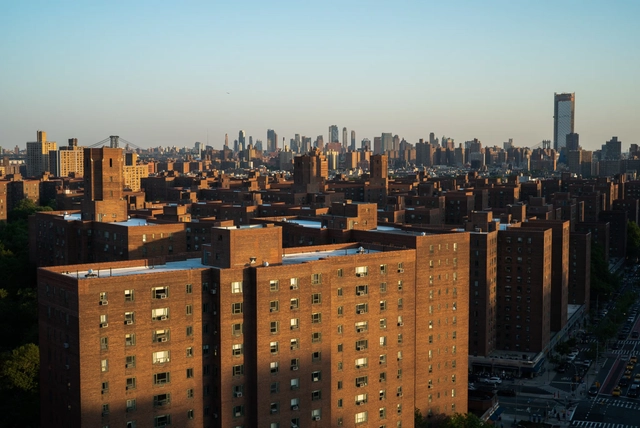
In the ever-evolving landscape of urban development, cities are faced with an array of challenges that demand quick and innovative solutions, ranging from the critical issue of affordable housing to the pressing need for efficient and decongested infrastructure and sustainable energy practices. As the demands of the built environment expand, local authorities worldwide are redefining policies and regulations to shape their cities. These innovative regulations can drive sustainable and consistent progress as cities stand at the intersection between their present challenges and future aspirations.
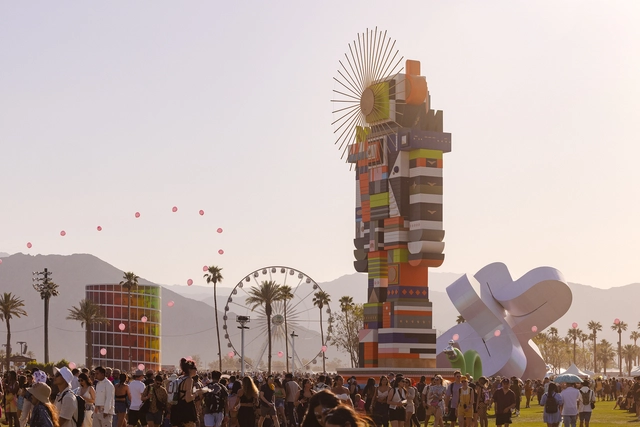
Music Festivals can provide artists, designers, and architects a platform to present their work to large crowds. The sheer scale of these installations, the space for artistic exploration, and the vast audience they reach can give designers the opportunity of a lifetime to showcase their ideas. Through scale, color, imagery, and lighting, these installations create lasting impressions on the people who attend these events and those who see them through news coverage or social media. Some themes explored this year included reframing familiar things in unfamiliar ways, large-scale abstract geometries at the intersection of technology and art, and the use of innovative new materials.
The window for solving climate change is narrowing; any solution must include embodied carbon. TheSixth Assessment Report published by the IPCC (Intergovernmental Panel on Climate Change) concludes that the world can emit just500 gigatonnes more of carbon dioxide, starting in January 2020, if we want a 50 percent chance of staying below 1.5 degrees. In 2021 alone, the world emitted about36.3 gigatonnes of carbon, the highest amount ever recorded. We’re on track to blow through our carbon budget in the next several years. To quote the IPCC directly: “The choices and actions implemented in this decade will have impacts now and for thousands of years (high confidence).”
Cities across the globe are developing comprehensive action plans in order to create a coordinated response to the challenges of climate change. Targets and goals for consumption-based emissions are important for guiding strategic planning and decision-making, improving accountability, and communicating the direction of travel to businesses and the public. National and regional government officials are working with the private sector, international organizations, and civil society to create change at every level, from structural interventions in supply chains and industries to individual choices. This demonstrates a rising understanding of the role of cities in mitigating the adverse effects of rising temperatures.
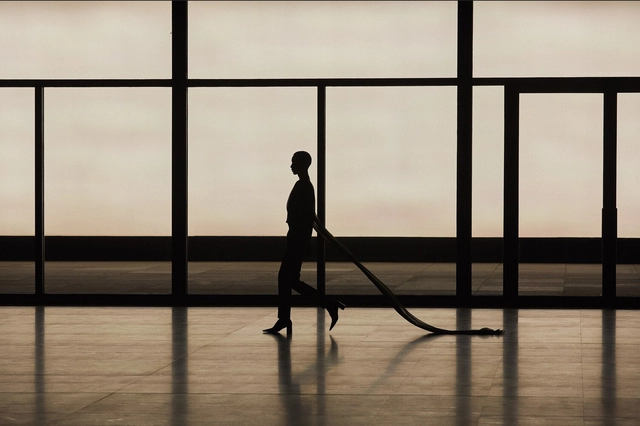
Saint Laurent Men’s Summer 24 at Mies van der Rohe’s Neue Nationalgalerie. Image Courtesy of Saint Laurent
Architecture and fashion share an interesting interplay in the formation of cultural expressions and identities. Both disciplines can become vehicles for creativity at different levels. Architecture is often described as the “third skin” of humans, while clothes represent the second skin, highlighting somewhat similar functionality of protecting the body while also allowing for self-expression and individuality.
The relationship between architecture and fashion can also be seen in the shared design principles, such as form, proportion, human scale, and materiality. More than a simple background for runway shows, architecture can contribute to setting the atmosphere, becoming a source of inspiration, and orienting the movement through space. Collaborations between architects and fashion houses, such as the renowned partnership between OMA/AMO and Prada, further blur the boundaries between the two disciplines, demonstrating the myriad of interconnections between the two creative fields.
Memorium Nürnberger Visitor Center. Image Courtesy of Sebastian Brunke
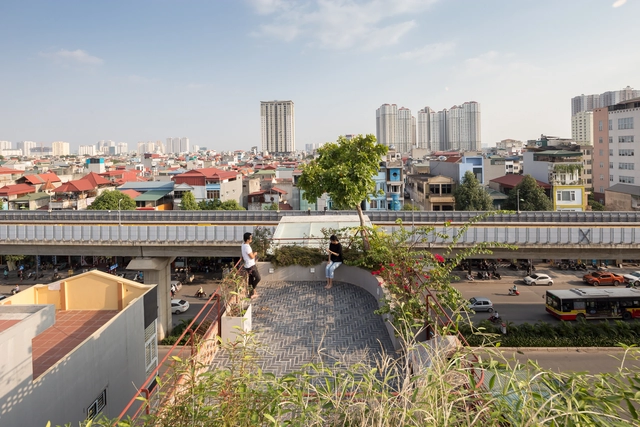
Public spaces are the beating heart of our cities. They act as the hubs of social and cultural activity where people congregate, interact, and escape the clamor of the city. These areas are crucial in determining a city's identity, character, and citizens' well-being and standard of living. Public spaces can define our communities and significantly impact how we live, work, and interact with one another through their architectural designs, facilities, and activities. Furthermore, they provide leisure, exercise, and recreation opportunities, allowing individuals to escape the confines of their daily routines and connect with nature.
This week's curated selection of Best Unbuilt Architecture highlights projects submitted by the ArchDaily community showcasing different proposals made to enhance public space. Ranging from reimagining central squares to placing massive land art in the urban epicenter, these public spaces enhance the quality of life for the city's locals. In Germany, the redesign of the entire Memorium Nürnberger Trials reimagines this as a place to come together, grounded in its history, while in Havana, the new Cuban Square reimagines the metaphor of unity in the city center. The design and accessibility of public spaces significantly impact our well-being and quality of life. Thoughtfully planned and inclusive spaces with seating, greenery, and pedestrian-friendly infrastructure can promote physical activity, mental health, and community engagement in a city.
Every year since its establishment in 1970, Earth Day aims to bring into focus not only the increasingly threatening effects of climate change but also highlight the effective measures and adaptation efforts that can improve the quality of our environment. This year’s event comes after a report from the United Nations’ Intergovernmental Panel on Climate Change (IPCC) in March, which presented another warning on the magnitude of changes produced by human-induced global warming and its impact on people and ecosystems. The same report does offer some hopeful prospects as well, showing that adaptation measures can build resilience, but those urgent systemwide transformations are needed to secure a net-zero future. In response to these findings, the 2023 Earth Day is focused on the theme of “Investing in Our Planet,” as an encouragement for governments, institutions, businesses, and civil society to accelerate the change. Read on to discover several citywide initiatives aligned with these objectives of building resilience and a more sustainable future through legislation, civic involvement, and innovative systems.
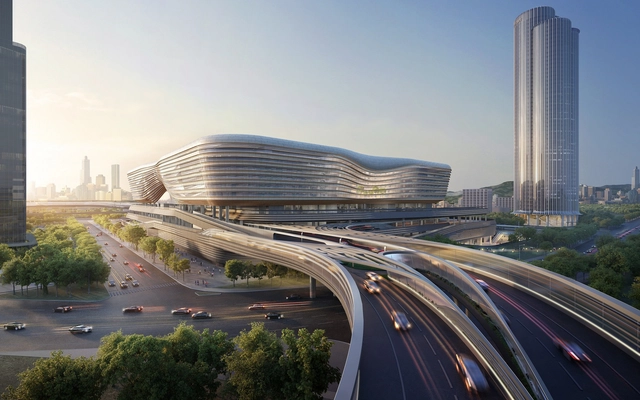
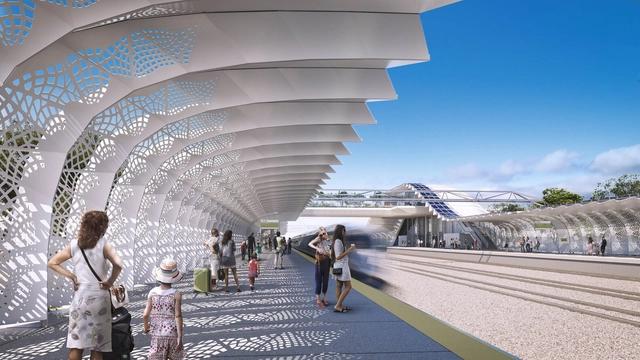
California High Speed Rail. Image Courtesy of Foster + Partners
Foster + Partners and Arup have chosen to work together to design the Merced, Fresno, Kings/Tulare, and Bakersfield stations that will service high-speed train passengers on the first 171-mile leg of California High-Speed train (CA HSR). The Central Valley stations will be the grand entrances to America's first high-speed rail stretch, marking an important step towards providing all Californians with sustainable, carbon-free transportation. Planning, architecture, and engineering for the four new stations, which will serve as design templates for stations planned for the whole 500-mile Los Angeles/Anaheim to San Francisco line, are being done jointly by Foster + Partners and Arup.
The California high-speed rail will connect the state's mega-regions, promote economic growth and a cleaner environment, foster job growth, and conserve agricultural and protected lands. With up to 200 mph speeds, the system can travel from San Francisco to the Los Angeles basin in less than three hours. The Authority is collaborating with regional partners to implement a state-wide rail modernization plan that will spend billions of dollars on local and regional rail lines.
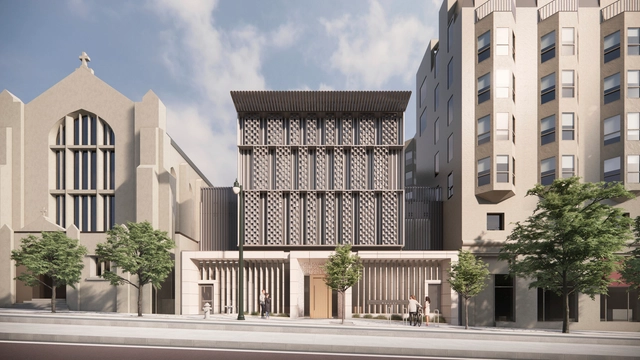
Designed by Skidmore, Owings & Merrill (SOM), the new American Buddhist Cultural Society Temple, also known as the San Bao Temple, has broken ground in San Francisco, California. Located on Van Ness Avenue, the new six-story facility will include a community center, a Buddhist shrine, and a meditation room on the upper levels, along with three levels of private dormitories for visiting monastics and volunteers. In the center of the building, a light-filled atrium offers additional amenities, such as a public art gallery, bookstore, teahouse, and community gathering hall. The temple is expected to open by the end of 2024.
Dramatic societal transformations- such as pandemics and technological advancements - call for dramatic shifts in lifestyles. Architects keep up by exploring and proposing new models of housing, each iteration catering to society’s latest needs. The co-living model is one such example that has become a roaring success over the past few decades. Redefining the way people live, co-living seeks to provide a form of cost-effective social housing. Although widely targeted at younger generations, the co-living industryis evolving to cater to various niche groups.
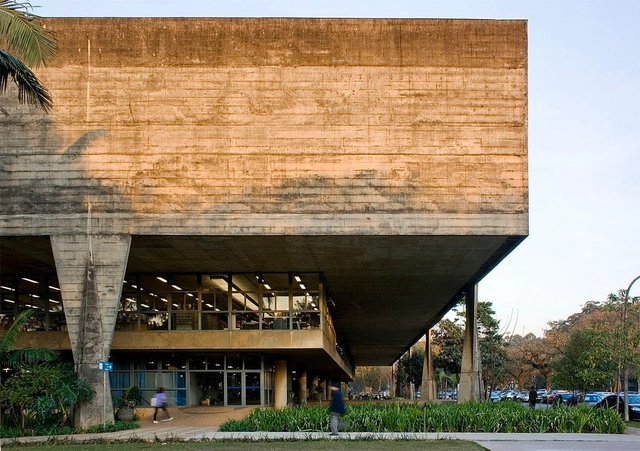
Architectural education has always been fundamentally influenced by whichever styles are popular at a given time, but that relationship flows in the opposite direction as well. All styles must originate somewhere, after all, and revolutionary schools throughout centuries past have functioned as the influencers and generators of their own architectural movements. These schools, progressive in their times, are often founded by discontented experimental minds, looking for something not previously nor currently offered in architectural output or education. Instead, they forge their own way and bring their students along with them. As those students graduate and continue on to practice or become teachers themselves, the school’s influence spreads and a new movement is born.
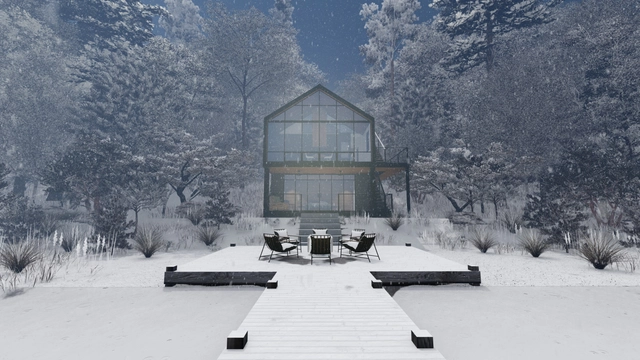
Lake House, Hudson Valley, New York. Image Courtesy of RS Mannino
This week’s curated selection of Best Unbuilt Architecture highlights visionary villas submitted by the ArchDaily community. From a modern lake house weekend retreat in New York, a Mediterranean Villa in Portugal that blends outdoor and indoor, and a rammed earth residential complex of five villas that fold into the Balinese landscape, this round-up of unbuilt projects showcases how architects are moving forward from conventional residential architecture, pushing the boundary of luxury.
Each project has a different vision, generated by unique site conditions, and has been designed specifically for the future users of the villa. Moreover, firms like Bittoni Architects, Lipman Architects, RS Mannino Architects have all presented work that plays with materiality, giving the houses unique characteristics.
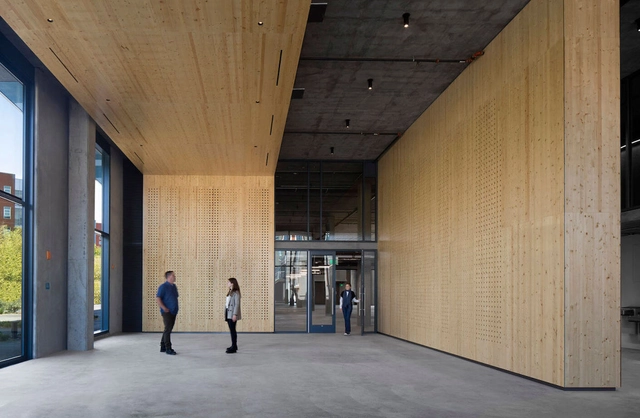
1 De Haro / Perkins&Will. Image Courtesy of Quebec Wood Export Bureau
Mass timber is emerging all across North America. Beyond the benefits of natural materials and visible structures, the capabilities of industrialized offsite construction are beginning to change the model of delivery for an increasing range of buildings. When a California owner-developer proposed the first mass timber building in the state, they chose the experience, scope, and qualifications carefully, and the entire mass timber package was delivered on a train from Quebec, Canada.
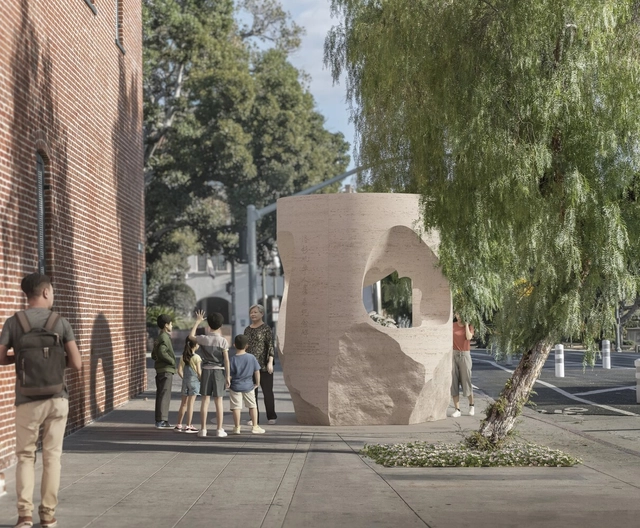
Figure x J. Jih Architecture Collective, led by James Leng and Jennifer Ly in collaboration with J. Roc Jih San Francisco, CA. Image Courtesy of Courtesy City of Los Angeles Department of Cultural Affairs
The city of Los Angeles has selected six finalists for the competition to design a new memorial dedicated to the victims of the 1871 Chinese Massacre. In one of the darkest chapters in the city’s history, on 21 October 24, roughly ten percent of the city’s Chinese population at the time, at least 18 residents, were murdered by a mob of rioters. The memorial seeks to raise public awareness of the 1871 racially motivated mass killing while simultaneously addressing contemporary concerns regarding race, intolerance, and violence. The memorial was first announced in April 2021, and it is set to be built near the site of the massacre and the Chinese American Museum.
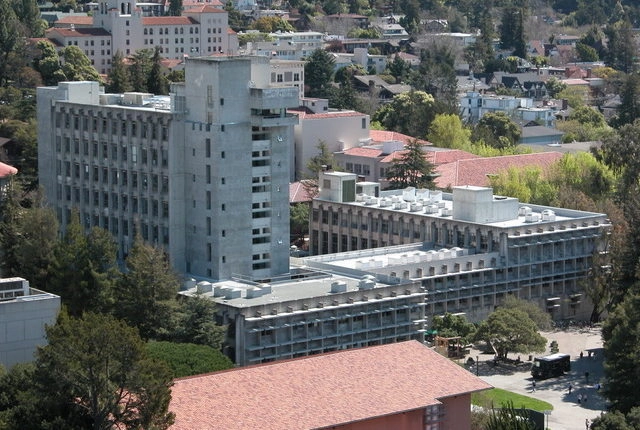
It’s finally time to write this down. For years—in meetings, on-campus tours, and informal conversations—I have talked about the University of California Berkeley’s Wurster Hall, now Bauer Wurster Hall, encouraging people to see and appreciate the significance, and beauty, of this building. It hasn’t been an easy case to make.
Bauer Wurster Hall is the home of the school’s College of Environmental Design (CED). Originally, it housed the departments of architecture, landscape architecture, planning, and design. The building was purpose-designed and built for the CED, a new college founded in 1959 that brought these departments together for the first time. William Wurster, for whom the building was originally named, was the college’s founding dean and the building’s visionary client.
https://www.archdaily.com/994658/theres-more-than-one-way-to-define-contextEmily B. Marthinsen