1. ArchDaily
  2. Berlin

Berlin: The Latest Architecture and News

What Makes a City Livable to You?

What Makes a City Livable to You? - Arch Daily Interviews
© Flickr user Hafitz Maulana licensed under CC BY-SA 2.0. ImageA music festival in Singapore

Mercer released their annual list of the Most Livable Cities in the World last month. The list ranks 231 cities based on factors such as crime rates, sanitation, education and health standards, with Vienna at #1 and Baghdad at #231. There’s always some furor over the results, as there ought to be when a city we love does not make the top 20, or when we see a city rank highly but remember that one time we visited and couldn’t wait to leave.

To be clear, Mercer is a global HR consultancy, and their rankings are meant to serve the multinational corporations that are their clients. The list helps with relocation packages and remuneration for their employees. But a company’s first choice on where to send their workers is not always the same place you’d choose to send yourself to.

And these rankings, calculated as they are, also vary depending on who’s calculating. Monocle publishes their own list, as does The Economist, so the editors at ArchDaily decided to throw our hat in as well. Here we discuss what we think makes cities livable, and what we’d hope to see more of in the future.

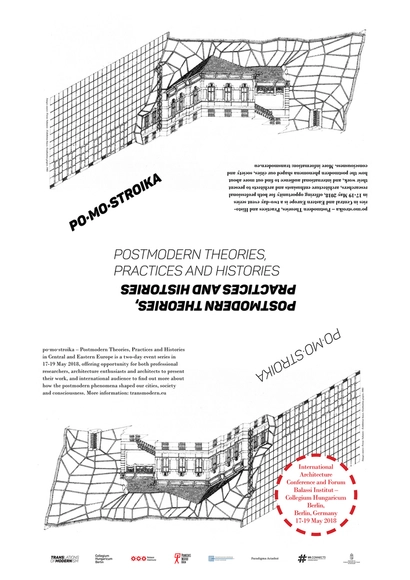
Call for Submissions: po·mo·stroika – Postmodern Theories, Practices and Histories in Central and Eastern Europe

po·mo·stroika – Postmodern Theories, Practices and Histories in Central and Eastern Europe is a two-day event series in 17-19 May 2018, offering opportunity for both professional researchers, architecture enthusiasts and architects to present their work, and international audience to find out more about how the postmodern phenomena shaped our cities, society and consciousness.

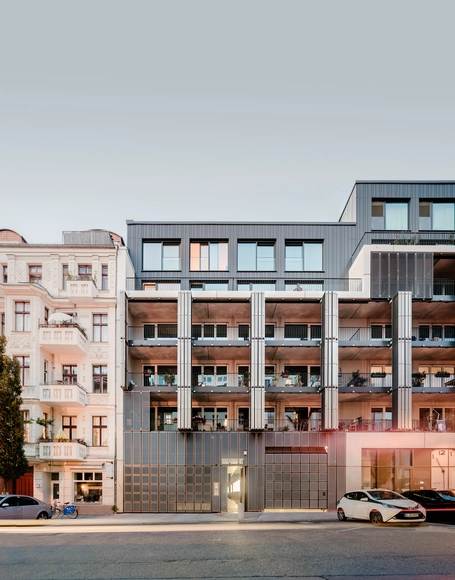
pa1925 / Zanderroth Architekten

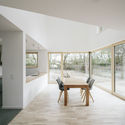
pa1925 / Zanderroth Architekten - Housing, Facade, Cityscapepa1925 / Zanderroth Architekten - Housing, Facadepa1925 / Zanderroth Architekten - Housing, Facade, Handrail, Balconypa1925 / Zanderroth Architekten - Housing, Kitchen, Facade, Door, Balcony, Table, Chairpa1925 / Zanderroth Architekten - More Images+ 18

Berlin, Germany
  • Architects: Zanderroth Architekten
  • Area Area of this architecture project Area:  14
  • Year Completion year of this architecture project Year:  2017
  • Manufacturers Brands with products used in this architecture project
    Manufacturers:  FSB Franz Schneider Brakel, EVVA, Villeroy & Boch
  • Professionals: Hager & Patner

Sharing the City: 5 Takes on How We Should Create and Use Public Space

Subscriber Access | 

On December 1st 2017, reSITE invited a handful of intellectuals to Berlin for the My City / Your City salon held in partnership with Airbnb, spending a day and night with them brainstorming about public space, sharing, and inclusiveness. To close the event, we served them a cocktail of simple questions that were not always easy to answer.

In the following text, artist Charlie Koolhaas, the architect and founding partner of Topotek 1 Martin Rein-Cano, the curator and writer Lukas Feireiss, the curator and architect Anna Scheuermann, and the professor Ivan Kucina, share their various opinions on issues ranging from how best to create public space to their thoughts on the very principle of sharing.

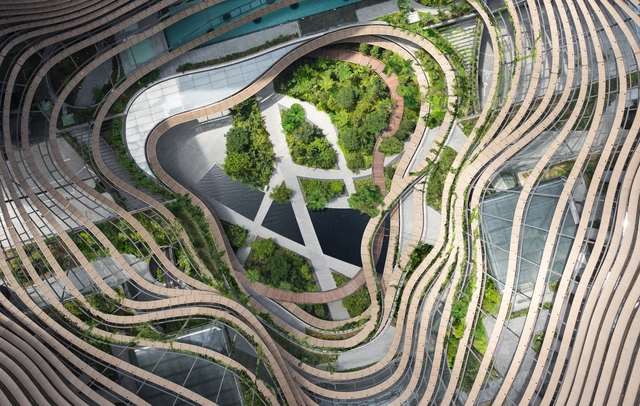
Green Heart | Marina One Singapore / ingenhoven architects

Green Heart | Marina One Singapore / ingenhoven architects - ApartmentsGreen Heart | Marina One Singapore / ingenhoven architects - ApartmentsGreen Heart | Marina One Singapore / ingenhoven architects - ApartmentsGreen Heart | Marina One Singapore / ingenhoven architects - ApartmentsGreen Heart | Marina One Singapore / ingenhoven architects - More Images+ 15

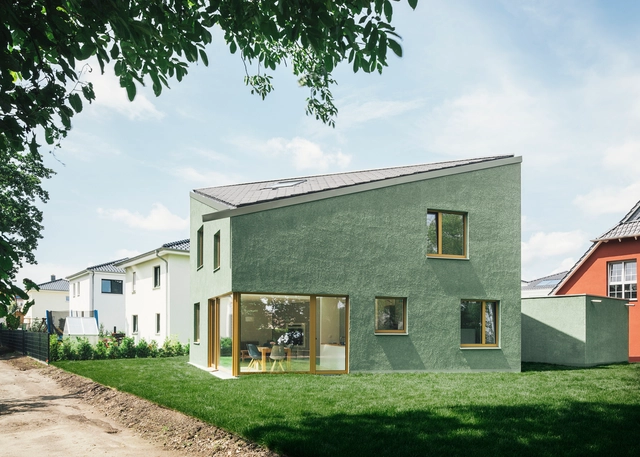
Haus P / Project Architecture Company + Miriam Poch Architektin
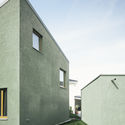
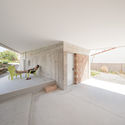
Haus P / Project Architecture Company + Miriam Poch Architektin - Houses, Facade, Arch, DoorHaus P / Project Architecture Company + Miriam Poch Architektin - Houses, Beam, FacadeHaus P / Project Architecture Company + Miriam Poch Architektin - Houses, Facade, Beam, Table, ChairHaus P / Project Architecture Company + Miriam Poch Architektin - Houses, FacadeHaus P / Project Architecture Company + Miriam Poch Architektin - More Images+ 22

Berlin, Germany

The Architectural Review Announces Winners of the 2017 AR Emerging Architecture Awards

The Architectural Review Announces Winners of the 2017 AR Emerging Architecture Awards - Image 2 of 4
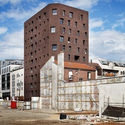
Winner: Rue Bonnet Social Housing/ Avenier Cornejo Architectes. Image Courtesy of The Architectural Review Emerging Architecture Awards

The winners of the Architectural Review 2017 Emerging Architecture Award are Christelle Avenier and Miguel Cornejo. The duo’s social housing project in Paris was selected as winners by the judges. All finalists gathered in Berlin this year to present their projects to a panel consisting of Marina Tabassum, Martyn Hook, and Matthias Sauerbruch. For the last two-years, the jury has received the applications at the World Architecture Festival.

The Architectural Review Announces Winners of the 2017 AR Emerging Architecture Awards - Image 2 of 4The Architectural Review Announces Winners of the 2017 AR Emerging Architecture Awards - Image 3 of 4The Architectural Review Announces Winners of the 2017 AR Emerging Architecture Awards - Image 5 of 4The Architectural Review Announces Winners of the 2017 AR Emerging Architecture Awards - Image 6 of 4The Architectural Review Announces Winners of the 2017 AR Emerging Architecture Awards - More Images+ 4

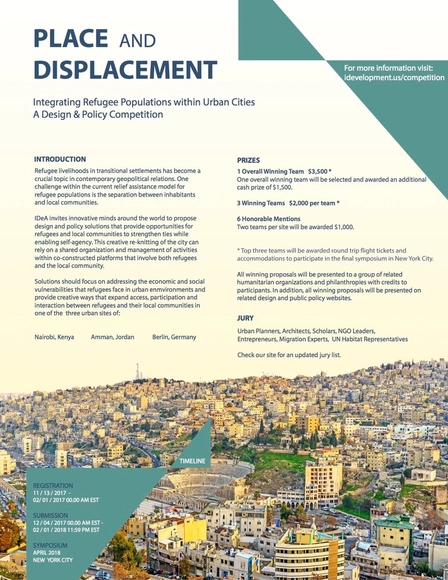
Call for Entries: "Integrating Refugee Populations within Cities" - Place & Displacement Design & Policy Competition

IDeA's 2nd annual Place and Displacement 2018 Competition - "Integrating Refugee Populations within Cities" is now open! Register online at through February 1, 2018.

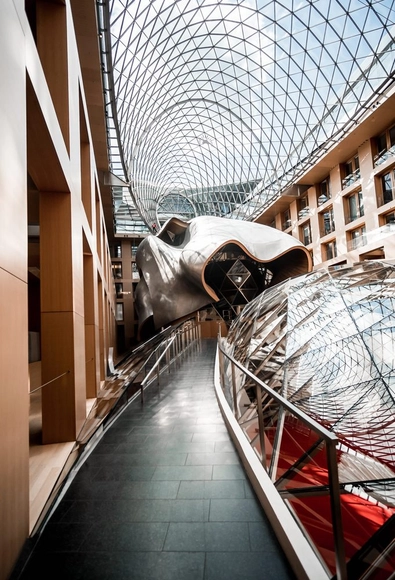
DZ Bank Building / Gehry Partners

DZ Bank Building / Gehry Partners - Interior Photography, Bank, BeamDZ Bank Building / Gehry Partners - BankDZ Bank Building / Gehry Partners - Interior Photography, Bank, FacadeDZ Bank Building / Gehry Partners - BankDZ Bank Building / Gehry Partners - More Images+ 22

Berlin, Germany

Inexpensive, Easy-to-Build Gridshell Pavilion Uses Air-Filled Cushions for Construction

Subscriber Access | 

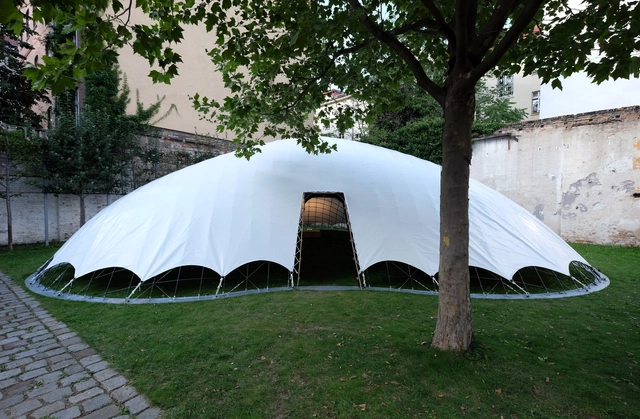
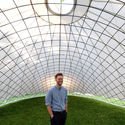
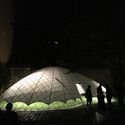
SheltAir, a pavilion developed and designed by Gregory Quinn as part of his doctoral thesis at the Berlin University of the Arts is, as its name suggests, a shelter constructed with the help of air: a meticulously devised system comprising an elastic gridshell and pneumatic falsework in the form of air-filled cushions.

Inexpensive, Easy-to-Build Gridshell Pavilion Uses Air-Filled Cushions for Construction - Image 1 of 4Inexpensive, Easy-to-Build Gridshell Pavilion Uses Air-Filled Cushions for Construction - Image 2 of 4Inexpensive, Easy-to-Build Gridshell Pavilion Uses Air-Filled Cushions for Construction - Image 3 of 4Inexpensive, Easy-to-Build Gridshell Pavilion Uses Air-Filled Cushions for Construction - Image 4 of 4Inexpensive, Easy-to-Build Gridshell Pavilion Uses Air-Filled Cushions for Construction - More Images+ 39

Centrifugal Tendencies: Tallinn - Moscow - Novosibirsk

The exhibition presents around 50 drawings which can be grouped into three categories: the Tallinn School, Paper Architecture from Moscow and that from Novosibirsk. It includes works by renowned artists such as Leonhard Lapin, Yuri Avvakumov, Alexander Brodsky and other architects.
Although the artists belong to different architectural groups and come from three diverse cities, they were united by the impulse to break out of the routine of late Soviet planning bureaus, dare something new, develop bold projects and confront the issues of environmental change, authority and technology.

Rafael Viñoly, Charles Jencks, and Kim Cook Among Lead Speakers for WAF 2017

The World Architecture Festival (WAF) has announced their program for the 2017 edition focusing on the theme of “Performance.” An incredible list of speakers including Alison Brooks, Charles Jencks, Pierre de Meuron and France Kéré will feature across 3 days from November 15th to 17th at the Arena Berlin, Germany. Conferences, city tours, lectures and critiques of the shortlisted projects from the 2017 WAF awards are among the events scheduled for the festival.

The seminars, speeches, debates and discussions will examine “the topic of performance from the perspectives of housing, public spaces, festivals, cultural institutions and new technologies.”

Office Building "Bertha Berlin" / Barkow Leibinger

Office Building "Bertha Berlin" / Barkow Leibinger - Office Buildings, FacadeOffice Building "Bertha Berlin" / Barkow Leibinger - Office Buildings, Facade, Handrail, CityscapeOffice Building "Bertha Berlin" / Barkow Leibinger - Office Buildings, Facade, ForestOffice Building "Bertha Berlin" / Barkow Leibinger - Office Buildings, FacadeOffice Building Bertha Berlin / Barkow Leibinger - More Images+ 20

"Pirate Printers" Turn City Surfaces into Stamps to Create Unique Bags and Streetwear

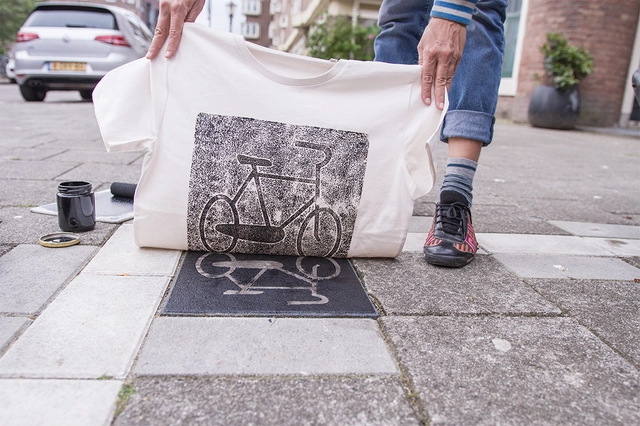
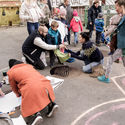
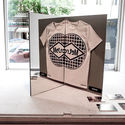
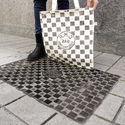
Raubdruckerin – German for pirate printers – have been traveling around Europe turning city streets into printing presses to develop a range of t-shirts, hoodies and bags. The result is fashion not just for the street but from the street.

Taking inspiration from the urban landscape and the often over-looked surfaces of the city, Raubdrucken apply their eco-friendly ink to man-hole covers, grids and patterned streetscapes and relief-print the outcome directly on to the fabric of their line. It is proof that everything can be inspiration for good design, and that beauty and richness can be found in the mundane, the utilitarian or perhaps in this case, the misunderstood.

"Pirate Printers" Turn City Surfaces into Stamps to Create Unique Bags and Streetwear - Image 5 of 4"Pirate Printers" Turn City Surfaces into Stamps to Create Unique Bags and Streetwear - Image 2 of 4"Pirate Printers" Turn City Surfaces into Stamps to Create Unique Bags and Streetwear - Image 3 of 4"Pirate Printers" Turn City Surfaces into Stamps to Create Unique Bags and Streetwear - Image 4 of 4Pirate Printers Turn City Surfaces into Stamps to Create Unique Bags and Streetwear - More Images+ 6

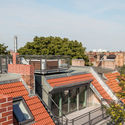
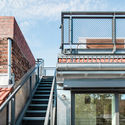
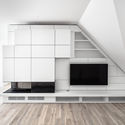
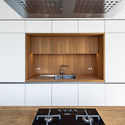
Attic Conversion DSN - Rear Building / Club Marginal Architekten

Attic Conversion DSN - Rear Building / Club Marginal Architekten - Apartment Interiors, Facade, Stairs, CityscapeAttic Conversion DSN - Rear Building / Club Marginal Architekten - Apartment Interiors, Stairs, Facade, Handrail, BalconyAttic Conversion DSN - Rear Building / Club Marginal Architekten - Apartment Interiors, Kitchen, Facade, Table, CountertopAttic Conversion DSN - Rear Building / Club Marginal Architekten - Apartment Interiors, Kitchen, Facade, Door, Countertop, TableAttic Conversion DSN - Rear Building / Club Marginal Architekten - More Images+ 32

  • Area Area of this architecture project Area:  175
  • Year Completion year of this architecture project Year:  2017
  • Manufacturers Brands with products used in this architecture project
    Manufacturers:  Aquavia Spa, Jacobi-Walther, THPG

Chicken House / Büros für Konstruktivismus

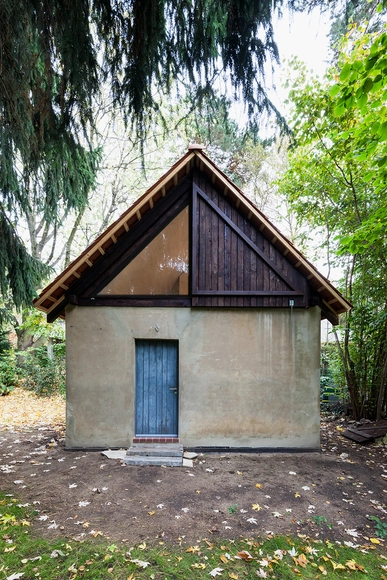
Chicken House / Büros für Konstruktivismus - Adaptive Reuse, Facade, BeamChicken House / Büros für Konstruktivismus - Adaptive Reuse, Facade, Column, Beam, ArchChicken House / Büros für Konstruktivismus - Adaptive Reuse, Beam, FacadeChicken House / Büros für Konstruktivismus - Adaptive Reuse, Facade, Door, BeamChicken House / Büros für Konstruktivismus - More Images+ 11

  • Year Completion year of this architecture project Year:  2016
  • Manufacturers Brands with products used in this architecture project
    Manufacturers:  Artigo, Jacobi-Walther

Frieze Art & Architecture Conference

What is the relationship between art and architecture? What makes a great space for art? How do buildings inform what and how we see? Leading architects will be in conversation with museum directors, gallerists and artists to discuss major international projects and the role of architecture in shaping the cultural landscape.

Riku Ikegaya Constructs a Series of Nested Spaces in a Berlin Church Designed by Karl Friedrich Schinkel

Subscriber Access | 

Berlin is city in which the past and the present often collide – a phenomenon particularly acute when it comes to the built environment. In this project by Japanese architect and artist Riku Ikegaya, the interior of St. Elisabeth-Kirche (Church of St. Elizabeth)—designed by Karl Friedrich Schinkel—is transformed by means of a structural installation. Consisting of a scale model of Schinkel’s plans for the Rosentaler Vorstadt Church, the artist has composed a "three-dimensional architectural sketch."