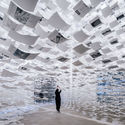
Within an increasingly specialized environment, architecture is becoming a collective endeavour at every stage of the design process, and social sciences have acquired an important role. As architecture has become more aware of its social outcome, decisions formerly resulted from the speculative thinking of the architect are now backed up by professional expertise. The following discusses the increasing role of humanist professions such as anthropology, psychology, or futurology within architecture.
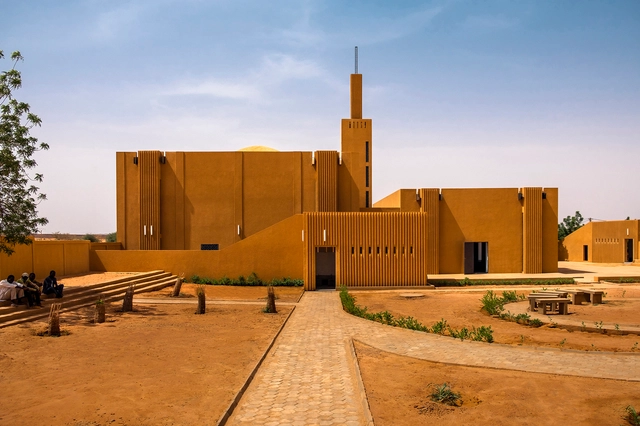
Atelier Masomi and Studio Chahar, "Hikma" Religious and Secular Complex in Dandaji, Niger, 2018. . Image Courtesy of Atelier Masomi. Photo: James Wang From the 2021 individual grant to Adil Dalbai and Livingstone Mukasa for "Africa Architecture Network"
Graham Foundation has released the names of the 2021 Individual Grant recipients - a grant supports innovative ideas in the fields of films, design, digital initiative, research, and exhibitions over the past 65 years. 71 creative individuals from across the world were chosen for their inventive ideas and creations that tackle pressing issues on society.
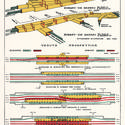
A vault is a constructive technique that is achieved by compressing the materials forming it together. While this technique has existed since the time of the ancient Romans, certain types of vaulted ceilings, such as the Catalan or Valencian timbral vault, only reached popularity in some areas of the world at the start of the 19th century thanks to their lost cost and ready availability. With the ability to span over 30 meters and add substantial height to structures, vaulted ceilings became a go-to for the construction of industrial spaces such as workshops, factories, and warehouses.
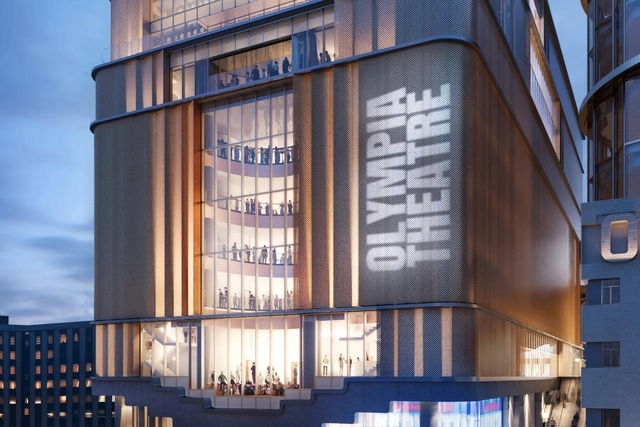
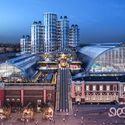
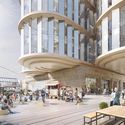
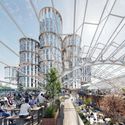
Haworth Tompkins, Heatherwick Studio and Spparc have shared new details of the first major new London theatre in over 45 years. The Olympia Theatre is part of the £1.3bn redevelopment of the Olympia exhibition center designed by Heatherwick Studio and Spparc. The 1,575-seat venue in west London will be operated by Trafalgar Entertainment, and the design includes a five-story building with a stacked auditorium.
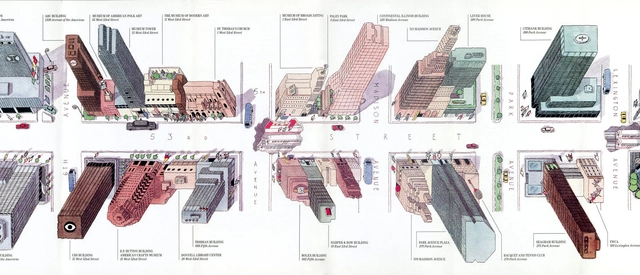
Martin Pederson interviewed this week Antonis Antoniou and Steven Heller, author of Decoding Manhattan, a new book that compiles over 250 architectural maps, diagrams, and graphics of the island of Manhattan in New York City, talking about the origin story of the book, the process of research, and the collaboration.
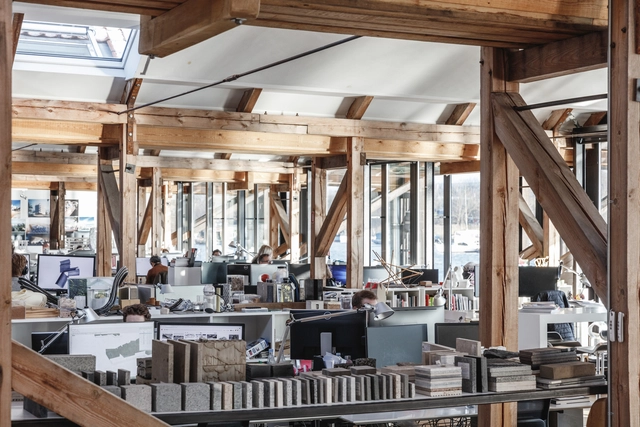
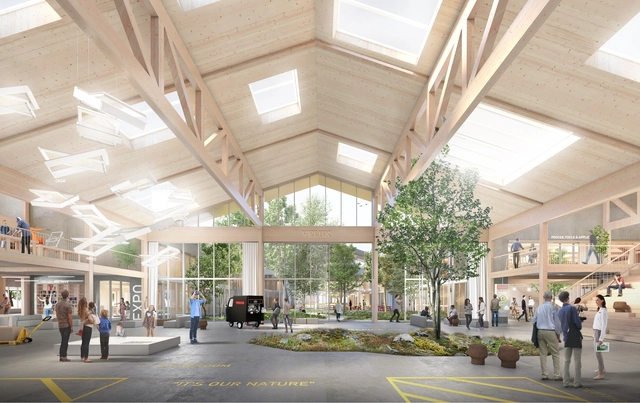
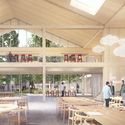
Praksis Arkitekter has won the competition to transform an old timber warehouse for VELUX Group in Østbirk, Denmark. As the company's largest production site, it will be transformed into a best-in-class innovation center. The existing wooden building was originally inaugurated in 1995 as a warehouse. The new rebuilt building will house most of the product development that VELUX Group is doing, which today is spread across the country and abroad.
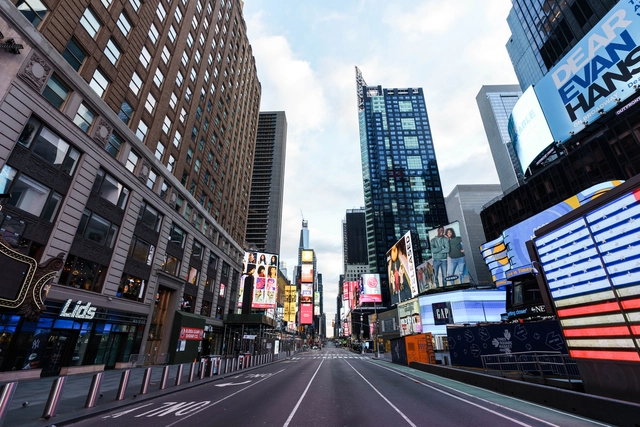
Earlier this month, New York City Mayor Bill de Blasio announced the launch of the Open Boulevards program, an initiative that would temporarily close off car traffic on boulevard segments across several blocks, expanding the public space for dining, cultural activities and artistic performances. The project builds on the successful initiatives Open streets and Open Restaurants, which transformed the city’s streetscape to better serve diners, cyclists and pedestrians amidst the pandemic.
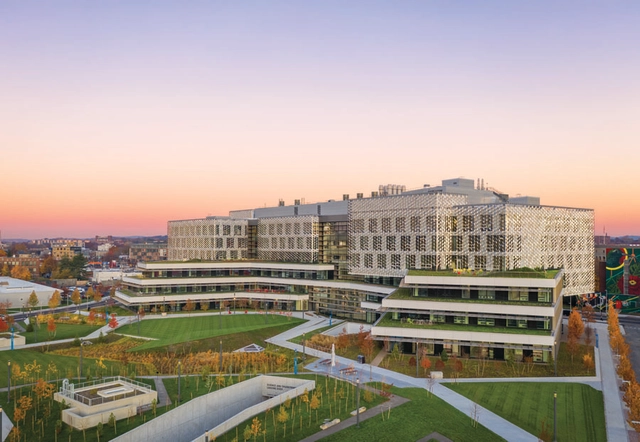
The massive new hub for lab research, by Behnisch Architekten, marks a new chapter of sustainable construction and campus planning. James McCown explores in his article originally published on Metropolis, Harvard's latest addition in the Boston campus, the new Science and Engineering Complex (SEC) designed by German-based firm Behnisch Architekten and centered on sustainability and well-being.
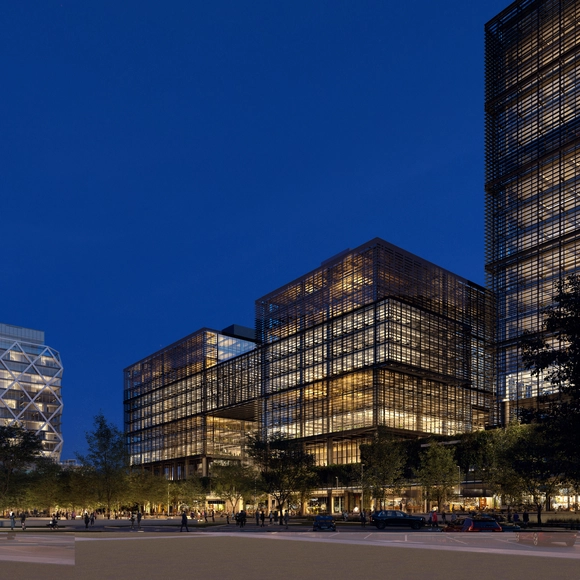
Olson Kundig has unveiled the design of 760 Ralph McGill Boulevard, a new mixed-use high-rise development situated along Atlanta’s BeltLine. Led by project developer New City, LLC, the 1.1 million-square-foot structure will include office and retail spaces organized around a central plaza. The project expands local civic and cultural amenities, and introduces a new flexible and functional workplace that also serves the surrounding community.
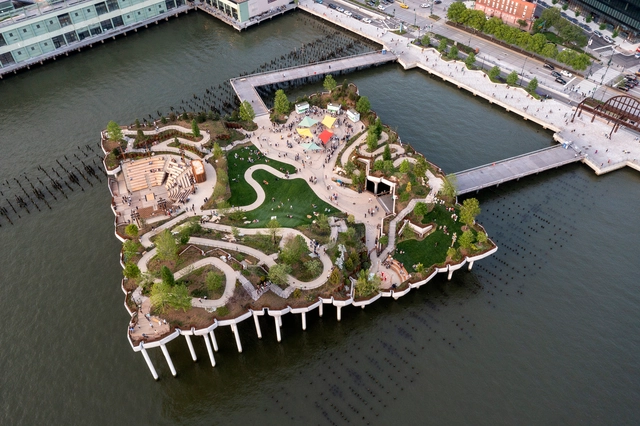
Designed by Heatherwick Studio, together with landscape architecture firm MNLA, the long-awaited Little Island project is New York’s newest major public space, showcasing a richly-planted piece of topography above the Hudson River. The design featuring a public park and performance venues reinvents the pier typology into an undulating artificial landscape. After surpassing many hurdles, the eight years in the making project is now open to the public, and the bold design is set to become an icon in New York.
After being shut down for more than a year, museums across the world are beginning to show signs of reopening. Most architecture and design events that were scheduled for 2020 have been pushed a year or two, depending on the severity of the pandemic in their respective regions. But while museums are open to the public once again, administrators have installed numerous precaution measures to ensure the safety of visitors and curators, and to avoid potential re-closures.
As international travels have been revived by government officials, and tourism is expected to recover gradually, read on to discover 18 museums and exhibitions that have begun welcoming visitors into their exhibition spaces as of May 2021, and the procedures required from the attendees before and during visitations.
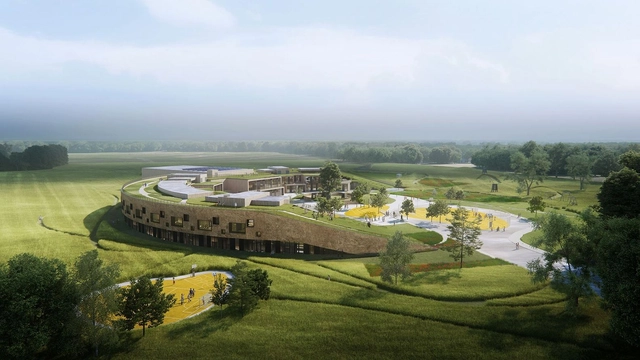
Located in Denmark’s Lolland-Falster region, Henning Larsen's New School in Sundby marked the commencement of a historic project for the country's sustainable educational-facility architecture. The primary school is set to be the largest construction project in Guldborgsund Municipality that ensures high sustainability parameters and community engagement. The school is expected to open its doors at the end of summer 2022, welcoming over 580 students in a nature-oriented premises.
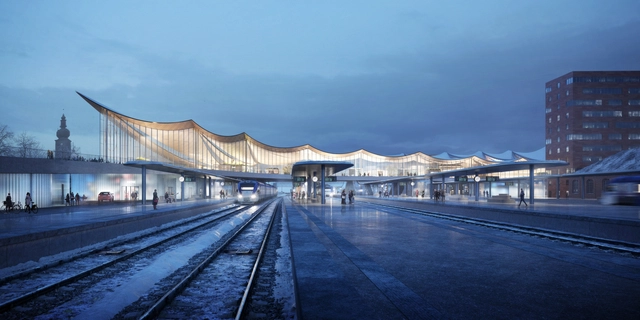
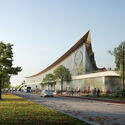
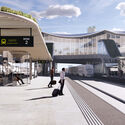
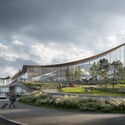
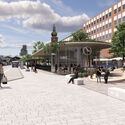
Bjarke Ingels Group has unveiled the final design for Västerås Travel Center, a transport infrastructure hub bringing together multiple travel modes within one cohesive architectural object. The project's defining feature is a light, undulating roofscape unfolding across the various complex elements of the program that make up the urban node, creating a new landmark for one of Sweden's largest cities.
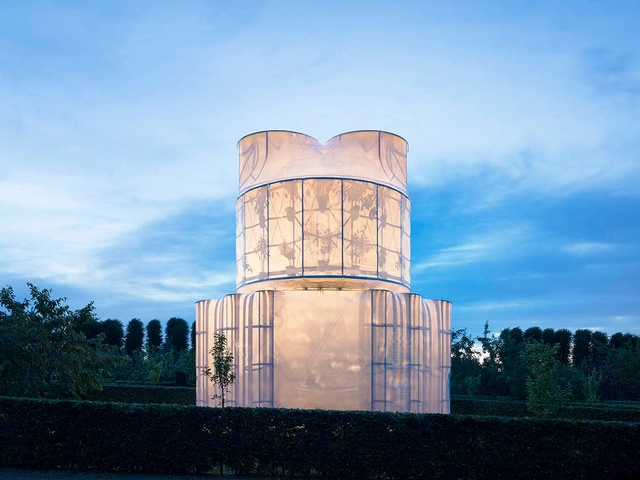
Whether made from natural or synthetic fibers, textiles have played a part in architectural design since time immemorial; however, it wasn't until the era of industrialization and advancements in technology that high-quality textiles could be made and utilized en masse. Most often, they have been used to enclose temporary structures like medical tents and emergency housing thanks to their mobility and ease of assembly.
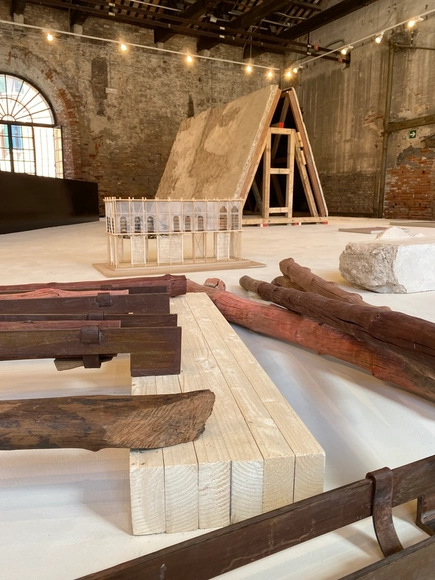
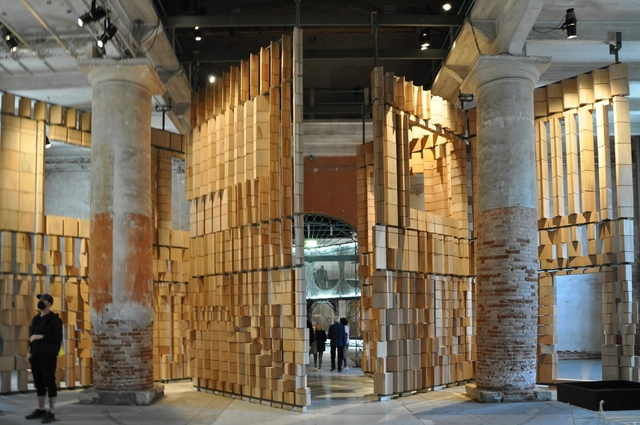
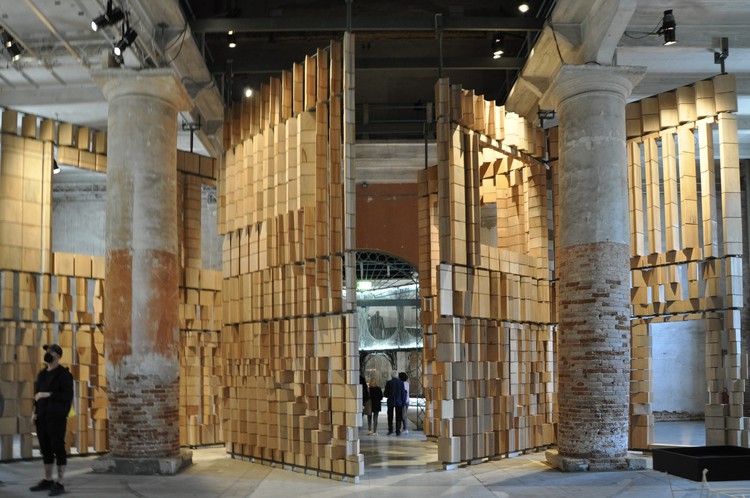
The 2021 Venice Architecture Biennale finally opened its doors to the public, on May 22nd, despite all odds and after two postponements. Presenting 115 different responses to “How will we live together”, the architectural exhibition gathered innovative answers from across the globe, all arising from a common determination to change the status quo. Bringing people who face the same issues together to partake in a vital exchange of ideas, the 17th edition has amplified the role and status of the Biennale as the biggest platform for architecture.
Onsite, in Venice, ArchDaily had the chance to meet with curator Hashim Sarkis, to discuss once more the ever-growing relevance of the biennale, different overlapping scales and fields, recurring qualities, and the international language of architecture. Hoping that “people will walk out of the biennale with a stronger belief in architecture as being a medium that can make a difference”, Sarkis in his third interview talks of a collective imaginary that can inspire new spatial contracts.