

-
Architects: NEXT architects
- Area: 5000 m²
- Year: 2016
-
Manufacturers: Saint-Gobain
-
Professionals: DHa (Deerns Haskoning adviseurs), RHDHV, Royal Haskoning


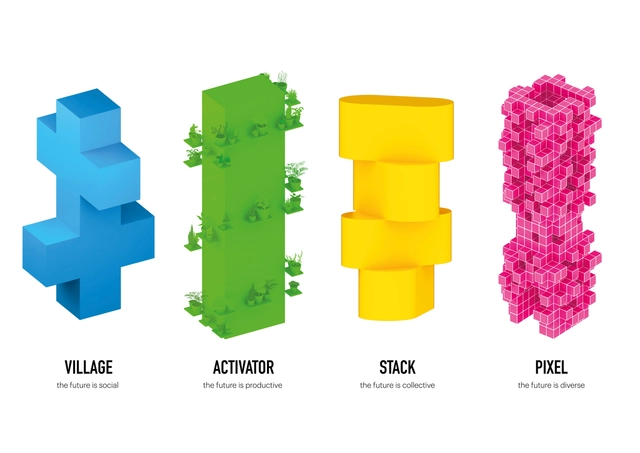
Opening on July 5th, “Architecture Speaks: The Language of MVRDV” will provide an immersive, diverse, multimedia experience for visitors to the Tyrolean Architecture Center (aut) in Innsbruck, Austria. The exhibition centers around a spatial intervention of 4 towers constructed inside the aut’s Adambräu Building, a former brewhouse. Each tower embodies a word that represents key concepts in MVRDV’s designs: stack, pixel, village, and activator. “Architecture Speaks” aims to present the concepts in an approachable, engaging manner, with the colorful towers enhanced by images, text, models, drawings, videos, audio, and interactive elements to present MVRDV’s projects.
.jpg?1550843355&format=webp&width=640&height=580)
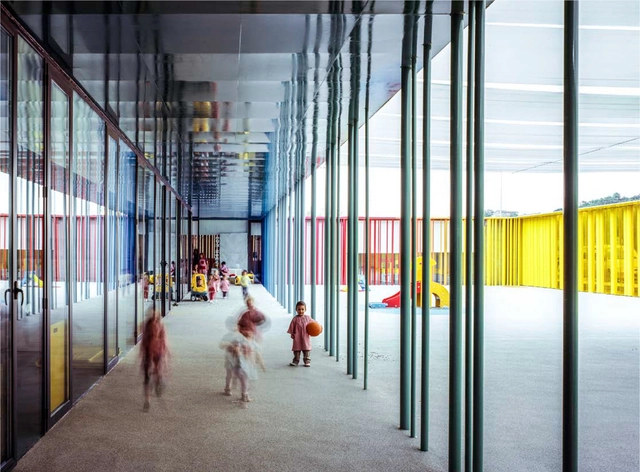
For those in the northern hemisphere, the last full week in January last week kicks off with Blue Monday - the day claimed to be the most depressing of the year. Weather is bleak, sunsets are early, resolutions are broken, and there’s only the vaguest glimpse of a holiday on the horizon. It’s perhaps this miserable context that is making the field seem extra productive, with a spate of new projects, toppings out and, completions announced this week.
The week of 21 January 2019 in review, after the break:
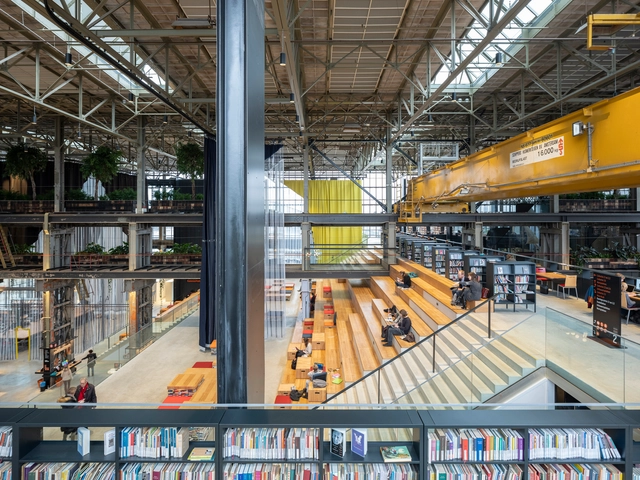
Sustainability awards and standards touted by professional architecture organizations often stop at opening day, failing to take into account the day-to-day energy use of a building. With the current format unlikely to change, how can we rethink the way what sustainability means in architecture today? The first step might be to stop rewarding purpose-built architecture, and look instead to the buildings we already have. This article was originally published on CommonEdge as"Why Reusing Buildings Should be the Next Big Thing."
At the inaugural Rio Conference on the Global Environment in 1992, three facts became abundantly clear: the earth was indeed warming; fossil fuels were no longer a viable source of energy; the built environment would have to adapt to this new reality. That year I published an essay in the Journal of Architectural Education called “Architecture for a Contingent Environment” suggesting that architects join with both naturalists and preservationists to confront this situation.

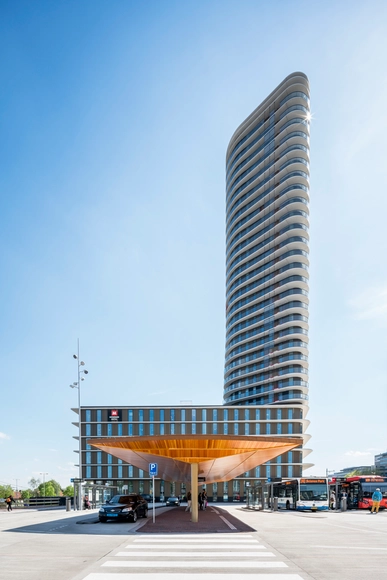

As 2018 draws to a close, accommodation website Airbnb has dived into their data to reveal the most creative cities and countries from the year. Based on the percentage of hosts who are in the creative industries, the list builds on a previous survey by Airbnb which found that one in 10 Airbnb hosts and one in three Experience hosts identify as members of the creative community.
Read on below for the list of top creative countries and cities according to the new Airbnb study. For architects already planning a New Year’s getaway, check out an article we published of ten projects previously featured by ArchDaily, now available for booking through Airbnb.


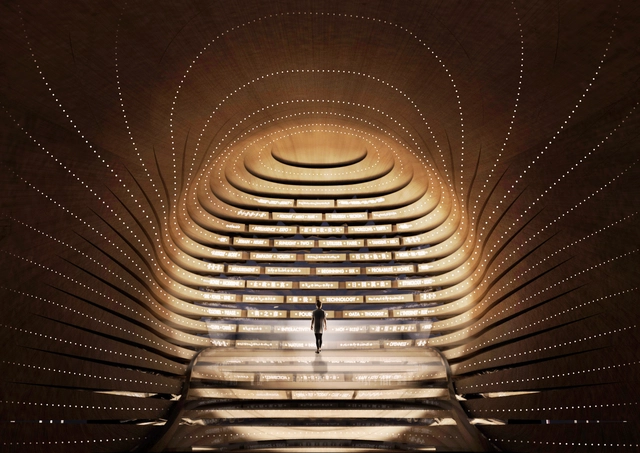
It’s well understood that a sense of place is an essential value for people, architecture, and cities. Everyone from designers to planners to city governments speak breathlessly of the power of places to transform cities for the better - but it’s not clear what placemaking really means.
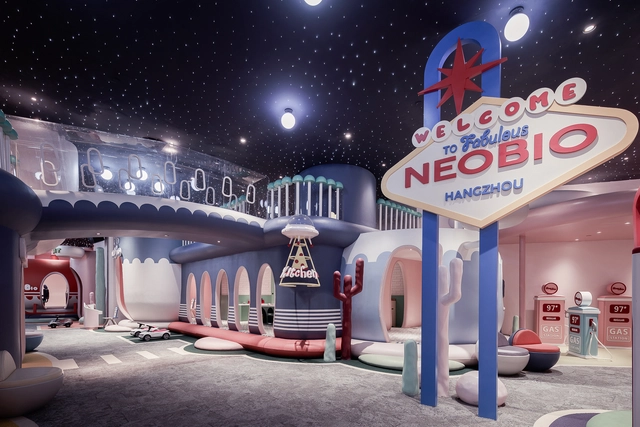
It's no secret that post-modernism has, in recent years, experienced something of a revival. The much-maligned movement's exhuberant and joyful take on architecture is perhaps a solace in difficult moments. Or, for the more jaded among us, perhaps it simply lends itself to Instagram.
That said, it's not quite the postmodernism that took off in the 60s. Post postmodernism is also concerned with history and context, but with contemporary spins made possible by new technologies. Installations and other temporary typologies also bring with them a fresh perspective, preserved forever on the internet for our vicarious enjoyment. But perhaps most crucially, it is no longer so wholly a reaction against the hegemony of modernism; something that the original postmodernists were fixated with. Today's postmodernism can be at once joyful and reserved, vernacular and high-tech.
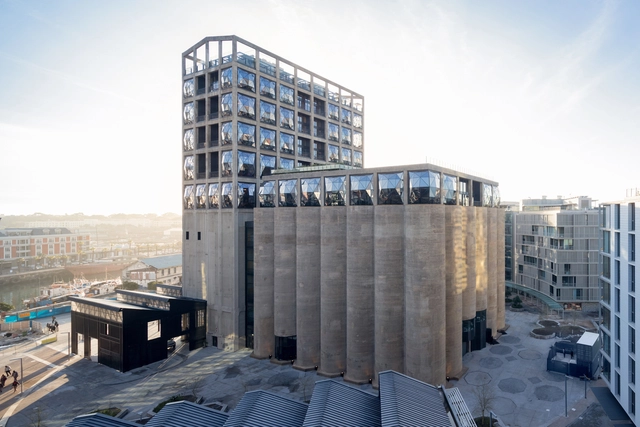
Time Magazine’s list of the World’s Greatest Places 2018 celebrates 100 destinations to visit, stay, eat, and drink from around the world. Chosen by Time’s global team of editors and correspondents, the contenders have been evaluated on quality, originality, innovation, sustainability, and influence.
The list features many architectural delights young and old, designed by famous architects past and present. Ranging from a treehouse in Sweden to a soaring art museum in South Africa, the projects are united by their architectural excellence, worthy of exploration by both architects and the general public.

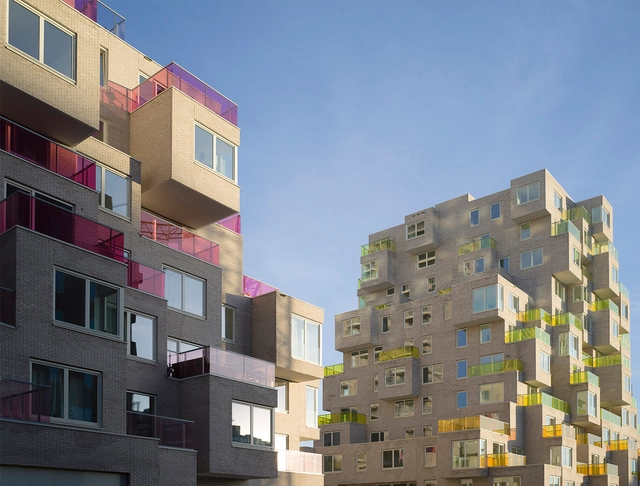


2017 was a momentous year for Chinese architecture. From Tianjin Binhai Library taking the internet by storm with images of its terraced "sea of bookcases", to Alvar Aalto Medal recognizing Zhang Ke of standardarchitecture for his professional accomplishments. China has retained a remarkable presence in the global architecture scene.
So many of our readers around the world celebrate Chinese New Year and welcome fresh beginnings in the Year of the Dog, we would like to take a look back at 2017 and share with you the most visited projects from China. This is a collection of projects coming from world-famous practices such as MVRDV and MAD Architects, and also from the younger, local talents who have demonstrated great potential in bringing positive changes to China’s built environment.


.jpg?1550842990&format=webp&width=230&height=230&crop=true)
.jpg?1550843355&format=webp&width=230&height=230&crop=true)
.jpg?1550843355)