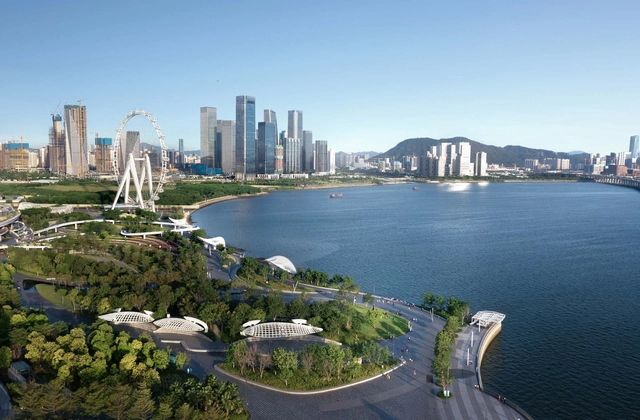
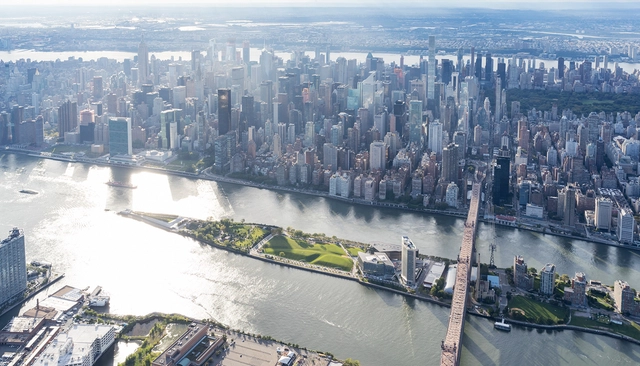
Coastal cities have always been a point of attraction for residents, tourists, and businesses. Alongside the aesthetic features, their proximity to the sea has made these cities a focal point for maritime transportation with the construction of ports, as well as hotspots for recreational and aquacultural activities. However, the past decades saw these particular regions threatened with a shortened lifespan; rising water levels, floods, and recurring cyclones, along with other natural disasters, have endangered coastal communities, putting their population, ecosystem, and built environment at risk.
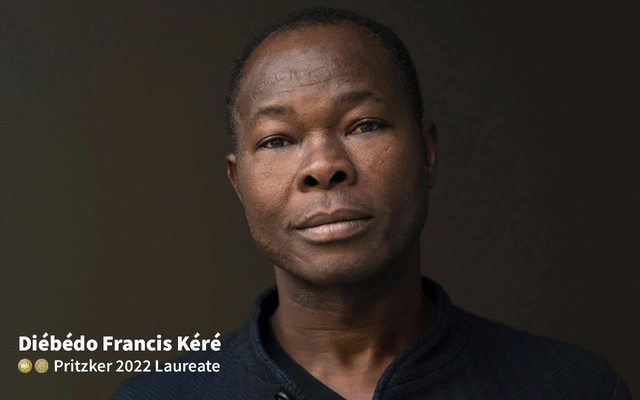
Pritzker Prize 2022 Laureate Francis Kéré is known for “empowering and transforming communities through the process of architecture”, as the jury stated in its citation. In this recently published video, Martha Thorne, Dean of IE School of Architecture and Design and former executive director of the Pritzker Architecture Prize, shares some of the reasons why Francis Kéré has won the Pritzker Prize 2022.
Following Qatar's ambitious museum-building project to further promote cultural institutes in the country, Her Excellency Sheikha Al Mayassa bint Hamad bin Khalifa Al Thani, Chairperson of Qatar Museums has announced that OMA, Herzog & de Meuron, and ELEMENTAL will be designing three new museums in Doha that explore the themes of Islamic art, contemporary art, and evolution of the automobile industry respectively.
Carbon footprints and CO2 emissions are large topics in our conversations about how we create a more sustainable future. Over time, different companies, organizations, and individuals have pledged to alter their lifestyles and habits to make changes that show that they are dedicated to combating climate change. Especially in the design industry, where buildings generate nearly 40% of annual CO2 emissions broken down between daily operations and construction/demolition, architects have long been feeling the pressure of exploring ways to prove that we are doing our part.
When we take a look at the different scales of emissions, one question commonly occurs- how can we measure the different levels of impact? Is it on us individually to recycle and ensure we never use plastic straws again? Does this even have a major impact? Do more car manufacturers need to find alternates for gasoline-fueled automobiles? Do architects need to only source sustainable materials? What are the actionable steps that truly have an impact?
Meet 2022 Pritzker Architecture Prize winner, Francis Kéré, Burkina Faso-born black architect, in an interview about his architectural philosophy, with Louisiana Channel. As the official statement of the Pritzker Architecture Prize notes, “Through buildings that demonstrate beauty, modesty, and invention, and by the integrity of his architecture and geste, Kéré gracefully upholds the mission of this Prize”, continually “empowering and transforming communities through the process of architecture.”
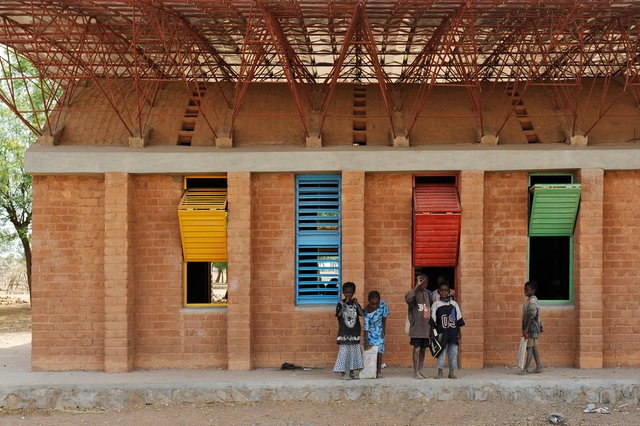
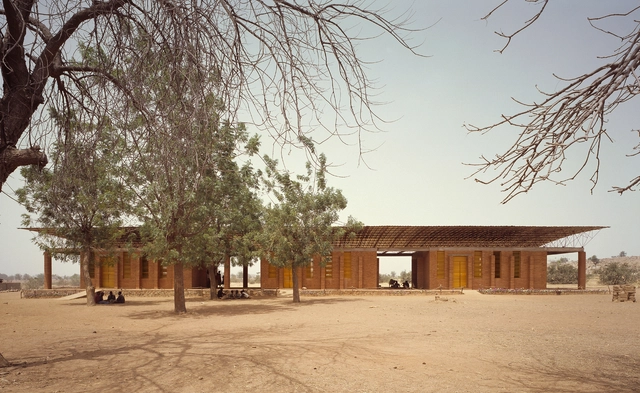
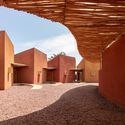
Clay walls have a high thermal inertia. This means that they act as a climate buffer that creates a thermal delay in the flow of heat from the outside to the inside, absorbing it during the day and releasing it overnight. The material is especially suitable for hot and dry climates, such as that of Gando, where Francis Kéré built his first school. After years of studying abroad, Kéré returned to his home community with the intention of building this school with the same materials historically used by locals, which many originally viewed as strange, as he said in this lecture. Despite the initial prejudice, it was the combination of local materials and techniques with Kéré’s acquired knowledge that ultimately gave strength to the project.
https://www.archdaily.com/978851/how-does-francis-kere-use-materials-to-respond-to-local-climate-conditionsValeria Montjoy and Eduardo Souza
Diébédo Francis Kéré founded his architecture practice Kéré Architecture, in Berlin, Germany in 2005, after a journey in which he started advocating for the building of quality educational architecture in his home country of Burkina Faso. Deprived of proper classrooms and learning conditions as a child, and having faced the same reality as the majority of children in his country, his first works aimed at bringing tangible solutions to the issues faced by the community.
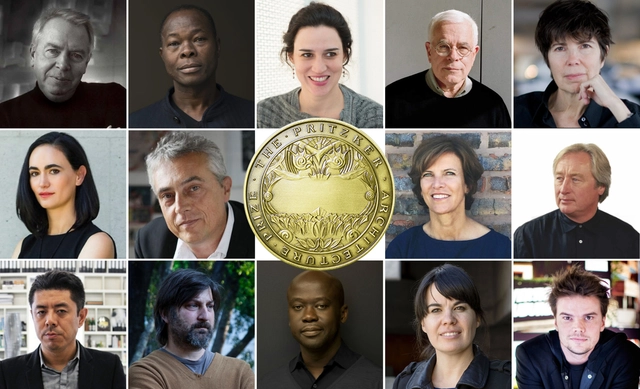
“Through buildings that demonstrate beauty, modesty, boldness, and invention, and by the integrity of his architecture and geste, Kéré gracefully upholds the mission of this Prize,” explains the official statement of the Pritzker Architecture Prize. Announced today by Tom Pritzker, Chairman of The Hyatt Foundation, Francis Kéré is the 51st winner of the award founded in 1979, succeeding Anne Lacaton and Jean-Philippe Vassal. Praised “for the gifts he has created through his work, gifts that go beyond the realm of the architecture discipline”, the acclaimed architect is present equally in Burkina Faso and Germany, professionally and personally.
As part of our yearly tradition, we have asked our readers who should win the 2022 Pritzker Prize, the most important award in the field of architecture.
Mies Crown Hall Americas Prize announced the full list of jurors for its fourth edition, chaired by Sandra Barclay of Barclay and Crousse Architecture, and just released the nominated projects comprising 200 built works in North and South America, for MCHAP 2022 and 50 projects for MCHAP.emerge 2022.
‘’We’re in a seismic area. Beirut has been buried seven times, so it has to resist any earthquake, and that’s why it also resisted the explosion in the port,’’ expresses Lina Ghotmeh in conversation with Louisiana Channel, in regards to the Stone Garden. A building constructed with resilience in mind, in a city that has been buried within rubble and rebuilt multiple times.
Lina Ghotmeh was interviewed by Marc-Christoph Wagner at her studio in Paris in November 2021. Renowned for her Humanist approach to Architecture, the Stone Garden offers a very personal relationship as the first building to be constructed in Ghotmeh’s hometown of Beirut. Positioned on the edge of the city center, it is very much a form of vernacular architecture echoing the lives of the people who reside here.
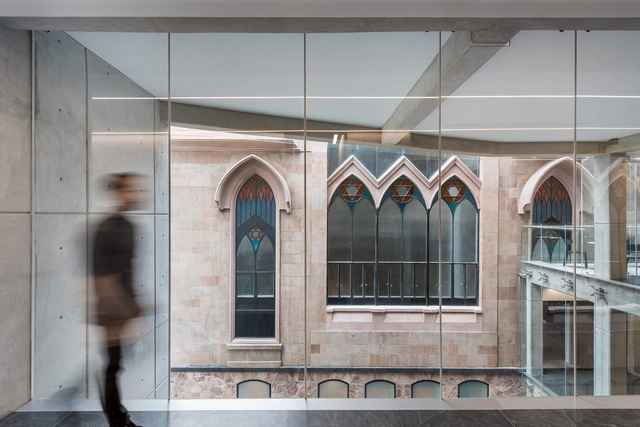
Few religions have as much history and symbolism as Judaism. As the world's oldest monotheistic religion, it dates back nearly 4,000 years. In Judaism, architecture and houses of worship serve as places not only for liturgical services but also for assembly and study. Today, architects are rethinking the design of synagogues and community gathering spaces to celebrate Judaism, reflection and community.
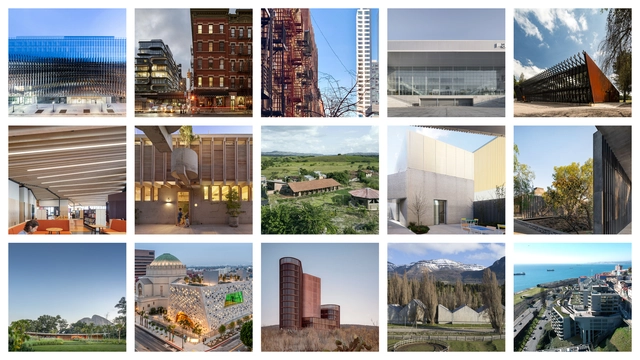
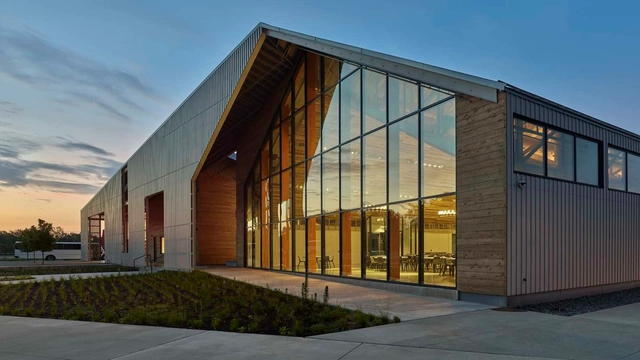
The American Institute of Architects (AIA) has selected 11 projects as winners of its 2022 Architecture Awards. The annual Architecture Award program celebrates the best contemporary architecture, and highlights how spaces can cater to their residents and context and include a sense of place, purpose, history, and environmental sustainability. The selected projects include commercial, residential, and civic typologies, all designed by US-licensed architects.
Momoyo Kaijima and Yoshiharu Tsukamoto of Atelier Bow-Wow and Elizabeth Diller are this year’s Architecture laureates of the Wolf Prize, an annual award highlighting scientists and artists for “their achievements in the interest of mankind”. One of Israel’s most prestigious international awards, the prize’s art categories include painting and sculpting, music and architecture, accompanied by the scientific categories of medicine, agriculture, mathematics, chemistry and physics. The jury commended the three architects’ notable work at the confluence of research, pedagogy and practice, influential for advancing the practice of architecture.
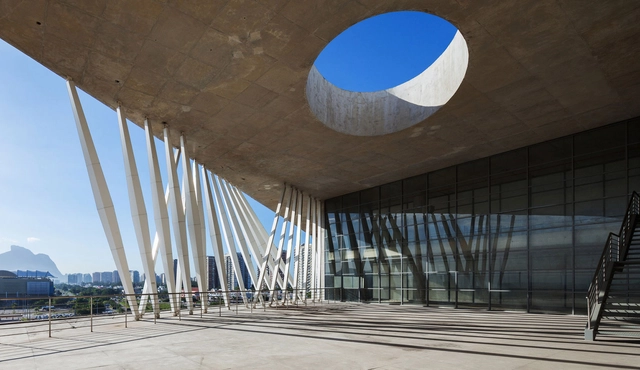
Few cultural events bring the world together like the Olympics. Today, athletes from around the world continue to participate in a variety of competitions after the covid-19 pandemic. The Olympic Games are considered the world's foremost sports competition with more than 200 nations participating. In turn, they bring to question the role of architecture and design in each host city's urban evolution.
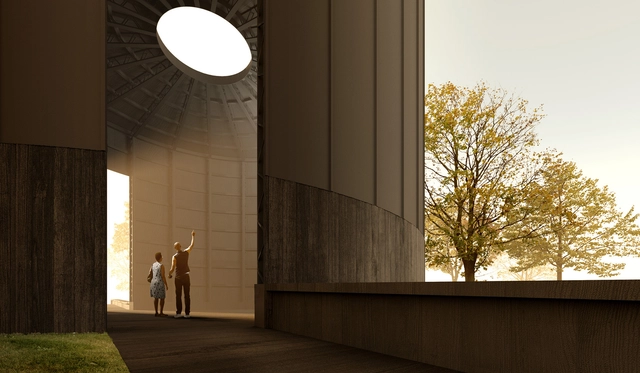
Serpentine Pavilion 2022, Black Chapel, designed by Theaster Gates. Design render, interior view. Image Courtesy of Theaster Gates Studio
American artist Theaster Gates unveiled his design for the 21st Serpentine Pavilion. Curated for the first time by a non-architect, the 2022 edition named Black Chapel, “will pay homage to British craft and manufacturing traditions”. Realized with the architectural support of Adjaye Associates, the pavilion will open to the public on Friday 10 June 2022, in Kensington Gardens.
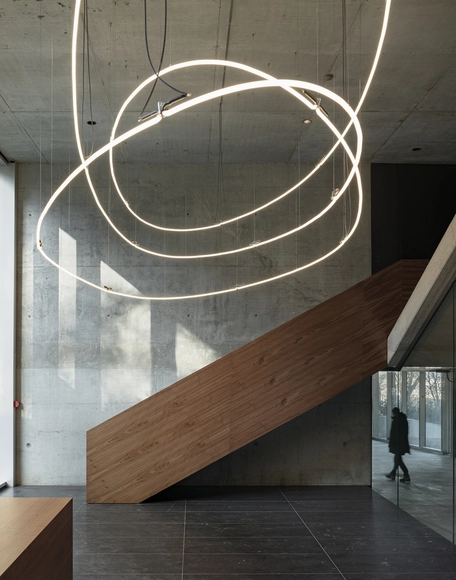
Light serves an essential purpose in architecture: to help us see. Whether it be through natural or artificial methods, rooms must be illuminated accordingly so occupants can safely inhabit them and fulfill their daily functions. When the right system is selected, light can also contribute to energy efficiency and sustainability within the building as a whole. However, apart from its evident functional and environmental value, lighting design can vastly impact the visual comfort and aesthetic tone of interiors by drawing attention to textures, enhancing colors and defining volumes. Therefore, of the many pieces involved in interior design, lighting is certainly one that can enhance or destroy a space and even affect users’ well-being, which is why it should be considered a crucial design element by itself.






.jpg?1648133923&format=webp&width=230&height=230&crop=true)