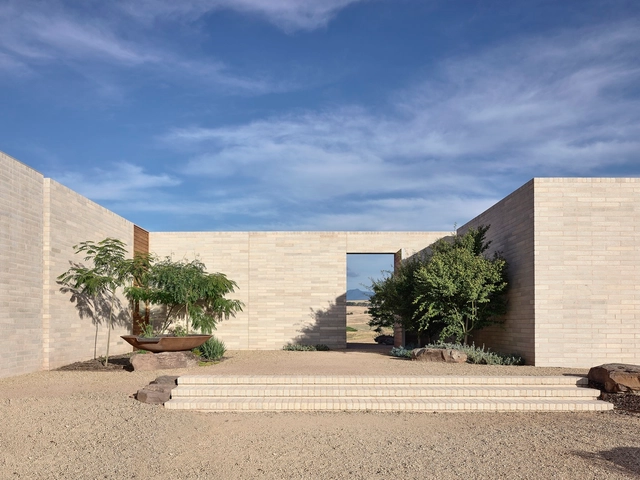
The Monadnock Building in Chicago began construction in 1891 and is still in use today. The building features a somber facade without ornamentation and a colossal height - at the time - of 16 floors. It is considered the first skyscraper built in structural masonry, with ceramic bricks and a granite base. To support the entire load of the building, the structural walls on the ground floor are 1.8 meters thick, and at the top, 46 centimeters. One hundred and thirty years later, this construction system remains common and allows for the erection of taller buildings with much thinner walls, accomplishing even new architectural works economically and rationally. But what is structural masonry about, and how can designers use it in architectural projects? And for what kinds of buildings is this system most suitable?
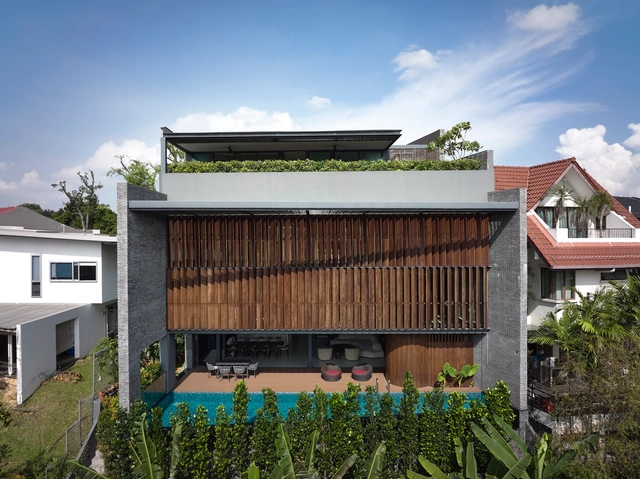
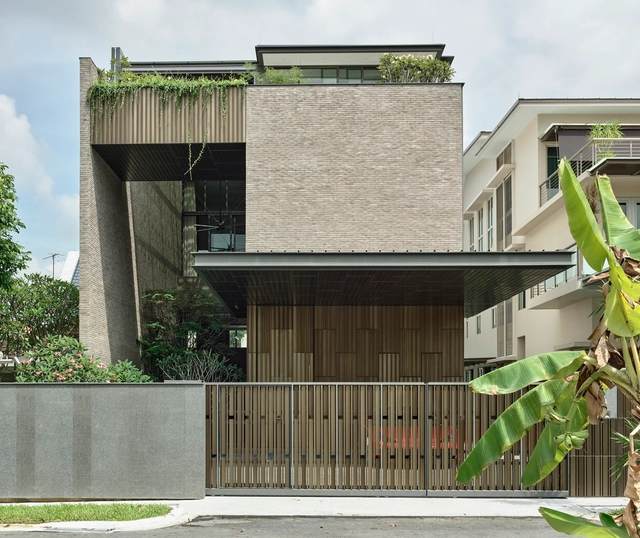
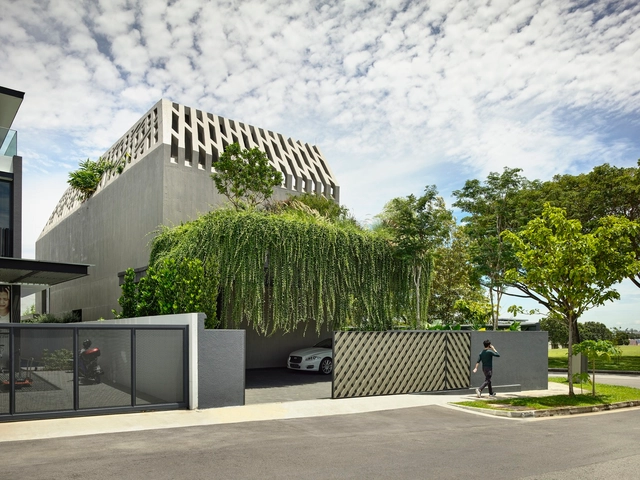
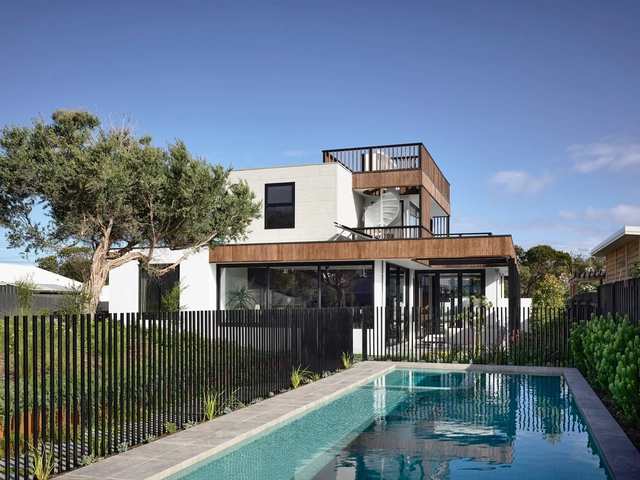
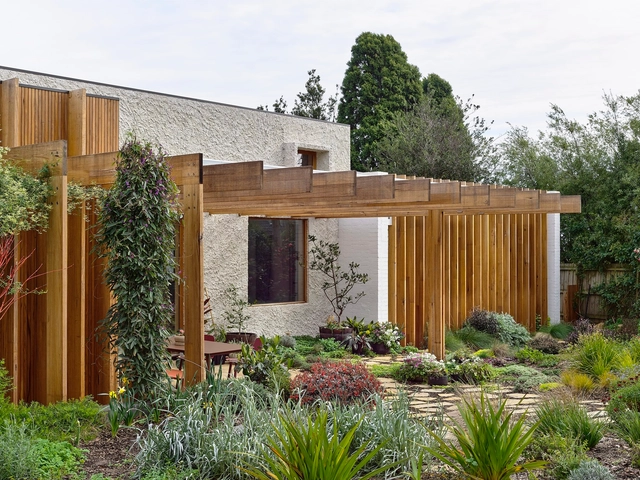
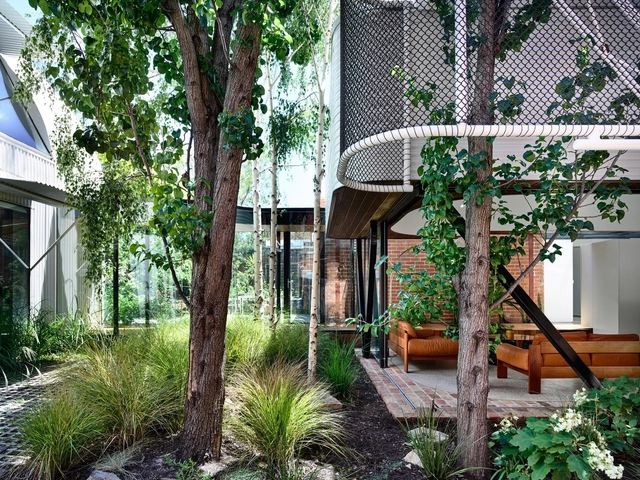
A healthy environment that is also visually appealing in our homes has become increasingly sought when it comes to designing houses and residential spaces, especially during the world’s current context. One of the most successful ways of achieving this is through a thoughtful design of the landscape that complements the built project. The art of landscaping is the arrangement of nature’s raw material elements, like vegetation and planting, combined with nonliving elements, such as exterior structures, paving, and decking, in order to create site-specific solutions that enhance the exterior spaces of a project.
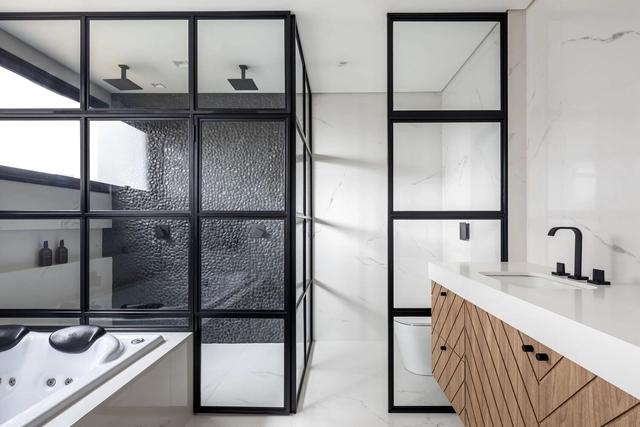
Although the design and layout of bathrooms we use nowadays date back millennia, they are still considered as one of the most difficult to design and renovate. During the earliest stages of planning a bathroom, there are plenty of rules of thumb to follow, especially since it involves a lot of association and "pre-planning" with plumbing, electrical circuits, angular or uniquely-shaped fittings, and small floor areas. We will explore the basics of bathroom plumbing and where to allocate each fixture to optimize the bathroom's layout, facilitating your DIY remodel project or creating the space from scratch.










_Frans_Parthesius__-_02_Villa_Fifty-Fifty_Design_Studioninedots_Photography_Frans_Parthesius.jpg?1620679031&format=webp&width=230&height=230&crop=true)
_Jeremias_Thomas_MeMo_House_IMG_2037_01.jpg?1620678960&format=webp&width=230&height=230&crop=true)

_Peter_Eckert_01_-_04_Hood_River_Residence.jpg?1620679227&format=webp&width=230&height=230&crop=true)