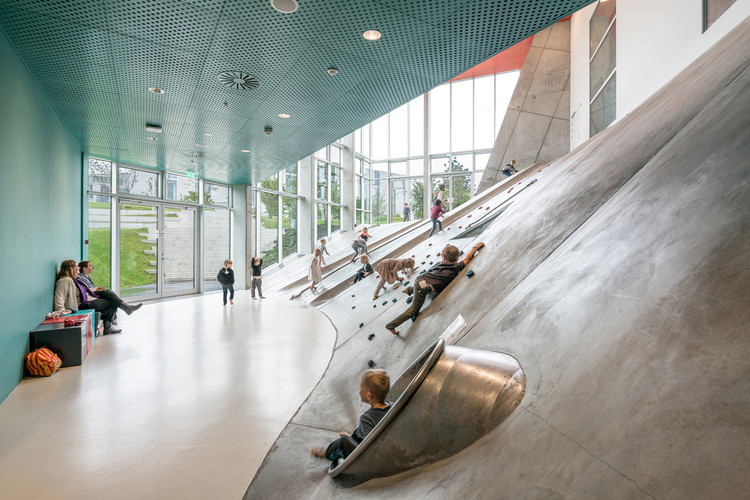
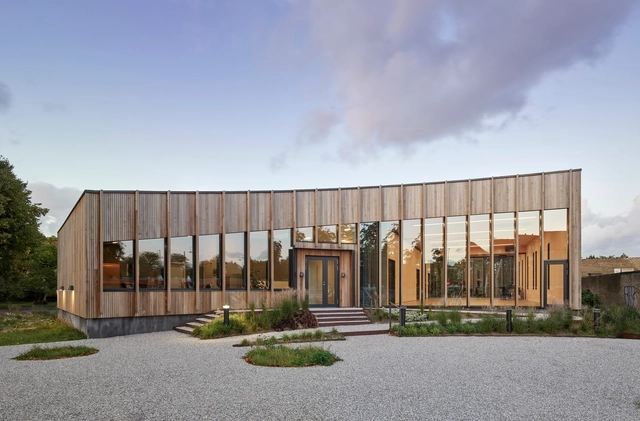
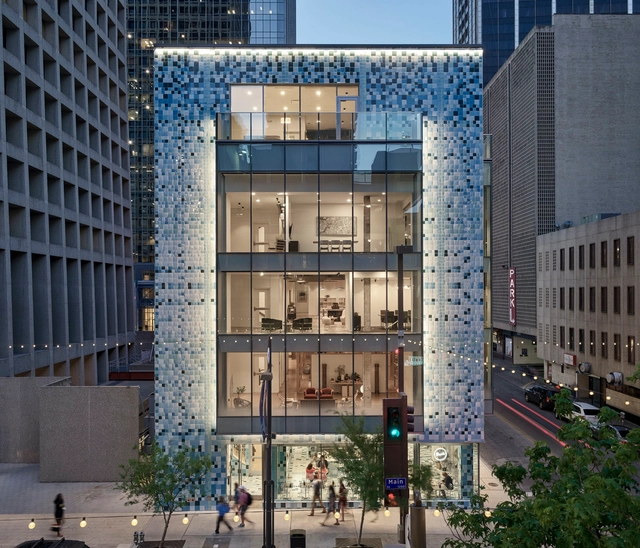
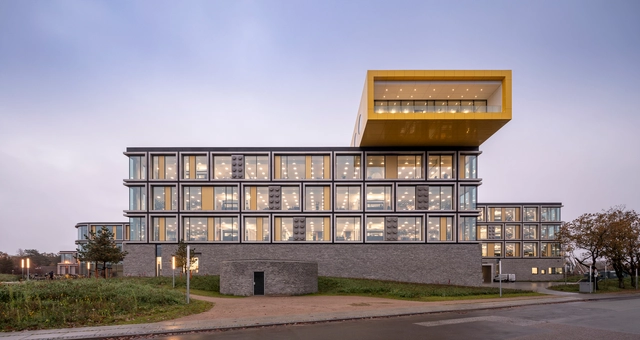
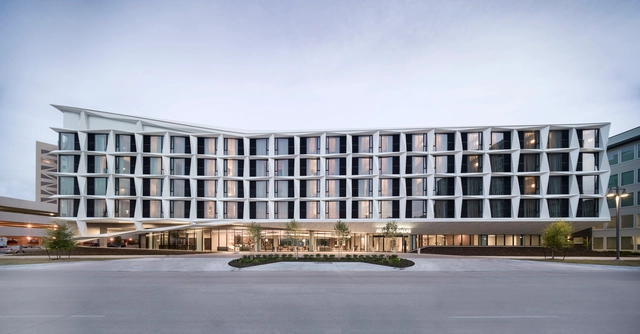
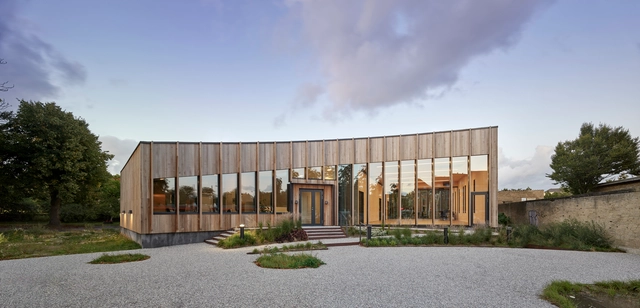
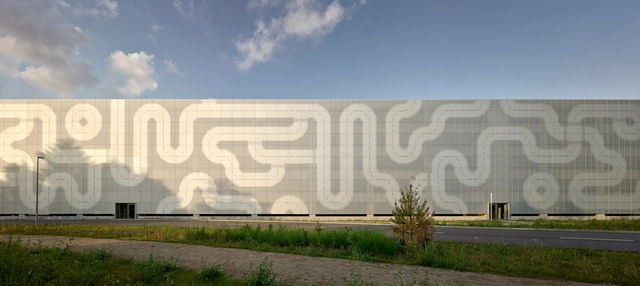
The European Commission and the Mies van der Rohe Foundation have announced the 40 shortlisted works that will compete for the 2022 European Union Prize for Contemporary Architecture – Mies van der Rohe Award. The shortlist featured projects built across 18 different European countries, with Spain, Austria, and France topping the list with 5 entries each. The winners will be announced in April 2022 and the Award ceremony will take place in May 2022.
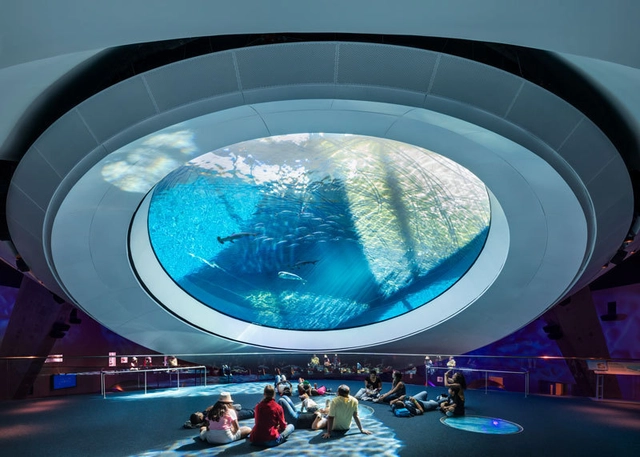
Aquariums are built to reshape expectation. Giving visitors a new vantage point to observe freshwater and marine life, these structures range in scale from simple exhibits to elaborate public aquaria. With a diversity of programming, they often include facilities for rehabilitation and conservation, as well as educational spaces to support learning and discovery. Today, modern aquariums offer glimpses into aquatic life both above water and below the surface.
On behalf of the entire ArchDaily team, we would like to thank you for your continued support and for making 2020 our best year so far! We are now reaching more architects around the world and inspiring them in the creation of better built environments. With more than 5500 different projects published during the year, our curators are excited to share this collection of the 100 most visited projects of 2020. This selection represents the best content created and shared by the ArchDaily community over the past 11 months.
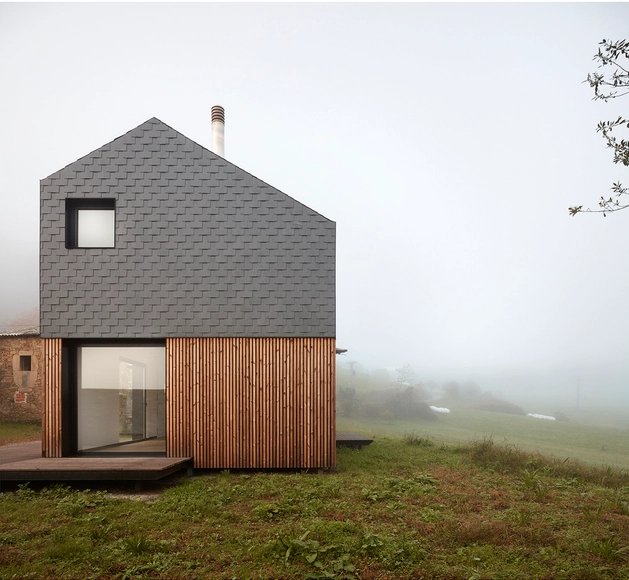
Every child has drawn a house. Perhaps a sunny day with some clouds, a leafy tree, a family with a dog, low wooden fences, or even a car. But in these drawings, they will almost certainly draw a simple rectangle with a gable or hip roof. This archetype of the house appears in virtually all cultures, and even today many architects use it for contemporary projects.
In addition to the primary function of draining rainwater and snow, and thus protecting the building from the weather, roofs can be an important aesthetic device for composing a project. In modern architecture, waterproof roof slabs emerged as a popular alternative, but sloping roofs have continued to captivate both clients and architects. In this article, we will cover the various types of roofs and, more specifically, the manufacturing process and characteristics of natural slate tiles.
Denise Scott Brown once said: “Architecture can’t force people to connect; it can only plan the crossing points, remove barriers, and make the meeting places useful and attractive.” Although it cannot control the outcome, architecture holds the potential to set the stage for chance encounters and social interactions, thus nurturing community building and influencing the fabric of our social culture. The following explores how architecture can improve the social capital of its surroundings through design strategies and thoughtful programming, creating the fertile ground for social interaction among different groups of people.
Sustainable design is more than water, energy and carbon. For architecture, it is deeply rooted in an understanding of life cycles and systemic cultural change. Over the last thirty years, the word "sustainability" began to lose its weight as it transformed into a loosely defined buzzword. But the ideas behind the umbrella term have grown and expanded, and in turn, iconic new buildings are being designed to rethink what the future holds.
Videos
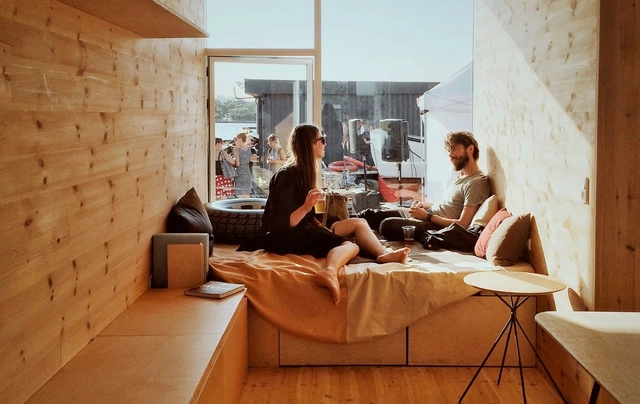
CPH Shelter. Image Courtesy of CPH Containers
In this short video, Jens Thomas Arnfred and Søren Nielsen from the Danish office Vandkunsten Architects talk about wood and the many reasons why it makes for such excellent building material. The two architects discuss the sustainability advantages of using timber and reflect on its influence on our senses and mind, on our feeling of wellbeing.
















_Hedrich_Blessing_015.jpg?1596657514&format=webp&width=230&height=230&crop=true)