

-
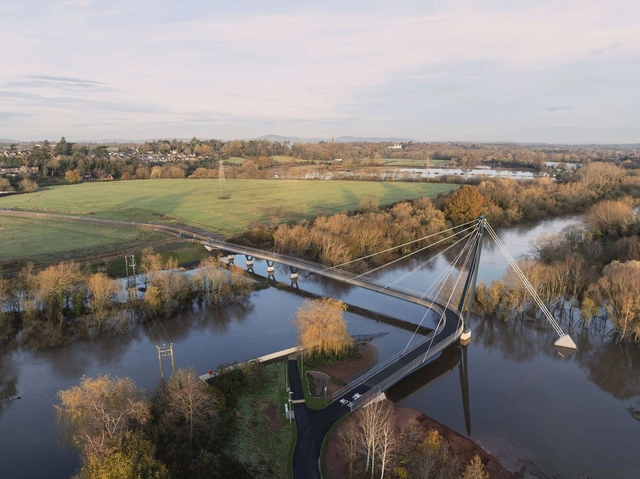
Architects: Moxon Architects
- Year: 2024
-
Professionals: Jacobs, Alun Griffiths


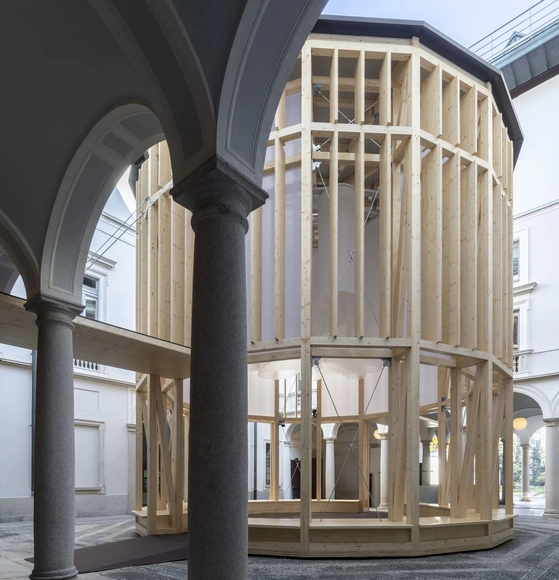
Mario Cucinella Architects (MCA) has reimagined the architectural design of Palazzo Citterio in Milan, Italy, integrating historical and contemporary elements to create a dynamic cultural space. As part of the Grande Brera initiative, which seeks to unify key cultural institutions such as the Pinacoteca di Brera and the Braidense National Library, the palazzo now stands as a hub for modern and contemporary art. Ultimately, the project aims to reestablish Palazzo Citterio as a significant cultural and social landmark, fostering community engagement and interaction.
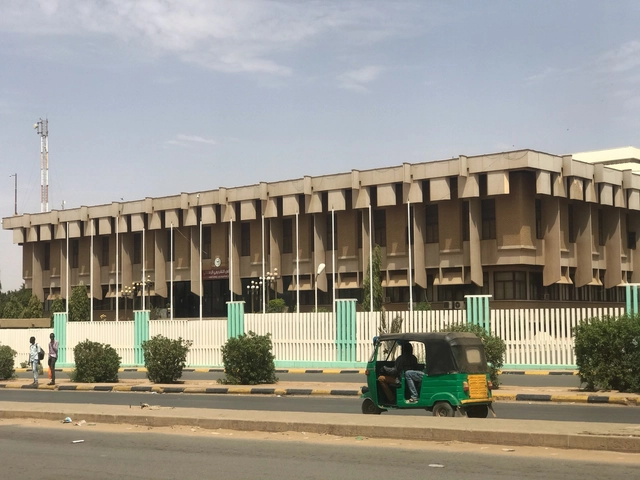
As, one by one, the African nations gained their independence in the middle of the twentieth century, building programs were central to the process of nation-building. In several of those countries, this included the construction of the state's institutions such as their respective national assembly. These buildings not only facilitate the legislative process but also symbolize the new nation's governance, identity, and aspirations. The period of independence movements also coincided with the introduction of the Modern Movement across the continent, which was associated with progress and a break from the colonial past. Across Africa, some national assemblies were constructed early and were part of the nationalization process that preceded independence, while some were constructed long after.

In today's rapidly changing professional landscape, the office is no longer a static environment. As companies continue to embrace hybrid working models and flexible teams, the need for adaptable, people-centric workspaces has never been greater. In collaboration with Foster + Partners Industrial Design, UniFor has responded to this shift with the XYZ collection, a suite of modular, versatile furniture designed to meet the dynamic needs of contemporary workplaces.
The collection features three key products: the X Shelving System, the Y Table, and the Z Desk—each designed to support a range of working styles while maintaining a harmonious visual language.


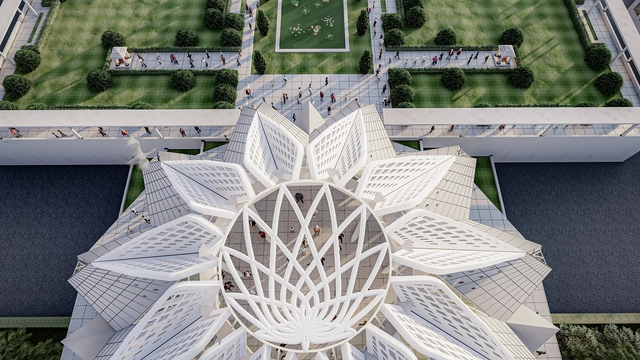
India's global identity has developed alongside its aspirations for a unique architectural future. Over time, the country's architectural landscape has evolved from vernacular traditions to foreign influences, from post-colonial revivals to modern digital expressions. Computational design has played an influential role in shaping contemporary styles, empowering homegrown architectural firms to experiment with form and structure.
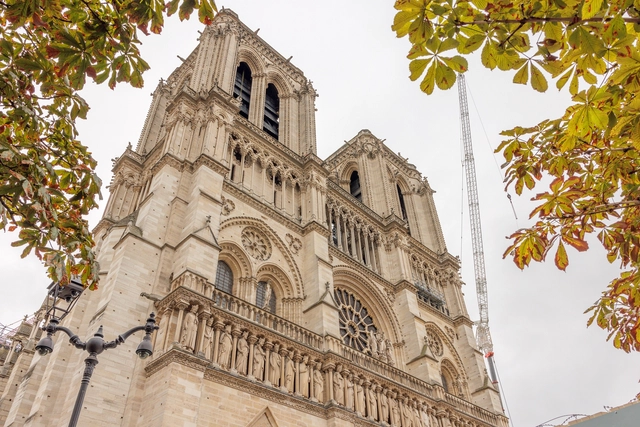
The Notre Dame Cathedral in Paris has officially reopened, five years after a devastating fire destroyed its roof and spire and threatened the integrity of the entire structure. The reopening ceremony took place on Saturday evening with a two-hour sermon, attended by global leaders and dignitaries. The ceremony also represented the first opportunity to witness the result of the estimated €700 million ($739 million) restoration, a process that included the thorough cleaning of the stone interiors, revealing a glistening white gothic interior.


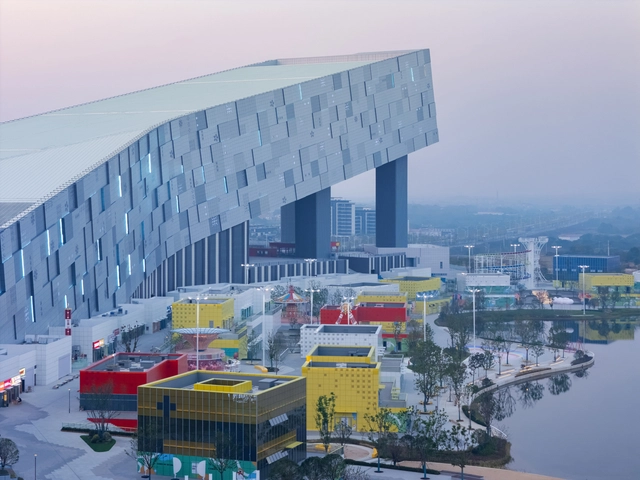
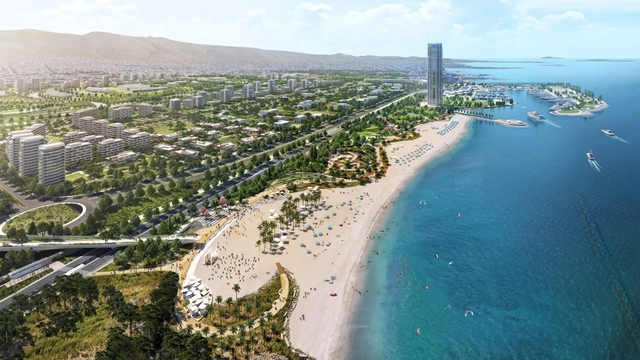
As Athens hosts The Architect Show (TAS) 2024, the event brings together global and local voices to highlight the latest innovations in architecture and design. Against this backdrop, the city's evolving urban narrative is exemplified by The Ellinikon, Europe's largest urban regeneration project. Encompassing 6.2 million square meters, this €8 billion development has already attracted globally renowned architects such as Bjarke Ingels Group (BIG), Kengo Kuma, Foster + Partners, and Aedas. Together, they are shaping the smart city that integrates sustainability, connectivity, and community-focused design into the heart of Athens.

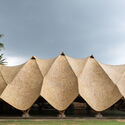
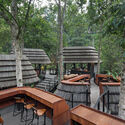
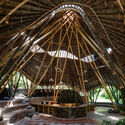
Bali might most commonly be associated with its beaches and leisure sector. Rightfully so, since the Indonesian province received more than 2.9 tourists this year alone. Along with the temporary visitors, Bali also houses some longer-term inhabitants and digital nomads, which contributed to its fast population increase. This has naturally affected its urban density and its need for additional accommodation and services, offering opportunities for some creative architecture and materials exploration.
This often appears through the many bamboo-built projects, with the island being the stage for some of the oldest and most intricate bamboo vernacular construction. This knowledge can be transmitted to willing architects and professionals from all around the globe who seek to understand how this versatile material can be applied in their own countries. Many renowned global and local practices, such as IBUKU, and Bamboo U, have championed this ecologically aware architecture through their projects, which are always focused on nature preservation and the revival/ optimization of traditional building techniques.