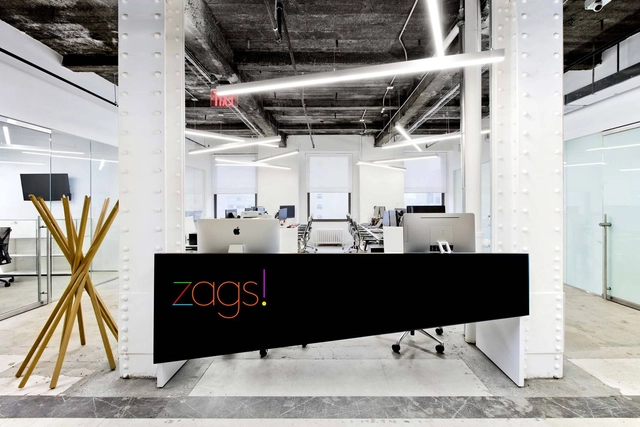
3D printing – also known as additive manufacturing – turns digital 3D models into solid objects by building them up in layers. The technology was first invented in the 1980s and has since found its way into our everyday life – and in architecture and interior design. Architecture firm DUS has a vast expertise in architectural 3D printing and is now applying its expertise to interiors and retail spaces.
“3D printing is an ideal technique to tailor-produce to a space or a brand,” says Inara Nevskaya, head designer at DUS. “We can link a furniture’s functionality with unique form features to create statement pieces, special focal points that frame new experiences for the consumer in the retail landscape.”
https://www.archdaily.com/890494/interior-design-and-3d-printing-giving-unique-forms-to-functional-spacesLidija Grozdanic for Archipreneur.com
March 22 is World Water Day, an annual international celebration launched and organized by the United Nations. The goal of the day is to raise awareness about a wide range of water-based issues from around the world. This year’s theme is “Nature From Water”, which invites everyone to think about how nature can provide solutions to the water challenges we face today.
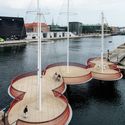
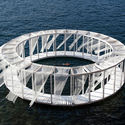
To celebrate World Water Day this year, we’ve rounded up 20 of our favorite projects that utilize water as a central design feature. Whether it be Zumthor'sThermal Vals or Chritso and Jeanne-Claude'sFloating Piers, water has been playing an important role in architectural design and in demarcating the boundaries of nature against our built environment.
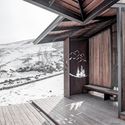
The Norwegian Public Roads Administration is opening a new landmark, Ureddplassen, along the Norwegian Scenic Route Helgelandskysten. Consisting of seating benches, a toilet facility and viewing terrace facing the open sea, Ureddplassen evokes a sense of poetic solitude as it complements the natural landscape of Norway.
The Bahá'í International Community has unveiled a proposal for the national Bahá'í House of Worship of Papua New Guinea. In the capital city of Port Moresby, a celebration was held at the temple’s future site to showcase the scheme, coinciding with the Bahá'í New Year. Inspired by the art of weaving, the architects’ vision was for a temple where the people of Papa New Guinea could unite to worship and find inspiration.
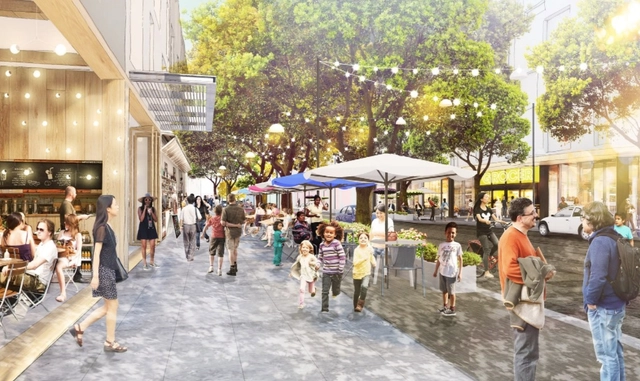
Willow Village will form part of Facebook's OMA-designed Willow Campus. Image Courtesy of OMA
“Do people love tech companies so much that they would live inside them?” This is the question posed by The New York Times in an article reflecting on Facebook’s plans for Willow Village, a 59-acre urban district located at the company’s Menlo Park headquarters in San Francisco, California.
https://www.archdaily.com/891145/zucktown-usa-will-facebook-design-your-future-cityNiall Patrick Walsh
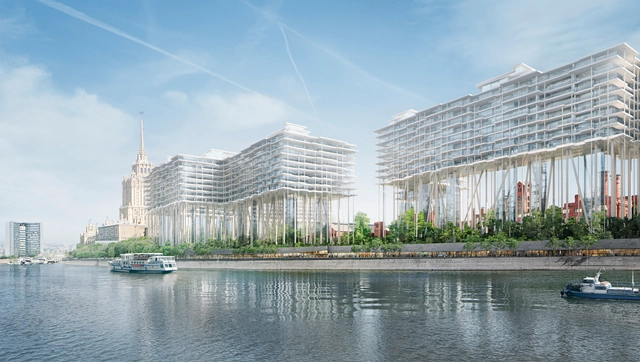
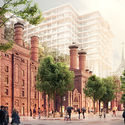
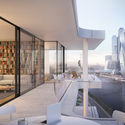
Herzog & de Meuron has released images of their proposed scheme for the redevelopment of an old brewery site on the banks of the Moscow River. The Badaevskiy Brewery project will see the transformation of a largely abandoned cluster of historic, industrial buildings, a delicate restoration project contrasting with the contemporary addition of a residential “Horizontal Skyscraper.” With this bold addition elevated on tall, slender stilts, a new ground-level public park is created to strengthen ties between the brewery site and adjacent river.
https://www.archdaily.com/891128/herzog-and-de-meuron-designs-horizontal-skyscraper-above-historic-moscow-breweryNiall Patrick Walsh







.jpg?1521431570)
.jpg?1521431539 "© David Cousin-Marcy")
.jpg?1521431505 "© David Cousin-Marcy")
.jpg?1521431582 "© David Cousin-Marcy")
.jpg?1521431636 "© David Cousin-Marcy")





.jpg?1521479020&format=webp&width=640&height=580)
.jpg?1521478464 "B Garden becomes alive with padding pool and provides a place for summer children's games.. Image © Weiqi Jin")
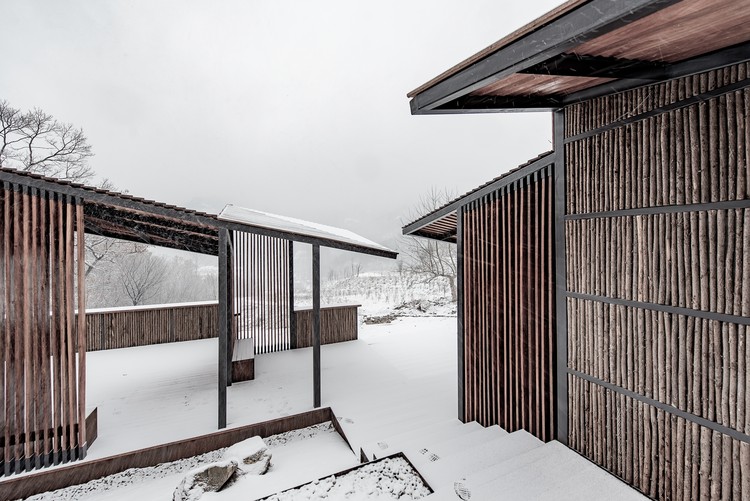
.jpg?1521478544 "The arcade of entrance to Teahouse. Image © Weiqi Jin")
.jpg?1521478298 "The entrance of the Teahouse. Image © Weiqi Jin")
.jpg?1521478914 "The entrance of the Teahouse. Image © Weiqi Jin")
.jpg?1521479020)








.jpg?1521650494 "Courtesy of Bahá'í International Community")