

Produce personalized presentation boards that distill complex concepts into simple visual representations with a few helpful tools and effects.
News
How to Create Architectural Presentation Boards
| Sponsored Content
https://www.archdaily.comhttps://www.archdaily.com/catalog/us/products/37234/how-to-create-architectural-presentation-boards-lumion
Do We Still Need Architecture Awards? Highlights from the "Beyond the Prize" Discussion Forum in Venice, Italy
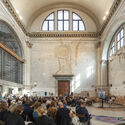
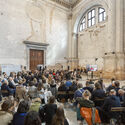
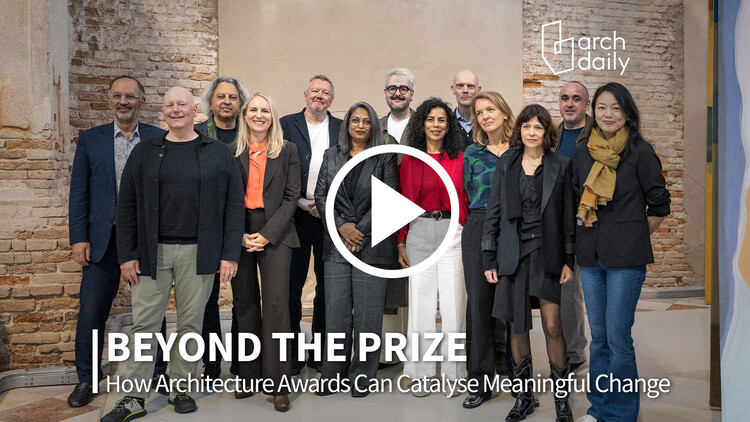
During the opening week of the 19th Venice Architecture Biennale, a consortium of six major architecture awards, including the Aga Khan Award for Architecture, the Holcim Foundation Awards, the EUmies Awards, the Mies Crown Hall Americas Prize, the OBEL Award, and the Ammodo Architecture Award, convened at TBA21–Academy's Ocean Space for a critical discussion titled "Beyond the Prize." This forum aimed to reflect on the role, relevance, and future potential of architecture awards amidst pressing social and environmental challenges. ArchDaily attended the public event and took the opportunity to ask the participants: What would the field of architecture look like if we stopped organizing architecture awards?


https://www.archdaily.com/1030829/do-we-still-need-architecture-awards-highlights-from-the-beyond-the-prize-discussion-forum-in-venice-italyAntonia Piñeiro
The Land Remembers: Lebanon’s Pavilion at the 2025 Venice Biennale Confronts Ecocide Through Architecture
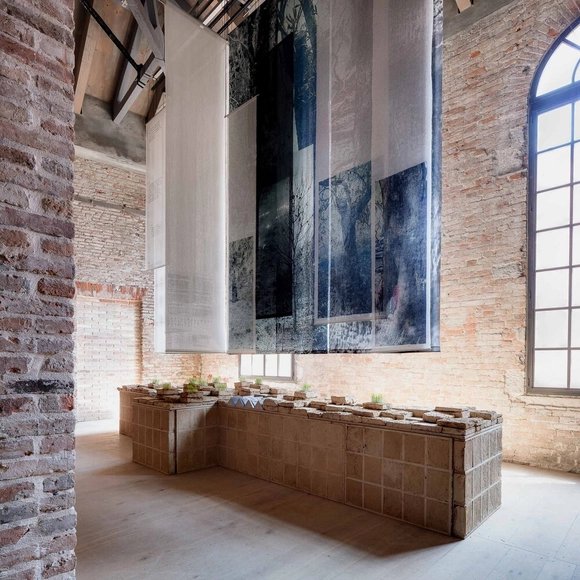
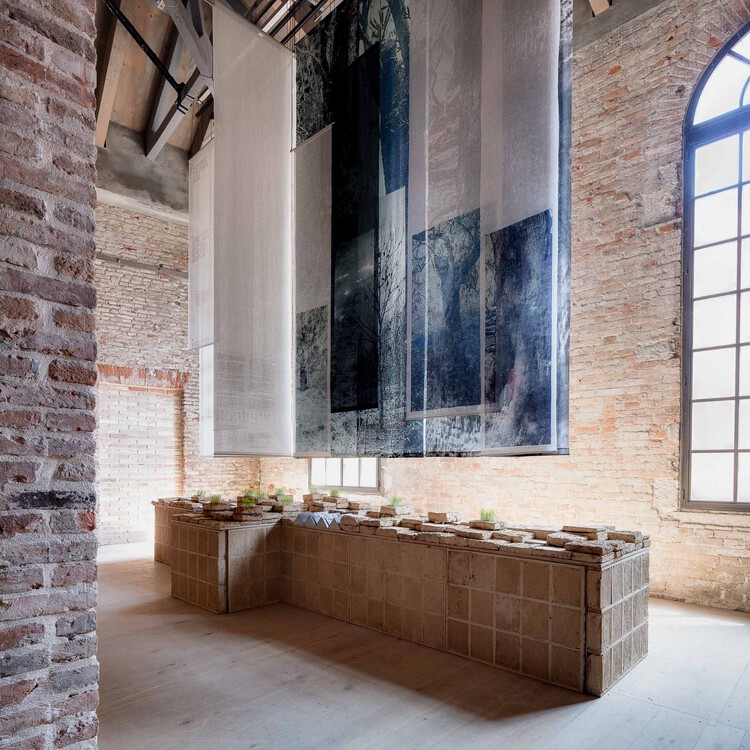
At the 19th International Architecture Exhibition of La Biennale di Venezia in 2025, the Lebanese Pavilion, curated by the Collective for Architecture Lebanon (CAL), presents "The Land Remembers," an exploration of ecocide and environmental healing. Selected by Lebanon's Ministry of Culture and the Lebanese Federation of Engineers, CAL is a non-profit organization co-founded in 2019 by Shereen Doummar, Edouard Souhaid, Elias Tamer, and Lynn Chamoun. Their curatorial vision aims to transform the pavilion into a fictional institution, the Ministry of Land Intelligens, dedicated to confronting environmental devastation and proposing strategies for ecological restoration.


https://www.archdaily.com/1028125/the-land-remembers-lebanons-pavilion-at-the-2025-venice-biennale-confronts-ecocide-through-architectureNour Fakharany
Designing a Living and Dying Structure: Picoplanktonics and the Canadian Pavilion in Venice
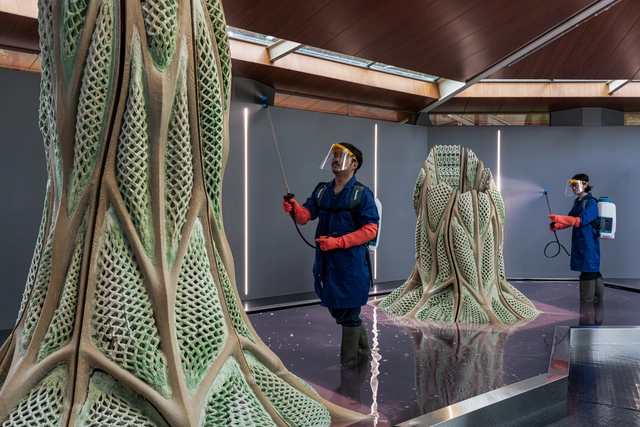
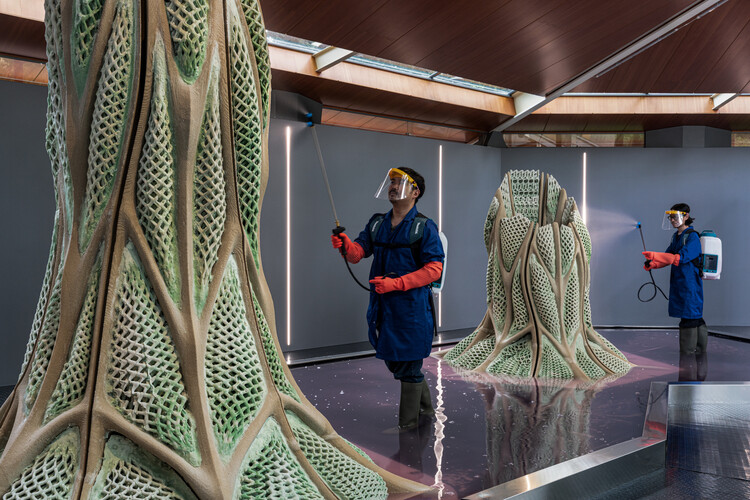
The Canada Pavilion at the 19th International Architecture Exhibition – La Biennale di Venezia, hosted Picoplanktonics. A research that emerged as a radical rethinking of how architecture can become a platform that blends biology, computation, and fabrication to propose an alternative future, one where buildings don't just minimize harm, but actively participate in planetary repair. At its core lies a humble organism: marine cyanobacteria, capable of both capturing carbon and contributing to the material growth of the structure it inhabits. The project has been developed over 5 years by a group of researchers at ETH Zurich, led by Andrea Shin Ling and a group of interdisciplinary contributors and collaborators. Together, they formed the Living Room Collective, founded a year ago to build upon this work and showcase it at the Venice Biennale. The Core team members include Nicholas Hoban, Vincent Hui, and Clayton Lee. This conversation with the team behind the project shares the philosophy, technical challenges, and speculative horizons that animated their work from printing living sand lattices to maintaining microbial life in a public exhibition. Their aim is to inspire people to reconsider architecture not as a static object, but as a living, evolving process. One that requires care, patience, and a radical shift in mindset.


https://www.archdaily.com/1030729/designing-a-living-and-dying-structure-picoplanktonics-and-the-canadian-pavilion-in-veniceMoises Carrasco
Letting the Sky In: 4 Case Studies of Daylight Solutions in Aquatic Architecture
| Sponsored Content
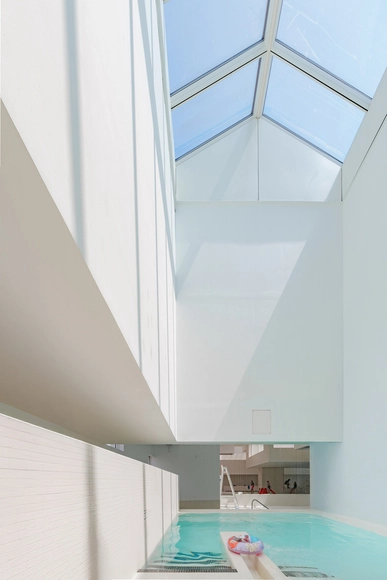
Condensation, maintenance, and humidity are three familiar challenges that continue to test the buildings we design and construct. Whether stemming from climate conditions, limited airflow, or the specifics of construction detailing, these factors affect not only the durability of materials but also the everyday comfort and performance of inhabited spaces. When the setting is an aquatic center or an indoor swimming pool, the demands are even greater. The constant presence of steam, moisture accumulation, and the risk of mold can compromise both energy efficiency and the user experience. In such environments, ventilation and access to daylight, beyond their aesthetic value, become essential tools for maintaining equilibrium, enhancing indoor comfort, and ultimately improving how the space is perceived and utilized.
https://www.archdaily.com/1030573/letting-the-sky-in-4-case-studies-of-daylight-solutions-in-aquatic-architectureEnrique Tovar
Thinking Globally, Building Locally: Glocalization and the Ethical Use of Materials
"The times they are a-changin'," sang a young Bob Dylan in 1964, capturing a nation at a crossroads, gripped by the civil rights movement and overshadowed by Cold War tensions. Nearly a decade later, David Bowie turned that gaze inward with "Ch-ch-ch-ch-changes," a fragmented meditation on identity, reinvention, and personal transformation, echoing the collapse of countercultural ideals and the acceleration of globalization. By the 1990s, Tupac Shakur brought the focus back to the streets and urban centers. In "Changes," he laid bare the raw realities of racial injustice and systemic violence, offering not resignation but a forceful indictment: "That's just the way it is."
Three voices, three decades, three ways of confronting change. If art (here, through music) has historically served as both mirror and outcry in times of upheaval, then it is fair to ask: how has the construction industry responded to a world in constant flux, a world urgently demanding transformation? In a world shaped by powerful economic forces, architecture is increasingly challenged to reconcile social responsibility with market realities. Today, we face a convergence of planetary crisis and social fragmentation: the planet is warming, inequalities persist and deepen, data multiplies, and identities fracture. In this context, architecture can no longer afford to limit itself to formal experimentation or market-driven imperatives. It is called to rethink with clarity, responsibility, and imagination what we build, with what we build, how we build, and above all, for whom.
https://www.archdaily.com/1030705/thinking-globally-building-locally-glocalization-and-the-ethical-use-of-materialsEduardo Souza
Mute Redefines Office Pods With the Largest Collection Ever Presented
| Sponsored Content
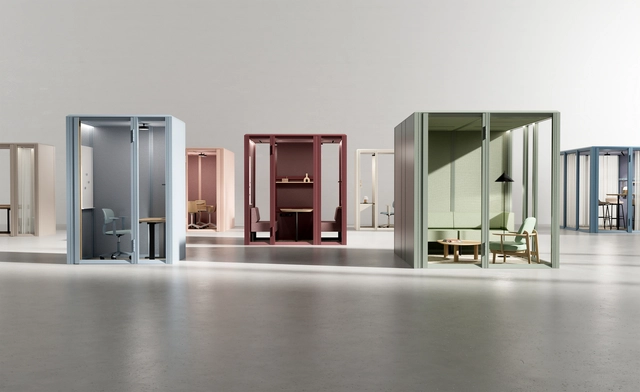
Mute, a pioneer in adaptable office architecture, has introduced Modular Pods—the largest and first truly adaptable pod collection on the market. Offering an unparalleled variety in sizes, unlimited customization options, and leading accessibility solutions, Mute'Modular Pods set new benchmarks for the entire product category.
https://www.archdaily.com/1030452/mute-redefines-office-pods-with-the-largest-collection-ever-presentedRene Submissions
Stantec Wins International Competition to Reconstruct Ukraine’s State Tax University
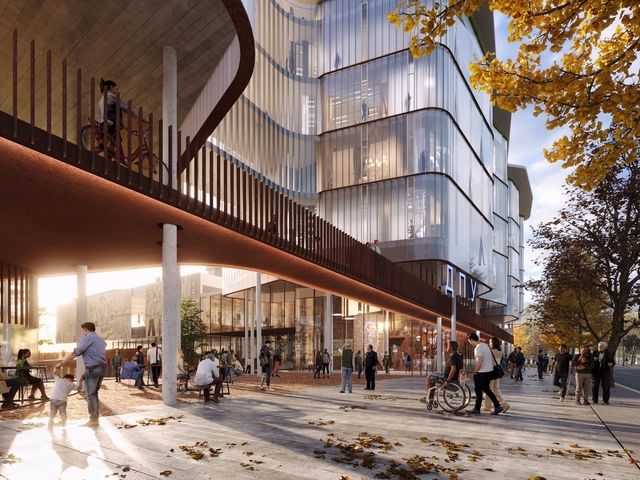
Stantec, an architecture, engineering, and environmental consulting firm, has been selected as the winner of an international competition organized by the State Tax University (STU) to redesign its Main Campus building. The building was partially destroyed in 2022 during the early stages of the war. The international call for redesign proposals was launched in November 2024, free of charge and "open to all design bureaus, architectural firms, and individual architects from every corner of the globe." The goal of the competition was to develop a 21st-century educational building described as a "progressive and comfortable place for learning, research, and student leisure based on innovative educational standards," as stated in the competition announcement.

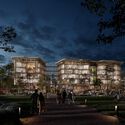
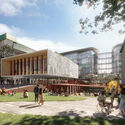

https://www.archdaily.com/1030766/stantec-wins-international-competition-to-reconstruct-ukraines-state-tax-universityAntonia Piñeiro
How Will Transportation Work in the Future? A Look at the Rise of Electric Mobility in Cities

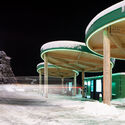
From greenhouse gas emissions and air pollution to deforestation, one of the leading contributors to global warming today is emissions from the transportation sector. Exploring its origins and evolution, as well as the major challenges it faces, the development of electric mobility in urban environments represents a global transition that requires a coordinated mix of policies and actions to achieve cleaner and more sustainable transportation systems. Designing safe and comfortable infrastructure for walking and cycling, promoting public transit and shared mobility, and designing more efficient streets that include electric vehicles, among other actions, are part of a growing worldwide effort to reduce carbon emissions.




https://www.archdaily.com/1030500/how-will-transportation-work-in-the-future-a-look-at-the-rise-of-electric-mobility-in-citiesAgustina Iñiguez
Transparent Boundaries: Technology and the Display of Cultural Memory
| Sponsored Content
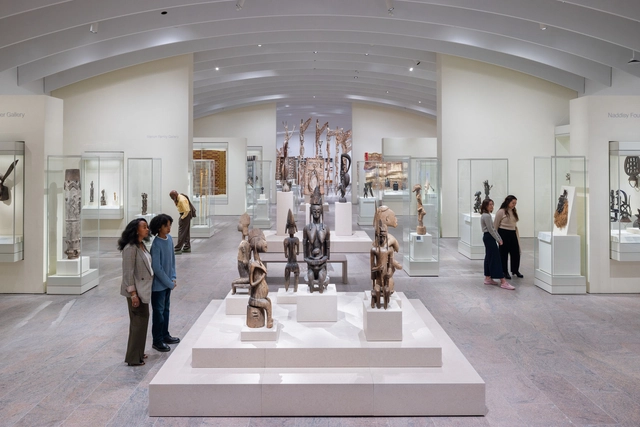
Founded in 1870, The Metropolitan Museum of Art — affectionately known as The Met — is one of the world's most important and visited museums, housing over two million works that span five millennia of human history. Located in the heart of New York City, alongside Central Park, the museum is celebrated for its vast and diverse collections, ranging from ancient Egyptian art to European masters and contemporary works. Paintings, sculptures, documents, historical artifacts, and multimedia pieces make up an ensemble that demands meticulously planned exhibition solutions to ensure both preservation and the effective communication of their historical and artistic value.
In 2021, The Met launched one of its most ambitious projects: the renovation of The Michael C. Rockefeller Wing, dedicated to the Arts of Africa, the Ancient Americas, and Oceania. With a $70 million investment, the initiative encompasses curatorial reorganization, oriented by a more regional and historical approach, as well as architectural interventions. The modernization of the galleries includes enhancements to natural lighting, accessibility improvements, and the incorporation of contemporary museographic systems, designed to optimize conservation and the interpretive experience for visitors.
https://www.archdaily.com/1030495/transparent-boundaries-technology-and-the-display-of-cultural-memoryEduardo Souza
How Biophilic Cities Address the Urban Health Crisis in the United States
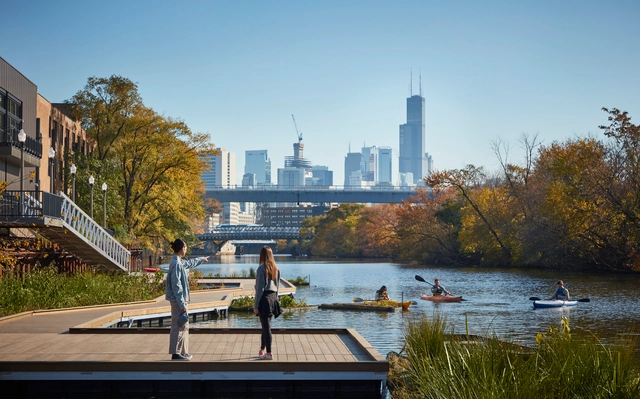
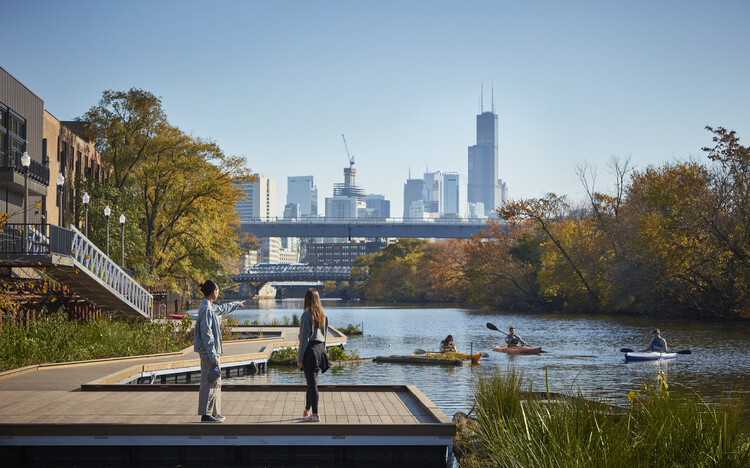
In the United States, nearly 1 in 10 children are affected with asthma, a condition with rates significantly higher in urban areas of the country. However, in a community just outside Atlanta with a population of more than 300 children, not a single case of the condition has been reported. This is by design. Most cities and neighborhoods across the country are not designed with human biology in mind, an oversight that contributes to the growing prevalence of cardiovascular disease and mental health challenges. Are we treating chronic conditions as purely medical, when they may actually be symptoms of poor design?

https://www.archdaily.com/1030715/how-biophilic-cities-address-the-urban-health-crisis-in-the-united-statesAnkitha Gattupalli
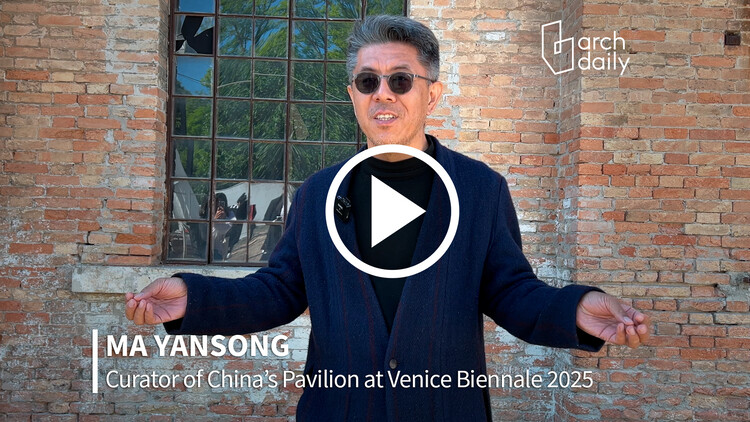
“It’s All About Human, Nature, and Emotion”: In Conversation With Ma Yansong, Curator of the Chinese Pavilion
At the 19th Venice Architecture Biennale, the Chinese Pavilion presents Coexist, an exhibition curated by Ma Yansong, founder of MAD Architects. The pavilion assembles ten interdisciplinary teams, spanning architects, scholars, students, scientists, and even social media participants, to collectively investigate the potential of architecture to reconcile contradictions between tradition and futurity, artificial and nature, technology and emotion. Rather than presenting a singular vision, Coexist aims to open space for responses to the diverse realities shaping contemporary architecture. While on site in Venice, ArchDaily's editors had the opportunity to discuss the ideas that shaped the Chinese Pavilion with the curator.


https://www.archdaily.com/1030736/its-all-about-human-nature-and-emotion-in-conversation-with-ma-yansong-curator-of-the-chinese-pavilionReyyan Dogan
Le Corbusier and Brazilian Modernism: ABERTO4 Exhibition Opens at Maison La Roche in Paris
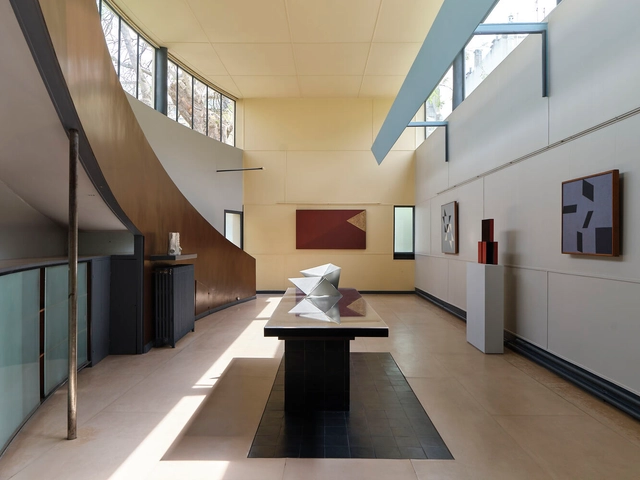
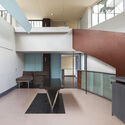
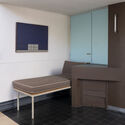
Founded in 2022 by art advisor Filipe Assis, ABERTO is an exhibition platform celebrating the convergence of art, design, and architecture in Brazil and beyond. Staging exhibitions in private and public modernist spaces, its past editions have highlighted the global connections forged by Brazilians from the 20th century onwards. Following three exhibitions in São Paulo, "ABERTO 4 – Brazil After Le Corbusier" marks its first international edition, taking place at Le Corbusier's Maison La Roche in Paris, from 14 May to 8 June 2025. The exhibition presents around 35 design and art pieces by Brazilian artists, spotlighting Le Corbusier's seminal connection to Brazilian modernist architecture and exploring his influence on contemporary Brazilian creatives. Previous editions of ABERTO have featured over 100 artists from Brazil and abroad in houses designed by Oscar Niemeyer (2022), Vilanova Artigas (2023), and Ruy Ohtake and Chu Ming Silveira (2024).


https://www.archdaily.com/1030727/le-corbusier-and-brazilian-modernism-aberto4-exhibition-opens-at-maison-la-roche-in-parisAntonia Piñeiro
The Tactile Twin – Why Models Still Matter in a Virtual World
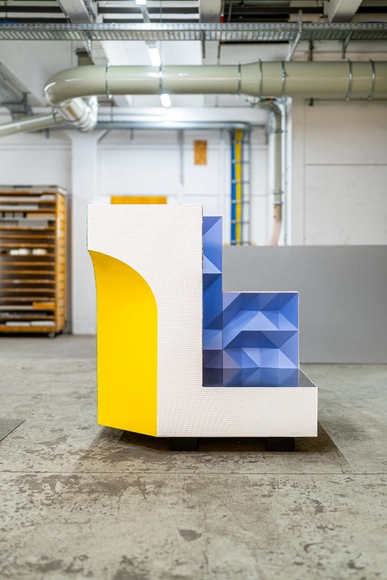
Building a monumental dome without the use of external iron chains or traditional centering was the enormous challenge faced by Filippo Brunelleschi at the Cathedral of Santa Maria del Fiore in Florence. To demonstrate the feasibility of his proposal and to guide the construction, he relied on a large-scale wooden model that played a fundamental role in studying proportions, the interlocking of ribs, and the innovative arrangement of bricks using the "a spina pesce" (herringbone) system. As an essential technical tool, this model — which is still on display at the Museo dell'Opera del Duomo in Florence — guided the master builders throughout the construction, establishing itself as a seminal example of the value of models in architectural planning, constructive communication, and experimentation.
https://www.archdaily.com/1030348/the-tactile-twin-why-models-still-matter-in-a-virtual-worldEduardo Souza
Inside the Japanese Style Room: History, Design, and Modern Practice
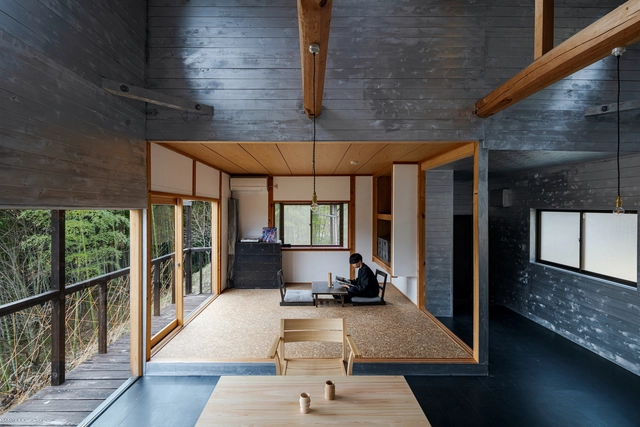
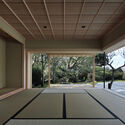
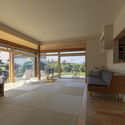
When examining photos of Japanese houses, one frequently notices a recurring space with tatami mats, often slightly elevated and integrated into the public areas of the home. This is the washitsu, or Japanese-style room: a traditional, multipurpose space still commonly found in modern residential architecture. Used for activities ranging from reading and sleeping to hosting a family altar, its versatility is central to its continued relevance. This article explores the Washitsu's layout and meaning, beginning with its historical origins to better understand its role and interpretation in contemporary Japanese homes.

https://www.archdaily.com/1030033/inside-the-japanese-style-room-history-design-and-modern-practiceMoises Carrasco
Muharraq Architecture City Guide: 10 Projects Through the Bahraini City's Developing Pearling Path
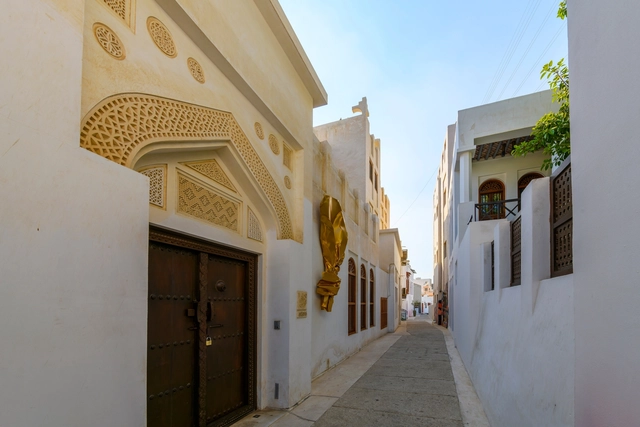
The Kingdom of Bahrain is being widely acknowledged recently through their worldwide architectural contributions at the Expo 2025 in Osaka, with their Anatomy of a Dhow pavilion by Lina Ghotmeh; or at the Venice Biennale, where the Heatwave exhibition was awarded the Golden Lion for Best National Participation. However, for the past few years Bahraini cities like Muharraq have been lending the stage for regional and international architects to discover their typical Persian Gulf architecture and add their own touches to the local sites. It's through the works of Leopold Banchini, Anne Holtrop, or Valerio Olgiati that the old has been brought back to life, along with the efforts of the local authorities and cultural figures.


https://www.archdaily.com/1030426/muharraq-architecture-city-guide-10-projects-through-the-bahraini-citys-developing-pearling-pathHana Abdel
On Designing National Pavilions: Power and Identity at Universal Exhibitions
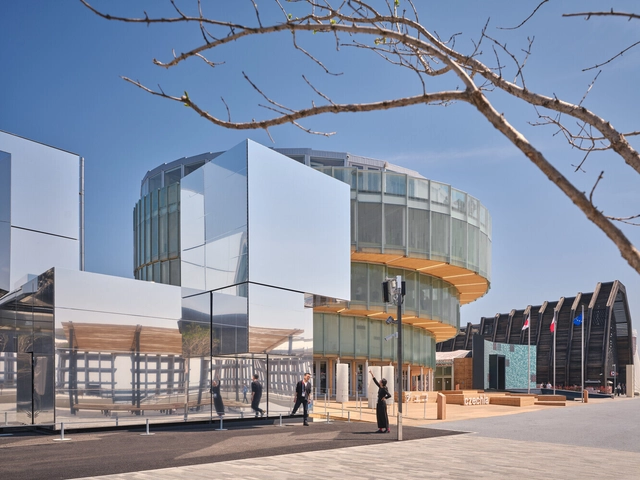
What can a pavilion’s architecture reveal about its country? At major World Expos, national pavilions are designed to answer this question, transforming into spaces laden with symbolism. Though temporary, these structures are rich in meaning, functioning as architectural expressions of political identity. Their forms and materials encapsulate national ambitions. Expo Osaka 2025, the latest chapter in this ongoing narrative, showcases how nations increasingly use built space to construct global images of themselves—sustainable, technological, culturally distinct, and geopolitically relevant.


https://www.archdaily.com/1030539/on-designing-national-pavilions-power-and-identity-at-universal-exhibitionsCamilla Ghisleni
New York’s Lincoln Center Unveils Its West Side Transformation by Hood Design Studio, Weiss/Manfredi, and Moody Nolan
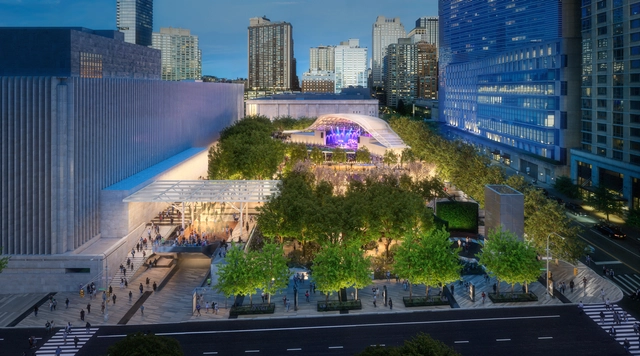
Lincoln Center for the Performing Arts, Inc. has revealed the design for the Amsterdam Avenue side of its campus, developed by Hood Design Studio, Weiss/Manfredi Architecture/Landscape/Urbanism, and Moody Nolan. Recently released renderings illustrate a transformation that includes a new outdoor performance venue, expanded community park spaces, and the removal of the existing wall along Amsterdam Avenue. In response to long-standing calls from both Lincoln Center and local communities, the construction is expected to begin in spring 2026 and be completed by spring 2028.


https://www.archdaily.com/1030685/new-yorks-lincoln-center-unveils-its-west-side-transformation-by-hood-design-studio-weiss-manfredi-and-moody-nolanReyyan Dogan
"Helping the Existing to Reconfigure Itself": In Conversation with Søren Pihlmann, Curator of the Danish Pavilion
Søren Pihlmann is the curator of the Danish Pavilion at the 2025 Venice Architecture Biennale. The exhibition, commissioned by the Danish Architecture Center, is titled Build of Site, and focuses on exploring sustainable architectural practices through the lens of reuse and resourcefulness. Pihlmann's proposal transforms the existing Danish Pavilion, located within a historic building complex in the Biennale's Giardini, into an active exhibition space for material experimentation. The installation highlights techniques that incorporate recycled and bio-based elements. The Pavilion offers visitors the opportunity to observe ongoing experimental processes, witnessing how building resources are creatively reimagined for new uses. In this on-site interview, ArchDaily editors spoke with the curator about the ideas behind the project and the challenges its execution represents.


https://www.archdaily.com/1030683/helping-the-existing-to-reconfigure-itself-in-conversation-with-soren-pihlmann-curator-of-the-danish-pavilionAntonia Piñeiro
Reimagining Urban-Rural Coexistence Through AI: In Conversation With Francisco Escapil
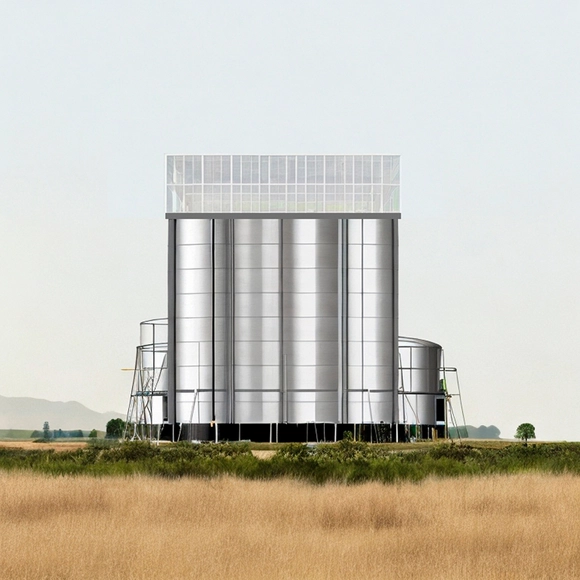
What structures and infrastructures sustain the ties and relationships between the countryside and the city? How will architecture and emerging technologies maintain -or not- the coexistence of both worlds in the future? The reduction of ecological footprints, the impact of climate change, the decentralization of major cities, food security, and other contemporary issues challenge professionals in architecture and urbanism globally under the main shared goal of improving citizens’ quality of life and achieving physical, mental, and emotional well-being in both built and natural environments.


https://www.archdaily.com/1030540/reimagining-urban-rural-coexistence-through-ai-in-conversation-with-francisco-escapilAgustina Iñiguez
Architecture Now: C.F. Møller, Sasaki, 10 Design, and Others Unveil Projects Across Middle East, Asia, and the U.S.
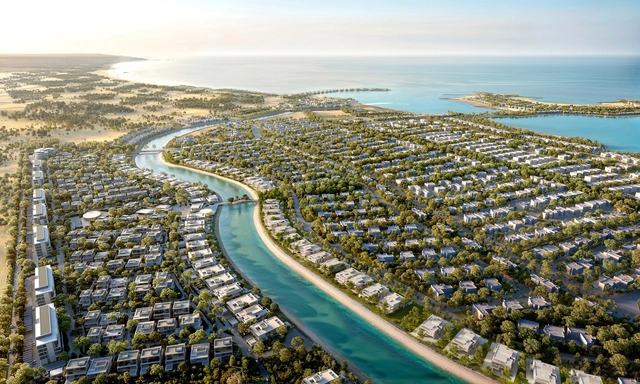
A series of recently announced projects across Europe, Asia, the Middle East, and North America reflects an ongoing shift in architectural thinking toward approaches that integrate buildings with their landscapes, programs with public life, and design with long-term environmental goals. In Nantes, France, a healthcare campus redefines medical education through climate-conscious planning, while in San Antonio, Texas, a new arboretum transforms a former golf course into a research-driven public landscape. Residential towers are rising beside Bangkok's Lumphini Park, a new coastal community is underway in the UAE, and an expansion to the Nelson-Atkins Museum in Kansas City reconsiders how cultural institutions connect with their surroundings. Together, these announcements point to a growing interest in projects that embed architecture within broader ecological and civic systems, proposing new models of spatial integration, accessibility, and resilience.


https://www.archdaily.com/1030684/architecture-now-cf-moller-sasaki-10-design-and-others-unveil-projects-across-middle-east-asia-and-the-usNour Fakharany
Touching the Past: When Architecture Becomes a Gesture of Continuity
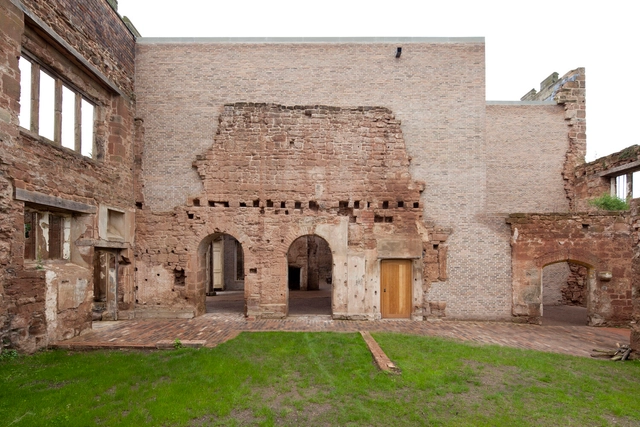
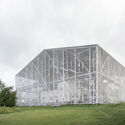
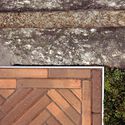
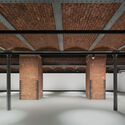
There is a particular kind of architecture that does not begin with a blank page. It begins in silence, in ruins, in walls shaped by time. It begins by listening. Rather than imposing itself, it draws near, slowly, choosing to touch rather than overwrite. This is an architecture that engages with the past through the lens of the present, not to erase it or mimic it, but to offer it continuity.
Contemporary architecture increasingly recognizes that to build with the past is not to be held back by it. Heritage is no longer seen as a constraint but as an active ground for design. Within this shift, pre-existence becomes more than a physical condition — it becomes a narrative thread, a structural and symbolic presence that invites care. Rather than asserting dominance, many architects today choose to respond with gestures that are deliberate, quiet, and precise. These interventions frame rather than replace, protect rather than obscure. In doing so, they allow history to remain visible, not as a backdrop, but as a living layer of the architectural experience.


https://www.archdaily.com/1029547/touching-the-past-when-architecture-becomes-a-gesture-of-continuityDiogo Borges Ferreira
German Design Awards 2026: In Search of the New Global Design Vocabulary
| Sponsored Content
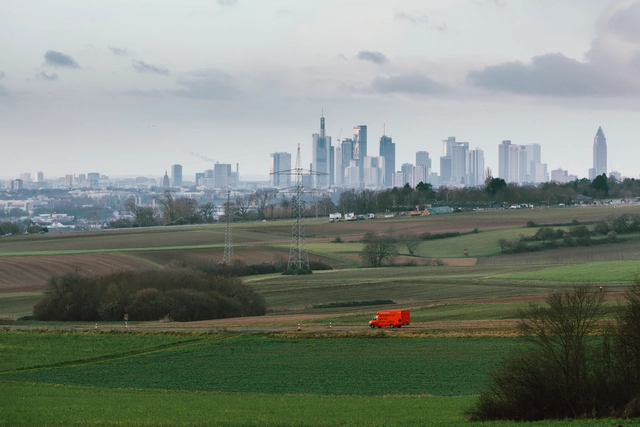
The German Design Awards 2026 are now open for submissions worldwide. Under the theme Connecting Global Excellence, the awards extend an invitation not just to enter, but to engage—with ideas, with places, with people. This year's open call is accompanied by a new series of Design Masterclasses in Zurich and Copenhagen, created in collaboration with DAAily platforms, offering spaces to share, learn and connect. As the Frankfurt RheinMain region prepares to take the global stage as World Design Capital 2026, the German Design Awards 2026 reflect the full spectrum of design today—from visionary innovation to cultural continuity. They are both a mirror of our diverse design landscape and a catalyst for forward-thinking transformation across all disciplines.
https://www.archdaily.com/1030341/german-design-awards-2026-in-search-of-the-new-global-design-vocabularyRene Submissions
Diller Scofidio + Renfro Completes V&A East Storehouse in Queen Elizabeth Olympic Park
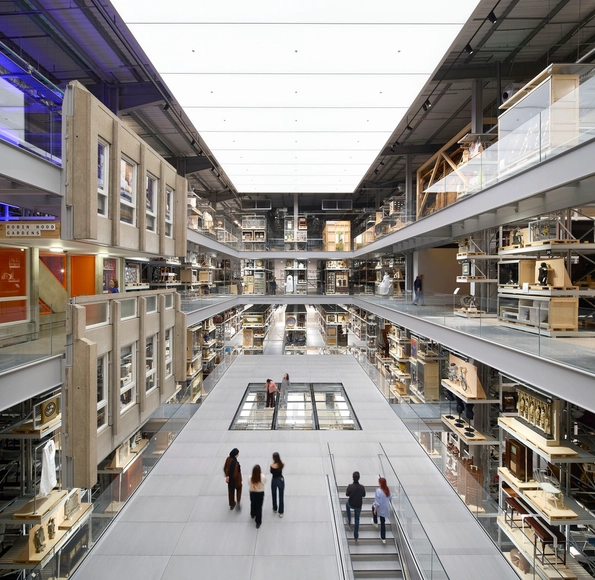
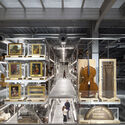
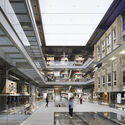
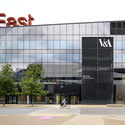
The V&A East Storehouse will open to the public for the first time on Saturday, 31 May 2025. Located in the Queen Elizabeth Olympic Park, the project is part of East Bank, a new cultural quarter supported by the Mayor of London. Designed by the internationally recognized architecture firm Diller, Scofidio + Renfro, the new facility serves as both a working store and a visitor destination. Following a decade of planning and extensive audience consultation, V&A East Storehouse is the first of V&A East's two new cultural destinations to open in East London. The second, V&A East Museum, is scheduled to open in spring 2026 and will explore the role of making and creativity as agents of change.


https://www.archdaily.com/1030656/diller-scofidio-plus-renfro-completes-v-and-a-east-storehouse-in-queen-elizabeth-olympic-parkReyyan Dogan
Exploring Showroom Interiors: The Art of Displaying Materials, Furniture, and Design Objects
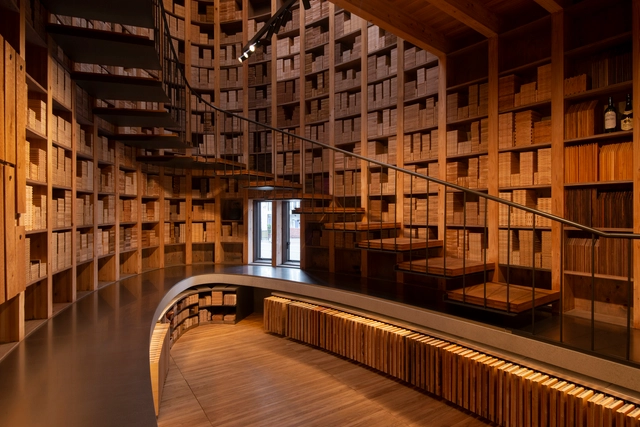
When creating exhibition spaces, the design of the experience, the proposed route, and the transmission of certain perceptions and senses contribute to establishing different bonds and connections between the displayed objects and their visitors. Understanding a showroom as a space designed to creatively and experientially showcase products and services, what design strategies could enhance users’ interior experiences? How does interior design engage in dialogue with exhibition architecture?



https://www.archdaily.com/1030031/exploring-showroom-interiors-the-art-of-displaying-materials-furniture-and-design-objectsAgustina Iñiguez