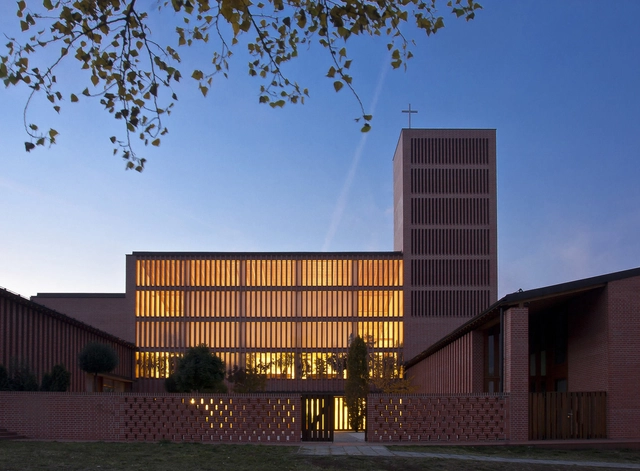
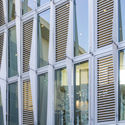
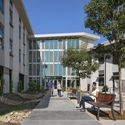
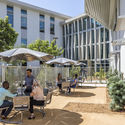
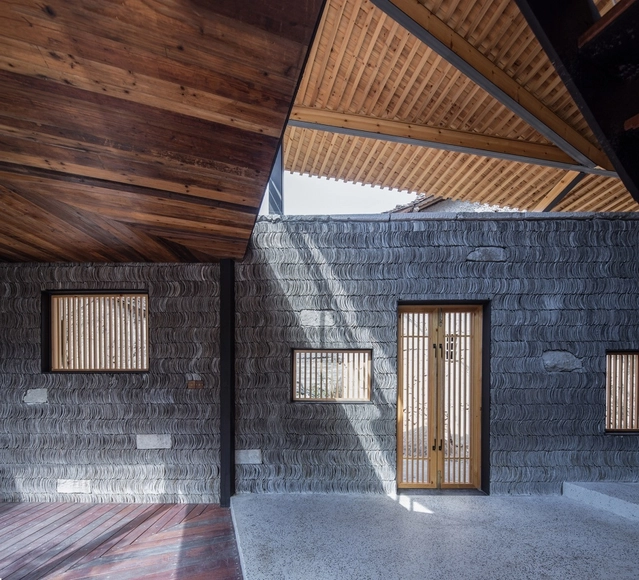
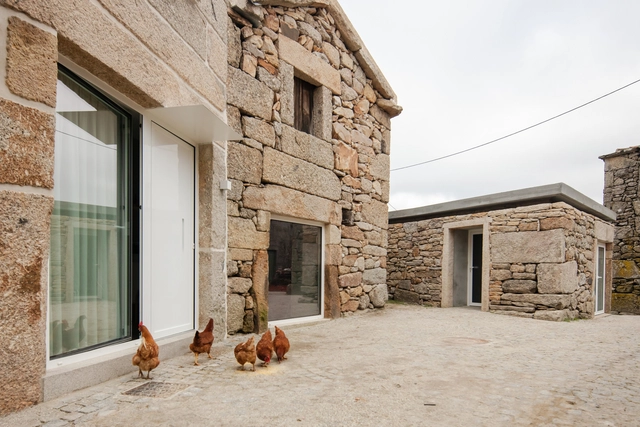
Stone is known to be a versatile, sturdy, inexpensive and long-lasting material, and has been used in traditional construction systems worldwide for a long time. Its practicality, neutrality, and availability in certain regions are some of its defining traits which, combined with its visual appeal, can contribute to its use in contemporary architectural projects.
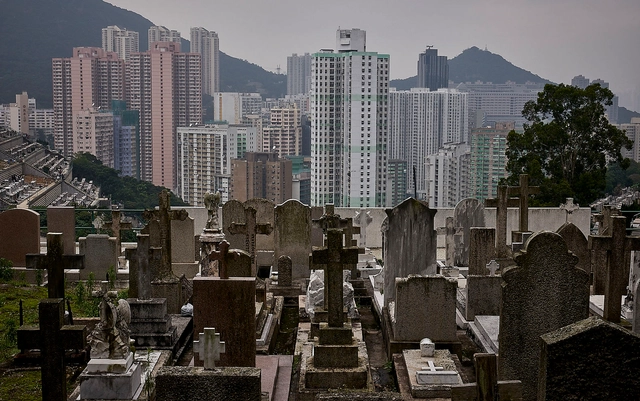
In some of the most dense cities around the world, it’s becoming an increasing challenge to find a comfortable space to live- and similar for when you die, too. It’s estimated that 55 million people pass away each year, and for every one living person today, there are 15 times the number of deceased. Yet urban planners and architectural developers are more interested in dealing with the living than dabbling in the business of death. As a result, it’s created tension in the two parallel worlds- and as time goes on, more questions are being raised about how we address public space that can be designed so that both the living and the dead can coexist.
To celebrate World Photography Day, we've gathered a list of 10 BIPOC architectural photographers from around the world who are worth knowing - and following on Instagram.
The following names have also been recognized in two open lists that are constantly being updated in order to promote diversity in the photography industry: Diversify Photo and BIPOC STUDIOS. The idea behind these platforms is to allow Architects, Designers, Creative Directors, and art consumers in general, to discover photographers that identify themselves as Black, Indigenous, People of Color, available for assignments and commissions.
Public space has always been a top priority in every city’s urban planning agenda and given today’s world context, these urban spaces have emerged as fundamental elements of cities and neighborhoods. Plazas, squares, and parks, undeniable necessities in the urban fabric, have become, today, more vital than ever.
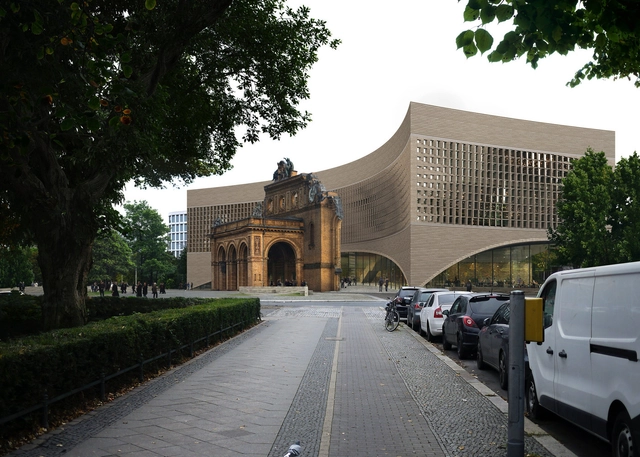
Dorte Mandrup has won the international competition to design the new Exile Museum (Exilmuseum) in Berlin. Located adjacent to the ruins of the historic railway station Anhalter Bahnhof, the museum will tell the stories of those who fled during the Nazi regime and look to today's present displaced populations. The studio’s proposal reinterprets the portico ruins on Askanischer Platz, together a monument and symbol of those driven into exile during the Second World War.
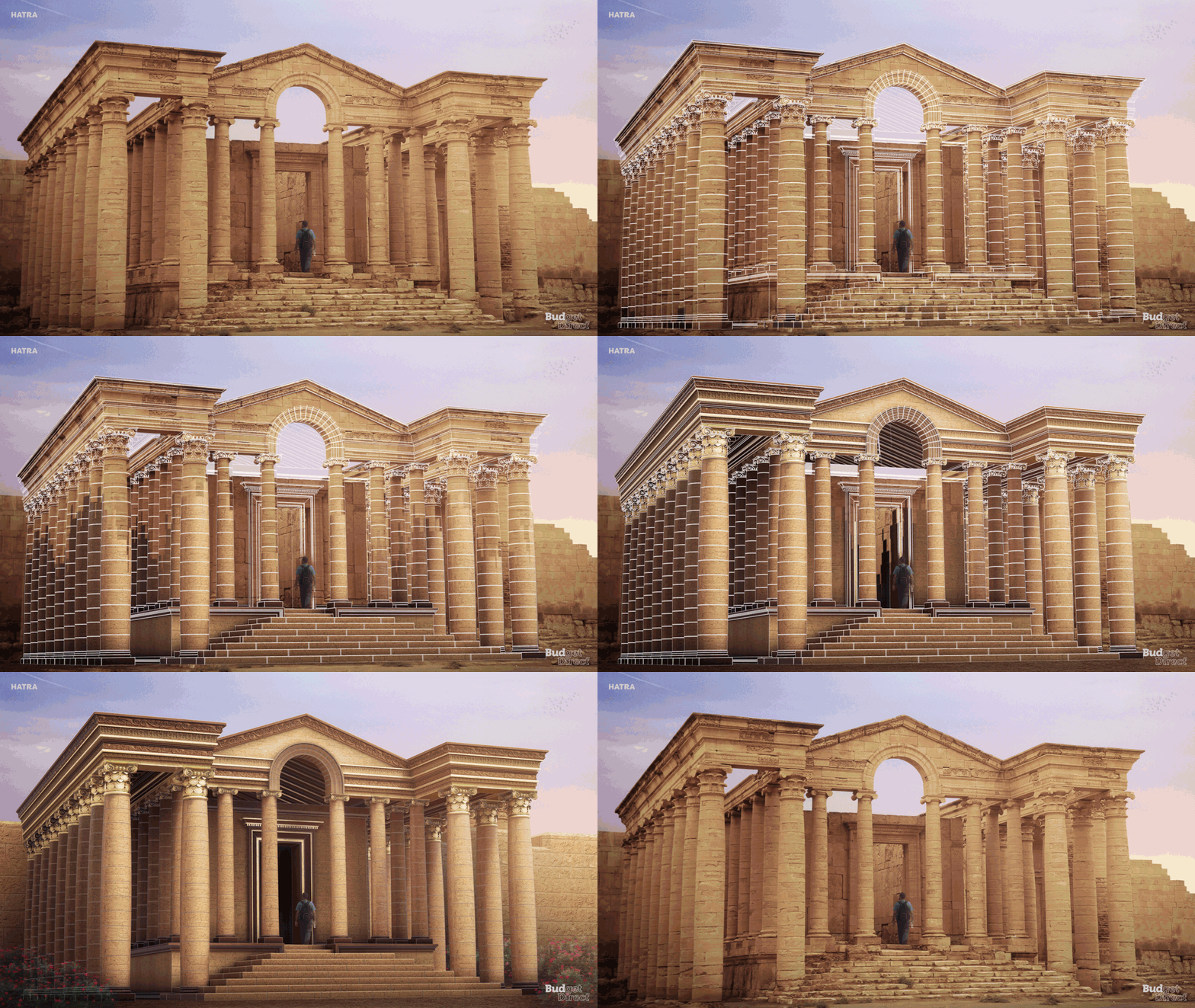
Budget Direct and NeoMam Studios, a creative studio based in the UK, have created a series of animated gifs restoring 6 UNESCO cultural sites and showcasing how these ruins would have looked like if they had been preserved. Bringing to life endangered sites, the project includes the recently destroyed ruins of Palmyra in Syria and Hatra in Iraq, demolished by ISIS in 2015.
Hungarian architect Tamás Nagy, Head of the department of architecture at the Moholy-Nagy University of Art and Design, has passed away at 69 years old. Born in Csorna in 1951, he worked as an architect in Budapest and New York before establishing his own architectural office. In this tribute, architect Steven Holl remembers the work and life of Tamás.
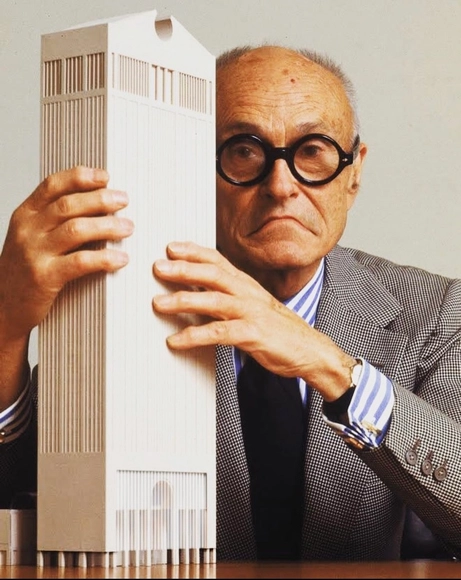
Apart from dressing like an undertaker, wearing black-rimmed circular glasses, and driving Swedish cars, modern architects’ most conspicuous trait is their aesthetic honesty, which is dangerous. Sincerity leaves little room for imagination.
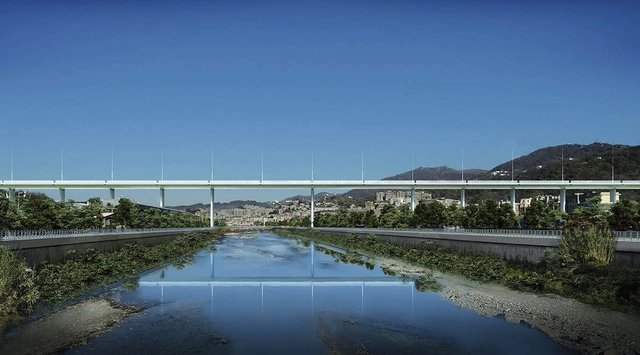
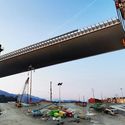
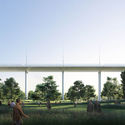
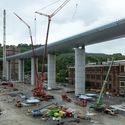
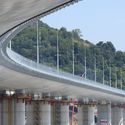
Designed by Renzo Piano, Genova San Giorgio, the new viaduct over the Polcevera has been inaugurated. Created after the tragic collapse of the Morandi Bridge in 2018, the new bridge in place will be open to traffic starting August 5, 2020.
In the 20th Century, New York City became an epicenter of newly constructed buildings that quickly gained an iconic status. While they greatly influenced new ways that we think about aesthetics and space, many of them met their demise less than 60 years after their commissioning. It seems that in the modern age of mass development, and where a wrecking ball symbolizes progress forward, no building is safe. The tenacity to tear down even these structures deemed to be culturally significant speaks to how architects are quick to dismiss ideas about how long we plan for buildings to live and how we decide when its time for them to come down.
When Jane Jacobs famously said, “Cities have the capability of providing something for everybody, only because, and only when, they are created by everybody,” she might as well have been foreshadowing the successful partnership formed between SHoP Architects, James Corner Field Operations, and Two Trees Management. The team, who collaborated on the 11-acre Domino Park master plan in Williamsburg, Brooklyn, has been hailed for creating a benchmark standard in perfecting the process for designing and understanding what it means to maintain a park that actively participates in a two-way dialogue with the community.
Architecture is grounded in optimism and a belief in what lies ahead. Building a body of work around this idea, architect and author Lance Hosey serves as a Design Principal and Chief Impact Officer at HMC Architects. A Fellow of both the American Institute of Architects and the US Green Building Council, Hosey is working to champion more sustainable design strategies and reconsider how architecture is practiced.
Constrained by a lack of transportation and resources, vernacular architecture has started adapting the distinct strategy of utilizing local materials. By analyzing projects which have successfully incorporated these features into their design, this article gives an overview of how traditional materials, such as tiles, metal, rocks, bamboo, wooden sticks, timber, rammed earth and bricks are being transformed through vernacular architecture in China.
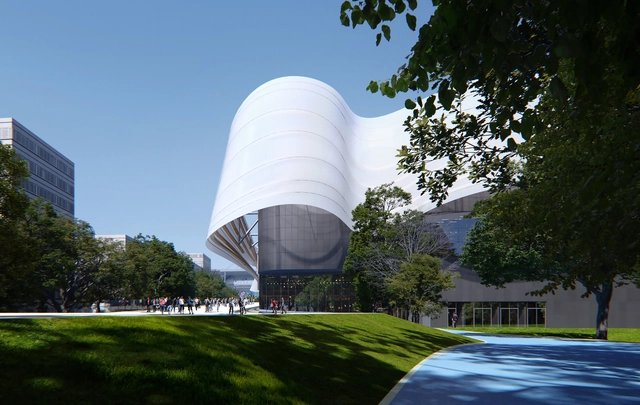
MAD Architects has revealed its design proposal for the Aquatic Centre for the Paris 2024 Olympics. Envisioning the sports facility as an urban public artwork, showcasing the beauty and hope of Paris, the proposal was created in collaboration with three French architectural studios, Jacques Rougerie Architecture, Atelier Phileas Architecture, and Apma Architecture.
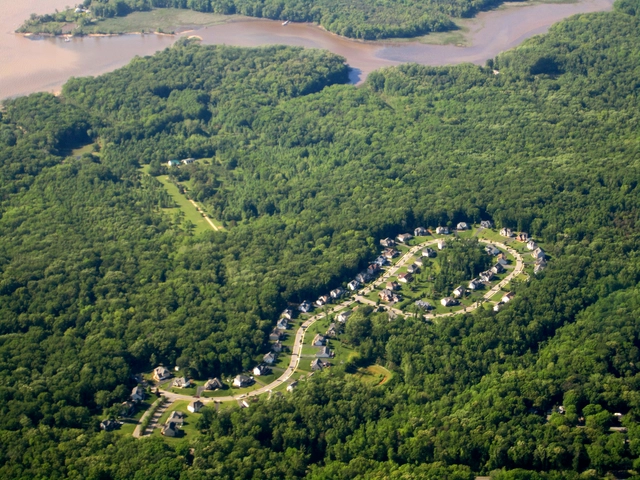
Suburban expansion into remnant habitat / La Citta Vita, via Flickr, licensed under CC BY-SA 2.0
The export of American culture is one of the most influential forces in our interconnected world. From Dakar to Delhi, American pop music, movies, and artery-clogging cuisine are ubiquitous. However, one of the most damaging exports is the American suburb. When the 20th century model for housing the swelling populations of Long Island and Los Angeles translates to 21st century Kinshasa and Kuala Lumpur, the American way of life may very well be our downfall.
https://www.archdaily.com/943939/suburban-sprawl-increases-the-risk-of-future-pandemicsMichael Grove
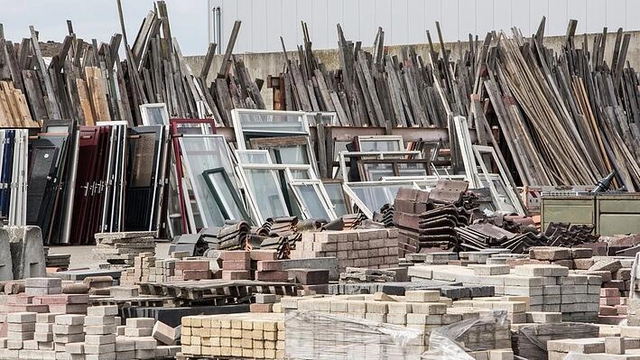
Stockyard of recycled building materials waiting for reuse . Image Courtesy of NY Engineers
“Out with the old and in with the new,”....or so they say. In the United States, a cloud of dust and debris paired with a wrecking ball and bulldozer tends to represent signs of forward progress, innovation, economic activity, and the hope for a better future through architectural design.
The Manifesto of Futurism, written by Italian poet Filippo Tommaso Marinetti in 1909, was the rallying cry for the avant-garde movement driven by the writers, musicians, artists, and even architects (among them Antonio Sant'Elia) in the early 20th century. After the manifesto's publication, Futurism quickly came to the forefront of public conscience and opened the way for many other cutting edge movements in the art world and beyond.
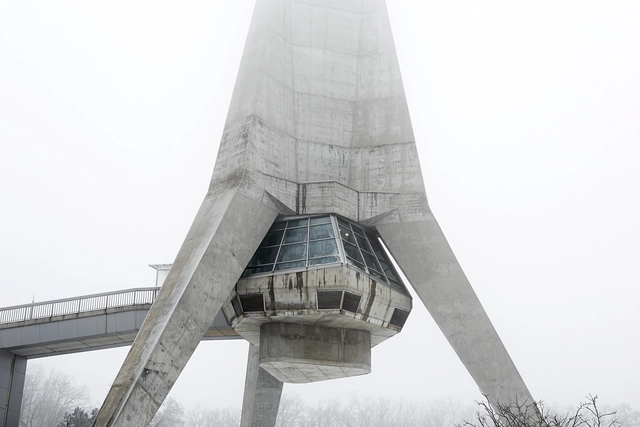
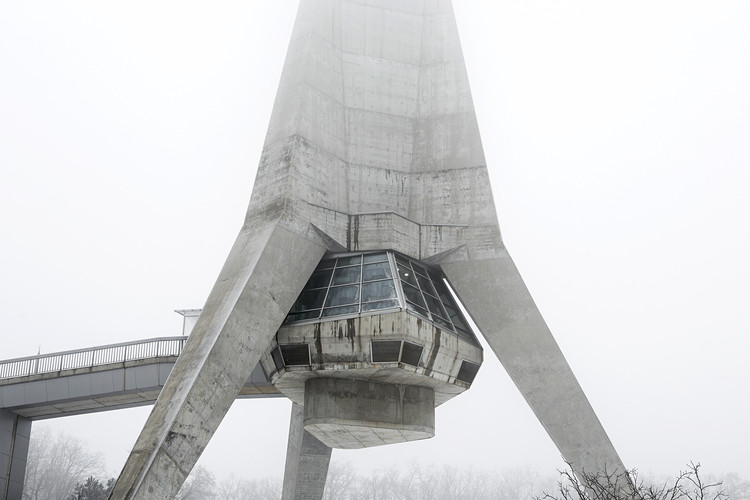
While the movement would undergo a significant decline in the years following World War II, it reinvented itself decades later during the Space Age, when faith in technology and industry were at a fever-pitch and the world's powers were racing to put humans on the Moon. All of a sudden, humanity had a new cultural panorama that inspired every facet of society--from musicians, to scientists, to architects. With the combination of engineering and art, not to mention the bountiful scientific achievements of the time, works of architecture turned into works of science fiction.


_Daria_Scagliola.jpg?1596665845&format=webp&width=640&height=580)
_Del_Rio_Bani.jpg?1596667310 "© Del Rio Bani")
_Evgeny_Evgrafov_02.jpg?1596665789 "© Evgeny Evgrafov")
_Norbert_Tukaj.jpg?1596666158 "© Norbert Tukaj")
_Chao_Zhang.jpg?1596666402 "© Chao Zhang")
_Daria_Scagliola.jpg?1596665845)