The Battle of Ideas is an annual, weekend-long series of panel discussions hosted at the Barbican in London, ranging across subjects from neuroscience to music and everything in between. With a strong thread of architecture and urbanism, this year offered a spectacular chance to probe the popular trends and fads in today's design culture.
Read on after the break for the highlights of the event.
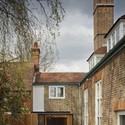
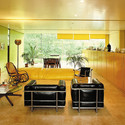
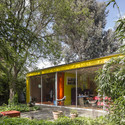
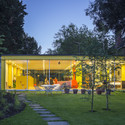
The Rogers House, designed by Richard and Su Rogers in 1968, is one of the lesser known architectural works from the master who went on to design the Centre Pompidou in Paris with Renzo Piano. The house, which represented British Architecture at the 1967 Paris Biennale, was commissioned by Rogers' parents and was granted Grade II* Listing in February 2013 - a rare accolade for a building so recent - cementing its importance in the architectural heritage of the United Kingdom.
Described by Rogers as "the most successful small project I've been involved in", the house carefully balances the openness of shear glass facades with the need to provide his parents with privacy and seclusion - a task made harder by the building's location, just a short walk from Wimbledon Village in central London. Incorporated within the design is a separate flat and pottery studio which were positioned to provide a sound barrier between the house of the adjacent road. It is, essentially, "a transparent tube with solid boundary walls".
Videos
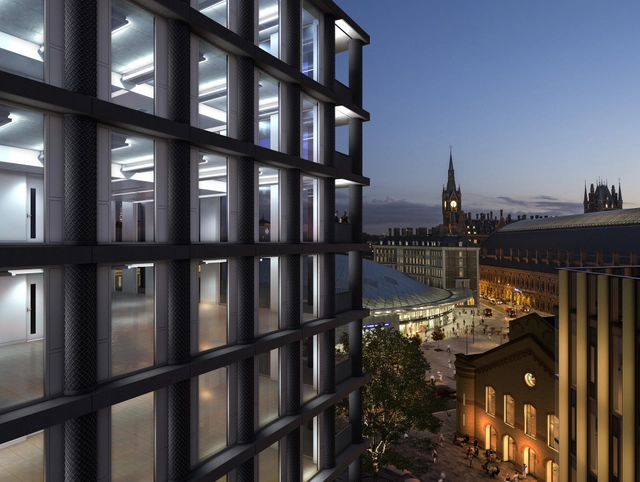
Battle Bridge Place. Image Courtesy of Gridiron / King's Cross Central Limited Partnership
London's King's Cross has seen a surge of redevelopment in recent years, the most iconic of which - John McAslan + Partner's new concourse for King's Cross Station - was completed last year. The area has also been defined by the new Central Saint Martin's campus, designed by Stirling Prize winner Stanton Williams, and Google's new London headquarters. Plans have now been unveiled for Gridiron (One St. Pancras Square), a 50,000 square foot office building nestled between St. Pancras International and King's Cross Stations, designed by David Chipperfield Architects and set for completion in the first half of 2014.
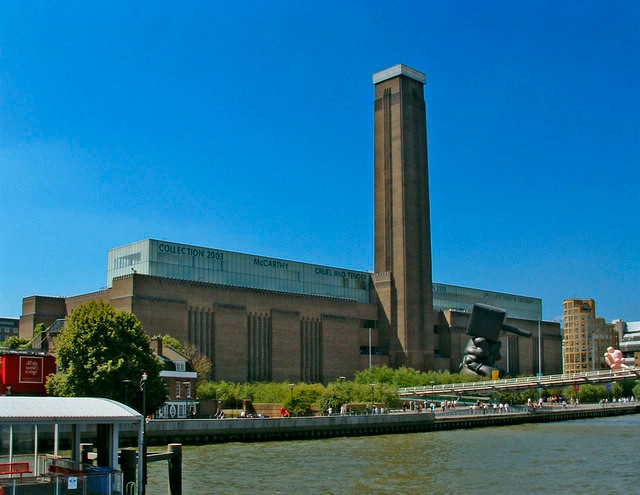
London’s Bankside Power Station stood disused from 1981 until 2000, when it opened to the public as The Tate Modern. Swiss architects Herzog & de Meuron approached the conversion with a relatively light hand, creating a contemporary public space without diminishing the building's historical presence. The impressive cultural icon has since become the most visited museum of modern art in the world, revitalizing its formerly sequestered, industrial neighborhood.
A large scale architectural installation, informative exhibition and free two day conference will take place at The Building Centre WC1 during the 2013 London Design Festival to launch a four year study into the effects of natural light.
A typical new home in the UK has an average of only 12% of the walls glazed. Natural light in the home and workplace can reduce energy costs and improve health and wellbeing, so why do we have so little natural light in our buildings?
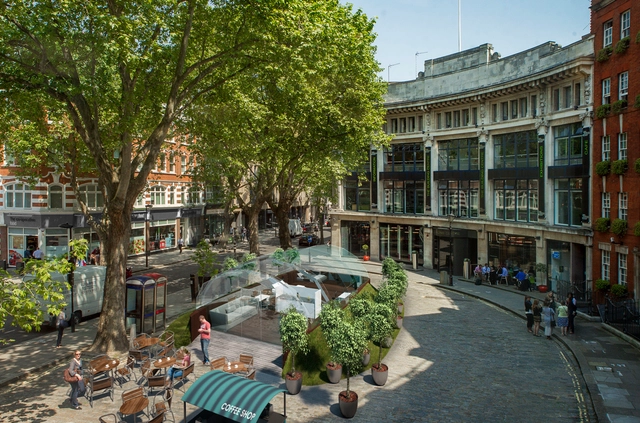
The Photon Project is a major four-year scientific study to investigate the impact of natural light on biology and wellbeing. To launch the project a prototype fully-glazed ‘Photon Pod’ will be built in Central London, complete with seating and landscaping. The installation and exhibition will be in place during the London Design Festival (14 – 22 September). During this week the public are invited to experience ‘life under glass’ and take part in simple scientific tests, designed specifically for the event by Harvard University to test the effects of daylight on the human body.
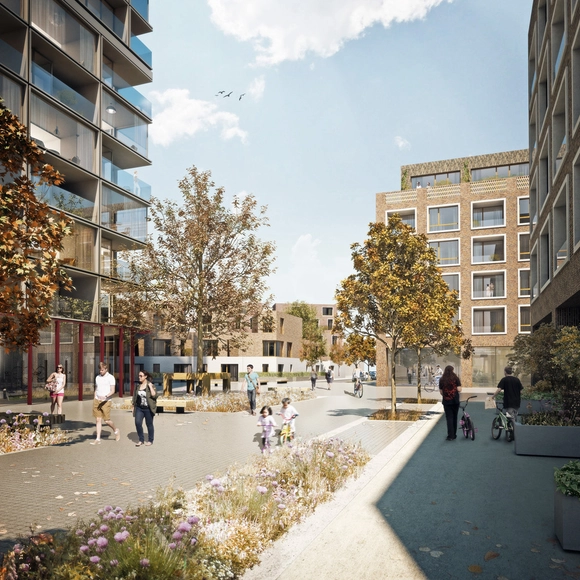
Hawkins\Brown, with Mae Architects and Grant Associates, have been appointed by London Borough of Camden to develop proposals in collaboration with residents for the potential redevelopment of the Agar Grove Estate, a major housing regeneration project for London with an estimated construction value of £55 million. The current proposal being developed includes the demolition of 112 homes and the provision of around 360 new homes, bringing the total number of homes to around 500. A range of unit types has been introduced including family terrace housing and maisonettes with gardens, as well as lateral flats with balconies. More images and architects' description after the break.
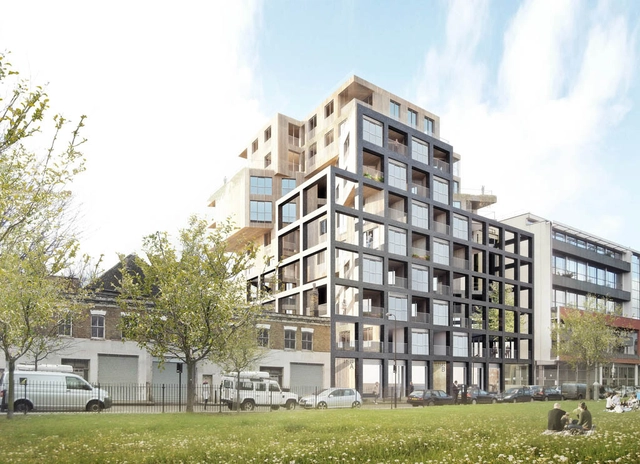
Award-winning architectural practice Hawkins\Brown Architects, with Regal Homes, have just received planning permission from the London Borough of Hackney for their design of a new 6,750 sqm mixed-use development located on Wenlock Road. Situated within the Regents Canal Conservation Area, their proposal has a unique cruciform plan which not only gives the development a unique residential experience, but results in a dynamic form when seen from the Regent's Canal. More images and architects' description after the break.






















DanielStier.jpg?1379459083)
NickKane.jpg?1379459092 "© Nick Kane")
NickKane.jpg?1379459109 "© Nick Kane")
NickKane.jpg?1379459215 "© Nick Kane")
NickKane.jpg?1379459279 "© Nick Kane")
DanielStier.jpg?1379459083)