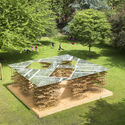
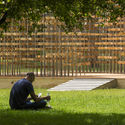
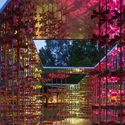
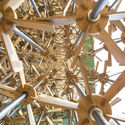
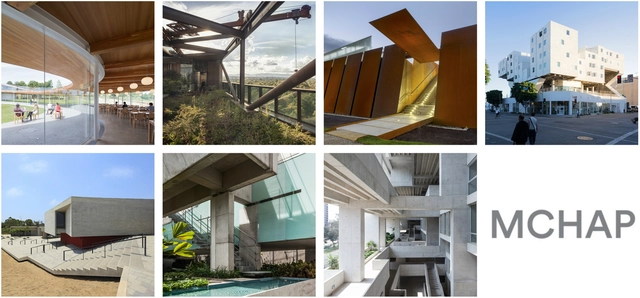
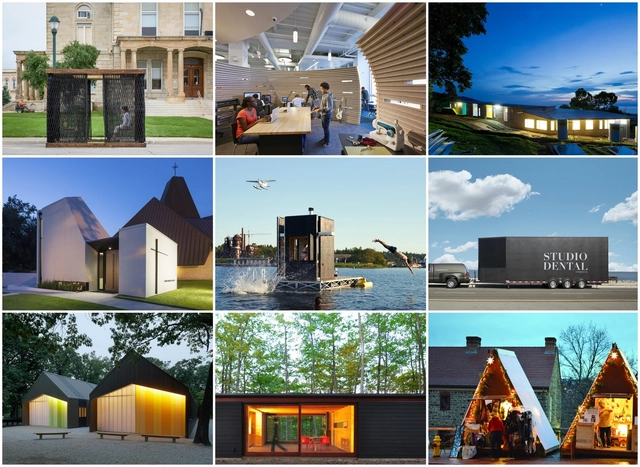
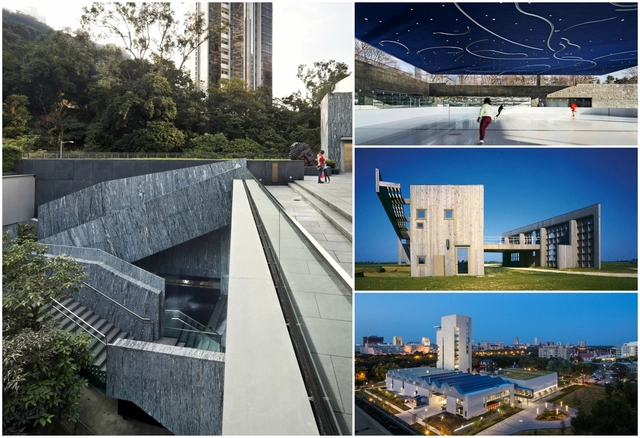
The American Institute of Architects (AIA) has selected seven recipients of the 2016 Small Project Awards. This is the 13th edition of the program, which was established to recognize firms for their excellence in small-project design. This year the winners have been placed into two categories: Category 1, which awards “a small project construction, object, work of environmental art or architectural design element up to $150,000 in construction cost,” and Category 2, given to “A small project construction, up to $1,500,000 in construction cost.”
This year’s winners include a wide variety of program types and sites. Continue after the break for the list and descriptions of the projects.
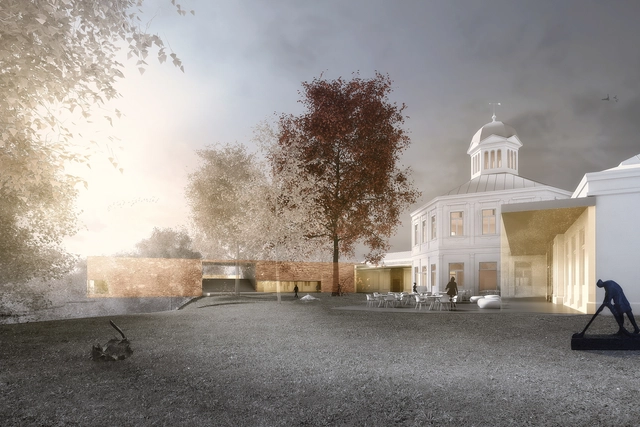
Dutch firm Benthem Crouwel Architects have won a competition to renovate and expand Museum Arnhem, a museum located in Arnhem, Netherlands housing a collection of modern and contemporary art. The winning proposal was selected by the jury from its “clarity and simplicity, the preservation of the centuries-old lateral moraine, and the brilliant idea of incorporating a publicly open veranda into the new extension.”
London-based Gilles Retsin Architecture has unveiled its entry for the Suncheon Art Platform competition, an arts center formed by a low, horizontal structure that frames a series of courtyards and squares in Suncheon, Korea.
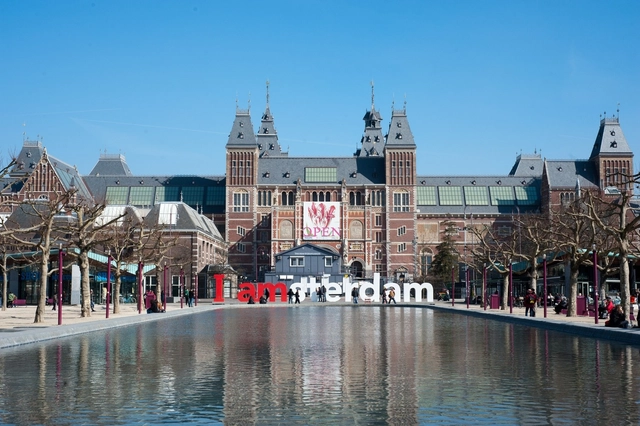
The Rijksmuseum, one of the largest museums in Europe dedicated to arts and history, made 250,000 works from its huge collection available for free online viewing or download.
During the golden age of sailing ships (roughly between 1584 and 1702), when Dutch ships dominated the trade routes of the world, the Netherlands became the first capitalist power in the west. The growing bourgeoisie class demanded a vast production of portraits and paintings, which enhanced trade, promoted the sciences and especially stimulated the arts. Few countries have such great quality artistic productions such as the Netherlands from that time.
"Making Heimat. Germany, Arrival Country" is a response to the fact that over a million refugees arrived in Germany during 2015. The expectations for 2016 are similar. The need for housing is urgent, but just as urgent is the need for new ideas and reliable approaches to integration. The exhibition therefore consists of three parts: the first part surveys physical refugee shelters - the actual solutions that have been built to cope with the acute need. The second part seeks to define the conditions that must be present in an Arrival City in order to turn refugees into immigrants. The third part of the exhibition is the spatial design concept of the German Pavilion, which will make a statement about the contemporary political situation. Something Fantastic will plan and stage the architectural presentation and graphic design.
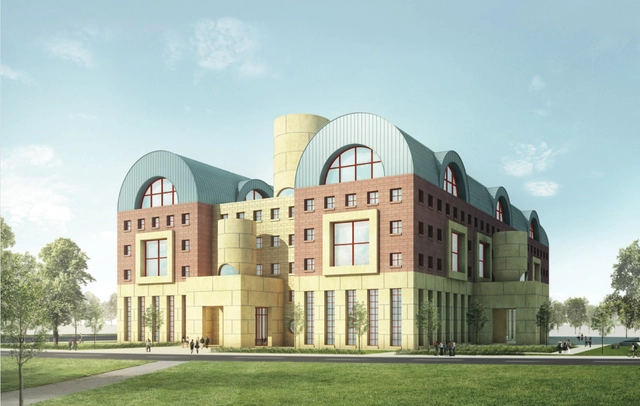
The residence belonging to famed Postmodernist architect Michael Graves will be sold to Kean University, home to the new Michael Graves College for architecture and design, after receiving approval from its board of trustees. Following Graves’s death last year, the architect’s will stipulated that the residence, his studio, another property were to be donated to Princeton University, Graves’s neighbor and longtime employer. But Princeton University felt the buildings would be better served in another capacity and rejected the gift, allowing Kean to step in.
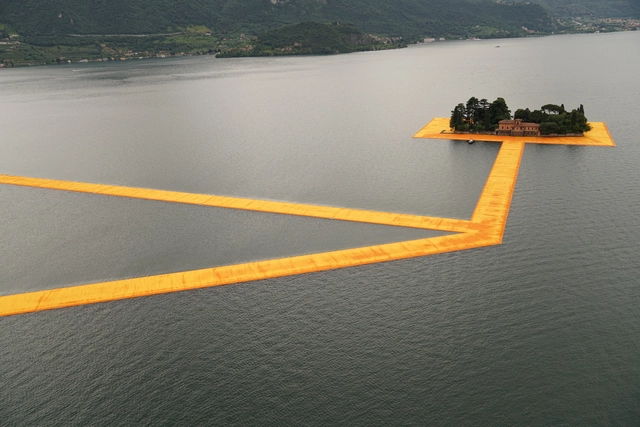
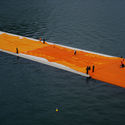
Until July 3rd, you can experience the latest and last work of artist duo Christo and Jean-Claude. Called The Floating Piers, the floating dock extends over the water of Italy's Lake Iseo.
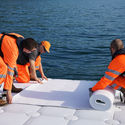
The work consists of a three kilometer walkway wrapped in 100,000 square meters of yellow cloth, which is supported by a floating dock system composed of 220,000 high-density polyethylene cubes. These elements naturally undulate with the movement of the waves at Lake Iseo, which is located 100 kilometers east of Milan and 200 kilometers west of Venice. The floating yellow roads extend from the pedestrian streets of Sulzano, connecting the islands of San Paolo and Monte Isola.
The Floating Piers is the first large-scale work of Christo for more than a decade after making The Gates in 2005 with Jeanne-Claude, who passed away four years later. Due to the importance of Christo and Jeanne-Claude's work and the inspiration they have given to many architects, we wanted to investigate the process of building this spectacular project, which makes the dream of walking on water a reality.
The Walmart Supercenter is generally considered one of the great antagonists of architecture around the world – the hulking behemoth who sold its integrity for the consumer convenience of having everything in one place. Though the first Walmart Supercenter didn’t open until 1988, big box stores have existed in some form since the 1960s, luring in shoppers with low prices and curbside loading lanes. For all the user psychology design that goes into them, the original designs of these buildings rarely pay much mind to their architectural or urban consequences, excluding a few notable exceptions.
Regardless, for the past 20 years big box stores have continued to prosper, prompting tenants to leave their homes and move on to even larger structures, leaving behind giant, open frameworks – for sale on the cheap. In a recent essay for 99% Invisible entitled Ghost Boxes: Reusing Abandoned Big-Box Superstores Across America, author Kurt Kohlstedt explores the architectural potential of these megastructures, drawing inspiration from the architects and communities that have successfully converted them into valuable assets.
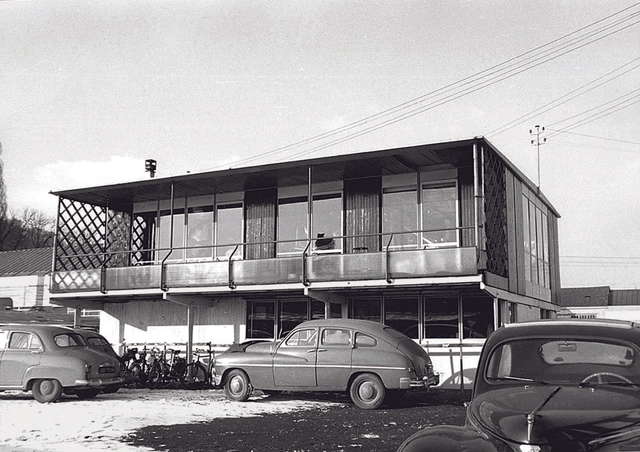
In 2015, Galerie Patrick Seguin disassembled and restored Jean Prouvé's "Maxéville Design Office," a 10x12 meter demountable house, which until that point had only been assembled once since its conception in 1948. The building withstood a colorful history in an industrial site, and presents a rare early example of successful prefabrication. The concept -- and specifically, Prouvé's work -- has gained popularity again in recent years, and Galerie Patrick Seguin presented the historic office to the public again as part of Design Miami/ Basel 2016.
Found in places as diverse as the Zhangjiajie Grand Canyon, Willis Tower, and Tokyo Skytree, glass bottom observation decks have become the favorite engineering marvel of thrill seekers looking for a new perspective on the world. Now, the U.S. Bank Tower in downtown Los Angeles has upped the ante for adrenaline-spiking structures – affixing a glass side to the building’s facade. Spanning from a window on the 70th story to a terrace on the 69th, the 45-foot-long chute opened to the public on Saturday, providing those brave enough to ride it with unprecedented views of the city.
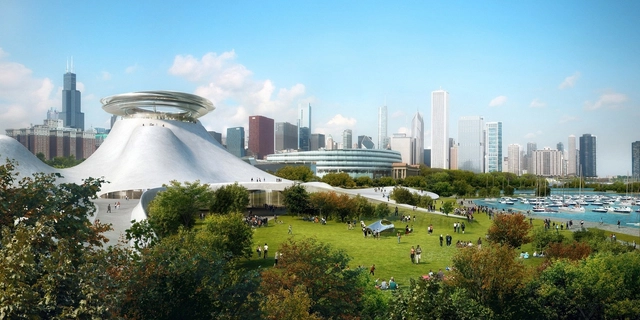
The Lucas Museum has been looking for a home in all the wrong places. Following months of fiery debate over the future of the museum’s proposed lakefront location, George Lucas announced that he is abandoning plans to build the project in Chicago and will instead return to looking for a site in California. This is the second failed location for the museum, after being rejected by San Francisco’s Presidio Trust in early 2014.
A new fencing system uses the same tried and tested hardware as a standard sliding gate, but with a twist; the vertically operable slats sink into the ground in less than five seconds, disappearing completely. The Fancy Fence was created to streamline accessibility, while also improving the visual bulk of traditional fences by removing all horizontal elements. The system can be installed in an infinite number of configurations and incorporates elegantly designed fixed slats, the retractable gate and an "invisible" walkway gate.
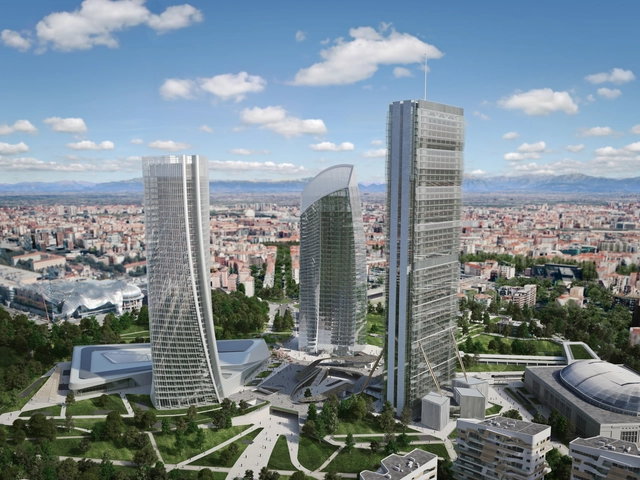
Zaha Hadid Architects’ (ZHA) 170-meter-tall Generali Tower has topped out at 44 stories in Milan, Italy. The Generali Tower, along with two other towers, forms the centerpiece for the CityLife masterplan to revitalize the old site of Milan’s International Fair, which closed in 2005.
Through the redevelopment, which began in 2004, the site will be open “to year-round public use, with the inclusion of new civic spaces, public parks, and residential buildings, in addition to shopping areas and corporate offices, all with direct transport connections via the Tre Torri station on the line 5 of the city’s metro system.”
Last month, the eleventh edition of the Moscow Urban Forum released the topic of the 2016 forum: "Fast-Growing Megacities: Technologies for Dynamic Development." The forum will seek to answer the following questions: Why is it so important to discuss growth and development of megacities at this time? What are the rules that determine their existence? With three days to go, organizers have announced this year’s program.
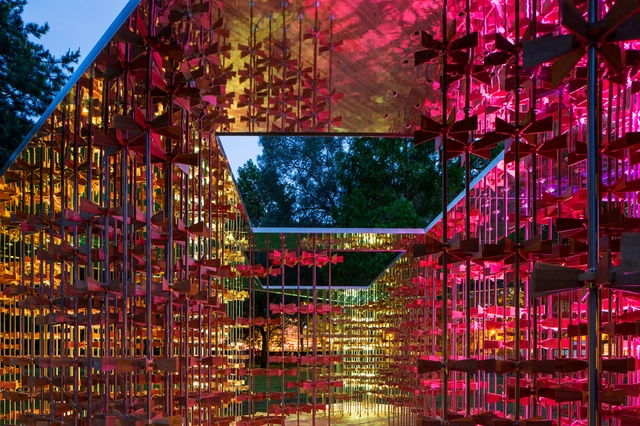
This week, Museum Gardens became the host to the annual Triumph Pavilion, this year focusing on the concept of "energy." Five Line Projects' aptly titled "Energy Pavilion" takes a multi-faceted approach to the theme, addressing social sustainability, movement and the power of community. The pavilion presents a playful meeting place, designed to explore the impact of a single positive action on its surroundings.
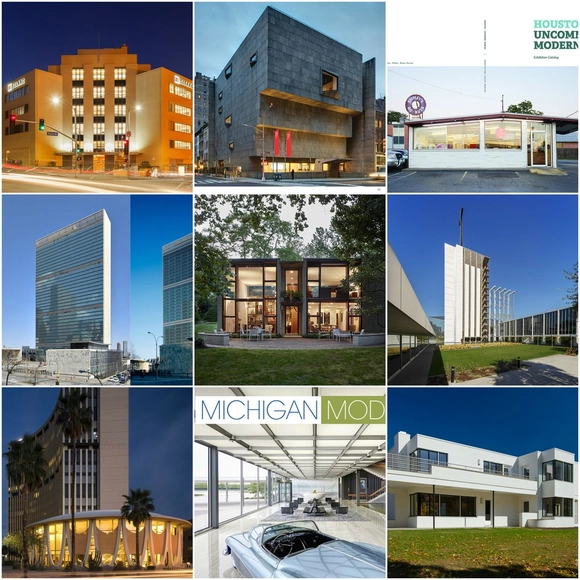
Docomomo US has announced the winners of its 2016 Modernism in America Awards, which honor projects around the country that highlight and advocate for the restoration of postwar architecture and landscapes.
The Modernism in America Awards is the only national program that celebrates "the people and projects working to preserve, restore and rehabilitate our modern heritage sensitively and productively. The program seeks to advance those preservation efforts; to increase appreciation for the period and to raise awareness of the on-going threats against modern architecture and design."
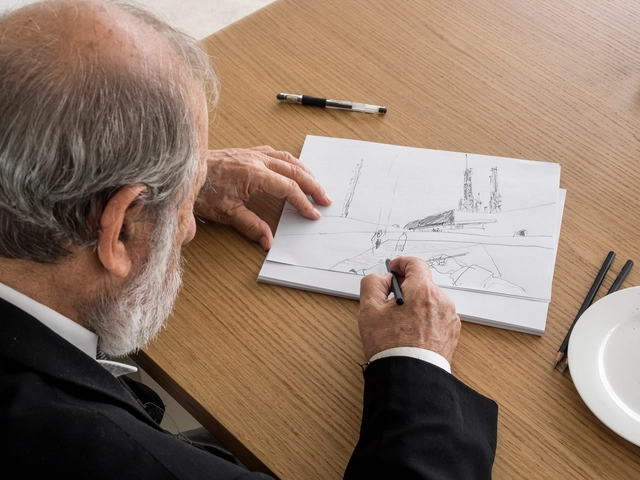
Today, one of the most recognized and respected architects in the world turns 83: Álvaro Siza Vieira. Awarded the Pritzker Prize in 1992, the Portuguese architect charmed the jury at the time, who explained their choice by saying: “his forms, shaped by light, appear deceptively simple, they are honest.”
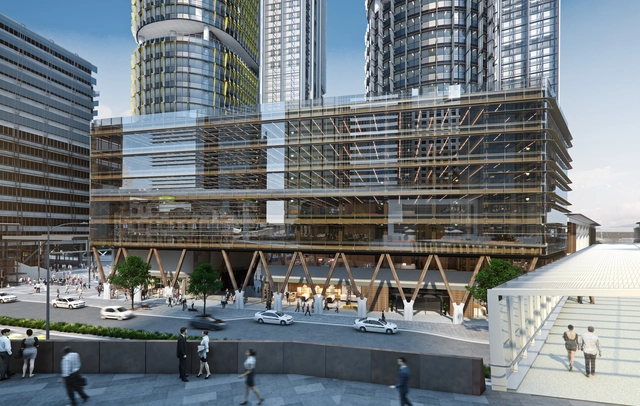
View from Hickson Road pedestrian bridge. Image Courtesy of Tzannes
Adding to the growing trend of timber-framed architecture, Tzannes has released plans for International House Sydney, the “first modern commercial engineered timber building of its size and type in Australia.” Located in the new urban district of Barangaroo, the building was conceived as a gateway to the area, linking pedestrian infrastructure systems and providing six floors of new commercial space.
In the latest edition of Section D, Monocle 24's weekly review of design, architecture and craft, Chiara Rimella reports from the Veneto in northern Italy for a report on the best at the 15th International Architecture Biennale – La Biennale di Venezia. Covering Aravena's central exhibitions, Reporting From the Front, and the designers and curators of the 61 national pavilions, the show seeks to understand how architecture can tackle some of the pressing social and political concerns of our time.
https://www.archdaily.com/790142/monocle-24-s-section-d-reports-from-2016-venice-biennaleAD Editorial Team
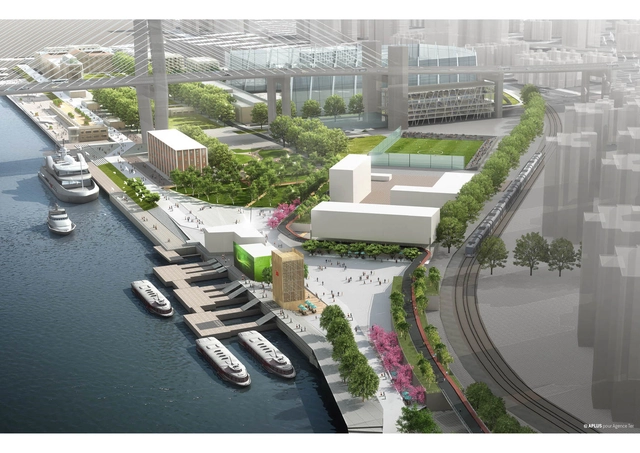
Agence Ter has won a competition to redesign the bank of the East Bund, adjacent to Pudong in Shanghai, reconstructing 21 kilometers of waterfront along the Huangpu River. Devising programmatic elements for five sections of the riverfront, Agence Ter hopes to inject a variety of functions into what is now an underutilized area. In the words of the designers, “The project redefines the space of the bank to create a living interface between neighborhoods and the river, a new width articulating soft transport, ecology, public spaces, activities and economy.”




.jpg?1467182432&format=webp&width=640&height=580)
.jpg?1464765319&format=webp&width=640&height=580)
.jpg?1464765813 "© Laurian Ghinitoiu")
.jpg?1464765878 "© Laurian Ghinitoiu")
.jpg?1464765694 "© Laurian Ghinitoiu")
.jpg?1464765337 "© Laurian Ghinitoiu")
.jpg?1464765319)


_12.jpg?1467207351&format=webp&width=640&height=580)