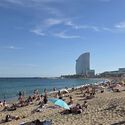
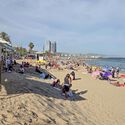
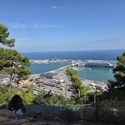
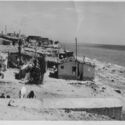
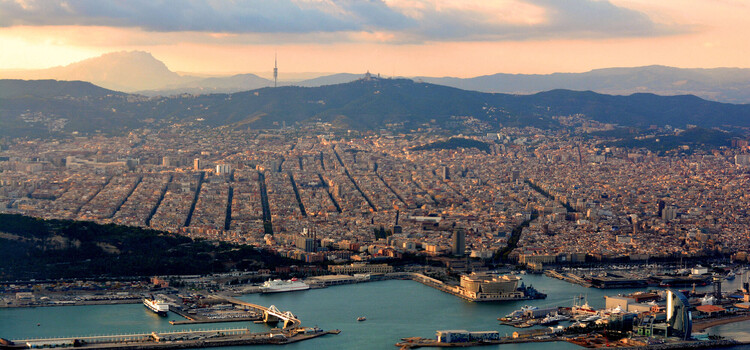
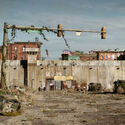
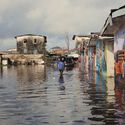
As one walks along the beachfront of Barcelona, the shoreline feels like it has always been there: sand, palm trees, a long promenade, restaurants, shops and modern hotels, when the reality is that it has not always been this way. Until the 1980s, Barcelona's seafront was a working barrier of railway lines, factories and informal housing, and wastewater ran straight into the Mediterranean. Starting in 1987, Barcelona has continuously created large promenades and passages between the city and the sea, creating an environment that today many might read as previously empty space, but is actually the result of decades of infrastructure and social complexity, along with a municipal effort to transform the city's territory and its relationship to the water. Following that transformation raises three questions that frame this article: who was displaced to open the waterfront, who governs it today, and who keeps it standing?