Zaickz - Francisco Mosqueda

BROWSE ALL FROM THIS PHOTOGRAPHER HERE

Beyond Emergency Shelters: Modular and Vernacular Architecture in Post-Earthquake Reconstruction

Subscriber Access | 
Audio available

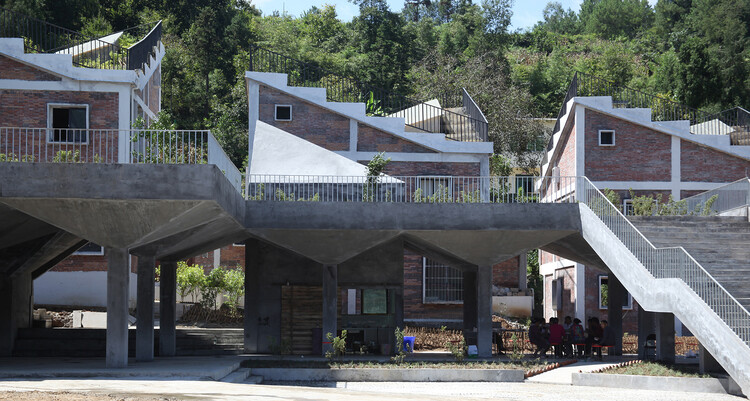
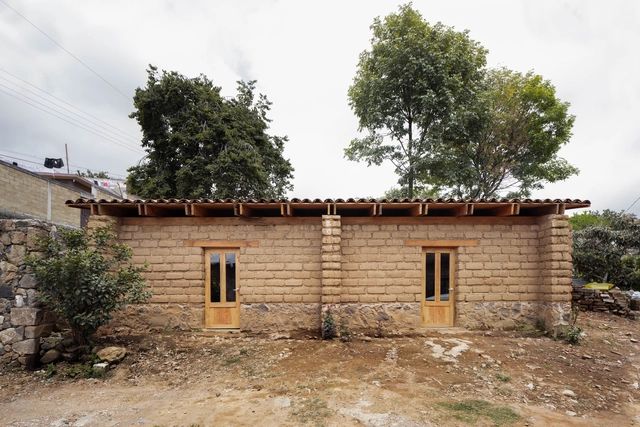
On June 24, 2026, a severe seismic event consisting of two major earthquakes with magnitudes of 7.2 and 7.5 struck north-central Venezuela just 39 seconds apart. The widespread destruction was concentrated along the country's northern coast, heavily impacting the capital city of Caracas and the neighboring state of La Guaira, where fragile urban infrastructure and vulnerable housing stock led to the collapse or severe damage of thousands of residential structures. This disaster mirrors previous devastating events observed during other major seismic events, including the 2008 Wenchuan earthquake and 2011 landslides in Sichuan, the 2014 Ludian earthquake in Yunnan, and the 2017 earthquake across central Mexico. When high-magnitude natural disasters damage entire communities, architects have the opportunity to help by proposing post-disaster architecture with strategic recovery models. Rather than relying on generic, standardized emergency shelters, conscious architectural design can deliver low-cost, rapidly deployable residential infrastructure that preserves human dignity through culturally contextual and dignified spaces.

Beyond Emergency Shelters: Modular and Vernacular Architecture in Post-Earthquake Reconstruction - More Images+ 3

Materials That Define the Contemporary Mexican Architectural Aesthetic

Subscriber Access | 

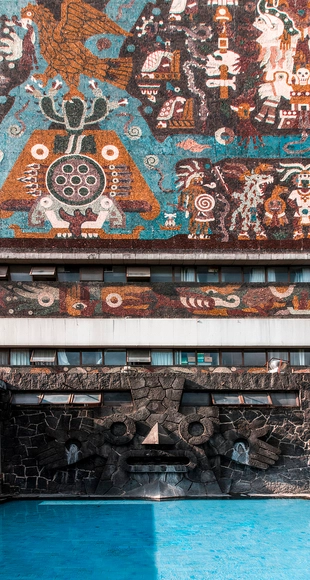
From the pre-Columbian period of the Americas –during which cultures such as the Olmec, Maya, Purepecha, and Mexica (Aztec) thrived– to the modern era where architecture has been influenced by social movements and even natural disasters, Mexican architecture showcases a valuable architectural expression, with its own unique voice and distinctive characteristics. Nobel Literature Laureate Octavio Paz argued that architecture is an incorruptible witness to history. Likewise, the materials used to shape it have acted as protagonists of that history, enduring in many cases over time and evolving thanks to the generations of architects who have contributed to it, from different perspectives.

To trace a timeline, it is possible to take as a starting point pre-Hispanic architecture, which exhibited a diversity of nuances due to Mexico's vast territorial extension. This allowed diverse cultures to find their niche and develop their characteristic architectural styles. Subsequently, the era of Spanish colonization, which itself drew influence from Islamic architecture, represented a noteworthy turning point in architectural development. This phase endured until the advent of Mexican Independence in the 19th century. In turn, this marked the initiation of social and cultural movements, both during and after the Mexican Revolution in the early 20th century.

Architecture in Mexico: Projects that Highlight the Morelos Territory

Subscriber Access | 

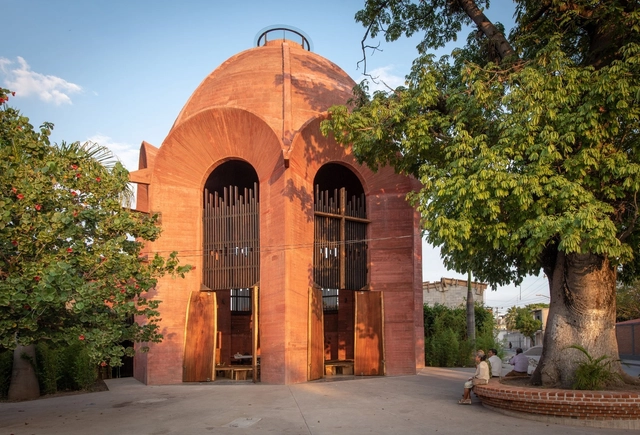
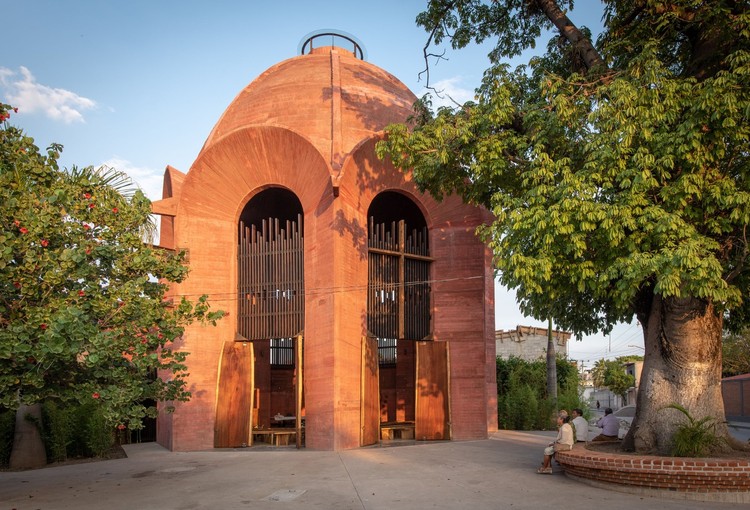
Architecture in Mexico: Projects that Highlight the Morelos Territory - More Images+ 23

Morelos is a state nestled in the south-central region of Mexico, surrounded by the states of Puebla, Guerrero, Estado de México, and Mexico City. With just over 4,893 km² of territory, it's Mexico's second smallest state. It's capital and largest city is Cuernavaca.

Casa Rosales / Israel Espin

Casa Rosales / Israel Espin - More Images+ 16

Heroica Puebla de Zaragoza, Mexico
  • Architects: Israel Espin
  • Area Area of this architecture project Area:  55
  • Year Completion year of this architecture project Year:  2018
  • Manufacturers Brands with products used in this architecture project
    Manufacturers:  Signify, Cementos Cruz Azul, Fanal, Imperquimia