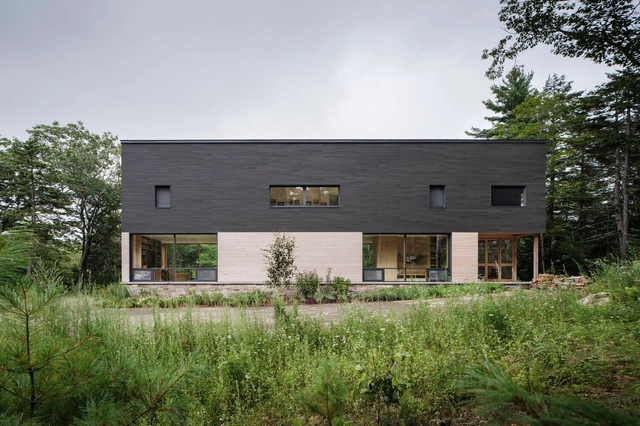


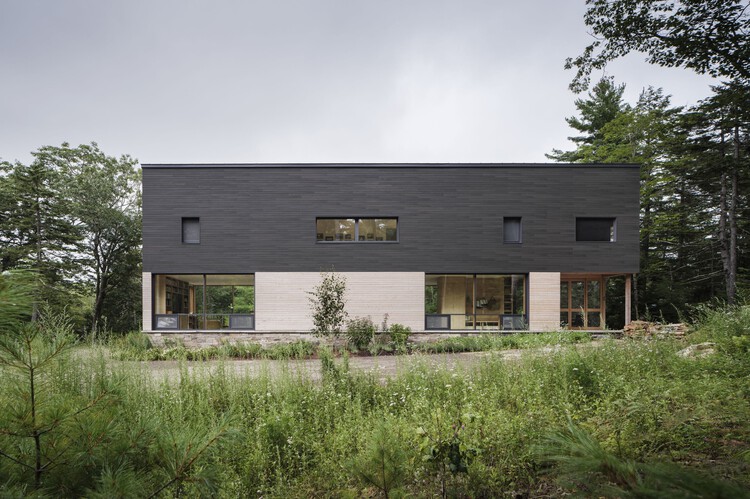
-
Architects: OPAL
- Area: 2520 ft²
- Year: 2025
-
Manufacturers: Unilux
-
Professionals: Taylor Made Builders, Albert Putnam Associates, Carol Gale Designs
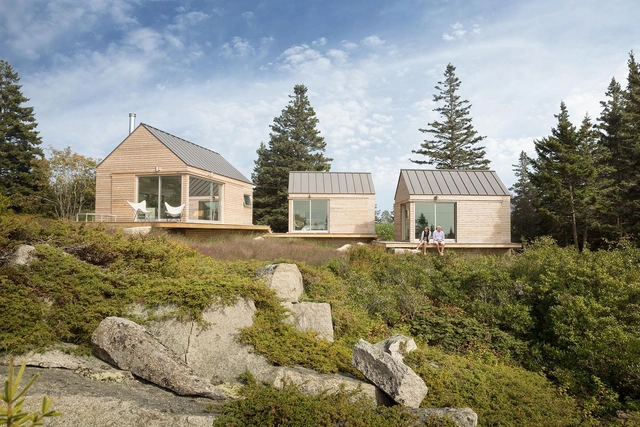
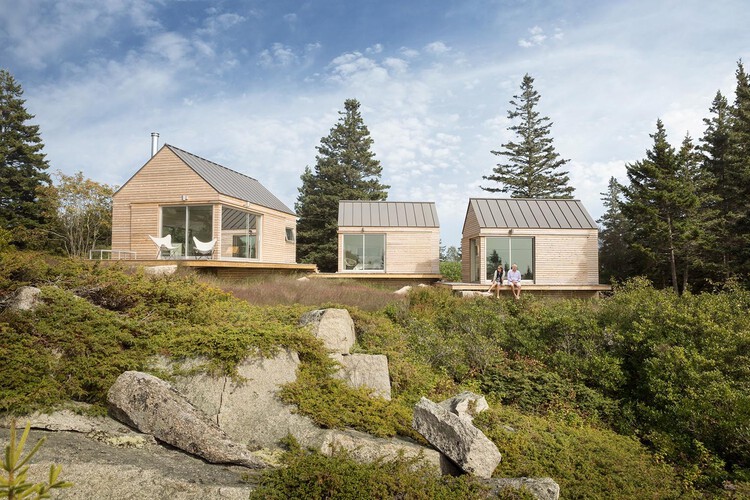
Spaces of hospitality are a mirror to how different cultures articulate generosity, care, belonging, and identity. In busy city settings, this is reflected in hotels, service systems, and curated amenities that directly shape the visitor experience. These spaces translate care into measurable forms, where success is correlated with efficiency, luxury, and brand identity.
In rural America, hospitality operates with a different logic. In these environments, care is grounded in labor and community, while directly responding to the specific ecological and cultural geographies. Distance, limited infrastructure, and close social networks demand forms of architecture that are flexible and self-sufficient. Designs respond to shifting weather, local materials, and a culture where support often begins with neighbors. In this landscape, architectural thresholds of hospitality emerge in responsive, yet unexpected, ways.
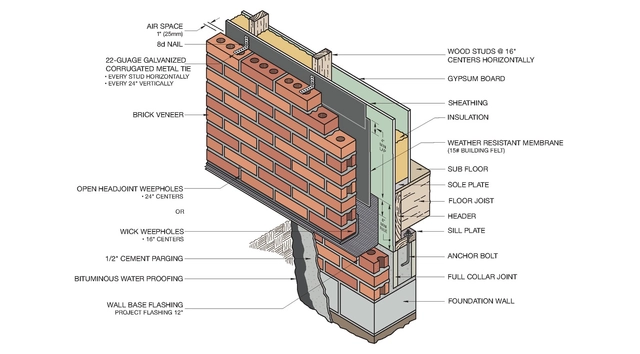
Traditionally, bricks have been used in architecture to fulfill a double function: structural and aesthetic. While they act as an effective and resistant modular solution in building structures, their faces can be exposed to constitute their architectural appearance, generating facades rich in texture and color, thanks to the iron present in the clay they are composed of.
At present, there are products that allow the attractive appearance of bricks to be merged with other structural systems, separating their functions and providing the necessary freedom of design so that the facades can adapt creatively in favor of the conditions of each project and the requirements of its users.