

-
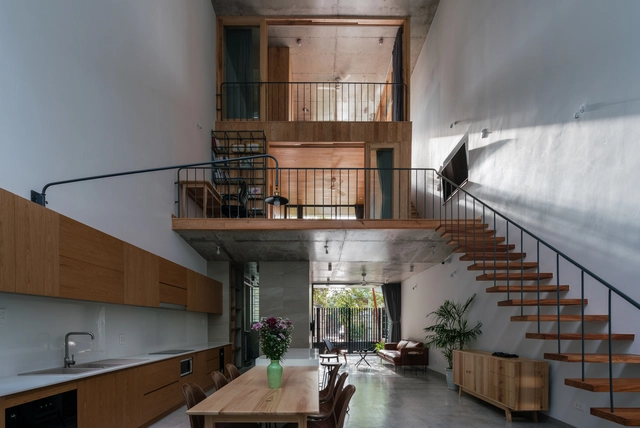
Architects: H.a
- Area: 170 m²
- Year: 2019
-
Manufacturers: Babakagu, D'furniture, Ori Lighting, Toto, Triquimex
-
Professionals: Minh Lam Coltd, Ori Lighting


.jpg?1580981659&format=webp&width=640&height=580)
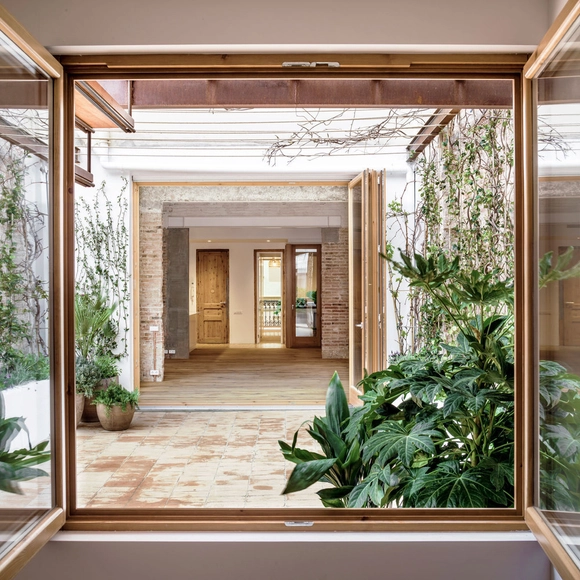
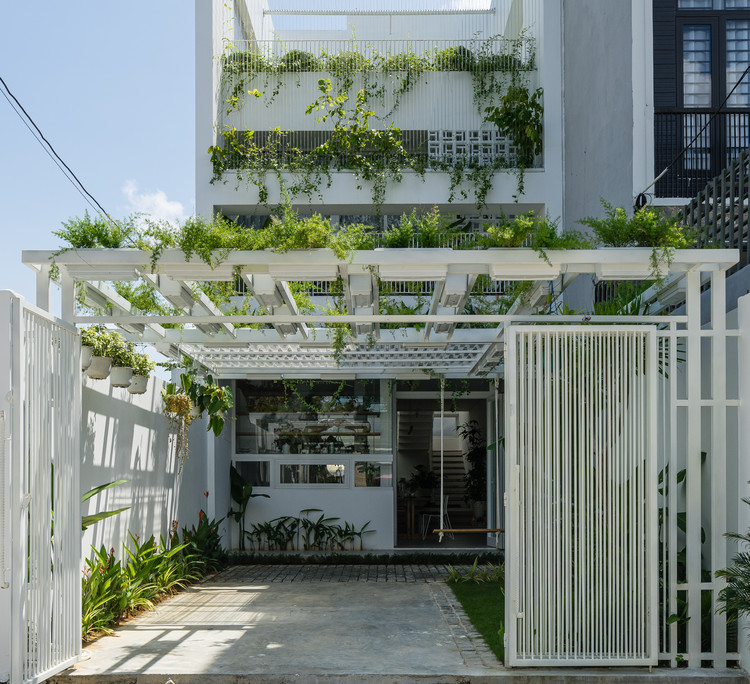
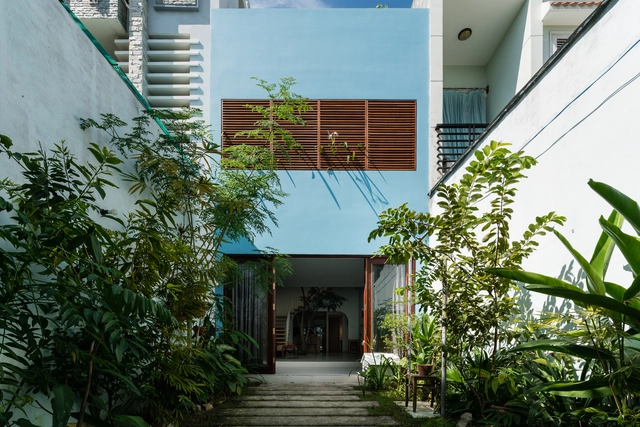
Indoor gardens can contribute important benefits to home living, ranging from aesthetic beauty to improved health and productivity. Research has shown that indoor plants help eliminate indoor air pollutants called Volatile Organic Compounds (VOCs) that emanate from adhesives, furnishings, clothing, and solvents, and are known to cause illnesses. They also increase subjective perceptions of concentration and satisfaction, as well as objective measures of productivity. Indoor gardens may even reduce energy use and costs because of the reduced need for air circulation. These benefits complement the obvious aesthetic advantages of a well-designed garden, making the indoor garden an attractive residential feature on several fronts.
This December, we at ArchDaily take a moment to review what happened during the past year -- you have already seen posts with the best architecture projects, the best books, the best articles and much more. Now it's time to review the most bookmarked projects by our readers all over the world on MyArchDaily.
Because, for all the inspirational works across the world, we would be lost without the photographers dedicated to sharing this inspiration with us. Here we present to you the most influential architectural photographs of the year.
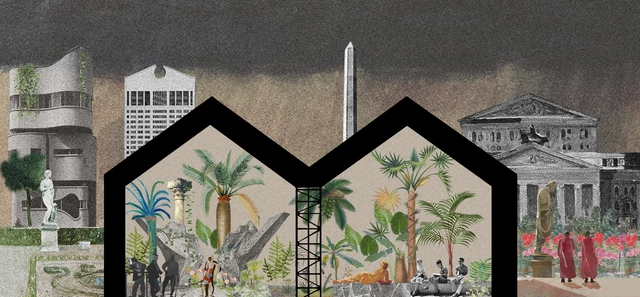
Interior gardens and plants produce many day-to-day benefits, like mood boosting and memory enhancing effects. Interior landscape design, also known as "plantscaping", is much more than the act of bringing plants indoors; it's actually about the strategic placement and selection of plant species within an architectural project to highlight and enhance aspects of spatial design.
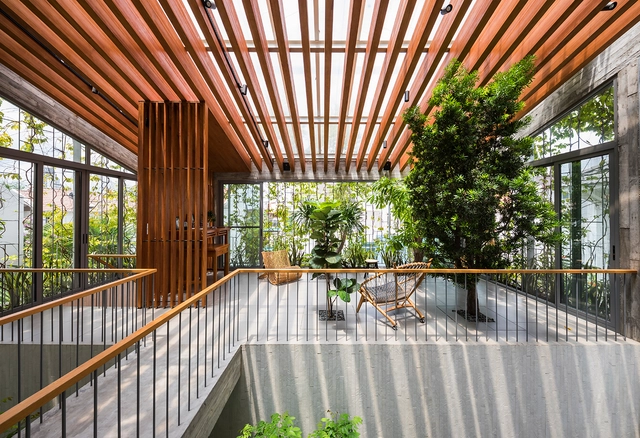
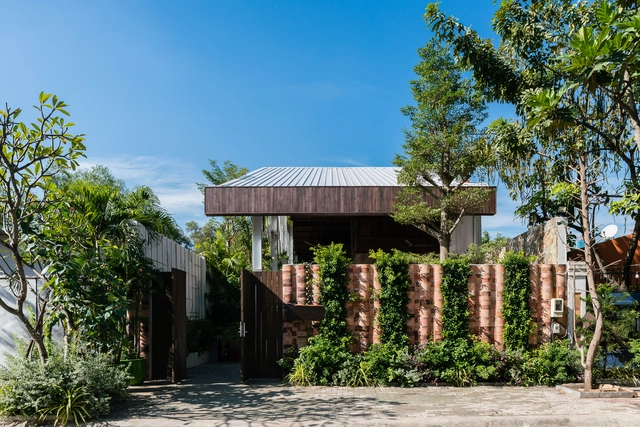
Vietnam has a rich history of traditional architecture. From Rong houses and Trinh Tuong residences to the stilt longhouses of the Ede people, the country has a depth of vernacular construction methods and styles. Today, architects are reinterpreting past building techniques to create neo-traditional homes grounded in contemporary life.
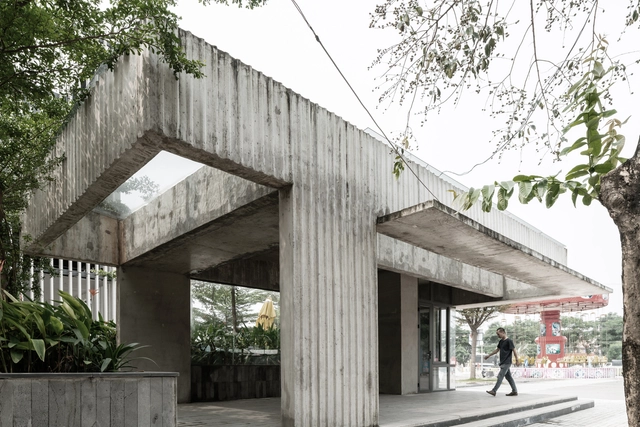
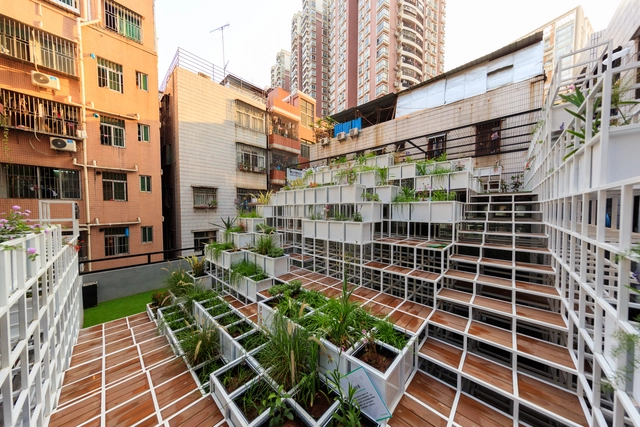
Normally the efforts of the construction industry are aimed to design permanent and durable spaces. However, on some occasions creating temporary spaces can be of great help, not only when providing fast assembly infrastructure after the effects of a natural disaster, but also when activating residual or abandoned spaces in our cities. To exemplify the potential of these interventions, we present thirteen successful temporary public spaces.




.jpg?1580981869&format=webp&width=230&height=230&crop=true)
.jpg?1580982117&format=webp&width=230&height=230&crop=true)
.jpg?1580982612&format=webp&width=230&height=230&crop=true)
.jpg?1580981790&format=webp&width=230&height=230&crop=true)
.jpg?1580981659)








.jpg?1506954757&format=webp&width=230&height=230&crop=true)
_Image-MORKULNES-ARTISTSTUDIO-56201-PH_10_photo©BruceDamonte.jpg?1506955584&format=webp&width=230&height=230&crop=true)