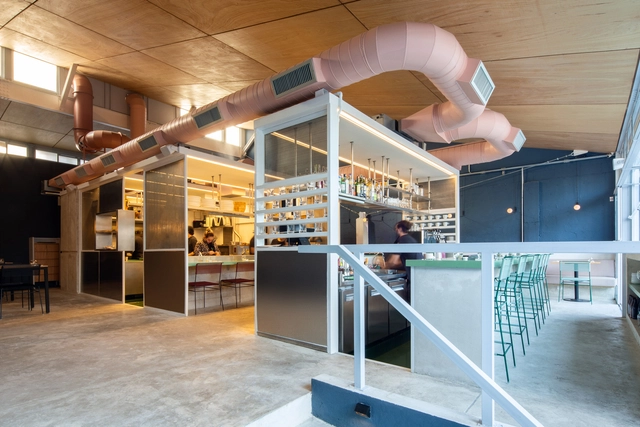


-
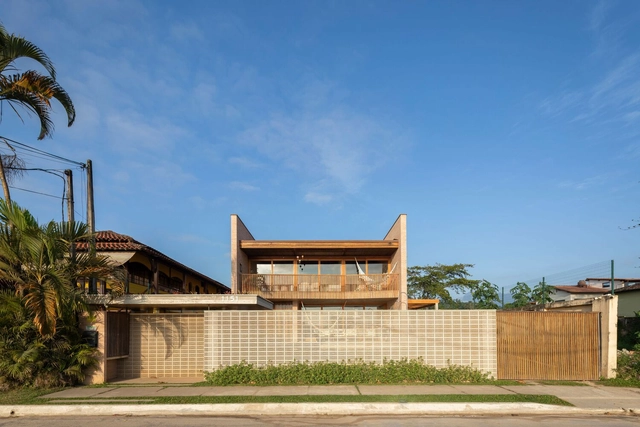
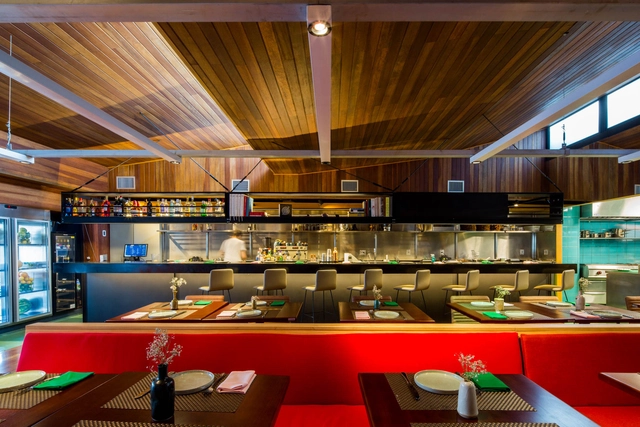
Architects: vapor arquitetura
- Area: 238 m²
- Year: 2018
![From the object to the city, in search of possible poetics: interview with [entre escalas] - Featured Image](https://snoopy.archdaily.com/images/archdaily/media/images/686d/58dd/c677/407c/837f/55e8/slideshow/do-objeto-a-cidade-em-busca-de-poeticas-possiveis-entrevista-com-entre-escalas_1.jpg?1751996647&format=webp&width=640&height=580)
Founded by architect Marina Canhadas in 2018, the practice [entre escalas] emerged from the intersection of professional practice, academic research, and international experience. With a career shaped by competitions, collaborations, and tenures at firms in Brazil and Mexico, Marina has consolidated an approach that values context and building history, particularly in projects dealing with pre-existing structures—one of the firm's primary areas of focus.
[entre escalas]' work stands out for its sensitivity to time and building memory. Renovations of historic townhouses, such as Casa Saracura and Casa Apiacás, reveal a kind of architectural archaeology that seeks to recover original techniques, materials, and even natural flows, reinterpreting these elements to foster new possibilities of use and connection with the surroundings. The act of removing layers—both physical and symbolic—is seen as a way to reveal hidden histories, connecting past and future.
.jpg?1600208129&format=webp&width=640&height=580)
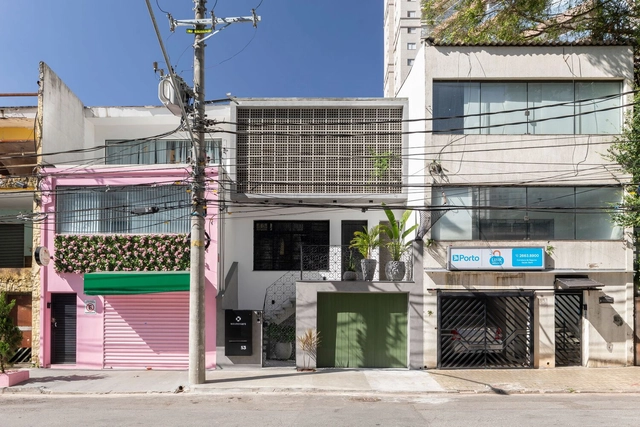
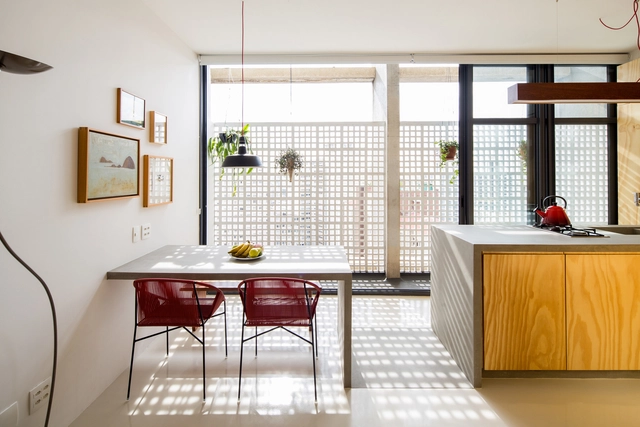

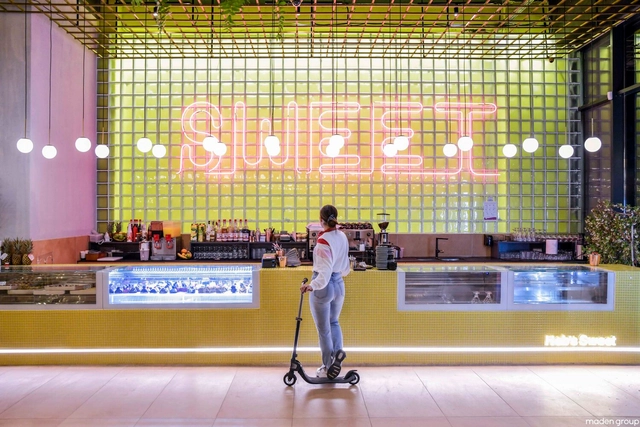
Glass bricks have been widely used in architecture, eventually becoming a staple of the 1980s architectural styles. Some examples of construction with this material could be the classic "Maison de Verre" by Pierre Chareau and Bernard Bijvoet in Paris or the more modern take of Hiroshi Nakamura & NAP with the Optical Glasshouse in Japan. In recent years, glass bricks are becoming increasingly popular, no longer relegated to older aesthetics. Instead, they have evolved into versatile design elements that bring light, texture, and character into contemporary interiors. Their ability to diffuse natural and artificial light while maintaining privacy has reignited interest among designers seeking innovative ways to enhance indoor spaces while taking advantage of natural light.
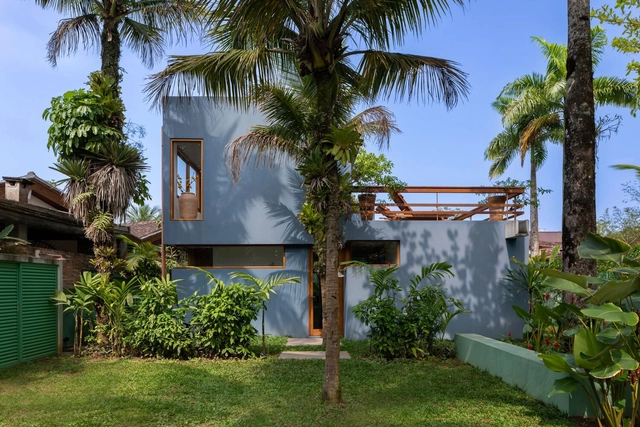
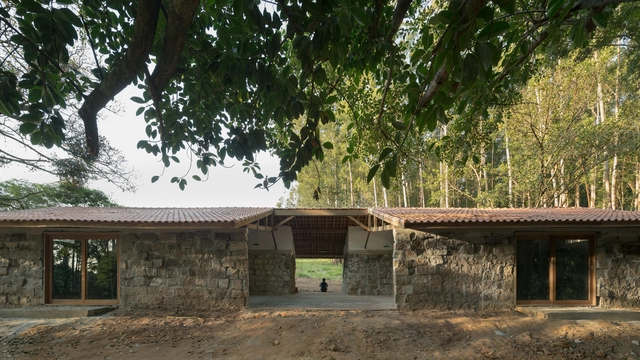
The Latin American Architecture Biennial (BAL), which has gained significant relevance in the contemporary architectural scene, will celebrate its ninth edition next year. This meeting gathers emerging Latin American architecture studios in Pamplona, Spain, to share their work, fostering dialogue and debate about the current state of the discipline, as well as acting as a bridge between the Latin American continent and the Spanish context. In this edition, Costa Rica will be the guest country, accompanied by Honduras, El Salvador, Panama, Guatemala, and Nicaragua. As part of this invitation, there will be an exhibition and specific seminars dedicated to analyzing the situation of architecture in these countries.
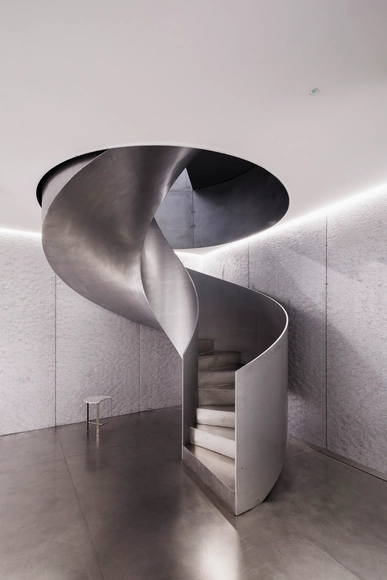
Shortly before the First World War, Harry Brearley (1871-1948), who had been working as a metalworker since he was 12 years old, developed the first stainless steel. Seeking to solve the problem of wear on the inner walls of British army weapons, he ended up obtaining a corrosion resistant metal alloy, and added chrome to the cast iron. The invention found applications in almost all industrial sectors including for the production of cutlery, health equipment, kitchens, automotive parts, and more, replacing traditional materials such as carbon steel, copper, and even aluminum. In civil construction, this was no different, and stainless steel was soon incorporated into buildings.




![From the object to the city, in search of possible poetics: interview with [entre escalas] - More Images](https://images.adsttc.com/media/images/686d/58dd/c677/407c/837f/55e8/newsletter/do-objeto-a-cidade-em-busca-de-poeticas-possiveis-entrevista-com-entre-escalas_1.jpg?1751996647)
.jpg?1600208169&format=webp&width=230&height=230&crop=true)
.jpg?1600208141&format=webp&width=230&height=230&crop=true)
.jpg?1600208099&format=webp&width=230&height=230&crop=true)
.jpg?1600208071&format=webp&width=230&height=230&crop=true)
.jpg?1600208129)


.jpg?1545887068&format=webp&width=230&height=230&crop=true)
.jpg?1545886986&format=webp&width=230&height=230&crop=true)
.jpg?1545887109&format=webp&width=230&height=230&crop=true)
.jpg?1545886555&format=webp&width=230&height=230&crop=true)


