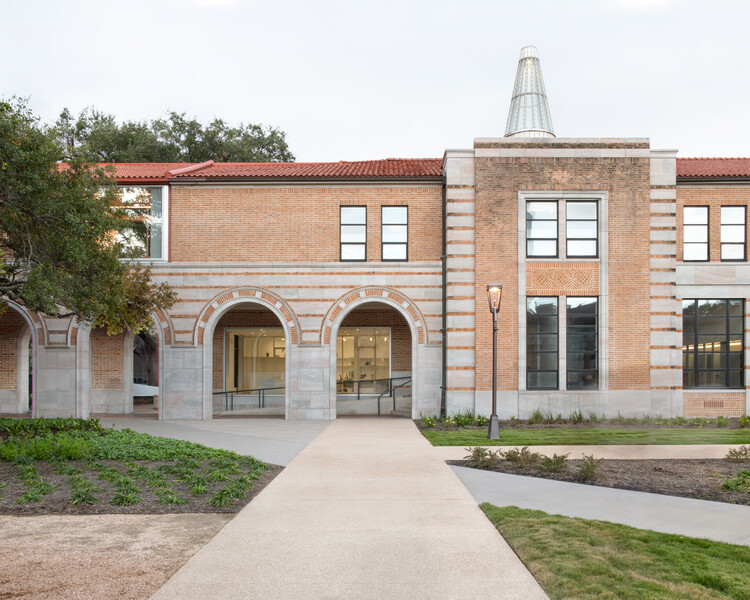
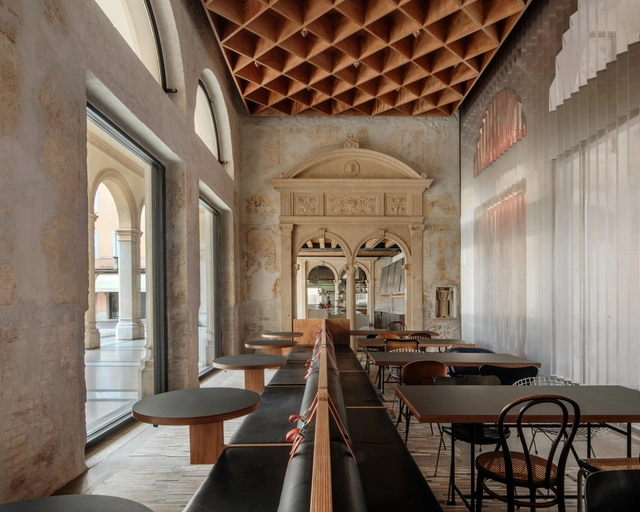
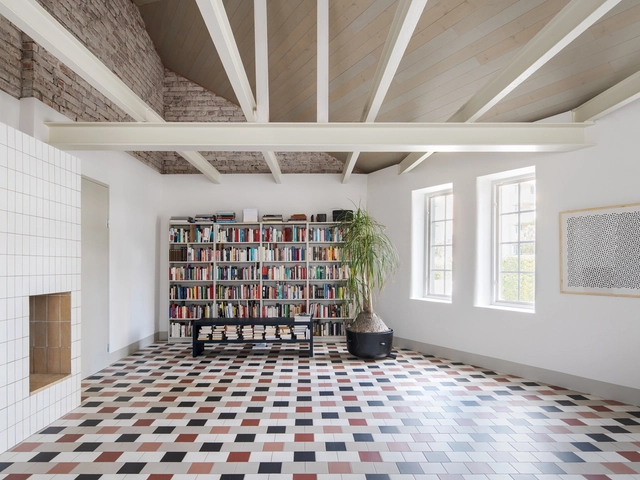
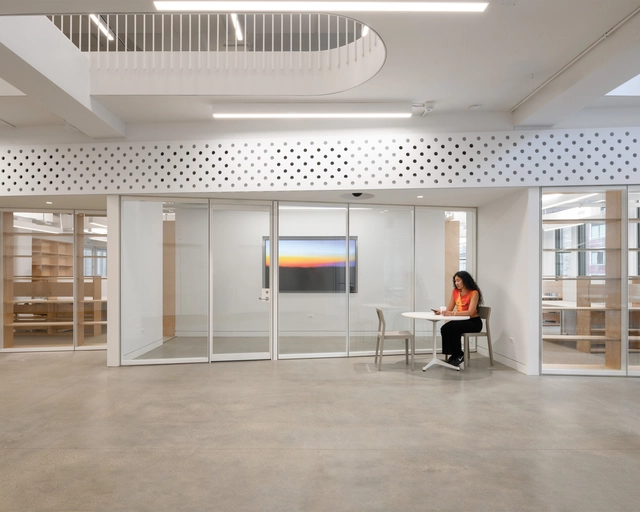
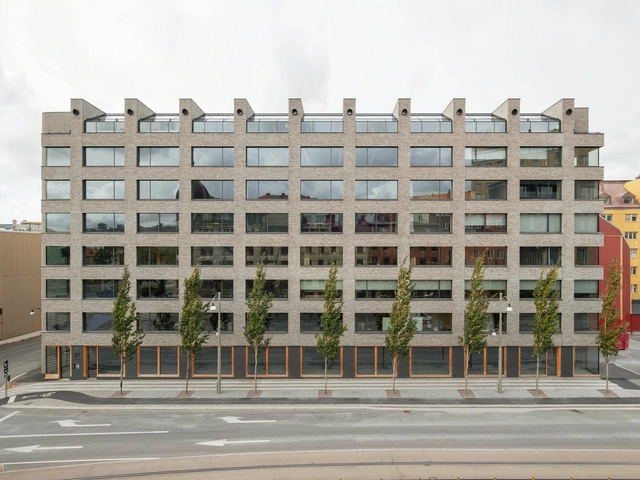
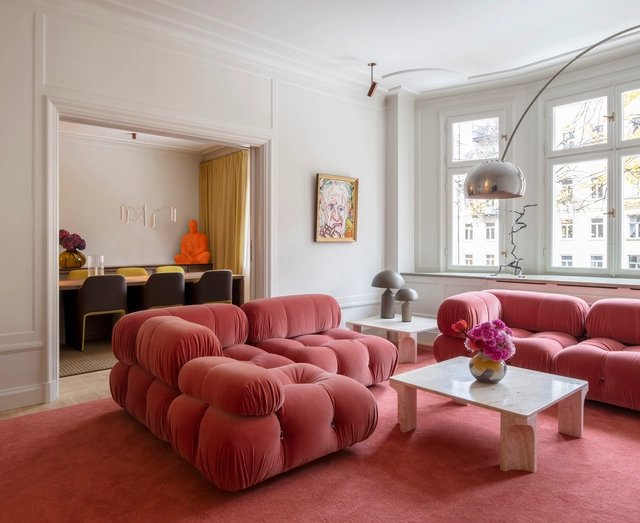
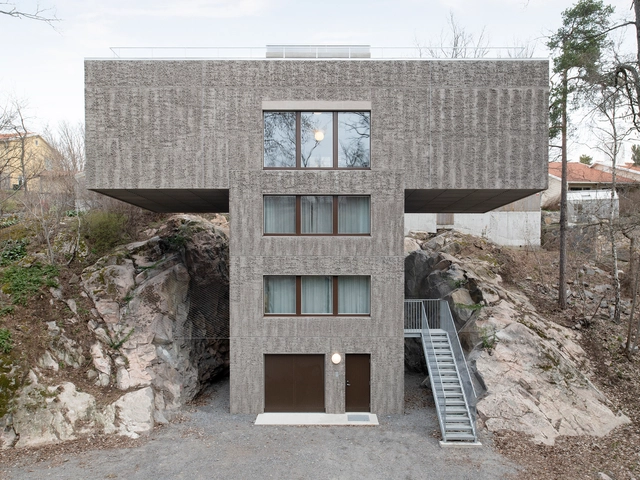
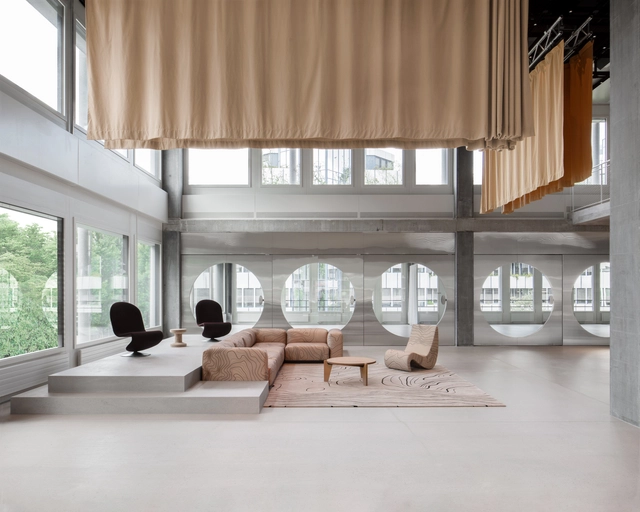
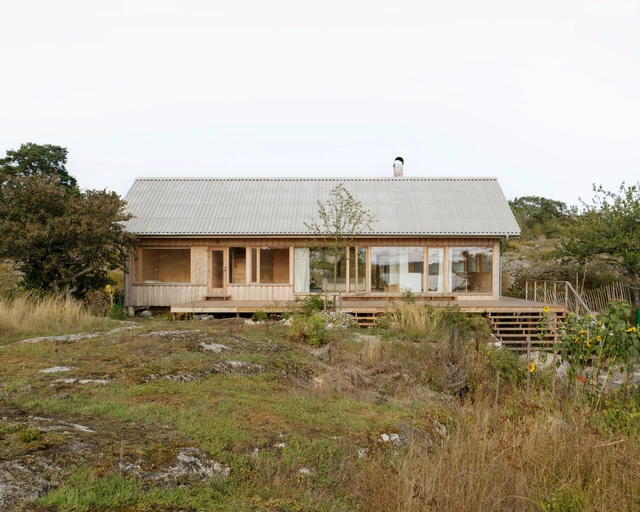
As 2025 approaches its end, we look back at an eventful year in the world of interior design. Last year, designers favored reserved, modest approaches, a trend that continued from previous years. The emergence of artificial intelligence generated intense discussions on digital equity and misinformation, which continued into 2025, especially with the topic of the Venice Architecture Biennale, Intelligens. This opened the conversation to the opportunities of digital technologies, attempting a more hopeful outlook. On the other hand, completed interior design projects over the year focused more on the tangible and the pragmatic, with expressed raw materials and an appreciation of history.
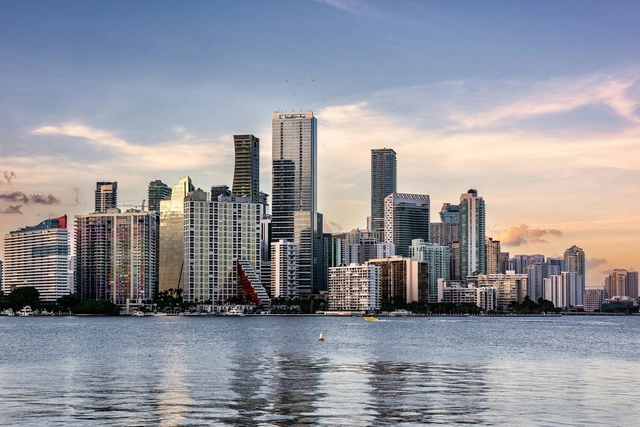
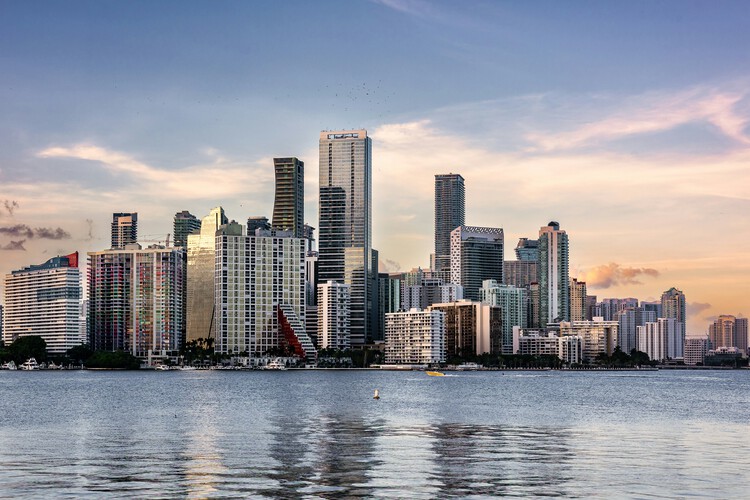
Stretching along the Atlantic coast at the southern tip of Florida, Miami is often introduced through postcard views of beaches, palm trees, and glass towers facing the water. Yet, behind this familiar image lies a city shaped by migration, tourism, and real estate cycles, where architecture has repeatedly been used to project new identities and reinvent the urban landscape. From early resort hotels and the Art Deco façades of South Beach to experimental high-rises and cultural institutions on the bay, the built environment offers a way to read how Miami negotiates climate, economy, and everyday life.
Over the past century, the city has grown through successive layers of development that remain visible in its streets and skylines. The streamlined geometry and pastel colors of the historic Art Deco District coexist with the exuberant forms of Miami Modern (MiMo) motels and postwar infrastructure along Biscayne Boulevard. Downtown and Brickell have transformed from low-rise business districts into dense clusters of residential and office towers, many designed by international firms working alongside local practices. At the same time, neighborhoods such as Little Havana, Allapattah, and Wynwood reveal how diasporic communities, industrial heritage, and creative industries occupy and adapt existing fabrics, often in contrast with the image-driven waterfront.
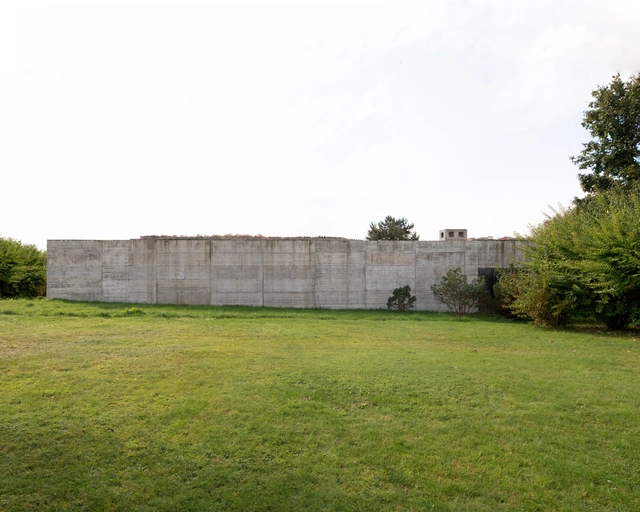
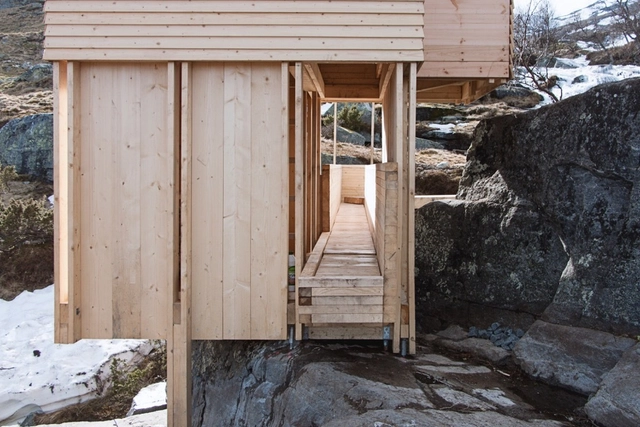
ELDMØLLA Sauna / Arkitekt August Schmidt + Workshop NTNU-Trondheim + Arnstein Gilberg + Ina Samdal. Image Courtesy of Workshop NTNU-Trondheim
Due to its specific characteristics, the architecture of the sauna is interesting because it gives us lessons related to efficiency and the beauty of simplicity. These are generally very basic structures with a clear function, created to contain different levels of heat and humidity. Thanks to this steam bath, people can release toxins and improve their blood circulation. In addition, they are widely used in cold climates, in close proximity to nature and utilizing the presence of water.
To function, these normally airtight spaces contain a series of internal benches with different dimensions and a heat source that must reach temperatures between 80 and 90°C, including, if necessary, a chimney to expel the smoke. Wood is the material par excellence for saunas, using in most cases native species that maintain their rustic appearance and natural texture. Next, we review 9 saunas designed by architects, including some of their construction details.