-
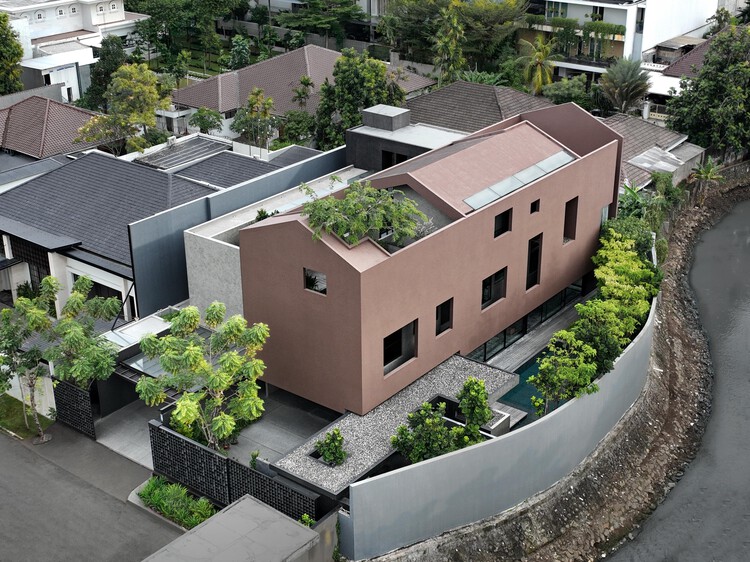
Architects: Wahana Architects
- Area: 1158 m²
- Year: 2026


Climate risk is a shared global condition, marked by intensifying heat, water scarcity, flooding, and ecological loss that no border can contain. In 2025, these pressures sharpened a collective awareness that government pledges and international agreements are not keeping pace with lived realities. Across geopolitical contexts, the tension is immediate and structural, revealing gaps between policy ambition and material change. This moment has exposed a growing reliance on disciplines outside formal structures to respond quickly, intelligently, and with accountability.

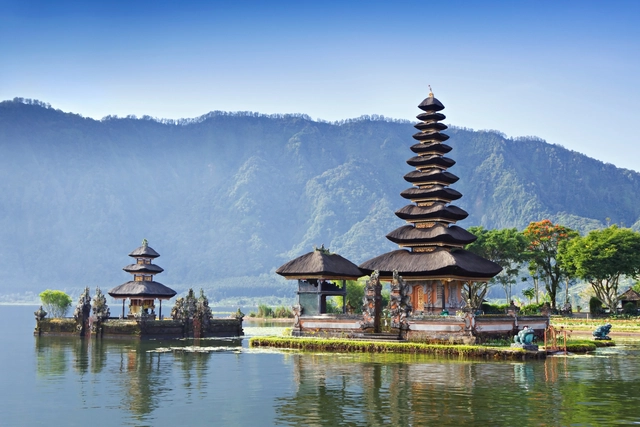
Bali might most commonly be associated with its beaches and leisure sector. Rightfully so, since the Indonesian province received more than 2.9 tourists this year alone. Along with the temporary visitors, Bali also houses some longer-term inhabitants and digital nomads, which contributed to its fast population increase. This has naturally affected its urban density and its need for additional accommodation and services, offering opportunities for some creative architecture and materials exploration.
This often appears through the many bamboo-built projects, with the island being the stage for some of the oldest and most intricate bamboo vernacular construction. This knowledge can be transmitted to willing architects and professionals from all around the globe who seek to understand how this versatile material can be applied in their own countries. Many renowned global and local practices, such as IBUKU, and Bamboo U, have championed this ecologically aware architecture through their projects, which are always focused on nature preservation and the revival/ optimization of traditional building techniques.