

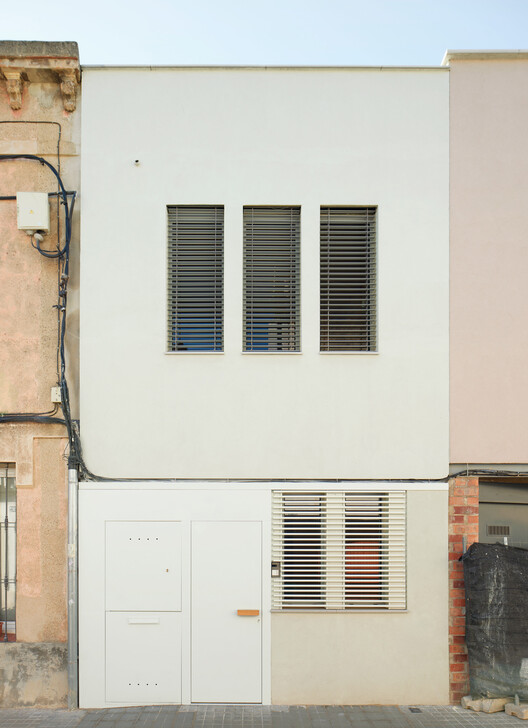
-
Architects: Vallribera Noray Arquitectes
- Area: 175 m²
- Year: 2024


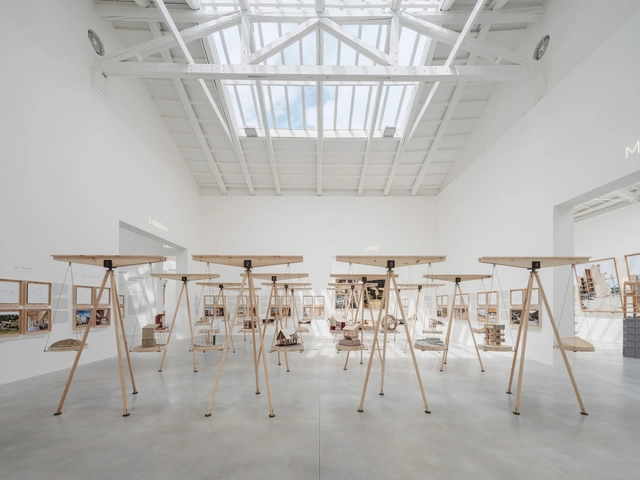
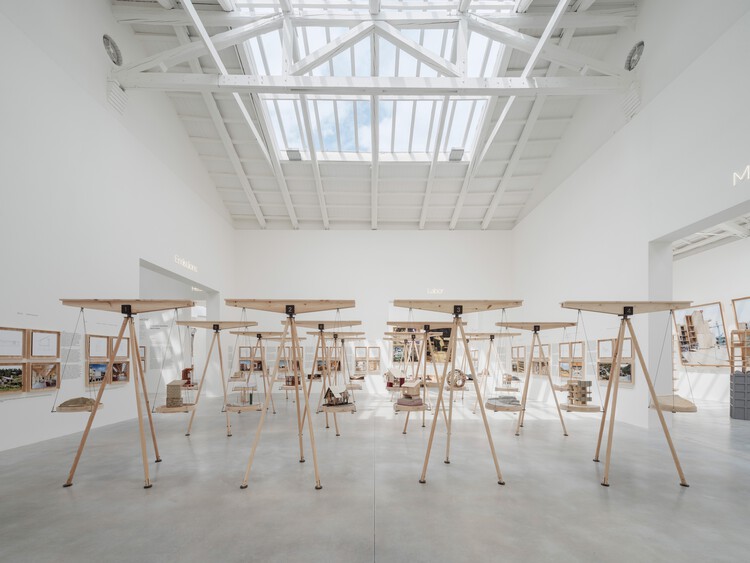
Internalities: Architectures for Territorial Equilibrium is the title of the Spanish exhibition at the 19th Venice Architecture Biennale. Curated by Galician architects Roi Salgueiro Barrio and Manuel Bouzas Barcala, the project presented in the pavilion’s central hall aims to "explore key strategies for decarbonizing architecture in Spain."
The main role of architecture is to create structures that protect us from the environment and create spaces that are safe and comfortable for all types of needs and activities. By providing shelter, architecture also shapes the way people interact with their surroundings. Building technologies of the past rarely managed, however, to create a complete separation between us and the outside world.
While impermeability was a desired outcome, the porous building materials available always allowed some water, wind, or outside particles to leak into the interior spaces. In contrast, modern technologies now allow for almost completely impermeable building envelopes, allowing for complete separation between indoors and outdoors, thus relying on engineered systems to regulate temperature, airflow, or humidity. This article explores the differences between these two contrasting approaches, exploring how building facades are equipped to regulate indoor comfort and its environmental impact.
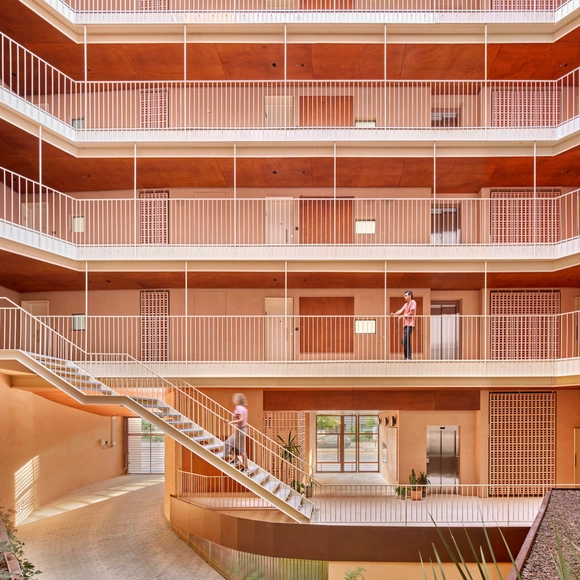

Just as fashion designers use pins, needles and textiles to bring their creations to life, architects rely on materials to shape our built environment. From steel and glass to wood and concrete, these form the artistic palette that transforms blueprints into tangible structures, bridging the gap between imagination and reality. It's as simple, yet as complex as that. But with so many materials –and countless shapes, finishes, textures and colors– available in this day and age, making the correct choices for a particular project can be quite challenging. Several questions naturally arise: How do architects navigate the endless possibilities to handpick the elements that will breathe life into their designs? What does the material specification process entail? Where does one begin?
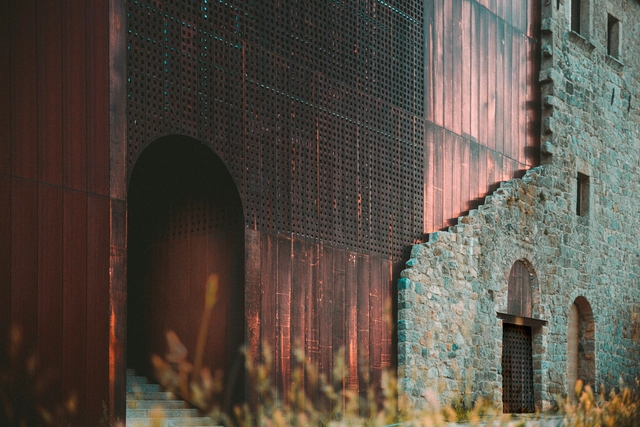
The European Commission and the Fundació Mies van der Rohe just revealed the 7 finalists for the 2024 European Union Prize for Contemporary Architecture – Mies van der Rohe Awards. There are 5 finalists in the Architecture category and 2 in the Emerging category. In March, the jury will visit these architectural works and will decide on the winning projects that will be announced on April 25th at the CIVA in Brussels.
Selected by the jury comprising 7 members: Frédéric Druot, Martin Braathen, Pippo Ciorra, Tinatin Gurgenidze, Adriana Krnáčová, Sala Makumbundu, and Hrvoje Njiric, from a list of 362 nominees, the "7 finalist works promote local policy references and can become global European models since all of them create inclusive and high-quality living environments."
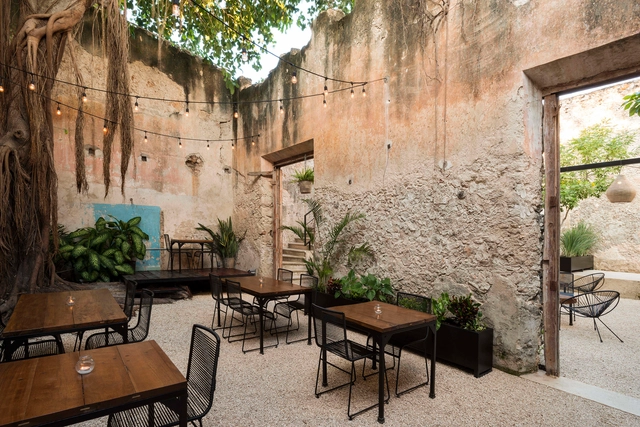
The spatial distribution of a restaurant or bar is essential to its success. Faced with this design challenge, several architects have experimented and proposed configurations that both enhance the use of space in different culinary experiences.
With this being said, take a look at 50 gastronomic establishments in plan and section to inspire your next design.
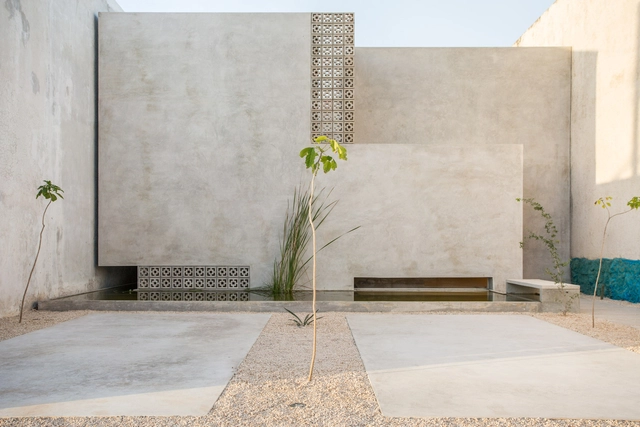
Due to its ability to mold and create different shapes, concrete is one of architecture's most popular materials. While one of its most common uses is as a humble foundation, its plasticity means that it is also used in almost all types of construction, from housing to museums, presenting a variety of details of work that deserves special attention.
Check out this collection of 40 projects that highlight the use of concrete. Impressive!