James Morgan

BROWSE ALL FROM THIS PHOTOGRAPHER HERE

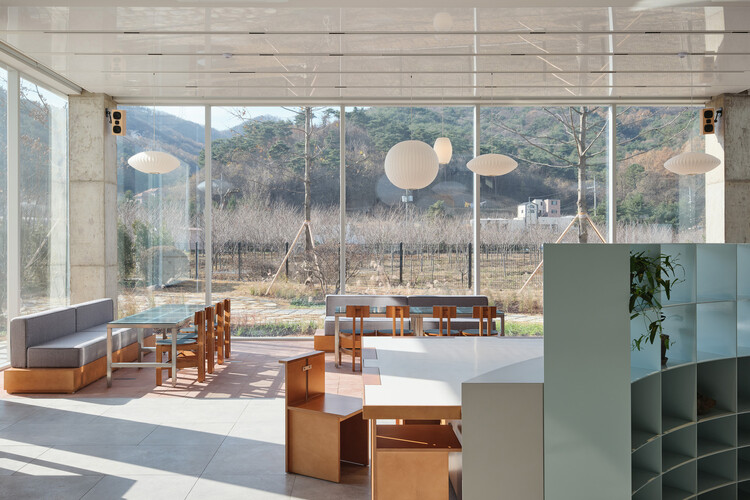
Coffee or Tea: Third Places, Kiosks, and the Retail Architecture of Duration

Subscriber Access | 
Audio available

"Coffee or tea?" is one of those phrases that follows you across contexts: asked on airplanes, after a meal, in hotel lounges, and in meeting rooms. It sounds like a small question—mere preference, a quick fork in the service script. Yet it also carries a quiet cultural inheritance. Tea arrives with the long history of ritual and domestic pacing, tied to older geographies of trade and everyday etiquette. Coffee arrives with a different lineage of circulation, later industrialized into the modern café and its public-facing rituals. In both cases, the drink is never only a drink; it is a practiced relationship to time and space.

In contemporary East Asia, however, "coffee or tea" increasingly reads as something else: imperceptibly or subconsciously, it is becoming more of a choice about where you want to be. Each beverage now carries a spatial expectation. Coffee implies a room you can occupy—often a place to pause, work, meet, or cool down. Tea, despite being culturally pervasive, appears more diffusely across the city—sometimes as a dedicated destination, sometimes as a high-frequency kiosk, and very often as an embedded default within dining typologies. The result is that a question posed as taste has begun to operate as a subtle indicator of spatial preference: whether you are seeking duration or velocity, enclosure or flow, a third place or a quick node on the street.

Coffee or Tea: Third Places, Kiosks, and the Retail Architecture of Duration  - More Images+ 28

How Neon Lighting Shapes Architecture

How Neon Lighting Shapes Architecture - More Images+ 24

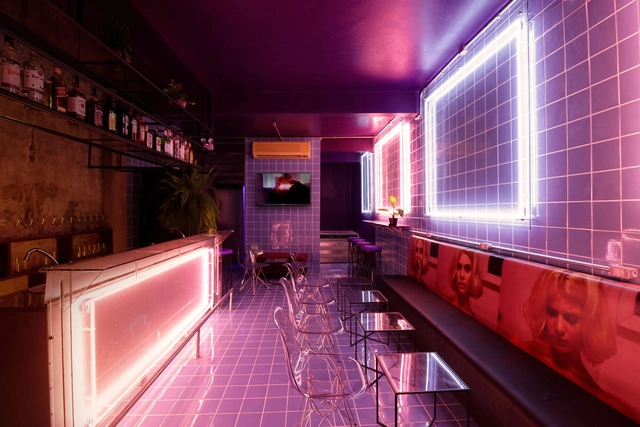
Neon lights are a bold, cosmopolitan statement that can easily revitalize or accentuate an architectural space or structure. With eye-catching brilliance, a plethora of color options, and ties to a retro aesthetic, these lighting pieces can make a space feel simultaneously modern and nostalgic. Yet few understand the scientific workings or material properties of neon, and many architects neglect its use due to its narrow association with commercial signage. Below, we explore how neon works, its architectural history, and how architects can continue to use it today.

Ambrosia Tea Shop / Biasol

Ambrosia Tea Shop / Biasol - More Images+ 12

Shenzhen, China
  • Architects: Biasol
  • Area Area of this architecture project Area:  27
  • Year Completion year of this architecture project Year:  2019
  • Manufacturers Brands with products used in this architecture project
    Manufacturers:  AutoDesk, &Tradition, Adobe Systems Incorporated, Anchor Ceramics, Fibonacci Stone

The Budapest Café / Biasol

The Budapest Café  / Biasol - More Images+ 24

Chengdu, China
  • Architects: Biasol
  • Area Area of this architecture project Area:  178
  • Year Completion year of this architecture project Year:  2017