Gregori Civera, Mehdi Harrak

BROWSE ALL FROM THIS PHOTOGRAPHER HERE
↓

From Concrete to Cultivation: How AI and Robotics Are Rewriting Architecture’s Material Logic

Subscriber Access | 

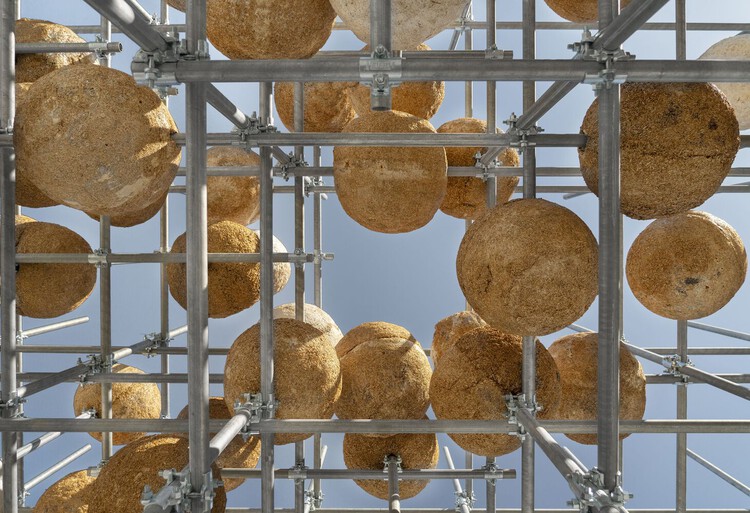
Architecture has entered a pivotal moment. As cities continue to grow under the weight of climatic and social pressures, the materials and systems that shape them are being redefined. Artificial intelligence and robotics, once used to accelerate construction processes, are now being rethought as tools for cultivation. Printed structures that grow, breathe, and decay. Cultivation, in this context, refers to designing with biological materials, where growth and decay are active parameters, merging digital precision with ecological intelligence. This evolution shows the shift from efficiency to empathy, where architecture becomes an agent of active repair. The introduction of mycelium and other natural materials into 3D printing presents a new paradigm in architecture: the logic of the living. A place where computation and fabrication meet biological adaptability.

AI and robotics, once associated with industrial efficiency, are now opening new ways of designing. Early examples, such as ICON's 3D-printed housing prototypes, focused on speed and automation but offered little response to their surroundings. Newer projects, such as the MycoMuseum at the 2025 Venice Architecture Biennale, reinterpret these tools through a biological lens. Instead of shaping concrete, they cultivate living materials, marking a shift from pure optimization toward regeneration.

From Concrete to Cultivation: How AI and Robotics Are Rewriting Architecture’s Material Logic - More Images+ 9

Vernacular Building and AI: Can Data Alone Bridge the Gap?

Audio available

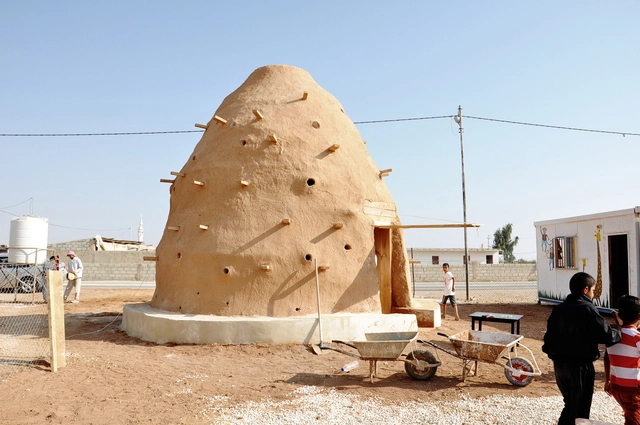
As artificial intelligence (AI) becomes increasingly embedded in society, it's essential to pause and reflect on the foundations that sustain it—and the dimensions to which it extends. At the heart of AI's learning are datasets, whose structure and content shape how these systems interpret and respond to the world. This reliance creates a deep interdependence—one that not only informs AI's capabilities but also defines its potential blind spots. In light of this, we must ask: What forms of understanding might this process exclude, especially those not easily captured in digital form?

Vernacular Building and AI: Can Data Alone Bridge the Gap? - Imagem 1 de 4Vernacular Building and AI: Can Data Alone Bridge the Gap? - Imagem 2 de 4Vernacular Building and AI: Can Data Alone Bridge the Gap? - Imagem 3 de 4Vernacular Building and AI: Can Data Alone Bridge the Gap? - Imagem 4 de 4Vernacular Building and AI: Can Data Alone Bridge the Gap? - More Images+ 15

Exploring 3D Printing in Academia: Prototypes That Foster Collaboration in Architecture

Subscriber Access | 

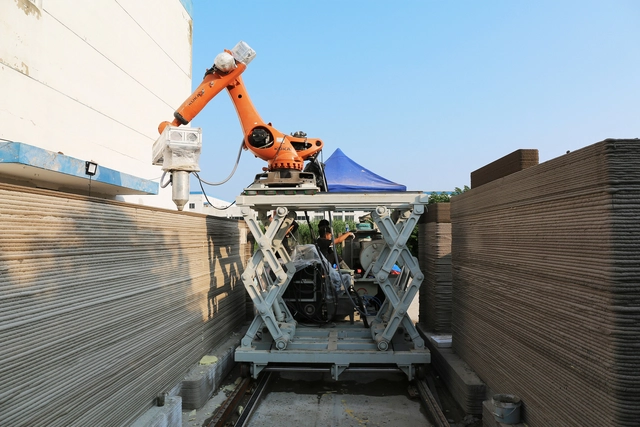
According to the analysis firm Gartner, 3D printer sales surged by 75% around 2014, nevertheless, the technology continues to experience significant growth. While there are multiple debates in the field of architecture about whether 3D printing can be considered craftsmanship or if it is feasible to mix local materials with 3D printing, its implementation from academia aims to create new experiences, research, and knowledge that contribute to its development and practical application. Now, how might the integration of 3D printing in academia provoke future changes in the construction industry? And how could education in architecture and design encourage collaboration with other disciplines to create new applications across different fields?

Exploring 3D Printing in Academia: Prototypes That Foster Collaboration in Architecture - More Images+ 11

How New Technologies Are Evolving to Embrace Sustainability in Architecture

 | Sponsored Content

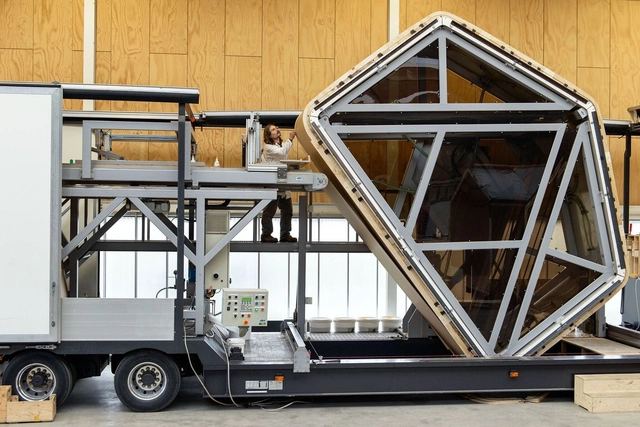
When we talk about technology, we often think of robots, supercomputers, data centers or smartphones. But technology also refers to the invention of the first chipped stone tools or the development of the steam engine, which brought about the first Industrial Revolution. The term comes from the combination of the Greek words techne (art, craft) and logos (word, speech) and is nothing more than the application of knowledge to achieve goals in a specific and reproducible way, for practical purposes. In the construction industry, which moves large amounts of resources and people, more technology means incorporating new methods, tools, automation and software that can improve efficiency. As a historically innovation-resistant industry, the construction sector has a huge impact on the environment due to its carbon emissions and exploitation of raw materials. However, as it turns to the digital world, builders have seen technology as a means to optimize practices and identify, build, and manage their projects.

Good design does (not) always depend on software

Subscriber Access | 

ArchDaily presented its monthly topic for July (Design Process) and wanted to open the discussion on how technology is being integrated into architectural practice. Although the discipline has been advancing for years in new fields such as artificial intelligence (AI), virtual reality (VR), parametric modeling, and BIM, alongside other cutting-edge tools, its implementation and systematization in everyday design processes remain slow.

Throughout the month, we held an open call to hear about our readers' experiences and learn from them—exploring together how the latest innovations transforming the profession are being applied. After reviewing a vast number of comments and opinions, it was surprising to find common ground regarding how we filter and update the technologies we use in our design processes. Read the main perspectives below.

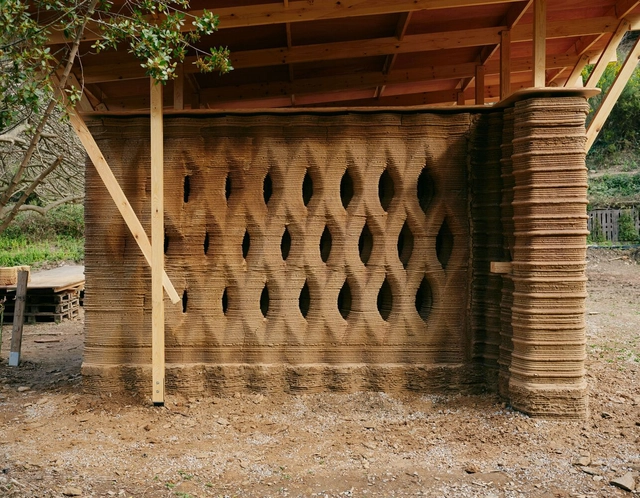
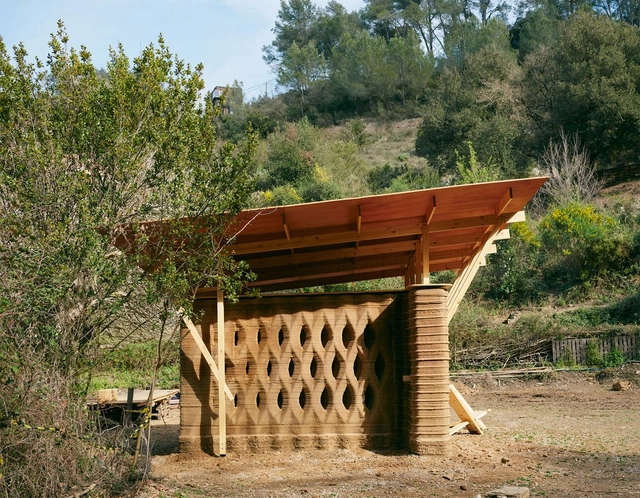
Prototype TOVA / Posgrado 3D Printing Architecture IAAC

Prototype TOVA / Posgrado 3D Printing Architecture IAAC - More Images+ 10

  • Area Area of this architecture project Area:  9 m²
  • Year Completion year of this architecture project Year:  2022
  • Manufacturers Brands with products used in this architecture project
    Manufacturers:  Grasshopper, Rhinoceros 3D, WASP