TUL_-0015.jpg?1578880904&format=webp&width=640&height=580)
TUL_-0040.jpg?1578881401&format=webp&width=230&height=230&crop=true)
TUL_-0025.jpg?1578881249&format=webp&width=230&height=230&crop=true)
TUL_-0033.jpg?1578881343&format=webp&width=230&height=230&crop=true)
TUL_-0026.jpg?1578881279&format=webp&width=230&height=230&crop=true)
TUL_-0015.jpg?1578880904)
-
Architects: Gabriel Konzevik, reyes rios + larraín
- Area: 2300 m²
- Year: 2017
-
Manufacturers: URREA


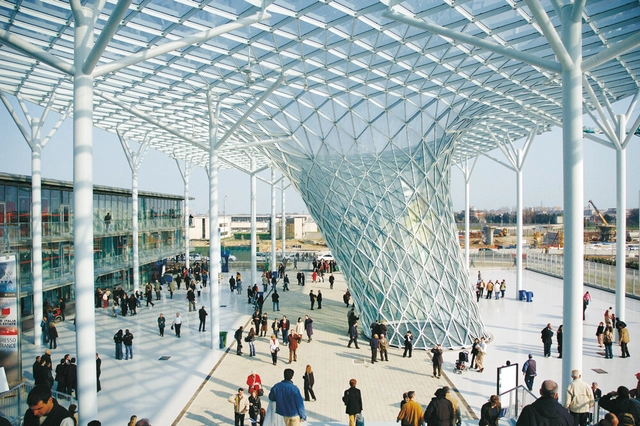
Recent years have seen an increased acknowledgement of the collective endeavour that is architecture and a better valuing of the different professions that participate in the design process. Within every extraordinary building, structural engineering plays an essential role in delivering the architectural vision. The article highlights the past and present contributions of engineering to the built environment, personalities that have stood in the shadow of architects delivering their design intent, and the collaboration between engineers and architects today.
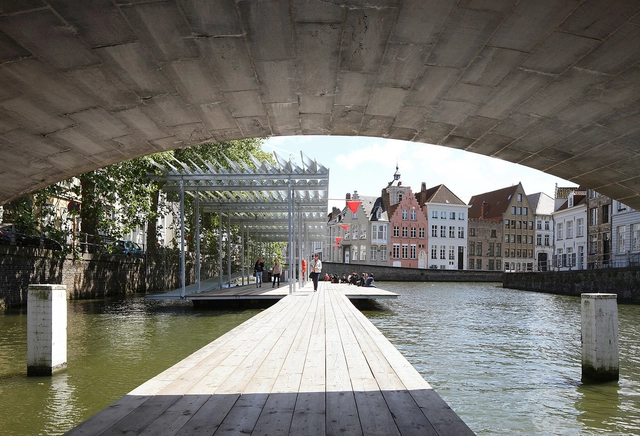
Architecture remains in constant tension with natural forces. Designed around gravity, climate, and time, buildings are always part of larger systems. Throughout the world, designers have tried to mitigate natural forces by constructing hybrid spaces and structures, artificial areas where nature meets the manmade. Embodying this relationship, canals reflect a desire to direct nature and its flows. Today, these fluid spaces are opening up to new programs, projects that explore modern life and urban vitality.
.jpg?1613996949&format=webp&width=640&height=580)
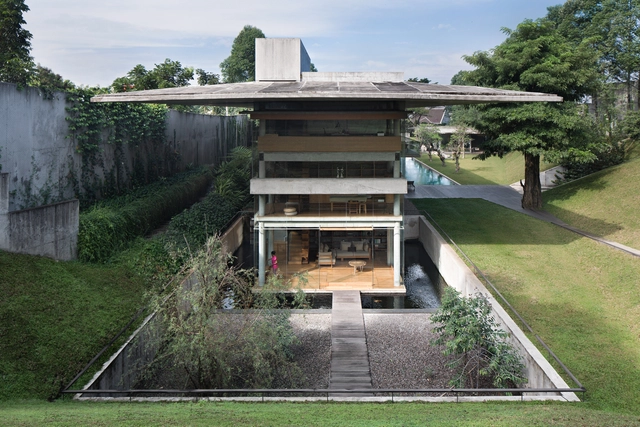
On behalf of the entire ArchDaily team, we would like to thank you for your continued support and for making 2020 our best year so far! We are now reaching more architects around the world and inspiring them in the creation of better built environments. With more than 5500 different projects published during the year, our curators are excited to share this collection of the 100 most visited projects of 2020. This selection represents the best content created and shared by the ArchDaily community over the past 11 months.
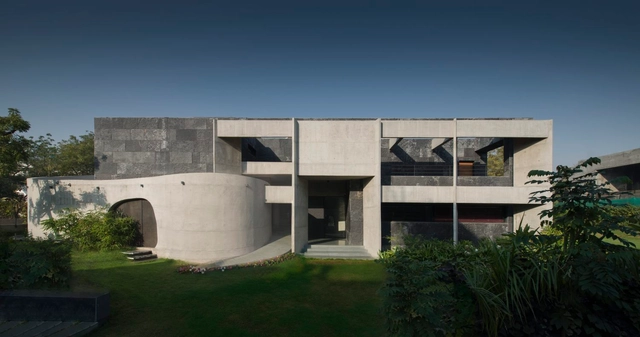
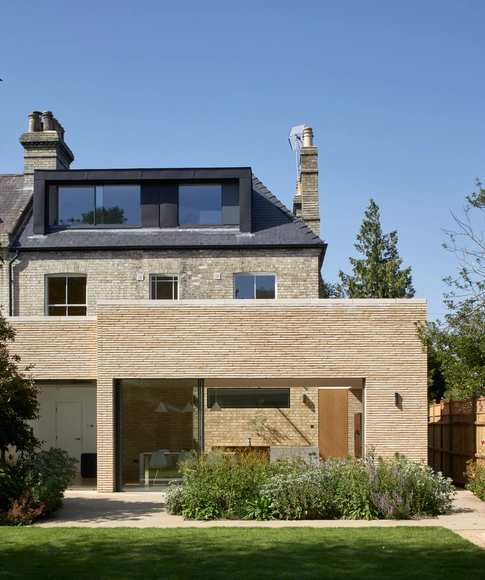
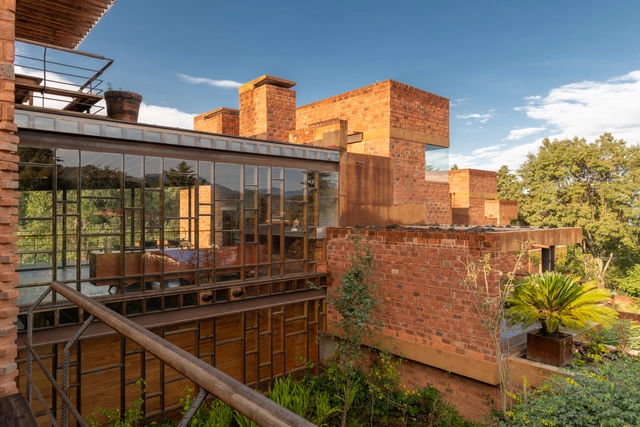
Mexico's Valle de Bravo region, to the southeast of Mexico City, is characterized by the Presa Miguel Alemán lake, created in 1947 as a reservoir for Mexico City and Toluca's water supply. Thanks to its proximity to the capital, Valle de Bravo is a popular weekend destination for residents of surrounding cities. This in turn has sparked the interest of various architects, who have aimed to create projects that enhance visitors' experience such as offering an optimal view of the lake, or an immersive experience in the surrounding forest.
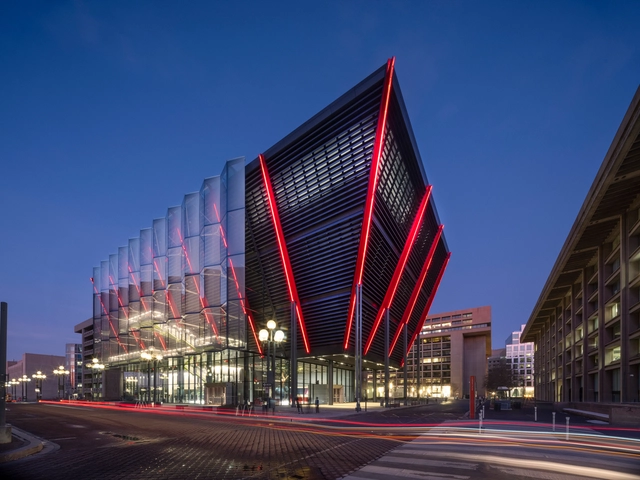
Washington D.C. has earned a reputation for iconic architecture. Emerging from the L'Enfant and McMillan Plans, Washington’s cityscape includes wide streets and low-rise buildings that sprawl out from circles and rectangular plazas. From the White House to Lincoln Memorial, Washington’s architecture was built to symbolize the nation’s values. Today, new projects are designed to rethink the city’s morphology while respecting its identity.
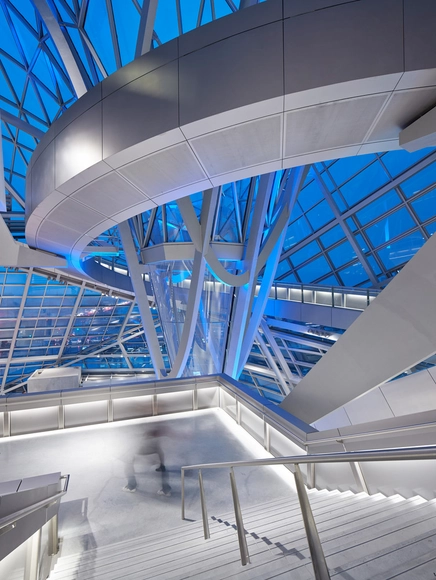
Europe in the 1960s was an incubator for emerging provocative architecture radicals who defied traditional architecture dogma in favor of counterculture that transcended time and space. Coop Himmelb(l)au, a Vienna-based faction of this movement, questioned the clean lines, rigidity, and literal nature of modernist architects of the time. While the firm is known for their rebellious spirit and aggressive forms that are generated through state-of-the-art 3D software and technologies, it’s important to acknowledge the work that the firm did shortly after their inception in 1968, and how their early oeuvre still relentlessly breaks the status quo of modern-day practice and academic discourse.
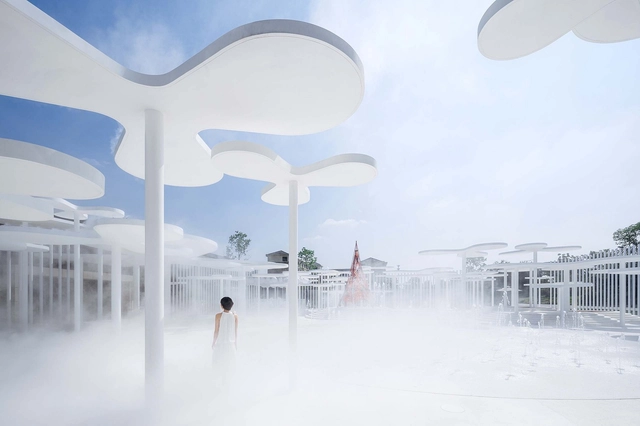
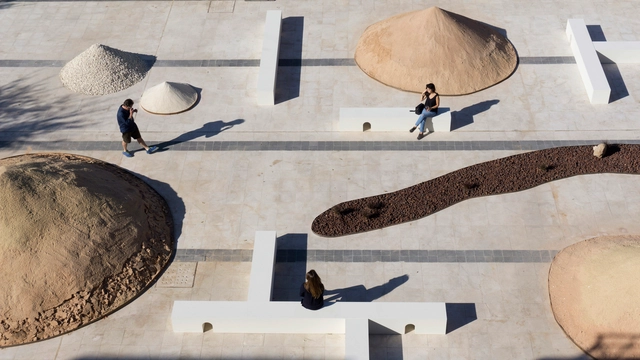
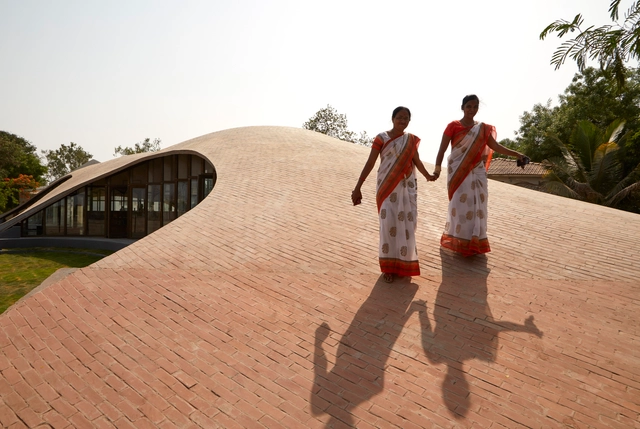
The incorporation of the human figure is one of the most effective tools used in architectural photography: it helps the viewer decipher the scale of work and assess its amplitude. While it successfully communicates a rough idea of the measurements of the elements in the picture, it also helps architecture become more relatable and accessible. People engage better with the built environment when it is populated, mainly because the human sense of society and community is the cornerstone of our civilization. With this in mind, we are showcasing a selection of our favorite photographs where the human figure takes center stage, enhancing our reading of architecture.


.jpg?1546995042&format=webp&width=230&height=230&crop=true)
.jpg?1546994910&format=webp&width=230&height=230&crop=true)
.jpg?1546994863&format=webp&width=230&height=230&crop=true)
.jpg?1546995435&format=webp&width=230&height=230&crop=true)




.jpg?1613991404&format=webp&width=230&height=230&crop=true)
.jpg?1613991498&format=webp&width=230&height=230&crop=true)
.jpg?1613992483&format=webp&width=230&height=230&crop=true)
.jpg?1613996949)
.jpg?1611254728&format=webp&width=640&height=580)

.jpg?1611255286&format=webp&width=230&height=230&crop=true)
.jpg?1611255496&format=webp&width=230&height=230&crop=true)

.jpg?1611254728)


.jpg?1597763267&format=webp&width=230&height=230&crop=true)
.jpg?1597763791&format=webp&width=230&height=230&crop=true)

.jpg?1597763256&format=webp&width=230&height=230&crop=true)