


House Over the Backyard / DDAANN


https://www.archdaily.com/906477/house-over-the-backyard-ddaannDaniel Tapia
How Cities have Rebuilt from the Ashes
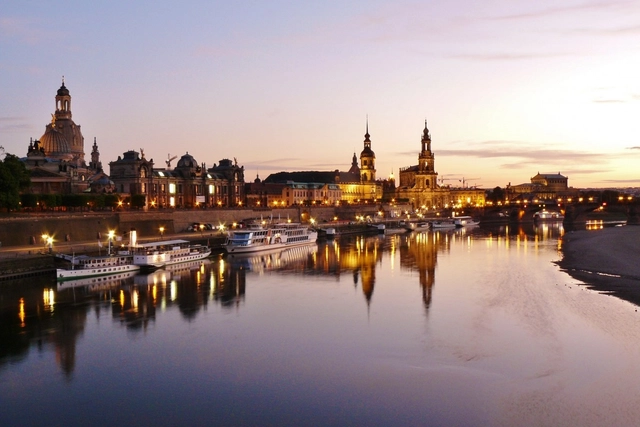
Every city has a story. Throughout history, many natural and man-made changes have altered the way cities were originally laid out. For some, the urban form developed as a result of political disputes, religious separations, or class divides. For others, a more mixed approach has allowed for uniquely mixed cultural atmospheres. And while development of cities is typically slow, occasionally cities experience dramatic and immediate changes to the urban fabric - the results of natural disaster, military conflict, or industrial catastrophe.
What happens next - if anything - can reveal a great deal about not just the city itself, but the local culture. Do cities rebuild exactly as they were? Or do they use disaster as an opportunity to reinvent themselves? The following is a roundup of cities that have moved past catastrophe to be reborn from the ashes.


https://www.archdaily.com/901606/how-cities-have-rebuilt-from-the-ashesDima Stouhi
Villa Bresson / monom
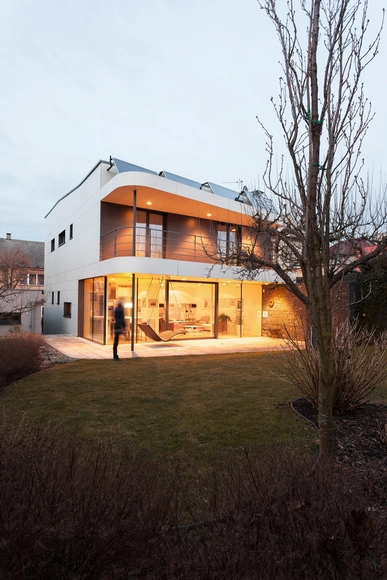


https://www.archdaily.com/899406/villa-bresson-monomRayen Sagredo
Studio Libeskind's Military Museum Through the Lens of Alexandra Timpau
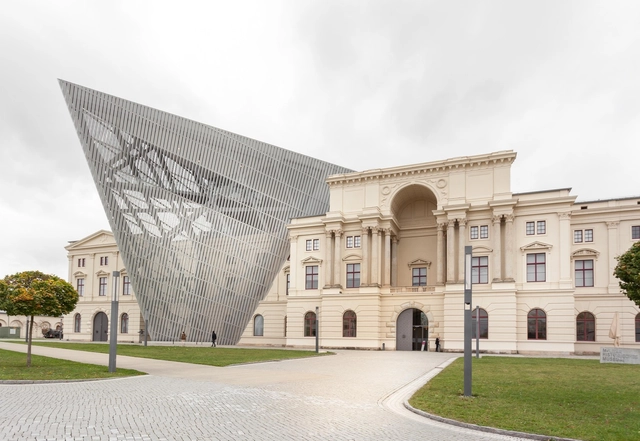
The complications of war and violence demanded a bold piece of architecture to provoke the public's understanding of the impact it had on Germany. Daniel Libeskind chooses to engage with such events in his extension to Dresden's Military History Museum, by crashing a huge steel and concrete structure through the neoclassical facade, tearing apart the symmetry of the original building. Photographer Alexandra Timpau has captured the sharp edges and harsh angles of the museum's extension that convey the pain and the stark reality of war Libeskind and the museum refer to.


https://www.archdaily.com/883189/studio-libeskinds-military-museum-through-the-lens-of-alexandra-timpauElla Thorns
Fajtuv Observation Tower / Studio acht


-
Architects: Studio acht
- Area: 116 m²
- Year: 2015
-
Professionals: SHP
https://www.archdaily.com/804684/fajtuv-observation-tower-studio-achtValentina Villa
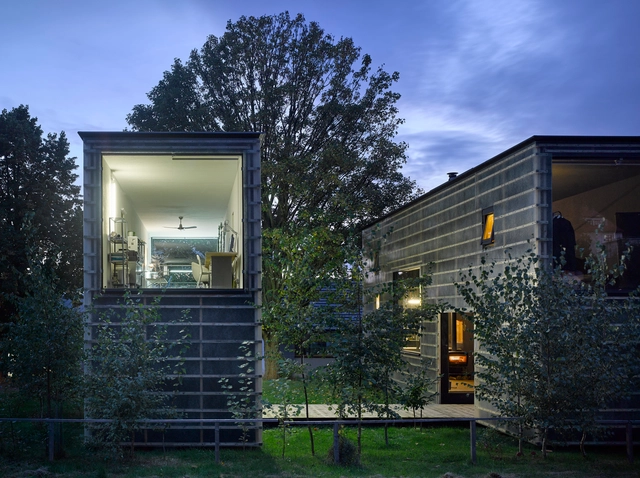
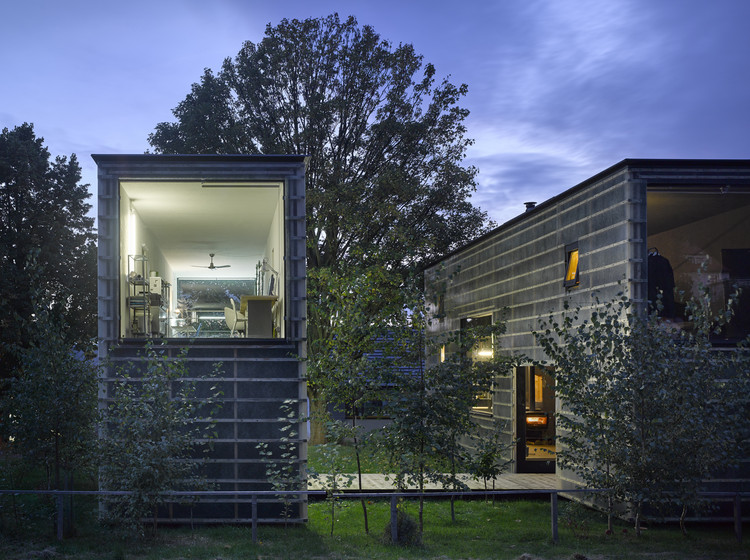
ZEN-Houses / Petr Stolín Architekt
.jpg?1481524257&format=webp&width=230&height=230&crop=true)

.jpg?1481525184&format=webp&width=230&height=230&crop=true)
.jpg?1481525092&format=webp&width=230&height=230&crop=true)
-
Architects: Petr Stolín Architekt
- Area: 75 m²
- Year: 2015
-
Manufacturers: VELUX Group, Czech Pan, Magniplast
https://www.archdaily.com/801286/zen-houses-petr-stolin-architektCristobal Rojas
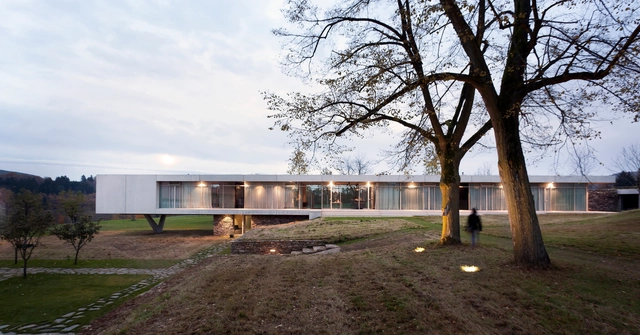
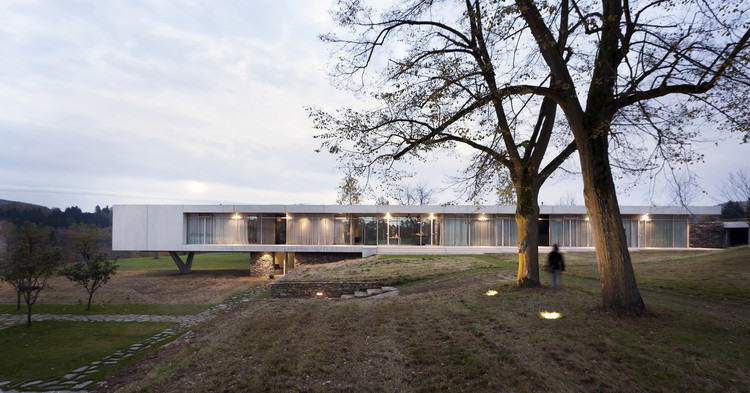
Private Residence / Studio acht


-
Architects: Studio acht
- Area: 415 m²
- Year: 2014
-
Manufacturers: MHB
https://www.archdaily.com/788977/private-residence-studio-achtCristobal Rojas
Shopping Center Pivovar Děčín / Studio acht
.jpg?1429754182&format=webp&width=640&height=580)
.jpg?1429754382&format=webp&width=230&height=230&crop=true)
.jpg?1429754160&format=webp&width=230&height=230&crop=true)
.jpg?1429754414&format=webp&width=230&height=230&crop=true)
.jpg?1429754351&format=webp&width=230&height=230&crop=true)
.jpg?1429754182)
-
Architects: Studio acht
- Area: 32420 m²
- Year: 2014
https://www.archdaily.com/622885/shopping-center-pivovar-decin-studio-achtDaniel Sánchez
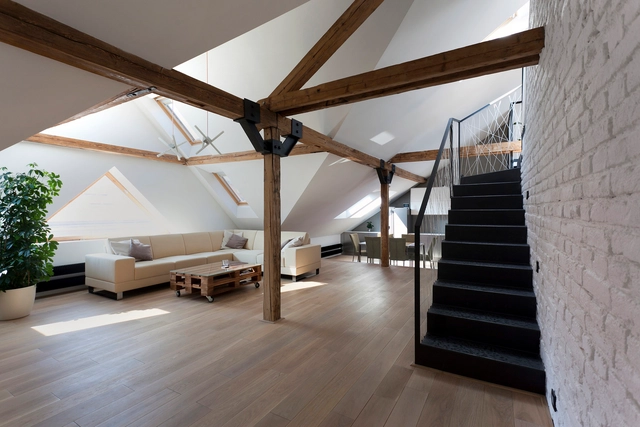
Attic Loft Reconstruction / B² Architecture


-
Architects: B² Architecture
- Area: 220 m²
- Year: 2013
https://www.archdaily.com/554411/attic-loft-reconstruction-b2-architectureDaniel Sánchez
The Blue Planet / 3XN


-
Architects: 3XN
- Area: 10000 m²
- Year: 2013
-
Manufacturers: Flowcrete
-
Professionals: HJ Landskab, Moe & Brodsgaard
https://www.archdaily.com/348532/the-blue-planet-3xnDaniel Sánchez
AD Classics: Villa Tugendhat / Mies van der Rohe
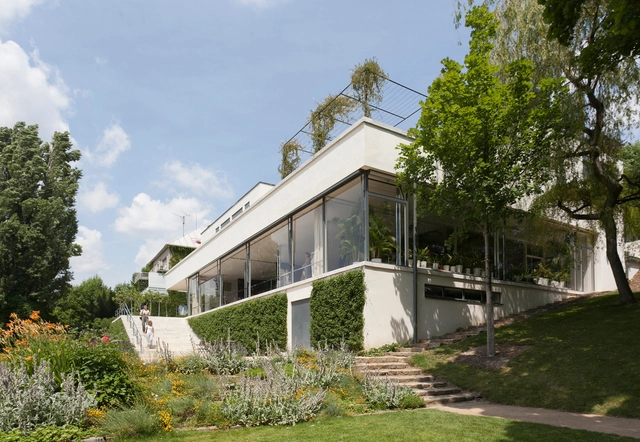
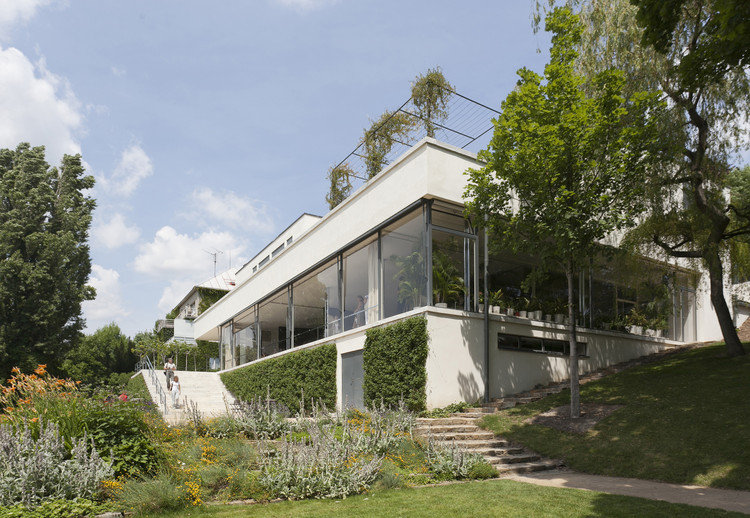
The Villa Tugendhat was commissioned by the wealthy newlyweds Grete & Fritz Tugendhat, a Jewish couple with family money from textile manufacturing companies in Brno. The couple met Mies van der Rohe in Berlin in 1927, and was already impressed by his design for the Zehlendorf house of Edward Fuchs. As fans of spacious homes with simple forms, Mies’ free plan method was perfect for the Tugendhats’ taste; however, he was not their only interest in an architect for their own home. They originally confronted Brno’s foremost modern architect at the time, Arnost Wiesner, but after visiting various projects by each architect, the Tugendhats ultimately went with Mies.


https://www.archdaily.com/157555/ad-classics-villa-tugendhat-mies-van-der-roheJules Gianakos