.jpg?1507043791&format=webp&width=640&height=580)


.jpg?1507043791)
-
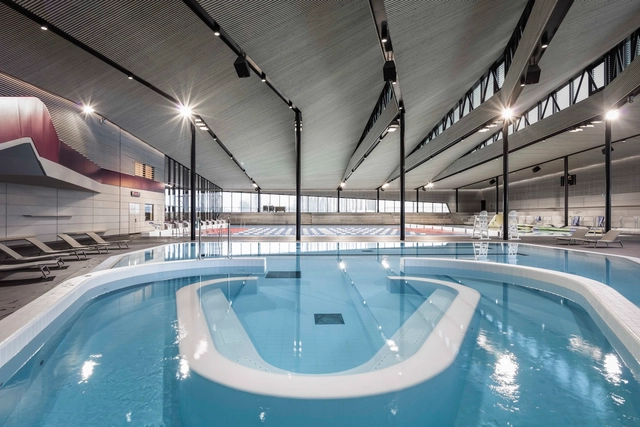
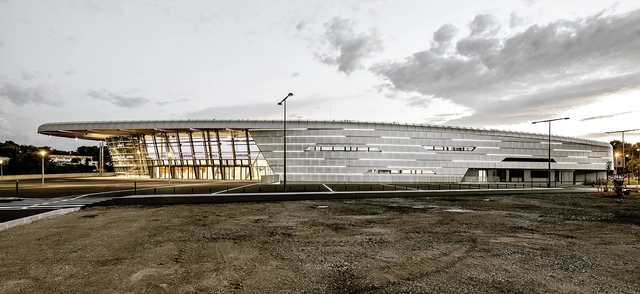
Architects: Bjarke Ingels Group
- Area: 12000 m²
- Year: 2017
-
Manufacturers: Hunter Douglas Architectural (Europe), Hunter Douglas


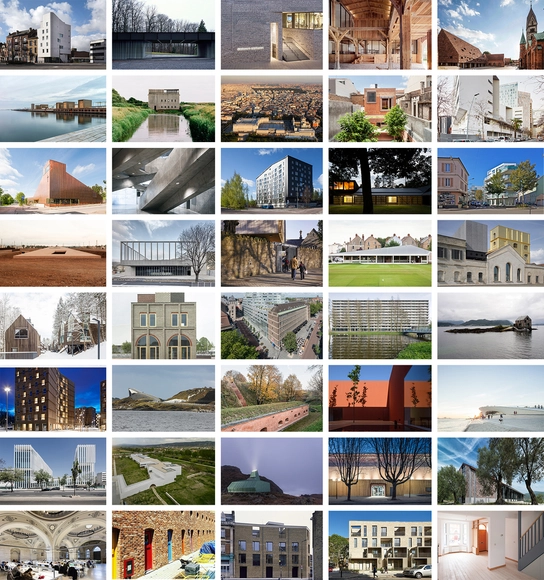
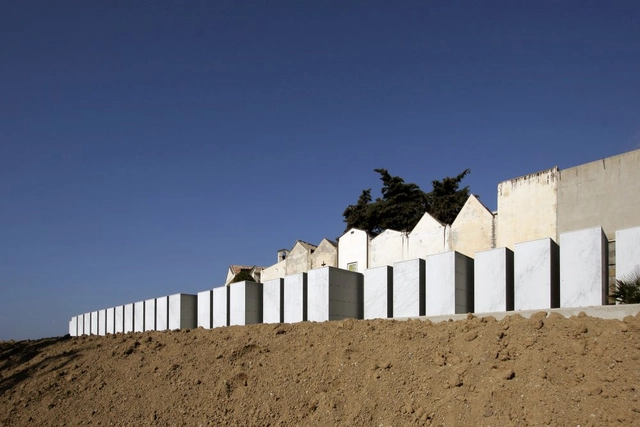
The European Commission and the Mies van der Rohe Foundation have announced the 40 shortlisted works that will compete for the 2017 European Union Prize for Contemporary Architecture – Mies van der Rohe Award. The jury has chosen from 355 nominated works and the shortlist highlights the opportunities and the trends of today’s European territory: cities, housing, heritage, and memory. The five finalists will be announced in mid-February and the winner and the Emerging Architect in mid-May.
A third of the works tackle the challenge of contemporary architecture in relation with built heritage and a third of the work tackles the contemporary challenges of housing. The management of the historic urban landscape will be among the priorities highlighted by the ‘European Year of Cultural Heritage' in 2018.
"I would want the shortlisted schemes to demonstrate an interest in making places, in exploring convention and known typologies, in celebrating the pleasures of everyday use by a consideration of detail and an unspoken resistance to the current global tendency towards a self-referential architecture, one that belies context and the act of inhabitation." - Stephen Bates, Chairman of the Jury.
Seen the shortlist after the break.
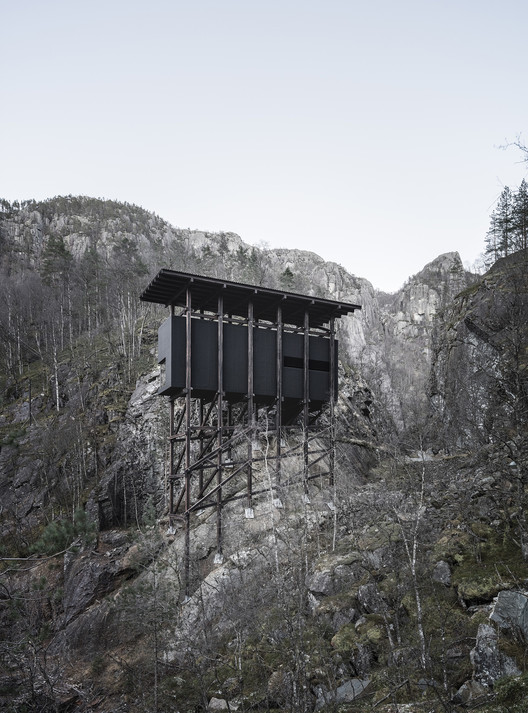
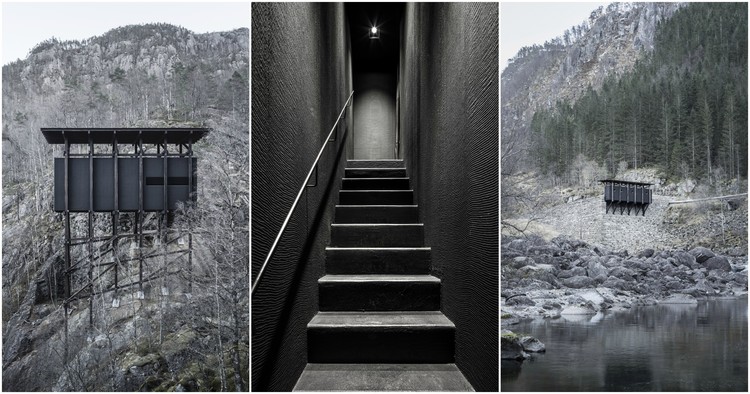
After previously documenting the Bruder Klaus Field Chapel, photographer Aldo Amoretti once again captures the grounded simplicity of Peter Zumthor, this time with images of his Allmannajuvet Zinc Mine Museum in Sauda, Norway. The three-building campus calls upon the aesthetics of the country's abandoned zinc mines from the 1800s, evoking the toilsome labor of the workers in its rough stone and exposed joint work. The museum is situated on one of Norway's National Tourist Routes and was commissioned by the state as part of an effort to increase tourism in the region. As such, the buildings are poised in and above the landscape, providing views of the natural gorge that unfold as visitors move through Zumthor's dark, shaftlike interiors.
Amoretti's photos express the modesty of the project, from the blackness of the interior galleries to the thin stilts that support the buildings within their rocky surroundings. The museum structures are suspended in balance with the harsh, gray climate—a noble representation of the working conditions of the miners the project aims to memorialize.

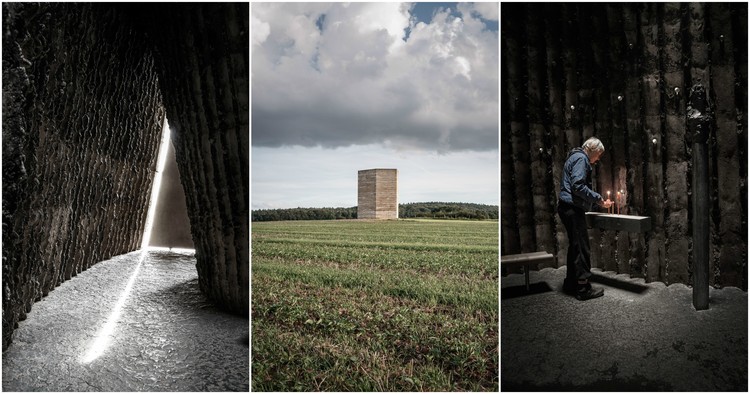
The Bruder Klaus Field Chapel by Peter Zumthor, completed in 2007, is known for its beautiful respect for the materials which were used to construct the sensuous space. The interior of the chapel is a black cavity left behind by 112 tree trunks burnt out of the cast concrete walls. Twenty-four layers of concrete were poured into a frame surrounding the trunks, stacked in a curved conical form, forming a stark contrast to the comparatively smooth angular façade. After removing the frame, many small holes were left behind in the walls, creating an effect reminiscent of the night sky. The chapel’s "beautiful silence" and undeniable connection to its surrounding landscape make it an evocative and popular destination for many.
In this photo series, architecture photographer Aldo Amoretti captures the dramatic relationship between the Bruder Klaus Field Chapel and its natural environment. Despite its concrete surface and straight edges, the chapel doesn’t stand out as brutal. Instead, the images depict a visual manifestation of Zumthor’s words: architecture with "composure, self-evidence, durability, presence, and integrity, and with warmth and sensuousness as well."







.jpg?1441138553&format=webp&width=640&height=580)
.jpg?1441138106&format=webp&width=230&height=230&crop=true)
.jpg?1441138131&format=webp&width=230&height=230&crop=true)
.jpg?1441138429&format=webp&width=230&height=230&crop=true)
.jpg?1441138529&format=webp&width=230&height=230&crop=true)
.jpg?1441138553)