-
Architects: Mila
- Area: 50 m²
- Year: 2019
-
Professionals: Umbria Costruzioni, Studio Associato Maggi




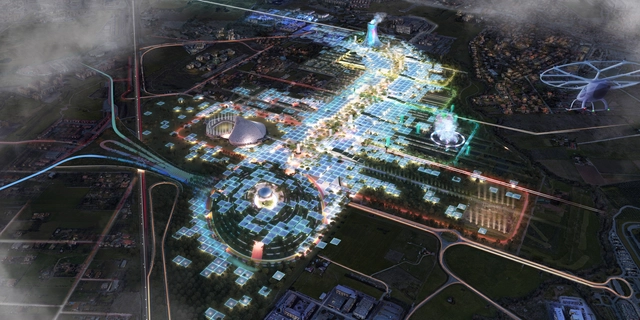
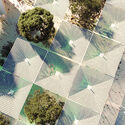
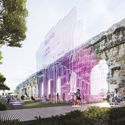
CRA-Carlo Ratti Associati, together with architect Italo Rota and urbanist Richard Burdett, unveiled the master plan for Rome’s bid to host the World Expo in 2030. The project proposes a joint effort from every participating country to contribute to a solar farm that could power the exhibition site and help decarbonize the surrounding neighborhoods. The Expo is proposed to take place in Tor Vergata, a vast area in Rome and home to the eponymous university and a densely inhabited residential district. All the pavilions are designed to be fully reusable, as the area is proposed to be transformed into an innovation district after the event in the hope of revitalizing the somewhat neglected neighborhood. The master plan was developed with several partners, including ARUP for sustainability, infrastructure, and costing, LAND for landscape design, and Systematica for mobility strategy.
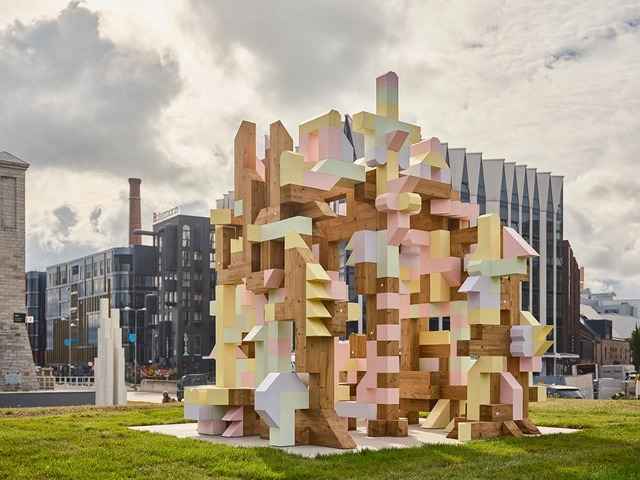
Tallinn Architecture Biennale 2022: "Edible; Or, The Architecture of Metabolism" announced record numbers in its 6th edition after 3 months of exhibitions in Estonia's capital. From installations and a symposium to satellite events, the biennale received in its opening week a record of circa 3000 visitors between architects, planners, designers, and students from more than 20 countries. Due to the successful outcome, the Installation "Fungible Non-Fungible" will be installed until 2024 marking the beginning of the 7th TAB.
This article was originally published on Common Edge.
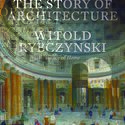
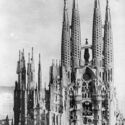
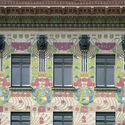
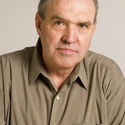
Witold Rybczynski’s latest book—he’s written 22 now, at last count—is The Story of Architecture (Yale University Press), and it’s as comprehensive as the title implies. The author of Home and A Clearing in the Distance starts with the ancients, works his way chronologically through the movements, buildings, and architects, and into the present day. It’s done, he concedes, through his own prism. “I have not given equal attention to all parts of the world,” he writes in the book’s Note to the Reader. “This is primarily although not exclusively the story of the Western canon. That is not to slight regions that often have their own unique architectural accomplishments … but I have chosen examples that best convey the principal thrust of the strain of architectural thought that has most influenced me.” Recently I talked with Rybczynski about the genesis for the book, what architecture lost when it abandoned ornamentation, and where we are today.




Multifarious experiences of cities are brought forward in Copenhagen Architecture Festival (CAFx)’s impressive Film Mosaic—from life-affirming experiences of cities as potential, if not real, spaces of play, dance, social exchange and community-building, to claustrophobic experiences of trapped, suffocating life. To the authors of this short reflection essay, a series of films depicting the latter kind, have made a powerful impact. Filmmakers from countries as diverse as Azerbaijan, Georgia, Canada, Uruguay, Tunisia, United Kingdom and Spain offer artistic expressions of how persons in today’s urban life may be unable to thrive, to differentiate themselves, to find rootedness, calmness, sanity or safety.