-
Architects: Suva Architects
- Area: 5500 ft²
- Year: 2024
-
Manufacturers: MARAZZI, Marble Italia, Sreeram Rohith
-
Professionals: Suva Architects, Creatomy Build, 3 Fold Design, Design Brilliance




Prioritizing people and the planet, when it comes to building construction and real estate development, is being seen as more than an ethical mandate - it is a highly profitable approach. Changing market demands, city ordinances, and regulations, and an emphasis on Environmental, Social, and Governance (ESG) factors are all influencing what successful development in the 21st century stands for.
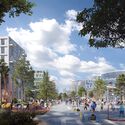
In Toronto, Canada, the ongoing Downsview Airport redevelopment project showcases this mindset in practice. While traditional development has generally focused on maximizing short-term returns, the Downsview project offers a holistic alternative that can invite significant long-term profits, all while addressing broader societal and environmental concerns.

Ceramic tiles are a decorative form almost as old as time—originating in ancient Mesopotamia, where they were first used around 4,000 years ago. Today, they serve as a global motif, both ascetic and pictorial, available in a panoply of colors and textures. Formed from the elemental process of firing clay, minerals and water at high heats, tiles become a robust, hard-wearing material with a myriad of applications.
In what is now Italy, tile use and production proliferated in the Roman era – not least in the form of intricate, technicolor mosaics – and the styles embraced in antiquity were an early precedent for those used today. The use of tiles skyrocketed further in the later Renaissance period, with Italian artisans perfecting the medium as an artistic medium, and the country remains perhaps the consummate producer of ceramic and porcelain tiling.
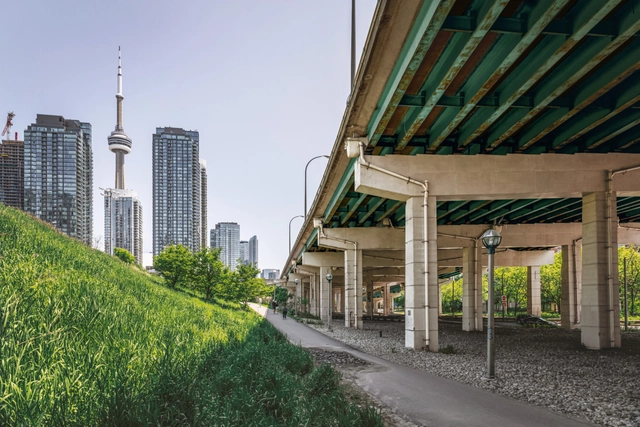
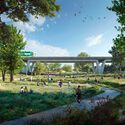
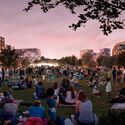
New York-based office Field Operations, renowned for their work on Seattle's waterfront and New York's High Line, along with Toronto's Brook McIlroy, have been tasked with transforming underutilized lands beneath the Gardiner Expressway in Toronto. The project was launched by The Bentway Conservancy, in partnership with the City of Toronto, and represents the second phase of the development aiming to revitalize underutilized spaces along the expressway. The initiative set out to transform three large traffic islands between Dan Leckie Way and Spadina Avenue into an 11,500-square-meter public space for recreation and community activities.
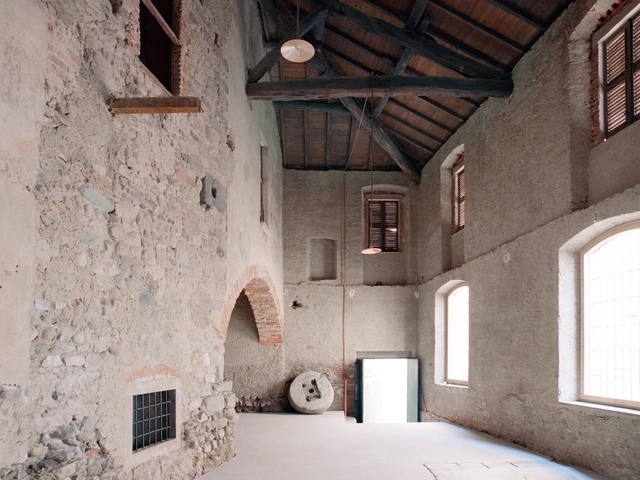
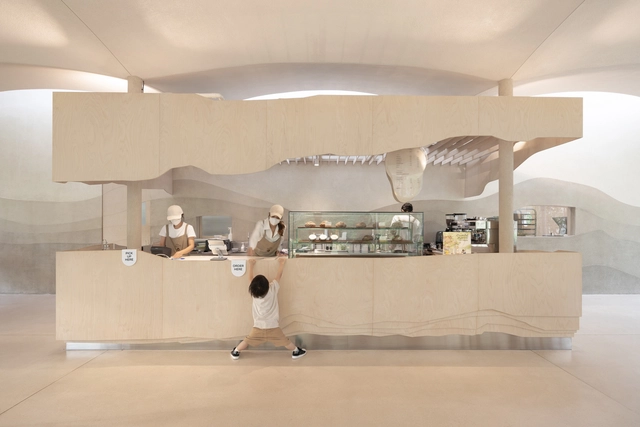
Coffee culture continues to thrive in the contemporary world, with a noticeable shift from the dominance of chains & franchise stores to a growing market for prosumer coffee. As more and more coffee consumers become prosumers, individuals who both produce and consume, they are turning coffee-making into a hobby, even a ritual, and are expecting coffee shops to keep up. Consumers are becoming more knowledgeable, paying close attention to the source and type of beans, brewing methods, and equipment. They also appreciate the design of coffee machinery, not just for its functionality but for its aesthetics, efficiency, and space management. This surge in interest, especially in Asia, has led to changes in coffee shops' operations. Many individual coffee shops, responding to the rise in consumer spending power and interests, are motivated to focus on creating unique, immersive experiences for an ever-growing marketable audience.
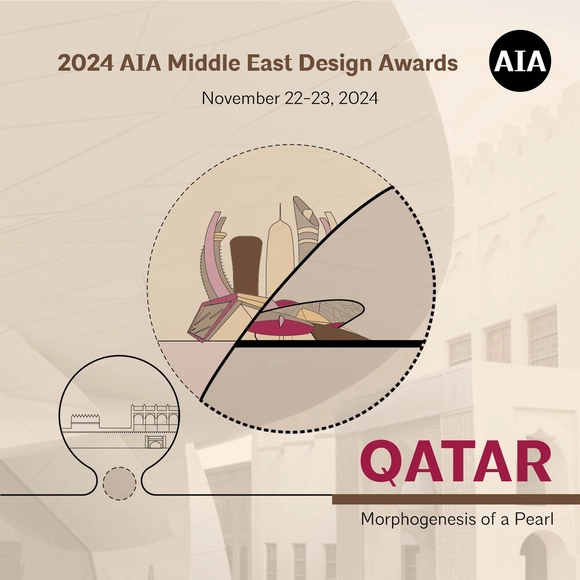
The American Institute of Architects, Middle East Chapter, opens entries for its 11th Year-End Conference and Design Awards, set to take place in the vibrant city of Doha, Qatar, between the 22nd and 23rd of November, 2024. This prestigious event will gather thought leaders, professionals, and enthusiasts to explore the latest trends, innovations, and challenges in the design field with a focus on Qatar's remarkable development.
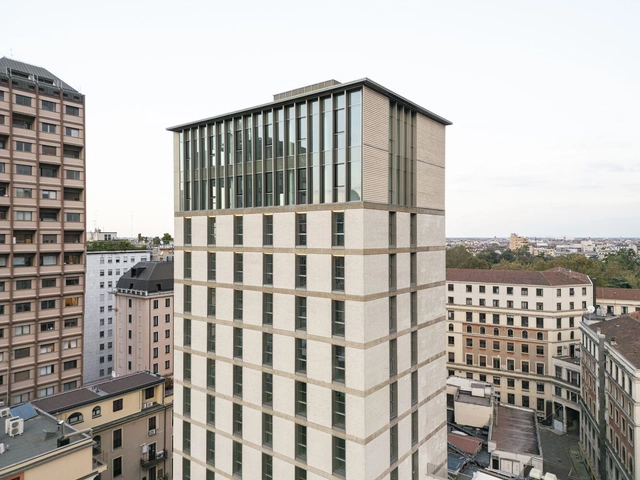
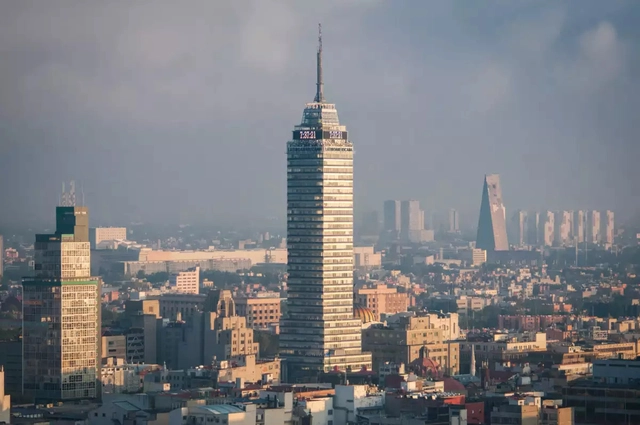
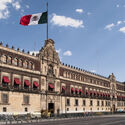
Mexico City's skyline is not just a testament to its rich architectural heritage but also a reflection of the stories, myths, and quirks embedded within its structures. From monumental landmarks to lesser-known buildings, each corner of the city holds a fascinating history that goes beyond its facade. In this article, we dive into some of the most intriguing tales that surround CDMX's most iconic buildings, offering a glimpse into the mysteries and cultural significance hidden within their walls.
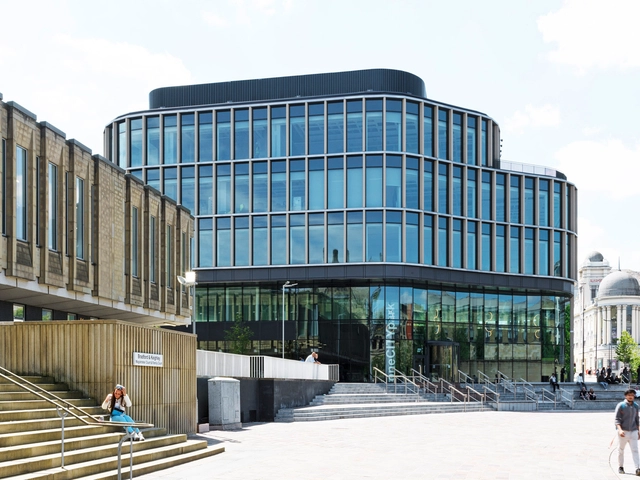
Contemporary architecture evolves in tandem with the materials and construction techniques available in each region. In addition to the architectural trends of the moment or historical ideas that may inspire creativity, understanding how materials are used, cared for, and maintained, as well as their technical and aesthetic properties, is crucial to the concepts envisioned by many architects. Each material carries its own inherent logic. In fact, architect Louis Kahn suggested that the way materials interact can lead to unavoidable combinations of structure, walls, and assembly in buildings. Rieder products exemplify this by offering modular, flexible solutions that help buildings seamlessly adapt to urban environments, enhancing both interior and exterior spaces while maintaining cost-effectiveness.